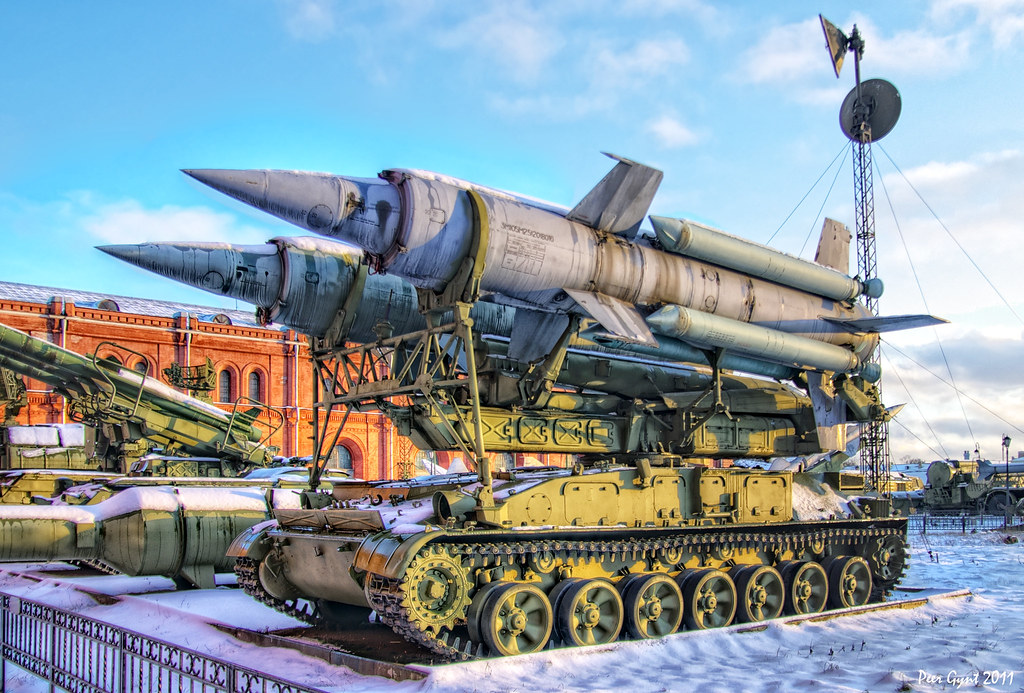
Russian missiles in Poland have raised serious concerns as NATO calls this a grave violation of airspace. The situation escalates tensions in Eastern Europe.
Overview of the Incident
Recently, a significant incident has heightened tensions in Eastern Europe, as NATO has described the landing of Russian missiles in Poland as a grave violation of airspace. This event has raised concerns among member nations, prompting urgent discussions regarding security and defense strategies within the alliance.
The missiles reportedly landed in a rural area, causing no casualties but raising alarms about the potential for escalation. The Russian missiles in Poland incident comes amid ongoing conflicts in the region, and many analysts view it as a provocative act that could destabilize an already fragile situation.
NATO officials have condemned the incident, emphasizing the need for a unified response. Key points of concern include:
- The violation of Polish sovereignty and international law.
- The risk of miscalculations that could lead to a broader conflict.
- The necessity for enhanced surveillance and defense measures in Eastern Europe.
In response to this incident, Poland has called for immediate consultations with NATO allies to assess the situation and reinforce its security posture. As the geopolitical landscape continues to evolve, the implications of this event will be closely monitored by both regional and global powers.
NATO’s Response to Violations
NATO has responded swiftly to the recent incident involving Russian missiles in Poland, labeling it a grave violation of airspace. The organization convened an emergency meeting to address the implications of this breach and to discuss collective defense measures.
In a statement, NATO officials emphasized the seriousness of the situation, noting that such actions threaten regional stability and security. Key points from the NATO response include:
- Condemnation of Aggression: NATO condemned the missile launch as an aggressive act that violates international norms.
- Increased Vigilance: The alliance has pledged to enhance surveillance and readiness in Eastern Europe to deter any further incursions.
- Support for Poland: NATO reaffirmed its commitment to Poland, offering political and military support in light of the threat posed by Russian missiles in Poland.
- Diplomatic Efforts: The alliance is engaging in diplomatic discussions with Russia to address the situation and prevent future violations.
The NATO alliance’s unified response reflects its commitment to collective defense and the protection of member states against external threats, reinforcing the importance of maintaining peace and security in the region.
Impact on Poland’s Security
The recent landing of Russian missiles in Poland has raised significant concerns regarding the nation’s security. Poland, a member of NATO, finds itself at the forefront of escalating tensions between Russia and the West. The incursion is not merely a violation of airspace; it poses a direct threat to the safety and sovereignty of the Polish state.
The implications of this incident are profound, influencing both domestic and international perceptions of security in the region. Polish officials have expressed alarm over the potential for further aggression, urging for a stronger NATO presence in Eastern Europe. The possibility of Russian missiles in Poland serves as a stark reminder of the fragility of peace in the area.
In response to the incident, Poland has taken several steps to bolster its defenses, including:
- Increased military readiness and exercises.
- Strengthening intelligence-sharing with NATO allies.
- Requesting additional support from the United States and other NATO partners.
The situation remains dynamic, and the Polish government is closely monitoring developments. The international community continues to stress the need for dialogue, yet the presence of Russian missiles in Poland complicates diplomatic efforts and heightens the stakes for all involved.
Historical Context of NATO and Russia
The history of NATO and Russia is marked by tension and confrontation, particularly following the dissolution of the Soviet Union. The expansion of NATO in the 1990s and early 2000s, which included the inclusion of former Eastern Bloc countries, was perceived by Russia as a direct threat to its sphere of influence. This expansion laid the groundwork for a strained relationship, characterized by mutual distrust and military posturing.
In recent years, incidents involving Russian military actions have further exacerbated these tensions. The annexation of Crimea in 2014 and ongoing conflicts in Ukraine highlighted the aggressive posture of Russia towards NATO member states, particularly those in Eastern Europe. Poland, as a frontline NATO member, has been particularly vigilant in the face of possible threats.
The recent incident involving Russian missiles landing in Poland is a stark reminder of the fragility of security in the region. NATO’s response to this violation underscores the alliance’s commitment to collective defense but also signals the urgency for diplomatic efforts to mitigate further escalations. As tensions rise, the need for dialogue and transparency between NATO and Russia has never been more critical to ensure the safety and sovereignty of nations like Poland.
Reactions from Global Leaders
Following the alarming incident involving Russian missiles in Poland, global leaders have expressed their outrage and concern over the violation of Polish airspace. Reactions have varied, reflecting the geopolitical complexities at play.
- United States: The U.S. government condemned the missile strikes, emphasizing NATO’s collective defense principle. President Joe Biden stated, “This event underscores the need for unity among NATO allies in the face of aggression.”
- European Union: EU leaders have called for an urgent meeting to discuss security measures. In a joint statement, they labeled the incident as “unacceptable” and a serious threat to regional stability.
- Russia: The Kremlin has dismissed the accusations, claiming that the missiles were unintended. A spokesperson remarked, “The narrative of aggression against Poland is unfounded and serves only to escalate tensions.”
- Poland: Polish officials have demanded a thorough investigation and reinforced their commitment to NATO. Prime Minister Mateusz Morawiecki declared, “We will not tolerate airspace violations, and we expect a strong response.”
As the situation develops, the international community remains on high alert, closely monitoring any further actions from Russia regarding its missile operations.
Future Implications for Eastern Europe
The recent incident involving Russian missiles in Poland has raised significant concerns about the stability and security of Eastern Europe. As tensions escalate, the implications of such actions could reverberate throughout the region, affecting diplomatic relations and military strategies.
Many Eastern European nations are now reassessing their defense policies in light of the threat posed by Russian aggression. The presence of foreign missiles in neighboring countries could lead to an arms race, prompting nations to increase their military capabilities. This scenario may result in a fortified NATO presence in Eastern Europe, as member states seek to deter further Russian incursions.
Additionally, economic implications cannot be overlooked. Countries may face increased defense spending, diverting funds from crucial domestic programs. The fear of potential conflict could also hinder foreign investment in the region, impacting economic growth.
As alliances shift and new partnerships form, the geopolitical landscape of Eastern Europe may undergo a transformation. The situation necessitates a united response from NATO and its allies to ensure that violations like the recent Russian missiles in Poland do not become the norm.
Ultimately, the future of Eastern Europe hinges on the balance between deterrence and diplomacy, shaping the region’s stability for years to come.
The deployment of Russian missiles in Poland has raised significant concerns among NATO allies regarding regional security. Analysts argue that the presence of Russian missiles in Poland represents a grave violation of international agreements and escalates tensions in Eastern Europe.
By Peer.Gynt via Openverse
References
Related stories
Laser Gum Treatment: Proven Way to Improve A1C Levels · Pratap Movie Review: The Worst Prison Drama Unveiled · Shanghai Cooperation Organisation: Proven Benefits of Civilisational Dialogue
Leave a Reply