Tag: NATO

  • Russian missiles in Poland: A Grave Violation Explained

    Russian missiles in Poland: A Grave Violation Explained

    Russian missiles in Poland have raised serious concerns as NATO calls this a grave violation of airspace. The situation escalates tensions in Eastern Europe.

    Overview of the Incident

    Recently, a significant incident has heightened tensions in Eastern Europe, as NATO has described the landing of Russian missiles in Poland as a grave violation of airspace. This event has raised concerns among member nations, prompting urgent discussions regarding security and defense strategies within the alliance.

    The missiles reportedly landed in a rural area, causing no casualties but raising alarms about the potential for escalation. The Russian missiles in Poland incident comes amid ongoing conflicts in the region, and many analysts view it as a provocative act that could destabilize an already fragile situation.

    NATO officials have condemned the incident, emphasizing the need for a unified response. Key points of concern include:

    • The violation of Polish sovereignty and international law.
    • The risk of miscalculations that could lead to a broader conflict.
    • The necessity for enhanced surveillance and defense measures in Eastern Europe.

    In response to this incident, Poland has called for immediate consultations with NATO allies to assess the situation and reinforce its security posture. As the geopolitical landscape continues to evolve, the implications of this event will be closely monitored by both regional and global powers.

    NATO’s Response to Violations

    NATO has responded swiftly to the recent incident involving Russian missiles in Poland, labeling it a grave violation of airspace. The organization convened an emergency meeting to address the implications of this breach and to discuss collective defense measures.

    In a statement, NATO officials emphasized the seriousness of the situation, noting that such actions threaten regional stability and security. Key points from the NATO response include:

    • Condemnation of Aggression: NATO condemned the missile launch as an aggressive act that violates international norms.
    • Increased Vigilance: The alliance has pledged to enhance surveillance and readiness in Eastern Europe to deter any further incursions.
    • Support for Poland: NATO reaffirmed its commitment to Poland, offering political and military support in light of the threat posed by Russian missiles in Poland.
    • Diplomatic Efforts: The alliance is engaging in diplomatic discussions with Russia to address the situation and prevent future violations.

    The NATO alliance’s unified response reflects its commitment to collective defense and the protection of member states against external threats, reinforcing the importance of maintaining peace and security in the region.

    Impact on Poland’s Security

    The recent landing of Russian missiles in Poland has raised significant concerns regarding the nation’s security. Poland, a member of NATO, finds itself at the forefront of escalating tensions between Russia and the West. The incursion is not merely a violation of airspace; it poses a direct threat to the safety and sovereignty of the Polish state.

    The implications of this incident are profound, influencing both domestic and international perceptions of security in the region. Polish officials have expressed alarm over the potential for further aggression, urging for a stronger NATO presence in Eastern Europe. The possibility of Russian missiles in Poland serves as a stark reminder of the fragility of peace in the area.

    In response to the incident, Poland has taken several steps to bolster its defenses, including:

    • Increased military readiness and exercises.
    • Strengthening intelligence-sharing with NATO allies.
    • Requesting additional support from the United States and other NATO partners.

    The situation remains dynamic, and the Polish government is closely monitoring developments. The international community continues to stress the need for dialogue, yet the presence of Russian missiles in Poland complicates diplomatic efforts and heightens the stakes for all involved.

    Historical Context of NATO and Russia

    The history of NATO and Russia is marked by tension and confrontation, particularly following the dissolution of the Soviet Union. The expansion of NATO in the 1990s and early 2000s, which included the inclusion of former Eastern Bloc countries, was perceived by Russia as a direct threat to its sphere of influence. This expansion laid the groundwork for a strained relationship, characterized by mutual distrust and military posturing.

    In recent years, incidents involving Russian military actions have further exacerbated these tensions. The annexation of Crimea in 2014 and ongoing conflicts in Ukraine highlighted the aggressive posture of Russia towards NATO member states, particularly those in Eastern Europe. Poland, as a frontline NATO member, has been particularly vigilant in the face of possible threats.

    The recent incident involving Russian missiles landing in Poland is a stark reminder of the fragility of security in the region. NATO’s response to this violation underscores the alliance’s commitment to collective defense but also signals the urgency for diplomatic efforts to mitigate further escalations. As tensions rise, the need for dialogue and transparency between NATO and Russia has never been more critical to ensure the safety and sovereignty of nations like Poland.

    Reactions from Global Leaders

    Following the alarming incident involving Russian missiles in Poland, global leaders have expressed their outrage and concern over the violation of Polish airspace. Reactions have varied, reflecting the geopolitical complexities at play.

    • United States: The U.S. government condemned the missile strikes, emphasizing NATO’s collective defense principle. President Joe Biden stated, “This event underscores the need for unity among NATO allies in the face of aggression.”
    • European Union: EU leaders have called for an urgent meeting to discuss security measures. In a joint statement, they labeled the incident as “unacceptable” and a serious threat to regional stability.
    • Russia: The Kremlin has dismissed the accusations, claiming that the missiles were unintended. A spokesperson remarked, “The narrative of aggression against Poland is unfounded and serves only to escalate tensions.”
    • Poland: Polish officials have demanded a thorough investigation and reinforced their commitment to NATO. Prime Minister Mateusz Morawiecki declared, “We will not tolerate airspace violations, and we expect a strong response.”

    As the situation develops, the international community remains on high alert, closely monitoring any further actions from Russia regarding its missile operations.

    Future Implications for Eastern Europe

    The recent incident involving Russian missiles in Poland has raised significant concerns about the stability and security of Eastern Europe. As tensions escalate, the implications of such actions could reverberate throughout the region, affecting diplomatic relations and military strategies.

    Many Eastern European nations are now reassessing their defense policies in light of the threat posed by Russian aggression. The presence of foreign missiles in neighboring countries could lead to an arms race, prompting nations to increase their military capabilities. This scenario may result in a fortified NATO presence in Eastern Europe, as member states seek to deter further Russian incursions.

    Additionally, economic implications cannot be overlooked. Countries may face increased defense spending, diverting funds from crucial domestic programs. The fear of potential conflict could also hinder foreign investment in the region, impacting economic growth.

    As alliances shift and new partnerships form, the geopolitical landscape of Eastern Europe may undergo a transformation. The situation necessitates a united response from NATO and its allies to ensure that violations like the recent Russian missiles in Poland do not become the norm.

    Ultimately, the future of Eastern Europe hinges on the balance between deterrence and diplomacy, shaping the region’s stability for years to come.

    The deployment of Russian missiles in Poland has raised significant concerns among NATO allies regarding regional security. Analysts argue that the presence of Russian missiles in Poland represents a grave violation of international agreements and escalates tensions in Eastern Europe.

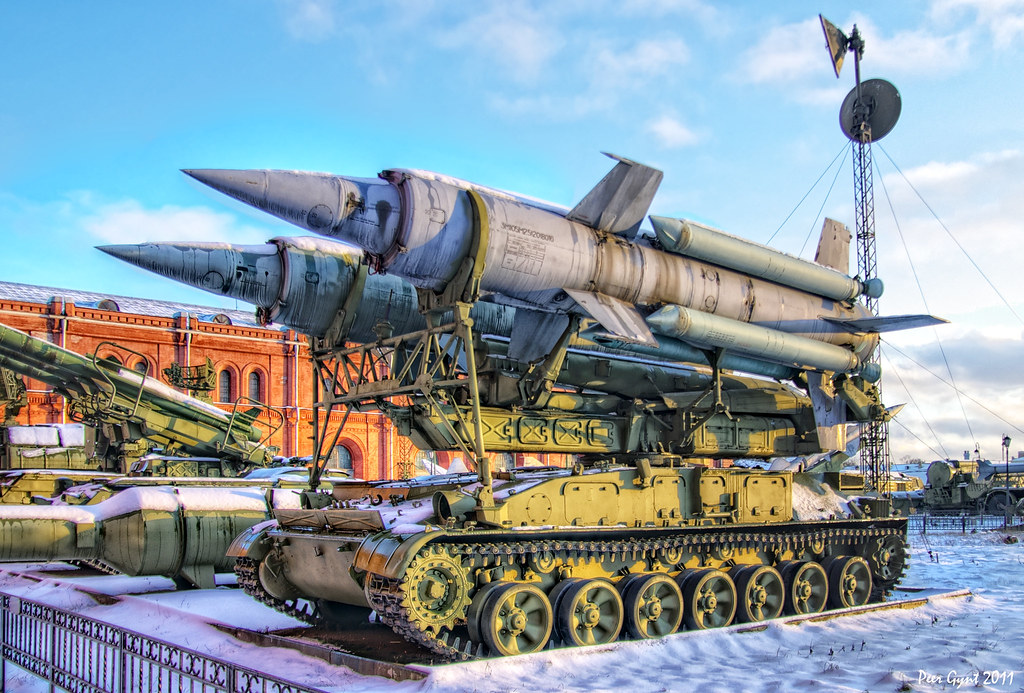
    By Peer.Gynt via Openverse

    References

    PBS

    Related stories

    Laser Gum Treatment: Proven Way to Improve A1C Levels · Pratap Movie Review: The Worst Prison Drama Unveiled · Shanghai Cooperation Organisation: Proven Benefits of Civilisational Dialogue

  • Is Air Defence Support for Ukraine the Right Move?

    Is Air Defence Support for Ukraine the Right Move?

    air defence support for Ukraine is gaining momentum as European states pledge to enhance their military assistance. This commitment aims to bolster Ukraine’s defensive capabilities amid ongoing tensions.

    What is Air Defence Support?

    Air defence support for Ukraine has become a pivotal aspect of international military assistance amidst ongoing conflicts. This type of support primarily involves providing advanced technologies and systems designed to protect airspace from enemy attacks, particularly from missiles and drones. The aim is to enhance the country’s defensive capabilities and ensure the safety of its citizens and critical infrastructure.

    The scope of air defence support can vary widely, but it typically includes:

    • Missile Defence Systems: These are designed to detect, track, and intercept incoming projectiles before they can cause harm.
    • Radar and Surveillance Equipment: Essential for monitoring aerial threats, allowing for timely responses to potential attacks.
    • Training and Operational Support: Equipping Ukrainian forces with the necessary skills to effectively operate and maintain these systems.
    • Logistical Assistance: Ensuring that the necessary supplies and components are available for sustained operations.

    With various European states recently pledging to boost air defence support for Ukraine, the conversation surrounding its effectiveness and strategic importance continues to grow, raising questions about the long-term implications for regional security.

    Recent Pledges from European Nations

    In recent weeks, several European nations have made significant pledges to strengthen air defence support for Ukraine amid ongoing tensions in the region. These commitments reflect a growing consensus among European leaders on the need to bolster Ukraine’s defensive capabilities.

    Key announcements include:

    • Germany: The country has pledged to provide advanced missile systems, aiming to enhance Ukraine’s ability to intercept aerial threats.
    • France: France has committed to supplying additional radars and surface-to-air missiles, which are crucial for detecting and neutralizing incoming attacks.
    • Italy: Italy is set to deliver a new batch of anti-aircraft systems, reinforcing its historical commitment to Ukraine’s defence.
    • Spain: Spain has also joined the initiative, offering training and logistical support to Ukrainian forces operating air defence systems.

    These pledges represent a coordinated effort by European nations to enhance Ukraine’s air defence capabilities. As the conflict continues, the provision of such support is seen as essential in helping Ukraine protect its sovereignty and safeguard its citizens from aerial threats.

    Impact on Ukraine’s Security

    The ongoing conflict in Ukraine has highlighted the critical need for enhanced military capabilities, particularly in the realm of air defence. As European states pledge to boost air defence support for Ukraine, experts suggest that this could significantly alter the security landscape in the region.

    Strengthening Ukraine’s air defence systems is expected to yield several positive impacts:

    • Protection of Civilians: Improved air defence capabilities can help shield urban areas from aerial attacks, reducing civilian casualties and infrastructure damage.
    • Deterrence: A robust air defence system may deter adversaries from launching airstrikes, potentially stabilising the conflict and encouraging diplomatic resolutions.
    • Operational Efficiency: Enhanced air defence support for Ukraine allows for better integration of military strategies, enabling Ukrainian forces to respond more effectively to aerial threats.
    • International Support: Increased military aid signals solidarity from European nations, reinforcing Ukraine’s position on the global stage and fostering stronger alliances.

    Despite these potential benefits, challenges remain, including the need for training and maintenance of advanced systems, which could impact their effectiveness in the short term.

    Challenges Facing Air Defence Initiatives

    The implementation of air defence support for Ukraine faces several significant challenges that could hinder its effectiveness. Firstly, the complexity of modern air defence systems requires extensive training for Ukrainian personnel, which may delay the deployment of these crucial capabilities. The speed at which troops can be trained varies, and any lag could leave Ukrainian airspace vulnerable during critical periods.

    Additionally, the integration of different air defence systems from various European nations poses logistical issues. Each system has unique operational protocols and maintenance requirements, complicating interoperability among forces. This fragmentation can lead to gaps in coverage, as systems may not work seamlessly together.

    Furthermore, the ongoing conflict means that air defence assets are often targeted by adversarial forces. The risk of these systems being compromised or destroyed in combat raises concerns about their reliability and overall impact on Ukraine’s security. Lastly, sustained political support from European nations is essential, as fluctuating public opinion could affect ongoing commitments to air defence support for Ukraine.

    In summary, while air defence initiatives are a promising step towards bolstering Ukraine’s defensive capabilities, addressing these challenges is crucial for their success.

    International Reactions to Support

    International reactions to the air defence support for Ukraine have been mixed, reflecting a range of political and military considerations. Some nations have expressed strong backing, emphasizing the importance of bolstering Ukraine’s defensive capabilities against ongoing threats. European leaders have pledged to enhance their military assistance, highlighting a collective responsibility to ensure regional stability.

    Countries like Germany and France have committed to supplying advanced air defence systems, aiming to create a more robust shield for Ukrainian skies. This support has been welcomed by Ukrainian officials, who view it as a critical step in countering aerial assaults. However, not all nations are aligned in their approach. Some Eastern European states advocate for immediate and extensive military aid, while others remain cautious, fearing escalation in the conflict.

    Additionally, public opinion plays a significant role in shaping these reactions. Citizens in several countries have shown increasing support for military aid, but concerns about the long-term consequences of such assistance linger. As international dialogues continue, the future of air defence support for Ukraine remains a pivotal topic in geopolitical discussions.

    Future of Military Assistance to Ukraine

    The future of military assistance to Ukraine remains a critical topic as the conflict continues to evolve. With recent pledges by European nations to enhance air defence support for Ukraine, the landscape of military strategy is shifting. This support is not only a response to immediate threats but also a long-term investment in Ukraine’s sovereignty and stability.

    Key factors will shape the future of this assistance:

    • Technological Advancements: As military technology rapidly evolves, Ukraine must stay ahead by integrating advanced air defence systems effectively.
    • International Collaboration: Continued cooperation among NATO allies will be essential for developing comprehensive strategies that bolster Ukraine’s defensive capabilities.
    • Domestic Factors: The Ukrainian government’s ability to manage and deploy international assistance will significantly influence the effectiveness of air defence initiatives.
    • Public Support: Gaining and maintaining public support in participating countries is crucial for sustaining military aid and ensuring long-term commitments.

    Ultimately, the question of whether air defence support for Ukraine is the right move will depend on the successful integration of these elements into a cohesive and responsive military strategy.

    By Foreign, Commonwealth & Development Office via Openverse

    Where this came from

    Al Jazeera

    More on this site

    Roundworm DNA Organization: New Study Reveals Complex Structures · Breast Changes to Ignore: 6 Clear Signs You Shouldn’t Overlook · Layers Skin & Hair Clinic: Is This the Best New Clinic?