Tag: Russia

  • Russian missiles in Poland: A Grave Violation Explained

    Russian missiles in Poland: A Grave Violation Explained

    Russian missiles in Poland have raised serious concerns as NATO calls this a grave violation of airspace. The situation escalates tensions in Eastern Europe.

    Overview of the Incident

    Recently, a significant incident has heightened tensions in Eastern Europe, as NATO has described the landing of Russian missiles in Poland as a grave violation of airspace. This event has raised concerns among member nations, prompting urgent discussions regarding security and defense strategies within the alliance.

    The missiles reportedly landed in a rural area, causing no casualties but raising alarms about the potential for escalation. The Russian missiles in Poland incident comes amid ongoing conflicts in the region, and many analysts view it as a provocative act that could destabilize an already fragile situation.

    NATO officials have condemned the incident, emphasizing the need for a unified response. Key points of concern include:

    • The violation of Polish sovereignty and international law.
    • The risk of miscalculations that could lead to a broader conflict.
    • The necessity for enhanced surveillance and defense measures in Eastern Europe.

    In response to this incident, Poland has called for immediate consultations with NATO allies to assess the situation and reinforce its security posture. As the geopolitical landscape continues to evolve, the implications of this event will be closely monitored by both regional and global powers.

    NATO’s Response to Violations

    NATO has responded swiftly to the recent incident involving Russian missiles in Poland, labeling it a grave violation of airspace. The organization convened an emergency meeting to address the implications of this breach and to discuss collective defense measures.

    In a statement, NATO officials emphasized the seriousness of the situation, noting that such actions threaten regional stability and security. Key points from the NATO response include:

    • Condemnation of Aggression: NATO condemned the missile launch as an aggressive act that violates international norms.
    • Increased Vigilance: The alliance has pledged to enhance surveillance and readiness in Eastern Europe to deter any further incursions.
    • Support for Poland: NATO reaffirmed its commitment to Poland, offering political and military support in light of the threat posed by Russian missiles in Poland.
    • Diplomatic Efforts: The alliance is engaging in diplomatic discussions with Russia to address the situation and prevent future violations.

    The NATO alliance’s unified response reflects its commitment to collective defense and the protection of member states against external threats, reinforcing the importance of maintaining peace and security in the region.

    Impact on Poland’s Security

    The recent landing of Russian missiles in Poland has raised significant concerns regarding the nation’s security. Poland, a member of NATO, finds itself at the forefront of escalating tensions between Russia and the West. The incursion is not merely a violation of airspace; it poses a direct threat to the safety and sovereignty of the Polish state.

    The implications of this incident are profound, influencing both domestic and international perceptions of security in the region. Polish officials have expressed alarm over the potential for further aggression, urging for a stronger NATO presence in Eastern Europe. The possibility of Russian missiles in Poland serves as a stark reminder of the fragility of peace in the area.

    In response to the incident, Poland has taken several steps to bolster its defenses, including:

    • Increased military readiness and exercises.
    • Strengthening intelligence-sharing with NATO allies.
    • Requesting additional support from the United States and other NATO partners.

    The situation remains dynamic, and the Polish government is closely monitoring developments. The international community continues to stress the need for dialogue, yet the presence of Russian missiles in Poland complicates diplomatic efforts and heightens the stakes for all involved.

    Historical Context of NATO and Russia

    The history of NATO and Russia is marked by tension and confrontation, particularly following the dissolution of the Soviet Union. The expansion of NATO in the 1990s and early 2000s, which included the inclusion of former Eastern Bloc countries, was perceived by Russia as a direct threat to its sphere of influence. This expansion laid the groundwork for a strained relationship, characterized by mutual distrust and military posturing.

    In recent years, incidents involving Russian military actions have further exacerbated these tensions. The annexation of Crimea in 2014 and ongoing conflicts in Ukraine highlighted the aggressive posture of Russia towards NATO member states, particularly those in Eastern Europe. Poland, as a frontline NATO member, has been particularly vigilant in the face of possible threats.

    The recent incident involving Russian missiles landing in Poland is a stark reminder of the fragility of security in the region. NATO’s response to this violation underscores the alliance’s commitment to collective defense but also signals the urgency for diplomatic efforts to mitigate further escalations. As tensions rise, the need for dialogue and transparency between NATO and Russia has never been more critical to ensure the safety and sovereignty of nations like Poland.

    Reactions from Global Leaders

    Following the alarming incident involving Russian missiles in Poland, global leaders have expressed their outrage and concern over the violation of Polish airspace. Reactions have varied, reflecting the geopolitical complexities at play.

    • United States: The U.S. government condemned the missile strikes, emphasizing NATO’s collective defense principle. President Joe Biden stated, “This event underscores the need for unity among NATO allies in the face of aggression.”
    • European Union: EU leaders have called for an urgent meeting to discuss security measures. In a joint statement, they labeled the incident as “unacceptable” and a serious threat to regional stability.
    • Russia: The Kremlin has dismissed the accusations, claiming that the missiles were unintended. A spokesperson remarked, “The narrative of aggression against Poland is unfounded and serves only to escalate tensions.”
    • Poland: Polish officials have demanded a thorough investigation and reinforced their commitment to NATO. Prime Minister Mateusz Morawiecki declared, “We will not tolerate airspace violations, and we expect a strong response.”

    As the situation develops, the international community remains on high alert, closely monitoring any further actions from Russia regarding its missile operations.

    Future Implications for Eastern Europe

    The recent incident involving Russian missiles in Poland has raised significant concerns about the stability and security of Eastern Europe. As tensions escalate, the implications of such actions could reverberate throughout the region, affecting diplomatic relations and military strategies.

    Many Eastern European nations are now reassessing their defense policies in light of the threat posed by Russian aggression. The presence of foreign missiles in neighboring countries could lead to an arms race, prompting nations to increase their military capabilities. This scenario may result in a fortified NATO presence in Eastern Europe, as member states seek to deter further Russian incursions.

    Additionally, economic implications cannot be overlooked. Countries may face increased defense spending, diverting funds from crucial domestic programs. The fear of potential conflict could also hinder foreign investment in the region, impacting economic growth.

    As alliances shift and new partnerships form, the geopolitical landscape of Eastern Europe may undergo a transformation. The situation necessitates a united response from NATO and its allies to ensure that violations like the recent Russian missiles in Poland do not become the norm.

    Ultimately, the future of Eastern Europe hinges on the balance between deterrence and diplomacy, shaping the region’s stability for years to come.

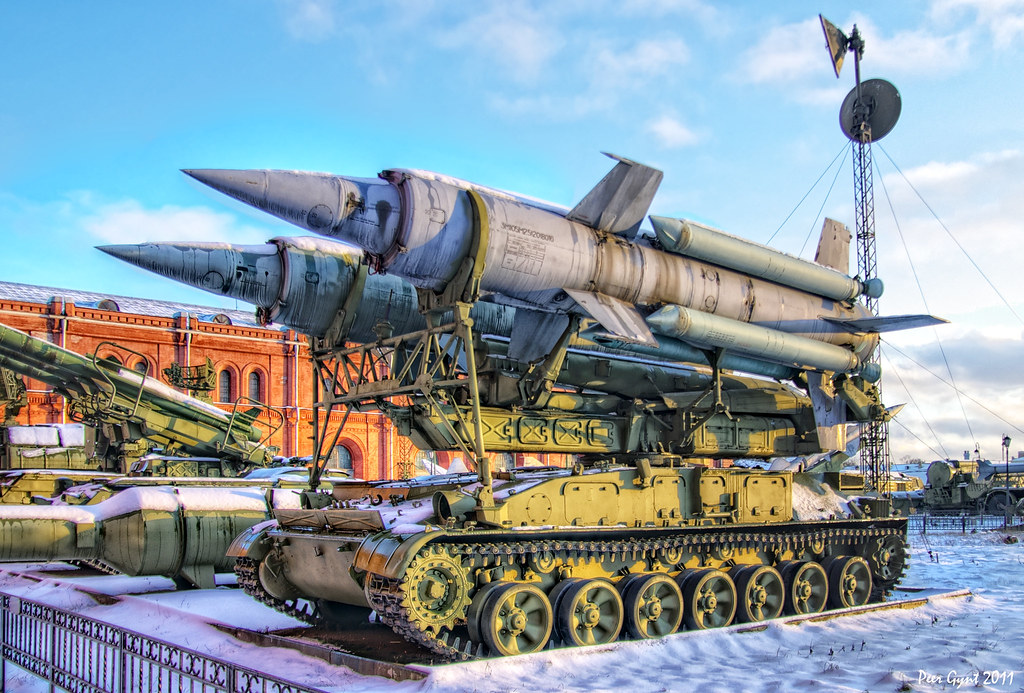
    The deployment of Russian missiles in Poland has raised significant concerns among NATO allies regarding regional security. Analysts argue that the presence of Russian missiles in Poland represents a grave violation of international agreements and escalates tensions in Eastern Europe.

    By Peer.Gynt via Openverse

    References

    PBS

    Related stories

    Laser Gum Treatment: Proven Way to Improve A1C Levels · Pratap Movie Review: The Worst Prison Drama Unveiled · Shanghai Cooperation Organisation: Proven Benefits of Civilisational Dialogue

  • Russia Oil Refining Capacity: Ukraine Claims Major Damage

    Russia oil refining capacity has been significantly impacted, as Ukraine claims to have taken out more than half of it in recent military actions.

    Overview of the Situation

    In a significant escalation of the ongoing conflict, Ukraine has reported substantial damage to Russia’s oil refining capacity. This development comes as part of Ukraine’s broader strategy to weaken Russia’s energy infrastructure and disrupt its war efforts. According to Ukrainian officials, recent strikes have resulted in the destruction of key facilities, which are crucial for processing crude oil into usable products.

    The impact of these attacks is expected to reverberate throughout the Russian economy, given that oil refining is a critical sector. Analysts suggest that the loss of more than half of Russia’s oil refining capacity could lead to shortages of fuel domestically and hinder Russia’s ability to export oil products on the global market.

    Ukrainian military sources have reported targeting facilities in various regions, indicating a coordinated campaign aimed at crippling Russia’s oil supply chain. The implications of this situation are profound, as it not only affects Russia’s energy sector but also has potential ripple effects on global oil prices and supply stability.

    As the conflict continues, monitoring the changes in Russia’s oil refining capacity will be essential to understanding its broader economic ramifications.

    Impact on Global Oil Prices

    The ongoing conflict between Ukraine and Russia has led to significant disruptions in the energy sector, particularly affecting Russia’s oil refining capacity. Analysts suggest that the impact on global oil prices could be substantial as these developments unfold.

    With Ukraine claiming to have severely damaged over half of Russia’s oil refining capacity, the ramifications are being felt worldwide. Many countries rely on Russian oil, and any reduction in available supply can lead to volatility in the market.

    Experts have noted that the decrease in refining capacity may prompt a surge in oil prices as demand outstrips supply. In addition, countries dependent on Russian crude may have to seek alternative sources, further complicating the global energy landscape.

    The potential increase in prices is a cause for concern not only for consumers but also for industries that rely heavily on oil for production and transportation. Governments and businesses alike are closely monitoring the situation as they prepare for potential shifts in the market caused by these developments.

    As the situation evolves, the interplay between geopolitical events and oil prices will remain a critical focus for economists and policymakers around the world.

    Military Strategies Employed

    In the ongoing conflict, Ukraine has adopted a series of military strategies aimed at crippling Russia’s oil refining capacity. According to Ukrainian officials, targeted strikes have significantly impaired the operational capabilities of several key refineries across the nation.

    Among the strategies employed are:

    • Precision Strikes: Utilizing advanced missile technology, Ukrainian forces have launched precision strikes on strategic oil facilities, leading to substantial damage and operational downtime.
    • Disruption of Supply Lines: By targeting transportation routes and supply depots, Ukraine has effectively disrupted the logistics of oil distribution, further hampering Russia’s ability to sustain its refining operations.
    • Cyber Warfare: Cyber attacks have also been reported, aiming to disrupt the technological infrastructure that supports oil refining operations, creating additional challenges for Russian engineers.

    These military tactics are part of a broader strategy to weaken Russia’s economic foundations, especially its energy sector, which plays a crucial role in funding the ongoing military efforts.

    As the situation evolves, the effectiveness of these strategies will continue to shape not only the conflict but also the global oil market and prices.

    Responses from Russia

    In response to Ukraine’s claims of significant damage to its oil refining capacity, the Russian government has issued a series of statements denying the extent of the impact. Officials assert that while some facilities have suffered damage, the overall operational capacity remains intact. A spokesperson for the Russian Ministry of Energy highlighted that the country has multiple backup systems in place to ensure continued oil production and refining.

    Moreover, analysts within Russia suggest that the reported figures from Ukraine may be exaggerated. They argue that the country’s oil refining capacity is resilient and can adapt to operational challenges. Russian oil companies are reportedly exploring alternative refining strategies to mitigate the effects of any targeted attacks, ensuring a steady supply of fuel to domestic and international markets.

    In addition to denying the claims, Russia is also focusing on enhancing its security measures around critical infrastructure. This includes deploying additional military resources to protect key oil facilities. As the situation evolves, stakeholders remain concerned about the long-term implications for Russia’s oil refining capacity and its ability to meet global demand.

    International Reactions

    International reactions to Ukraine’s claims regarding the damage to Russia’s oil refining capacity have been swift and varied. Many Western nations have expressed support for Ukraine, viewing the strikes as a significant escalation in the ongoing conflict.

    Several key points have emerged in the international dialogue:

    • Support for Ukraine: Countries such as the United States and members of the European Union have praised Ukraine’s military strategies, suggesting that targeting oil infrastructure is a legitimate means of weakening Russia’s war efforts.
    • Concerns over Energy Security: Some nations are worried about the potential disruptions in global oil markets. With Russia being a major player in oil production, any significant reduction in its oil refining capacity could lead to increased oil prices worldwide.
    • Calls for Diplomacy: While many celebrate Ukraine’s military successes, others urge for a renewed focus on diplomatic solutions to avoid further escalation of the conflict.

    As the situation evolves, the international community continues to monitor the implications of Ukraine’s actions on Russia’s oil refining capacity and the broader geopolitical landscape.

    Future Implications

    The recent claims by Ukraine regarding the significant damage to Russia’s oil refining capacity may have long-lasting implications for both the regional and global energy landscape. As the conflict continues, the ability of Russia to process crude oil into usable products could be severely hindered, leading to a potential decrease in its revenue from oil exports.

    Analysts suggest that the reduction in refining capacity could result in a shift in the dynamics of oil supply and demand. Some potential implications include:

    • Increased Energy Prices: A drop in Russian refined oil products could tighten global supply, driving prices upward.
    • Changes in Trade Relationships: Countries reliant on Russian oil may seek alternative suppliers, reshaping international energy alliances.
    • Investment in Alternative Energy: Nations may accelerate their transition to renewable energy sources, seeing a strategic opportunity in reduced Russian influence.
    • Impact on Domestic Markets: A decline in available refined products could lead to shortages and economic instability within Russia itself.

    As the situation evolves, the future of Russia’s oil refining capacity remains uncertain, with potential ramifications that could extend well beyond the conflict itself.

    Conclusion

    In conclusion, the significant damage claimed by Ukraine to Russia’s oil refining capacity has broad implications for the global energy landscape. This development not only affects Russia’s ability to produce refined oil products but also poses challenges for the stability of international oil prices. As the conflict continues, the disruption in Russia’s refining capabilities could lead to a tightening of supply in an already volatile market.

    Furthermore, the military strategies employed to target these facilities indicate a shift in Ukraine’s approach, aiming to undermine Russia’s economic stability alongside its military efforts. The international community remains watchful, as responses from Russia are likely to escalate tensions further.

    As more nations express their solidarity with Ukraine, the potential for increased sanctions against Russia looms. The future implications of this situation may reshape energy strategies worldwide, with countries seeking to diversify their oil sources and reduce dependence on Russian products.

    Overall, the developments surrounding Russia’s oil refining capacity underscore the interconnected nature of military actions and global economics, highlighting the need for continued attention to this evolving crisis.

    Recent reports indicate that the ongoing conflict has significantly impacted Russia oil refining capacity, leading to concerns over fuel supply shortages. Analysts suggest that Ukraine’s strategic strikes could further diminish Russia oil refining capacity in the coming months.

    References

    More on this site