Australia vs Afghanistan live stream is available for cricket fans eager to catch the action from the Hong Kong Sixes 2026 final. Enjoy live scores, commentary, and highlights.
How to Watch Australia vs Afghanistan Live Stream
For cricket fans eager to catch the action, the Australia vs Afghanistan live stream is easily accessible. Whether you are at home or on the go, there are multiple platforms offering live coverage of this exciting match.
To ensure you don’t miss a moment, consider the following options:
Streaming Services: Several subscription-based services provide live streaming of cricket matches. Check platforms like ESPN+ and Willow TV for potential coverage.
Official Websites: The official websites of the Australian and Afghan cricket boards may also offer live streaming or updates.
Social Media: Follow the official cricket accounts on platforms like Twitter and Facebook for live commentary and updates.
Mobile Apps: Download cricket apps that offer live scores, commentary, and highlights. Look for apps from ESPN Cricinfo and the ICC.
With these options, you can easily enjoy the Australia vs Afghanistan match wherever you are!
Key Players to Watch in the Final
As Australia prepares to face Afghanistan in the highly anticipated final of the Hong Kong Sixes 2026, fans are eager to catch every moment of the action through the Australia vs Afghanistan live stream. Several key players are expected to make a significant impact in this match.
David Warner: Known for his explosive batting, Warner is a vital player for Australia and can change the game within a few overs.
Rashid Khan: The Afghan spinner is renowned for his wicket-taking ability and can trouble even the best of batsmen.
Pat Cummins: As Australia’s captain and a leading fast bowler, Cummins will play a crucial role in leading his team and executing key strategies.
Hashmatullah Shahidi: The Afghan middle-order batsman has been in good form and can anchor the innings for his side.
With these players in action, the match promises to be an exciting showcase of talent and skill. Don’t miss out on the Australia vs Afghanistan live stream to witness the drama unfold.
Australia vs Afghanistan Live Stream Details
The highly anticipated match between Australia and Afghanistan in the Cup Final of the Hong Kong Sixes 2026 is set to captivate cricket fans worldwide. For those eager to catch the action, there are several options to watch the Australia vs Afghanistan live stream.
Fans can tune in through various platforms that offer live broadcasts and comprehensive coverage. Here are some details to keep in mind:
Time: The match is scheduled to begin at 7:00 PM (local time), so ensure you adjust for your time zone.
Streaming Services: Major streaming services such as ESPN+ and Willow TV will provide live coverage in the USA and Canada.
Mobile Apps: Consider downloading the official apps of these networks for on-the-go viewing.
Internet Connection: A stable internet connection is essential for a seamless viewing experience.
Don’t miss out on the chance to witness this exciting clash by accessing the Australia vs Afghanistan live stream.
Cricket Highlights and Analysis
The highly anticipated match between Australia and Afghanistan at the Hong Kong Sixes 2026 promises to deliver unforgettable moments for cricket fans. As both teams prepare to clash in this exciting final, fans can look forward to thrilling plays and strategic maneuvers that define top-tier cricket.
In the lead-up to the match, various platforms will provide comprehensive coverage, including live scores, ball-by-ball commentary, and highlights through the Australia vs Afghanistan live stream. This allows supporters to catch every critical moment as it unfolds.
Some key highlights to watch for include:
Powerful batting displays from both sides, showcasing their strengths and strategies.
Outstanding bowling performances that could turn the tide in crucial moments.
Dramatic catches and fielding efforts that often define the outcome of tightly contested matches.
Fans can expect a match filled with excitement and skill, making it a must-watch event in the cricketing calendar.
Kura Oncology stock is receiving positive attention from Bank of America Securities. The financial institution has reiterated its buy recommendation, highlighting the company’s potential for growth.
Kura Oncology Stock Overview
Kura Oncology, a clinical-stage biopharmaceutical company, is at the forefront of developing innovative therapies for cancer treatment. With a strong focus on precision medicine, Kura is exploring novel approaches to target specific mutations in cancer cells. Recently, Bank of America Securities reaffirmed its “Buy” rating on Kura Oncology stock, citing promising advancements in its clinical trials.
The company’s lead product candidate, ziftomenib, has shown encouraging results in treating acute myeloid leukemia (AML), positioning Kura as a key player in the oncology space. Analysts highlight that the ongoing studies and potential FDA approvals could significantly impact Kura Oncology stock value in the near future.
As Kura continues to make strides in its research and development efforts, investors are closely monitoring its pipeline and financial health. Here are some key points to consider about Kura Oncology stock:
Pipeline Potential: The company has multiple candidates in various stages of clinical trials.
Market Trends: The oncology market is rapidly expanding, providing growth opportunities.
Financial Stability: Kura has secured funding to support its ongoing projects.
Given these factors, Kura Oncology stock may represent a compelling investment opportunity for those looking to diversify their portfolios in the biopharmaceutical sector.
What Did Bank of America Say?
Bank of America Securities recently reiterated its positive stance on Kura Oncology stock, maintaining a “Buy” rating for the biopharmaceutical company. This endorsement comes amid ongoing developments in Kura’s pipeline, particularly its lead drug candidate, which targets various forms of cancer. Analysts at the firm highlighted that Kura’s innovative approaches to treatment could position it well in a competitive market.
In their analysis, Bank of America pointed out several key factors influencing their recommendation:
Strong Clinical Data: The recent clinical trial results have shown promising efficacy rates, which could lead to increased investor confidence.
Market Potential: Kura’s unique therapies address significant unmet needs in oncology, suggesting a substantial market opportunity.
Experienced Management: The leadership team has a proven track record in advancing drug development, which could enhance the company’s growth prospects.
While the biotech sector can be volatile, Bank of America believes that Kura Oncology stock is well-positioned to benefit from its strategic initiatives and innovative treatments. As investors weigh their options, this analysis could influence decisions, especially for those looking to diversify their portfolios with promising biotech stocks.
Is Kura Oncology a Smart Investment?
Investors are increasingly asking whether Kura Oncology stock represents a smart investment opportunity amid a volatile market. The company’s promising drug pipeline and recent endorsements from financial analysts have put it in the spotlight. After a thorough analysis, several factors emerge that could make Kura Oncology an appealing option for investors.
First, the company has shown significant progress in its clinical trials, particularly with its lead drug candidates, which target various cancers. These advancements could lead to new treatment options and potentially bolster revenue in the coming years. Additionally, Kura’s strategic partnerships and collaborations with larger pharmaceutical firms indicate strong industry confidence in its capabilities.
Furthermore, the recent report from Bank of America Securities, which maintains a “Buy” rating on Kura Oncology stock, highlights the analysts’ positive outlook for the company’s future. This endorsement is essential as it reflects the broader market sentiment and could influence investor behavior.
However, potential investors should also consider the inherent risks involved in biotech investments, such as regulatory hurdles and market competition. In conclusion, while Kura Oncology stock appears to have significant upside potential, it is crucial to weigh these opportunities against the risks before making any investment decisions.
Market Reactions to Kura Oncology
Market reactions to Kura Oncology stock have been notably positive following recent updates from analysts. Investors have been closely monitoring the company’s performance, especially after Bank of America reaffirmed its “Buy” rating on the stock. This endorsement has led to a surge in interest among both current and potential shareholders.
Analysts highlight several key factors contributing to the favorable sentiment around Kura Oncology. Among them are:
Strong Pipeline: The company’s robust pipeline of oncology treatments continues to attract attention, with significant advancements reported in clinical trials.
Positive Earnings Forecast: Many analysts predict that Kura’s upcoming earnings will exceed expectations, which could further boost its stock price.
Market Position: Kura Oncology has carved out a unique niche in the oncology market, positioning itself as a formidable player in targeted therapies.
Despite the inherent volatility in biotech stocks, the current enthusiasm surrounding Kura Oncology stock suggests that many investors view it as a compelling opportunity. As analysts continue to provide optimistic financial outlooks, it remains to be seen how this will ultimately influence Kura’s stock performance in the coming months.
U.S.-Iran negotiations are back in focus as Qatari mediators held talks in Tehran aimed at restarting direct discussions between the two nations.
Current Status of U.S.-Iran Negotiations
The current status of U.S.-Iran negotiations remains a topic of significant interest as diplomatic efforts intensify. Recently, Qatari mediators conducted talks in Tehran aimed at revitalizing direct discussions between the United States and Iran. This initiative underscores a collective desire to re-engage in dialogue, particularly in light of previous stalled negotiations.
Key points emerging from the latest talks include:
Increased Diplomatic Engagement: The involvement of Qatari mediators highlights a broader regional effort to facilitate communication and build trust between the two nations.
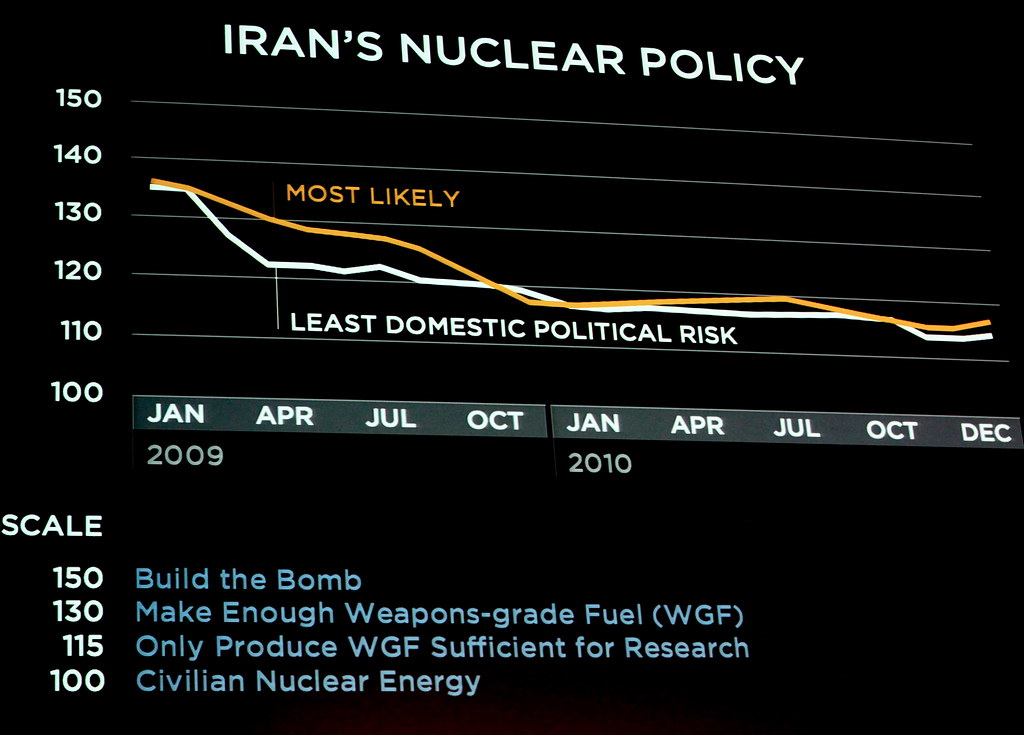
Focus on Nuclear Agreements: Negotiators aim to address longstanding issues surrounding Iran’s nuclear program, which has been a central concern for the U.S. and its allies.
Regional Stability: There is an emphasis on how successful negotiations could contribute to overall stability in the Middle East, potentially easing tensions between neighboring countries.
While challenges remain, the renewed focus on U.S.-Iran negotiations suggests that both sides may be willing to explore avenues for compromise. The upcoming weeks will be crucial for determining whether these discussions yield concrete outcomes, as international observers remain cautiously optimistic.
Role of Qatari Mediators in Talks
Qatar has emerged as a crucial player in the ongoing U.S.-Iran negotiations, with its mediators actively facilitating dialogue between the two nations. Recent reports indicate that Qatari officials held significant talks in Tehran, aimed at restarting direct negotiations, which have been stalled for some time.
The role of Qatari mediators is pivotal for several reasons:
Neutral Ground: Qatar has maintained a relatively neutral stance in the Middle East, allowing it to serve as an effective intermediary.
Established Relationships: The country has built diplomatic ties with both the U.S. and Iran, creating an environment conducive to open dialogue.
Commitment to Peace: Qatar has expressed a strong commitment to regional stability, making its involvement in these negotiations particularly valuable.
By leveraging its unique position, Qatar aims to bridge the gap between the two nations, fostering a clearer path towards proven dialogue. The resumption of talks could lead to a significant thawing of relations, ultimately benefiting both countries and the broader region.
As the situation develops, the effectiveness of Qatari mediation will be closely monitored by international observers, eager to see if it can yield tangible results in the complex landscape of U.S.-Iran relations.
Potential Outcomes of Renewed Dialogue
The renewed dialogue between the U.S. and Iran presents several potential outcomes that could shape the geopolitical landscape. As both nations engage in discussions mediated by Qatar, the prospects of a diplomatic resolution appear more tangible than in recent years.
One of the most significant outcomes could be the establishment of a new nuclear agreement that addresses the concerns surrounding Iran’s nuclear program. Such an agreement might include:
Limitation of Uranium Enrichment: Setting strict limits on Iran’s uranium enrichment activities to ensure compliance with international standards.
Economic Relief: Gradual lifting of sanctions, allowing Iran to reintegrate into the global economy, which could foster stability in the region.
Enhanced Inspections: Allowing international inspectors more access to Iran’s nuclear facilities to build trust and verify compliance.
Moreover, the U.S.-Iran negotiations could lead to broader discussions on regional security issues, including:
Support for Militant Groups: Addressing Iran’s support for groups that threaten U.S. allies in the region.
Regional Alliances: Strengthening alliances among Gulf states to counterbalance Iran’s influence.
In conclusion, the potential outcomes of these negotiations could pave the way for a more stable and peaceful Middle East.
Challenges Ahead for U.S.-Iran Relations
The ongoing U.S.-Iran negotiations face several significant challenges that could hinder progress in establishing a stable dialogue. Despite recent efforts, including mediation by Qatar, the fundamental issues that have historically strained relations remain unresolved.
Among the primary challenges are:
Trust Deficit: Years of animosity and conflicting interests have created a deep-seated distrust between the two nations. Rebuilding this trust will be crucial for any meaningful dialogue to take place.
Regional Tensions: Iran’s involvement in regional conflicts and its nuclear program continue to be major sticking points. These issues complicate not only bilateral negotiations but also involve other regional and global powers.
Domestic Pressures: Both the U.S. and Iran face internal political pressures that may limit their flexibility in negotiations. Hardline factions in both countries could resist compromises necessary for a successful agreement.
Sanctions and Economic Conditions: The U.S. sanctions on Iran have had lasting effects on its economy, fueling resentment and complicating the negotiation landscape.
Addressing these challenges will require patience, strategic diplomacy, and a commitment to finding common ground in the U.S.-Iran negotiations.
China data Taiwan has raised concerns about the implications for regional security. Recent reports suggest that China is gathering crucial information that could enhance its military capabilities in the Taiwan Strait, prompting fears of increased tensions.
Understanding China’s Data Strategy
Understanding China’s data strategy is crucial for assessing its implications for regional stability, particularly in relation to Taiwan. China’s approach to data collection involves a multi-faceted strategy aimed at enhancing its military capabilities and influence in the region.
Recent reports indicate that China has been actively gathering information that could significantly aid its forces in the waters around Taiwan. This data acquisition includes:
Surveillance technologies: Utilizing advanced sensors and drones to monitor naval movements.
Cyber operations: Launching cyberattacks to infiltrate Taiwanese defense systems and gather sensitive information.
Public data analysis: Analyzing social media and public communications to gauge public sentiment and political trends in Taiwan.
The implications of China’s data strategy could lead to heightened tensions, making the situation around Taiwan increasingly precarious.
Implications for Taiwan’s Security
The implications of China’s data strategy on Taiwan’s security are profound and alarming. With the increasing collection of data related to Taiwan, there are several key concerns that arise:
Heightened Tensions: The accumulation of sensitive information can lead to escalated military posturing from China, increasing the risk of miscalculation.
Cybersecurity Threats: Taiwan may face enhanced cyberattacks, aimed at destabilizing its governmental and infrastructural systems.
Intelligence Advantages: Access to real-time data could provide China with strategic advantages in any potential conflict, undermining Taiwan’s defense capabilities.
International Relations: The situation complicates Taiwan’s diplomatic efforts, as allies may hesitate to support a nation increasingly vulnerable to Chinese data exploitation.
In essence, China’s data strategy regarding Taiwan presents a formidable challenge to the island’s security and regional stability.
Regional Reactions to China’s Actions
In response to China’s data collection efforts regarding Taiwan, regional reactions have been swift and varied. Many nations express deep concern over the implications of such actions for regional stability.
Japan: Officials have highlighted the potential threat to their national security, urging stronger alliances with other neighboring countries.
United States: The U.S. has reiterated its commitment to defending Taiwan, viewing China’s data strategy as a significant escalation in its military posture.
South Korea: Korean leaders are calling for increased cooperation among regional powers to counteract China’s influence.
ASEAN Nations: Several members of ASEAN have expressed unease, advocating for a multilateral approach to address the challenges posed by China’s actions around Taiwan.
As the situation unfolds, it is clear that China’s data strategy is reshaping the geopolitical landscape, prompting urgent discussions on collective security measures.
The Role of Technology in Modern Warfare
The role of technology in modern warfare has become increasingly significant, especially in the context of China data Taiwan. Advanced technologies, such as artificial intelligence and big data analytics, are reshaping military strategies and operational capabilities. China has been actively harnessing these tools to gather intelligence and enhance its military preparedness around Taiwan.
This technological arms race has profound implications for regional stability, as nations evaluate their defense mechanisms in response to China’s data-driven approach. The integration of surveillance systems and cyber capabilities allows for real-time data collection, giving China’s forces a strategic advantage.
Moreover, the potential for misinformation and psychological operations amplifies the risks associated with technological warfare. As countries navigate this complex landscape, the balance of power in the Taiwan Strait is increasingly influenced by the ability to leverage technology for both offensive and defensive strategies.
Historical Context of Taiwan-China Relations
The historical context of Taiwan-China relations is marked by a complex interplay of political, military, and cultural factors. Since the end of the Chinese Civil War in 1949, Taiwan has operated as a separate entity, with its own government and democratic institutions, while China views Taiwan as a breakaway province.
This long-standing tension has escalated in recent years, particularly with China’s increasing military presence in the region. The acquisition of data related to Taiwan by China has raised significant concerns about the potential for conflict.
Historical grievances stemming from the Civil War.
International recognition and support for Taiwan.
Economic ties that complicate diplomatic relations.
Understanding the historical context is crucial to grasping the implications of China’s data strategy regarding Taiwan.
International Community’s Response
The international community has expressed deep concern regarding China’s data strategy in relation to Taiwan. Several nations have condemned the collection of sensitive information that may bolster China’s military capabilities in the region.
Key responses include:
The United States: Voiced strong opposition to China’s actions, emphasizing the need for a unified stance to protect Taiwan’s sovereignty.
European Union: Issued a statement highlighting the importance of data privacy and the risks posed by China’s aggressive strategies.
Japan: Increased its surveillance efforts in the Taiwan Strait, reinforcing its commitment to regional stability.
Experts argue that the international community must work together to formulate a robust strategy to counter China’s data collection efforts, as the implications for Taiwan’s security and the broader region are profound.
Future Scenarios for the Taiwan Strait
The Taiwan Strait remains a focal point for potential conflict, influenced significantly by China’s data strategy. As both military and civilian data collection intensifies, several future scenarios could unfold.
Increased Tensions: With China leveraging data to enhance its military capabilities, the likelihood of confrontations in the Taiwan Strait could rise.
Heightened Cyber Warfare: A more sophisticated cyber landscape may emerge, leading to increased espionage and cyberattacks aimed at destabilizing Taiwan.
International Intervention: Should the situation escalate, we may see a united response from allies aimed at maintaining regional stability.
Diplomatic Negotiations: Alternatively, there could be a push for dialogue, as nations recognize the need for peace to avoid escalating military actions.
Understanding these scenarios is crucial for assessing the implications of China’s data strategies on Taiwan and the broader region.
Conclusion and Key Takeaways
In conclusion, the strategic approach of China regarding data collection related to Taiwan reveals significant challenges for regional stability. As the tension escalates, the implications for Taiwan’s security become increasingly concerning, with potential repercussions extending beyond its borders.
Key takeaways from the analysis include:
Increased Military Readiness: China’s data strategy enhances its military capabilities, posing a direct threat to Taiwan.
International Response: The global community must remain vigilant and united against aggressive data collection tactics.
Technological Advancements: The role of technology in modern warfare necessitates an urgent need for Taiwan to bolster its defenses.
Long-term Stability: Sustainable peace in the Taiwan Strait requires dialogue and cooperation among regional stakeholders.
The ongoing situation underscores the need for a comprehensive strategy to address the complexities of China’s data initiatives concerning Taiwan.
As tensions rise in the region, the release of new China data Taiwan reveals alarming trends that could destabilize the delicate balance of power. Analysts warn that misinterpreting this China data Taiwan could lead to misguided policies that exacerbate conflicts rather than promote peace.
Investment-grade rating is becoming a point of contention for Anthropic as Blackstone informs investors about potential challenges following the IPO.
Understanding Investment-Grade Ratings
Investment-grade ratings are crucial indicators of a company’s creditworthiness, often influencing investor decisions and capital flows. These ratings, assigned by credit rating agencies, signify that a company has a low risk of defaulting on its debt obligations.
However, the perception of safety associated with investment-grade ratings can be misleading. As seen in the recent discussions surrounding Anthropic’s potential IPO, the reliability of these ratings is being questioned. Blackstone’s cautionary stance highlights a growing concern that companies may not always maintain their ratings post-IPO.
Investors should consider several factors when evaluating the significance of an investment-grade rating:
Market Conditions: Economic fluctuations can impact a company’s credit profile.
Financial Health: A thorough analysis of financial statements is essential.
Industry Trends: Sector-specific challenges can affect stability.
Ultimately, while investment-grade ratings can provide a sense of security, they should not be the sole factor in investment decisions.
Anthropic’s IPO Journey
Anthropic’s journey towards its initial public offering (IPO) has raised significant concerns among investors regarding its potential to achieve an investment-grade rating. According to reports from Blackstone, the company may struggle to secure this coveted status, which is often seen as a marker of financial stability and lower risk.
The implications of not obtaining an investment-grade rating could be profound for Anthropic, affecting its ability to attract investments and grow. Investors are increasingly cautious, weighing the risks against the potential returns in a volatile market.
Key points on Anthropic’s IPO journey include:
Increased scrutiny from potential investors
Challenges in demonstrating financial resilience
The impact of market conditions on valuation
As the IPO date approaches, the stakes have never been higher for the company.
Blackstone’s Warning to Investors
In a recent statement, Blackstone has raised concerns about the potential risks associated with investment-grade ratings, particularly in the context of Anthropic’s upcoming IPO. The firm emphasized that securing such a rating might not be as beneficial as it appears.
According to Blackstone, investors should consider the following points before placing their bets on companies seeking investment-grade ratings:
Market Volatility: The stability of investment-grade ratings can be influenced by unpredictable market conditions.
Credit Risk: There is always a possibility that companies may struggle to maintain their ratings, which can lead to significant losses.
Long-Term Viability: Focusing solely on ratings may overlook deeper issues affecting a company’s long-term prospects.
Blackstone’s caution serves as a reminder for investors to conduct thorough research and consider broader economic implications before investing in companies with uncertain ratings.
Potential Impacts on Anthropic
The potential impacts on Anthropic following its IPO are significant, particularly concerning its quest for an investment-grade rating. Blackstone’s warning to investors highlights the uncertainty surrounding the company’s financial stability and future growth prospects.
Without securing an investment-grade rating, Anthropic may face several challenges:
Higher Borrowing Costs: A lack of an investment-grade rating could lead to increased interest rates on loans, affecting overall profitability.
Investor Confidence: Investors often view investment-grade ratings as a benchmark for risk; a downgrade could deter potential backers.
Market Perception: The absence of a solid rating might lead to negative perceptions in the market, impacting stock performance post-IPO.
As Anthropic prepares for its public debut, navigating these risks will be crucial for its long-term success.
Market Reactions to IPO News
Market reactions to the news surrounding Anthropic’s potential IPO have been mixed, raising questions about the viability of achieving an investment-grade rating. Investors are particularly concerned following Blackstone’s warning, which suggests that the company’s financial health post-IPO may not align with the expectations of an investment-grade status.
Several market analysts have expressed skepticism, emphasizing the risks associated with investing in companies that may not secure such a rating. They argue that a lack of investment-grade rating could lead to higher borrowing costs and decreased investor confidence.
Volatility in stock prices has been noted since the IPO announcement.
Many investors are reconsidering their positions in light of the new information.
Concerns about future profitability are paramount among analysts.
As the market continues to react, the implications of Anthropic’s IPO will unfold in real time.
Future Outlook for Anthropic
The future outlook for Anthropic remains uncertain as the company prepares for its IPO. Despite ambitions for growth, analysts caution that securing an investment-grade rating may be a significant challenge. This rating is crucial for attracting conservative investors who prioritize risk management.
Blackstone’s recent warnings highlight the potential pitfalls of investing in Anthropic without this rating. Investors are advised to consider the following factors:
Market Conditions: Current economic uncertainties may influence investor confidence.
Competitive Landscape: Anthropic faces stiff competition, which could hinder its growth potential.
Regulatory Environment: Any changes in regulations could impact the company’s operations and financial stability.
As the IPO date approaches, the pressures of securing an investment-grade rating will weigh heavily on Anthropic’s leadership and their strategic decisions.
What Investors Should Know
As investors navigate the complexities surrounding Anthropic’s upcoming IPO, it is crucial to understand the implications of an investment-grade rating. This rating signals a low risk of default, which can attract a wider range of investors and potentially lower borrowing costs. However, the recent warnings from Blackstone have raised concerns about whether Anthropic will achieve this status.
Investors should consider the following points:
Market Volatility: The potential for market fluctuations can impact the perceived stability of an investment-grade rating.
Company Performance: Anthropic’s financial health and operational performance are critical factors in determining creditworthiness.
Long-Term Strategies: Investors must weigh the long-term benefits against short-term risks associated with IPOs.
Understanding these factors will be essential for making informed investment decisions in the current environment.
By Yu Hwang-Wu Korean language lecturer via Openverse
Indian Oil Q2 Results show a remarkable achievement with record-breaking earnings of Rs 21,630 crore. This performance highlights the company’s effective strategies and market positioning.
Overview of Indian Oil’s Financial Performance
Indian Oil Corporation (IOC) has reported impressive financial performance in its Q2 results, showcasing a remarkable earnings figure of Rs 21,630 crore. This achievement highlights the effectiveness of the company’s strategic initiatives and operational efficiencies throughout the quarter.
The surge in earnings can be attributed to several key factors:
Increased Refinery Margins: IOC benefitted from higher refining margins, which significantly contributed to its overall profitability.
Robust Demand: The steady recovery in fuel demand, particularly post-pandemic, bolstered sales volumes, further enhancing revenue streams.
Cost Management: Strict cost control measures and operational optimizations have played a crucial role in improving margins.
Diversification of Revenue: Indian Oil’s efforts in diversifying its product offerings have also helped stabilize income amidst market fluctuations.
In light of these factors, the Indian Oil Q2 results not only reflect a strong performance but also signify the resilience of the company in navigating through challenging market conditions. As the energy sector evolves, IOC’s ability to adapt and implement proven strategies will be essential for sustained growth.
Key Factors Driving Earnings Growth
The recent Indian Oil Q2 Results reveal several key factors contributing to the company’s impressive earnings growth during the quarter. Analysts attribute this success to a combination of strategic initiatives and market dynamics that have positioned Indian Oil favorably within the industry.
Increased Refining Margins: A notable rise in refining margins has significantly boosted profitability. This increase can be traced back to a global upturn in oil demand, coupled with strategic cost management.
Diversification of Product Portfolio: Indian Oil’s commitment to diversifying its product offerings has enabled the company to capture a broader market share, catering to both traditional and emerging energy needs.
Operational Efficiency: Enhanced operational efficiency through technology and innovation has streamlined processes, reducing overhead costs and improving overall output.
Government Support: Favorable government policies and initiatives aimed at promoting oil and gas sectors have played a crucial role in sustaining growth, providing a conducive environment for expansion.
These factors, combined with a robust demand for petroleum products, have culminated in Indian Oil achieving record earnings, further solidifying its position as a leader in the sector.
Market Trends Impacting Indian Oil
The recent Indian Oil Q2 Results have been significantly influenced by prevailing market trends that have shaped the energy sector. Various factors have converged to create a favorable environment for the company, leading to its record-breaking quarterly earnings.
One major trend is the steady rise in global crude oil prices, which has positively impacted the revenue streams of oil marketing companies. Additionally, the increasing demand for petroleum products, driven by economic recovery in key markets, has contributed to robust sales figures.
Refining Margins: Improved refining margins have allowed Indian Oil to capitalize on higher product prices, boosting profitability.
Consumer Demand: A surge in consumer demand for fuel and lubricants, particularly in transportation and industrial sectors, has further strengthened the company’s position.
Strategic Investments: Indian Oil’s strategic investments in expanding its pipeline infrastructure have enhanced its distribution capabilities, ensuring consistent supply to meet market needs.
As a result of these trends, Indian Oil’s leadership has expressed optimism about sustaining this momentum in upcoming quarters, reinforcing their commitment to maintaining operational efficiency and profitability.
Analysis of Revenue Sources
The analysis of revenue sources for Indian Oil in the second quarter reveals a multifaceted approach contributing to its impressive financial performance. The company reported record earnings of Rs 21,630 crore, driven by several key factors.
First, the robust demand for petroleum products has played a significant role. With increased consumption across various sectors, Indian Oil has capitalized on higher sales volumes. Additionally, the company’s strategic pricing policies have allowed it to maintain competitive margins despite fluctuations in global crude prices.
Moreover, Indian Oil’s diversified portfolio of products has enhanced its revenue streams. The company has effectively expanded its operations in petrochemicals and renewable energy, which not only mitigates risks associated with traditional oil revenues but also aligns with emerging market trends towards sustainability.
Furthermore, supply chain efficiencies and operational optimizations have contributed to cost reductions, boosting profitability. Indian Oil’s commitment to infrastructure development has improved its distribution network, ensuring quicker delivery and better customer service.
In conclusion, the Indian Oil Q2 results reflect a combination of strategic planning and market adaptability, positioning the company for sustained growth in an evolving energy landscape.
Future Outlook for Indian Oil
Looking ahead, Indian Oil’s future outlook remains optimistic as the company navigates through a dynamic energy landscape. The remarkable performance in the recent Indian Oil Q2 Results has set a solid foundation for sustained growth, driven by strategic initiatives and market adaptability.
Key areas of focus for the coming quarters include:
Investment in Renewable Energy: Indian Oil plans to enhance its portfolio by investing in renewable energy sources, aligning with global sustainability trends.
Expansion of Infrastructure: Continued investments in refining and distribution infrastructure aim to improve efficiency and meet growing demand.
Technological Innovation: Leveraging advanced technologies will be crucial in optimizing operations and reducing costs.
Geographic Diversification: Expanding presence in international markets can open new revenue streams and mitigate local market risks.
Moreover, tightening regulations and shifting consumer preferences towards cleaner energy solutions present both challenges and opportunities. Indian Oil’s proactive approach in addressing these factors is expected to further bolster its profitability.
As the company prepares for upcoming quarters, maintaining a balance between traditional operations and innovative strategies will be essential for securing its market position and driving future earnings growth.
Comparative Performance with Competitors
In the latest financial quarter, Indian Oil’s performance stood out significantly when compared to its competitors in the oil and gas sector. With its Q2 results showcasing record earnings of Rs 21,630 crore, the company has effectively leveraged its extensive distribution network and refining capabilities. This strategic advantage has allowed Indian Oil to maintain a competitive edge over peers such as Reliance Industries and Bharat Petroleum.
Many analysts have noted that while competitors have faced challenges due to fluctuating crude oil prices, Indian Oil’s diversified portfolio has helped mitigate risks. The company’s focus on refining margins and efficient supply chain management has contributed to its robust financial health.
Key performance indicators reveal that:
Refining Capacity: Indian Oil operates the largest refining capacity in India, which has translated into higher output and profitability.
Market Share: The company has maintained a strong market share in petroleum products, further solidifying its position in the industry.
Innovation: Investment in cleaner fuels and renewable energy initiatives has also positioned Indian Oil favorably against its competitors.
These factors underscore the effectiveness of Indian Oil’s strategies in achieving impressive Q2 results, setting a benchmark in the industry.
The Indian Oil Q2 Results have highlighted the effectiveness of strategic investments in refining and distribution. Analysts believe that the Indian Oil Q2 Results will set a benchmark for the industry moving forward.
Uttarakhand weather forecast shows potential rain and snowfall in the coming days. Residents should prepare for the conditions as an orange alert has been issued for five districts today.
Current Weather Conditions in Uttarakhand
The current weather conditions in Uttarakhand have raised concerns among residents and authorities alike. With the latest Uttarakhand weather forecast indicating severe weather patterns, the state is bracing for an onslaught of rain and snowfall in the coming days.
As per the latest updates, several districts are experiencing heavy precipitation, leading to disruptions in daily life. The meteorological department has issued an orange alert for five districts, warning of possible flooding and landslides due to the intense rainfall.
Key points regarding the current weather conditions include:
Heavy Rainfall: Continuous rainfall is expected, particularly in the higher altitudes.
Snowfall Forecast: Higher elevations may see significant snowfall, impacting travel and local infrastructure.
Temperature Drops: A noticeable drop in temperatures is anticipated, adding to the chill in the air.
Travel Advisory: Authorities are advising caution for travelers, especially in hilly areas.
Residents are urged to stay informed through local weather updates and prepare for potential disruptions as the forecast unfolds.
Impact of Rain and Snowfall
The recent weather forecast for Uttarakhand indicates significant challenges as heavy rain and snowfall are expected to impact various regions over the coming days. The Uttarakhand weather forecast has raised concerns, prompting an orange alert in five districts due to the anticipated adverse conditions.
Residents are advised to prepare for the following potential impacts:
Road Travel Disruptions: Continuous rainfall and snowfall may lead to slippery roads and reduced visibility, making travel hazardous.
Flash Flood Risks: With the ground already saturated from previous precipitation, the likelihood of flash floods increases, particularly in hilly areas.
Power Outages: Heavy snow accumulation could result in downed power lines, leading to outages in affected regions.
Agricultural Damage: Farmers may face threats to crops from excessive moisture and prolonged snow cover, impacting their yields.
Authorities urge residents to stay updated with the latest Uttarakhand weather forecast and heed any warnings issued by local meteorological services. Safety measures should be prioritized as conditions may worsen in the coming days.
Orange Alert Details for Five Districts
The Uttarakhand weather forecast has prompted authorities to issue an orange alert for five districts due to anticipated severe weather conditions. The districts affected include:
Dehradun
Nainital
Udhamsingh Nagar
Champawat
Pithoragarh
This alert indicates a likelihood of heavy rainfall and snowfall, which could lead to hazardous conditions such as landslides and road blockages. Residents are urged to remain cautious and stay updated on the latest weather forecasts. The meteorological department expects these extreme weather events to last for several days, resulting in significant impacts on daily life and travel.
In light of these developments, local authorities are preparing emergency response measures to address potential disruptions. Schools and outdoor activities may face cancellations, and people are encouraged to limit unnecessary travel during this period. The Uttarakhand weather forecast serves as a reminder of the region’s vulnerability to climatic changes, and communities are advised to take precautions to stay safe.
Safety Tips for Residents
As Uttarakhand faces severe weather conditions, residents are urged to take necessary precautions to ensure their safety. With the current weather forecast indicating heavy rain and snowfall, it is essential to stay prepared. Here are some safety tips for residents:
Stay Informed: Regularly check the Uttarakhand weather forecast to receive updates on changing conditions.
Avoid Travel: If possible, refrain from traveling during the peak of the storm to avoid hazardous road conditions.
Secure Your Property: Ensure that windows and doors are properly sealed, and clear any debris from gutters to prevent flooding.
Emergency Kit: Prepare an emergency kit containing food, water, flashlights, and medical supplies in case of power outages.
Plan Ahead: Have a plan in place for your family in case of severe weather emergencies, including a designated meeting spot.
Stay Indoors: During heavy rain and snowfall, it is safer to stay indoors and avoid any outdoor activities.
By following these tips, residents can better protect themselves and their families during the challenging weather conditions expected in Uttarakhand.
Forecast for the Upcoming Days
The Uttarakhand weather forecast for the upcoming days indicates a continuation of severe weather conditions as heavy rain and snowfall are expected across the region. Meteorological departments warn residents to brace for potential disruptions due to the adverse conditions.
According to reports, the following weather patterns are anticipated:
Rainfall: Persistent rainfall is expected to begin in the northern and eastern parts of Uttarakhand, with heavier showers forecasted in the afternoon.
Snowfall: Higher altitudes, particularly in the Kumaon and Garhwal regions, are likely to experience significant snowfall, leading to possible road closures.
Temperature Drops: A noticeable drop in temperatures is forecasted, contributing to colder conditions and increasing the risk of frost.
Residents are advised to stay updated with the latest weather alerts and take necessary precautions, especially if traveling in mountainous areas. Authorities are monitoring the situation closely and will provide further updates as conditions evolve. The impact of these weather patterns could pose challenges for local communities, particularly those reliant on agriculture and tourism.
Historical Weather Patterns in Uttarakhand
Uttarakhand has a diverse climate influenced by its topography, which leads to significant variations in weather patterns throughout the year. Historically, the region experiences heavy rainfall during the monsoon season, which typically spans from June to September. The state is also known for receiving snowfall in the higher altitudes, particularly in winter months from December to February.
These weather patterns are crucial for understanding the current Uttarakhand weather forecast. In recent years, the state has witnessed erratic weather events that have disrupted traditional seasonal cycles. For instance, unseasonal rainfalls and snowfall have been reported, causing concerns among local farmers and residents.
Climate change has also impacted these historical weather patterns, leading to unpredictable rainfall and snow levels. Additionally, the increasing frequency of extreme weather events poses challenges for disaster management in the region.
Looking back, the patterns of rainfall and snowfall have been essential for agriculture and water resources in Uttarakhand. However, with the current forecasts indicating severe weather conditions, it becomes vital for residents to stay informed and prepared for any adverse effects.
Conclusion and Preparedness
In conclusion, the Uttarakhand weather forecast indicates significant precipitation in the coming days, with both rain and snowfall expected to impact various regions across the state. Residents are urged to stay informed and take necessary precautions to ensure their safety during this adverse weather period.
As the state prepares for potentially severe weather conditions, it is essential for individuals and families to remain vigilant. Authorities recommend the following preparedness measures:
Stay updated with the latest weather forecasts and alerts from reliable sources.
Secure your property by checking roofs, gutters, and drainage systems to prevent water accumulation.
Have an emergency kit ready, including essentials like food, water, medical supplies, and flashlights.
Plan for potential power outages by keeping mobile phones charged and having backup power sources.
Limit travel during severe weather; if you must travel, ensure your vehicle is equipped for winter conditions.
By following these guidelines, residents can better navigate the challenges posed by the upcoming weather events and protect themselves and their communities effectively.
The Uttarakhand weather forecast indicates that residents should brace for severe conditions over the coming days. Authorities are urging caution as the Uttarakhand weather forecast predicts heavy rain and snow in various regions.
Canada associate membership is being advocated by Carney and top EU officials as a strategic response to the growing threats posed by Trump. This initiative seeks to enhance international cooperation and stability.
The Push for Canada Associate Membership
In recent discussions, prominent figures including Mark Carney and a senior EU official have advocated for a Canada associate membership within the European Union as a strategic move to bolster alliances against potential threats posed by the Trump administration. This initiative aims to strengthen ties between Canada and Europe, fostering closer economic and political cooperation.
The push for Canada to gain associate membership has been fueled by concerns over fluctuating U.S. policies and the need for like-minded nations to unite. Key benefits of this proposed membership include:
Enhanced Trade Opportunities: Canada could gain preferential access to European markets, benefiting both economies.
Shared Resources: Collaborative efforts on climate change and security can be prioritized.
Political Stability: Aligning with the EU may provide a counterbalance to the unpredictability of U.S. foreign policy.
This proposal reflects a growing sentiment that Canada must seek new partnerships to ensure its national interests are protected. By joining forces with Europe, Canada could not only safeguard its own future but also contribute to a stronger, more united front against any external challenges that may arise.
Understanding the EU’s Strategy
In response to rising geopolitical tensions, the European Union is strategically considering its partnerships with countries like Canada. Understanding the EU’s strategy involves recognizing the significance of Canada associate membership in bolstering collective security and economic stability.
The EU has identified Canada as a key ally, particularly in the context of potential threats posed by unpredictable political shifts in the United States. Several factors illustrate why this alliance is essential:
Shared Values: Both the EU and Canada prioritize democracy, human rights, and environmental sustainability, aligning their long-term goals.
Economic Partnership: Canada associate membership could enhance trade agreements, benefiting both economies through reduced tariffs and increased market access.
Security Collaboration: Strengthening defense ties will enable Canada and the EU to better respond to global challenges, from cyber threats to military conflicts.
As discussions continue, the EU aims to solidify its global standing while ensuring that Canada plays a pivotal role in a cooperative future. By fostering this partnership, the EU hopes to mitigate risks associated with changing U.S. policies and reinforce its commitment to international alliances.
Implications of a Wider Alliance
The implications of Canada associate membership in a wider alliance extend beyond mere diplomatic ties. As global politics evolve, particularly in response to the unpredictable nature of U.S. leadership, Canada’s role within this framework becomes crucial.
By aligning more closely with the European Union and other nations, Canada can enhance its influence on international policies that directly affect its interests. This strategic partnership is designed to address several key areas:
Economic Stability: Strengthening trade relationships can mitigate the risks associated with fluctuating U.S. policies.
Security Cooperation: A united front can more effectively counteract threats that arise from aggressive foreign policies.
Cultural Exchange: Enhanced collaboration promotes shared values and mutual understanding among member nations.
Moreover, the Canada associate membership initiative signifies a proactive approach to building resilience against potential economic and political instability. By fostering stronger ties with Europe and other allies, Canada aims to safeguard its interests while contributing to a more balanced global order.
Ultimately, this move not only represents a defensive strategy but also an opportunity for Canada to assert its voice on the world stage, ensuring that its values and priorities are recognized in the face of external challenges.
Carney’s Role in the Initiative
Mark Carney, the former governor of the Bank of England and a prominent figure in global finance, is playing a crucial role in advocating for Canada’s associate membership in the European Union. As a leading voice within the EU, Carney has emphasized the importance of strengthening alliances to counter emerging threats, particularly those stemming from the policies of former U.S. President Donald Trump.
In recent discussions, Carney has outlined how Canada’s associate membership could serve as a strategic advantage in fostering closer ties with European nations. He argues that such a partnership would not only enhance economic collaboration but also create a united front against potential geopolitical instability.
Carney’s vision includes a robust framework for cooperation, focusing on key areas such as trade, climate change, and security. By positioning Canada alongside European allies, he believes that it can leverage its resources and expertise more effectively.
In the context of shifting global dynamics, Carney’s initiative for Canada associate membership reflects a proactive approach. This move aims to ensure that Canada remains a key player on the world stage, while also reinforcing the values of democracy and cooperation that both Canada and Europe champion.
Potential Benefits for Canada
The potential benefits for Canada in pursuing associate membership in the European Union are manifold. By strengthening ties with European nations, Canada can enhance its global standing and influence, particularly in response to rising protectionism and nationalism spearheaded by figures like former President Trump.
One of the most significant advantages is the opportunity for Canada to secure trade agreements that could lead to increased market access for Canadian goods and services. With the EU being one of the largest economies in the world, Canada could see substantial economic growth through reduced tariffs and enhanced collaboration.
Moreover, Canada associate membership could foster deeper diplomatic relationships with EU countries, promoting shared values of democracy, human rights, and environmental sustainability. This alignment would not only bolster Canada’s international reputation but also provide a united front against any unilateral actions taken by the U.S.
Increased Trade Opportunities: Access to EU markets can boost Canadian exports significantly.
Strengthened Alliances: Enhanced cooperation on global issues such as climate change and security.
Cultural Exchange: Opportunities for greater cultural ties and mutual understanding between Canada and Europe.
In summary, the prospect of Canada associate membership represents a strategic move to navigate the complexities of modern geopolitics while solidifying Canada’s role as a global leader.
Challenges Ahead for the Alliance
As Canada seeks to strengthen its position on the global stage through a potential associate membership, several challenges loom ahead for the alliance. Navigating the complexities of international relations requires a nuanced approach, especially when political climates shift dramatically, as they have with the recent rise of populist sentiments in various countries.
One major challenge is the varying priorities of existing EU member states, each with its own economic and political agendas. This divergence can lead to resistance against expanding the alliance to include Canada as an associate member, as some countries may fear diluting their influence or resources in negotiations.
Additionally, the relationship between Canada and the United States is another critical factor. With the unpredictable nature of U.S. foreign policy under the Trump administration, many European nations are wary of alienating their closest ally. They may question whether a Canada associate membership might provoke backlash or tension with the U.S.
Lastly, internal divisions within Canada itself could pose challenges. Public opinion is not uniform, and gaining widespread support for this initiative may be difficult. Stakeholders must engage in meaningful dialogue to address concerns and highlight the potential benefits of Canada’s associate membership in the face of these hurdles.
Global Reactions to the Proposal
The proposal for Canada associate membership has garnered mixed reactions from global leaders and analysts. Supporters argue that it represents a proactive step towards fostering stronger international alliances amidst rising geopolitical tensions.
Several European officials have expressed optimism about the initiative, emphasizing that Canada’s inclusion could enhance collaborative efforts on trade, climate change, and security. Notably, a senior EU diplomat stated, “Canada’s associate membership would not only solidify ties with Europe but also serve as a counterweight to unpredictable political dynamics, particularly those stemming from the United States.”
Conversely, critics caution against the potential risks of over-reliance on international partnerships. Some analysts fear that aligning closely with the EU could complicate Canada’s relationship with its southern neighbor, especially in light of recent tensions caused by former President Trump’s policies.
Furthermore, there are concerns about the implications of Canada taking a more pronounced role in European affairs. As one political commentator noted, “Canada must navigate this landscape carefully to avoid alienating key allies at home.”
Despite the challenges, the global response underscores a recognition of Canada’s strategic importance in the evolving geopolitical landscape.
Canada associate membership offers a strategic advantage in navigating the uncertainties posed by Trump’s policies. By strengthening ties with allies, Canada associate membership could enhance economic stability and security in the region.
The midair helicopter collision tragically resulted in no survivors near McMinnville Airport. This devastating incident has raised concerns about aviation safety and regulations.
Details of the Midair Helicopter Collision
On a tragic evening near McMinnville Airport, a midair helicopter collision resulted in the loss of all aboard both aircraft. Local authorities reported that the incident occurred shortly after 6 PM, when two helicopters were conducting aerial tours in the same airspace. Eyewitnesses described seeing both helicopters suddenly collide, followed by a fiery descent to the ground.
The Federal Aviation Administration (FAA) and the National Transportation Safety Board (NTSB) have launched an investigation into the circumstances surrounding the midair helicopter collision. Preliminary reports indicate that weather conditions were clear at the time of the crash, raising questions about possible communication failures between the pilots.
Emergency response teams quickly arrived at the scene, but unfortunately, there were no survivors. The victims included experienced pilots and tourists, who were all enjoying what was supposed to be a memorable flight experience. Families and friends of those on board are devastated, mourning the loss of their loved ones.
As the investigation unfolds, authorities are emphasizing the importance of safety regulations and air traffic management. Many in the aviation community are calling for increased awareness and improved protocols to prevent such devastating incidents in the future.
Victims Identified in Tragic Accident
Authorities have identified the victims of the tragic midair helicopter collision that occurred near McMinnville Airport. The two helicopters, which were conducting a scenic flight, collided in clear weather conditions, resulting in the loss of all onboard.
Among the deceased were:
James Miller, 34, a local entrepreneur known for his contributions to the community.
Anna Rivera, 28, a flight instructor who had dedicated her life to aviation.
Mark Thompson, 45, a prominent wildlife photographer who was celebrated for his stunning aerial shots.
Sarah Kim, 30, a recent graduate who was taking her first helicopter ride as a birthday celebration.
Family members of the victims expressed their devastation over the incident. “This is a tragedy that no family should have to endure,” said a spokesperson for Miller’s family. “They were all passionate about flying, and their lives were taken far too soon.” Authorities are continuing to investigate the circumstances surrounding the midair helicopter collision, focusing on the communication between the two pilots and any potential mechanical failures.
As the community mourns, memorials are being planned to honor the lives lost in this heartbreaking accident.
Aviation Safety Measures Under Review
The recent midair helicopter collision near McMinnville Airport has raised significant concerns regarding aviation safety measures currently in place. As investigations unfold, officials are calling for a thorough review of existing protocols to prevent similar tragedies in the future.
Experts in aviation safety emphasize the importance of adhering to stringent regulations designed to ensure the safety of aerial operations. Key areas under scrutiny include:
Air Traffic Control Procedures: Evaluating communication systems between helicopters and air traffic controllers to enhance situational awareness.
Pilot Training Standards: Assessing whether current training adequately prepares pilots to avoid midair collisions.
Flight Path Monitoring: Investigating the effectiveness of technology used to track helicopter movements in congested airspace.
Additionally, the National Transportation Safety Board (NTSB) is expected to release recommendations following its analysis of the accident. Their findings will likely play a crucial role in shaping future regulations aimed at improving helicopter safety.
While the tragedy has shocked the local community, it has also sparked a larger conversation about the need for enhanced safety measures in the aviation industry. Stakeholders are urged to collaborate in developing strategies that prioritize the lives of pilots and passengers alike, ensuring that such a devastating midair helicopter collision is not repeated.
Community Response to the Incident
The recent midair helicopter collision near McMinnville Airport has left the local community in shock and mourning. Residents expressed their disbelief and sorrow over the tragic event, which claimed the lives of all on board the two helicopters involved.
Local officials and community leaders have rallied together, organizing candlelight vigils to honor the victims. Mayor Sarah Thompson stated, “Our hearts go out to the families affected by this devastating incident. The loss of life is unimaginable, and we must come together to support each other during this difficult time.”
Many community members shared their memories of the victims, highlighting their contributions and the joy they brought to those around them. “They were not just pilots; they were friends, mentors, and beloved members of our community,” said longtime resident John Miller.
In addition to mourning, residents are also calling for enhanced safety measures in aviation. Several community forums have been scheduled to discuss the implications of the midair helicopter collision and what steps can be taken to prevent similar accidents in the future. “We need to ensure that such tragedies do not happen again,” emphasized local activist Emily Rodriguez.
The community remains united in grief, demonstrating resilience and a commitment to support the victims’ families during this challenging time.
Investigation Updates on the Crash
Investigators have been working tirelessly to uncover the circumstances surrounding the midair helicopter collision that claimed the lives of all involved. The National Transportation Safety Board (NTSB) has deployed a team to the crash site near McMinnville Airport, where the two helicopters collided during what was reported as a routine flight.
Initial reports indicate that the helicopters were in the air at the same time when they collided, but the exact sequence of events remains unclear. Eyewitness accounts have been gathered, and investigators are reviewing flight data from both aircraft to determine the cause of the incident.
Authorities have also begun to assess the air traffic control procedures in place at the time of the crash. In addition to examining communication logs, officials will look into whether any potential miscommunication contributed to the midair helicopter collision.
As part of the investigation, the NTSB is expected to hold a series of public hearings to discuss the findings and gather input from aviation experts. Safety measures will be a major focus, as officials aim to prevent future tragedies in local airspace.
The community continues to mourn the loss of the victims, and many are calling for increased safety protocols to ensure that such an incident never occurs again.
Polymarket user funds stolen in a recent hacking incident has raised concerns among users and investors alike. The exchange is now working with U.K. authorities to investigate the breach.
What happened during the Polymarket hack?
In a shocking turn of events, the decentralized prediction market platform, Polymarket, has confirmed that user funds were stolen during a recent hack. The breach has left many users concerned about the security of their investments and the integrity of the exchange.
According to reports, hackers exploited vulnerabilities in Polymarket’s system to gain unauthorized access to a portion of user funds. The exchange has stated that it is working closely with U.K. authorities to investigate the incident and recover the stolen assets.
The specific methods employed by the hackers remain unclear, but the incident has raised serious questions about the security measures in place at Polymarket. Users have expressed their frustration and anxiety regarding the potential loss of their funds, with many taking to social media to voice their concerns.
Polymarket has assured its users that it is taking the necessary steps to enhance security and prevent future breaches. The company has emphasized its commitment to transparency and will keep users updated as the situation unfolds.
As the investigation progresses, the broader cryptocurrency community is left reflecting on the implications of such breaches and the importance of safeguarding user funds in decentralized platforms.
Impact on users and their funds
The recent breach at Polymarket has left many users in a state of uncertainty, as significant amounts of user funds were stolen. The impact on the Polymarket community is profound, as users grapple with the potential loss of their investments and the implications for the exchange’s reputation.
Users have taken to social media platforms to express their concerns and frustrations regarding the security of their funds. Many are questioning how the hackers managed to infiltrate the system and what measures will be taken to prevent future incidents. Trust in the platform is wavering, and users are looking for reassurance from the exchange regarding the safety of their remaining assets.
In response to the breach, Polymarket has stated that they are cooperating with U.K. authorities to investigate the incident thoroughly. The exchange has also promised to provide updates to users as more information becomes available. However, for many, the damage has already been done, and the fear of further vulnerabilities persists.
Moving forward, users are urged to remain vigilant and consider alternative options for safeguarding their investments, especially in light of the recent theft of Polymarket user funds.
Polymarket’s response to the incident
In the wake of the recent incident where Polymarket user funds were stolen, the exchange has taken immediate action to address the situation. The platform has expressed its deep concern for the affected users and has initiated a comprehensive review of its security protocols to prevent future breaches.
Polymarket has communicated that it is fully cooperating with U.K. authorities to investigate the matter thoroughly. In a statement released shortly after the hack, the exchange emphasized its commitment to transparency and user security. The team is working diligently to trace the stolen funds and is coordinating with cybersecurity experts to bolster their defenses.
Furthermore, Polymarket has pledged to provide regular updates to its community regarding the investigation’s progress. In addition, the exchange is exploring options to compensate users who lost funds during the incident.
As part of their response, Polymarket is also enhancing its communication channels to ensure users can report any suspicious activities swiftly. The exchange reassured its customers that it takes these matters seriously and is dedicated to restoring trust in their platform.
How to protect your cryptocurrency assets
As the recent incident involving Polymarket user funds stolen has highlighted the vulnerabilities in the cryptocurrency space, it is crucial for users to adopt measures to safeguard their assets. Here are some essential tips to enhance your security:
Use Hardware Wallets: Storing your cryptocurrencies in hardware wallets can significantly reduce the risk of online hacks. These devices store your private keys offline, making it difficult for hackers to access your funds.
Enable Two-Factor Authentication (2FA): Always enable 2FA on your exchange accounts. This adds an extra layer of security, as accessing your account requires not just your password but also a code from your mobile device.
Regularly Update Passwords: Change your passwords frequently and avoid using easily guessable information. Consider using a password manager to generate and store complex passwords securely.
Stay Informed: Keep abreast of security news related to your exchanges and wallets. Awareness of potential threats can help you act swiftly if necessary.
Be Wary of Phishing Attempts: Always double-check URLs and be cautious of unsolicited communications asking for personal information.
Future implications for online exchanges
The recent incident involving the theft of Polymarket user funds has raised significant concerns about the security measures employed by online exchanges. As digital asset platforms continue to grow, the implications of such hacks extend beyond a single exchange, affecting user trust and the broader market landscape.
One of the most pressing future implications is the potential for regulatory changes. Authorities may implement stricter guidelines to ensure that exchanges prioritize security and user protection. This could lead to enhanced compliance requirements that platforms must fulfill, which may ultimately improve safety for users.
Furthermore, the hack could catalyze the development of more advanced security technologies within the industry. Innovations such as multi-signature wallets, decentralized storage solutions, and improved encryption methods might become standard practices to safeguard user funds and prevent similar incidents in the future.
Lastly, user education will be paramount. As awareness of potential risks increases, exchanges will need to provide better resources and support to help customers understand how to manage their assets effectively, ensuring they are well-prepared against threats like the recent Polymarket user funds theft.
The recent incident has raised concerns about the security measures in place, as Polymarket user funds stolen have left many investors wary. In response, the exchange has promised to enhance its security protocols to prevent further breaches following the Polymarket user funds stolen incident.