Tag: international relations

  • Tajikistan Withdraws from ICC: The Worst Impact Explained

    Tajikistan withdraws from ICC, marking a significant shift in international relations. This decision follows a US diplomatic push and raises questions about global justice.

    Understanding Tajikistan’s Withdrawal

    Tajikistan’s recent decision to withdraw from the International Criminal Court (ICC) has raised significant concerns among international observers. This move makes Tajikistan the fourth country to exit the ICC since a diplomatic push by the United States, which has been critical of the court’s activities. The implications of this withdrawal are profound and multifaceted.

    Key factors surrounding Tajikistan’s withdrawal include:

    • Political Pressure: Increasing pressure from various factions within the country may have influenced the decision, aligning with other states distancing themselves from international legal scrutiny.
    • National Sovereignty: The government argues that the ICC infringes on national sovereignty, leading to a perception that international oversight is unwelcome.
    • Regional Trends: Tajikistan’s move reflects a broader regional trend, with several neighboring countries also reevaluating their relationships with international institutions.

    As Tajikistan withdraws from the ICC, concerns arise regarding the potential for increased impunity for human rights violations within its borders, casting a shadow over future accountability efforts.

    Impact on International Law

    The withdrawal of Tajikistan from the ICC raises significant concerns regarding the future of international law and justice. As the fourth country to make such a move, Tajikistan’s decision could set a precedent that emboldens other nations to reconsider their commitments to international legal frameworks.

    One major impact is the potential erosion of accountability for war crimes and human rights violations. With fewer countries participating in the ICC, the court’s ability to prosecute offenders may diminish, leading to a culture of impunity.

    Additionally, the withdrawal may affect international cooperation on legal matters. Countries that remain committed to the ICC might face challenges in collaborating with nations that have chosen to distance themselves from the court.

    Furthermore, Tajikistan’s withdrawal from the ICC could weaken the credibility of international law itself, making it harder for victims of atrocities to seek justice. The long-term implications of this move could significantly reshape the landscape of global governance and humanitarian efforts.

    US Diplomatic Influence

    The recent decision by Tajikistan to withdraw from the ICC highlights the growing influence of US diplomacy in reshaping international alliances. This withdrawal marks Tajikistan as the fourth nation to take such a step, following a series of pressures exerted by the United States. The ramifications of this diplomatic maneuver are significant and multifaceted.

    As countries reconsider their commitments to international agreements, the impact on global justice and human rights can be profound. The US has long criticized the ICC, arguing that it undermines national sovereignty and poses risks to American service members and officials. By aligning with this perspective, Tajikistan’s government may be seeking to bolster national security and foster closer ties with the US.

    However, this move raises concerns among human rights advocates who fear it could embolden other nations to follow suit, further eroding the authority of the ICC. In the long run, Tajikistan’s withdrawal from the ICC could lead to a weakening of international legal frameworks designed to hold violators accountable.

    Comparative Analysis of Withdrawals

    The recent decision by Tajikistan to withdraw from the International Criminal Court (ICC) places the country among a select group of nations that have taken similar actions. This withdrawal has raised questions about the long-term implications for international law and cooperation.

    Historically, countries such as South Africa, Burundi, and Gambia have also exited the ICC, each citing various reasons tied to national sovereignty and perceived biases of the court. These withdrawals share common themes:

    • National Sovereignty: Nations often argue that the ICC infringes on their ability to govern without external interference.
    • Political Pressure: Diplomatic influences, particularly from powerful states, can lead to decisions that align with their interests.
    • Legal Frameworks: Concerns about the fairness and applicability of international legal standards shape perceptions of the ICC.

    As Tajikistan withdraws from the ICC, it becomes crucial to analyze the broader trends and motivations behind such decisions, recognizing the potential shift in the landscape of international accountability.

    Future of the ICC

    The future of the ICC appears uncertain following Tajikistan’s withdrawal from the ICC, marking a significant moment in international relations. As the fourth country to leave the court, Tajikistan’s decision raises questions about the remaining member states’ commitment to the ICC and its ability to uphold justice globally.

    With each withdrawal, the court’s legitimacy is called into question, particularly regarding its effectiveness in addressing war crimes and human rights violations. The ICC was established to provide a platform for accountability, yet the exodus of member states like Tajikistan could undermine its authority and operational capacity.

    In response, numerous countries may reconsider their positions, influenced by geopolitical shifts and diplomatic pressures. Observers are concerned that this trend could lead to a weakening of international law and a resurgence of impunity for serious crimes.

    As the global landscape evolves, the ICC must navigate these challenges to maintain its role in promoting justice and safeguarding human rights.

    Reactions from Global Leaders

    The decision by Tajikistan to withdraw from the International Criminal Court (ICC) has prompted a wave of reactions from global leaders and organizations. Many officials expressed concern over the implications this move has for international justice and accountability.

    • European Union: A spokesperson emphasized the importance of the ICC in upholding human rights and warned that Tajikistan’s withdrawal could undermine these efforts in the region.
    • United Nations: The UN Secretary-General noted that each withdrawal poses a challenge to the global framework for justice, calling on member states to reaffirm their commitment to the court.
    • Human Rights Watch: The organization criticized Tajikistan’s decision, labeling it as a retreat from accountability and expressing fears that it may embolden other nations to follow suit.
    • Local Leaders: Some regional leaders voiced support for Tajikistan’s choice, framing it as a move to assert national sovereignty against foreign intervention.

    Overall, reactions reflect a divided landscape on the future of international legal frameworks in light of Tajikistan’s withdrawal from the ICC.

    What This Means for Justice

    The decision by Tajikistan to withdraw from the ICC signifies a troubling trend in global justice, particularly concerning accountability for war crimes and human rights violations. With Tajikistan’s departure, the effectiveness of the ICC may be further undermined, as it loses another member state committed to international legal standards.

    This withdrawal raises questions about the future of justice in regions where political instability and conflict are prevalent. It may embolden other nations considering similar steps, potentially leading to a domino effect that weakens the court’s authority and reach. As the ICC relies on the cooperation of member states to investigate and prosecute crimes, Tajikistan’s exit diminishes the pool of countries willing to uphold international law.

    Moreover, the impact on victims seeking justice cannot be overstated. They may find themselves without recourse in the face of atrocities, as the ICC’s mandate may be perceived as less credible without the participation of key nations like Tajikistan.

    The decision to withdraw could have significant implications for Tajikistan’s international relations. As Tajikistan withdraws from ICC, concerns about human rights accountability may rise among global observers.

    Where this came from

    Reuters

    More on this site

    IIT campus in Nepal: Is it the best move for education? · Cockroach Club for Young Indians: A Smart Space for Growth · Treasury Secretary Scott Bessent Shares Clear Insights on Economy
  • Russian missiles in Poland: A Grave Violation Explained

    Russian missiles in Poland: A Grave Violation Explained

    Russian missiles in Poland have raised serious concerns as NATO calls this a grave violation of airspace. The situation escalates tensions in Eastern Europe.

    Overview of the Incident

    Recently, a significant incident has heightened tensions in Eastern Europe, as NATO has described the landing of Russian missiles in Poland as a grave violation of airspace. This event has raised concerns among member nations, prompting urgent discussions regarding security and defense strategies within the alliance.

    The missiles reportedly landed in a rural area, causing no casualties but raising alarms about the potential for escalation. The Russian missiles in Poland incident comes amid ongoing conflicts in the region, and many analysts view it as a provocative act that could destabilize an already fragile situation.

    NATO officials have condemned the incident, emphasizing the need for a unified response. Key points of concern include:

    • The violation of Polish sovereignty and international law.
    • The risk of miscalculations that could lead to a broader conflict.
    • The necessity for enhanced surveillance and defense measures in Eastern Europe.

    In response to this incident, Poland has called for immediate consultations with NATO allies to assess the situation and reinforce its security posture. As the geopolitical landscape continues to evolve, the implications of this event will be closely monitored by both regional and global powers.

    NATO’s Response to Violations

    NATO has responded swiftly to the recent incident involving Russian missiles in Poland, labeling it a grave violation of airspace. The organization convened an emergency meeting to address the implications of this breach and to discuss collective defense measures.

    In a statement, NATO officials emphasized the seriousness of the situation, noting that such actions threaten regional stability and security. Key points from the NATO response include:

    • Condemnation of Aggression: NATO condemned the missile launch as an aggressive act that violates international norms.
    • Increased Vigilance: The alliance has pledged to enhance surveillance and readiness in Eastern Europe to deter any further incursions.
    • Support for Poland: NATO reaffirmed its commitment to Poland, offering political and military support in light of the threat posed by Russian missiles in Poland.
    • Diplomatic Efforts: The alliance is engaging in diplomatic discussions with Russia to address the situation and prevent future violations.

    The NATO alliance’s unified response reflects its commitment to collective defense and the protection of member states against external threats, reinforcing the importance of maintaining peace and security in the region.

    Impact on Poland’s Security

    The recent landing of Russian missiles in Poland has raised significant concerns regarding the nation’s security. Poland, a member of NATO, finds itself at the forefront of escalating tensions between Russia and the West. The incursion is not merely a violation of airspace; it poses a direct threat to the safety and sovereignty of the Polish state.

    The implications of this incident are profound, influencing both domestic and international perceptions of security in the region. Polish officials have expressed alarm over the potential for further aggression, urging for a stronger NATO presence in Eastern Europe. The possibility of Russian missiles in Poland serves as a stark reminder of the fragility of peace in the area.

    In response to the incident, Poland has taken several steps to bolster its defenses, including:

    • Increased military readiness and exercises.
    • Strengthening intelligence-sharing with NATO allies.
    • Requesting additional support from the United States and other NATO partners.

    The situation remains dynamic, and the Polish government is closely monitoring developments. The international community continues to stress the need for dialogue, yet the presence of Russian missiles in Poland complicates diplomatic efforts and heightens the stakes for all involved.

    Historical Context of NATO and Russia

    The history of NATO and Russia is marked by tension and confrontation, particularly following the dissolution of the Soviet Union. The expansion of NATO in the 1990s and early 2000s, which included the inclusion of former Eastern Bloc countries, was perceived by Russia as a direct threat to its sphere of influence. This expansion laid the groundwork for a strained relationship, characterized by mutual distrust and military posturing.

    In recent years, incidents involving Russian military actions have further exacerbated these tensions. The annexation of Crimea in 2014 and ongoing conflicts in Ukraine highlighted the aggressive posture of Russia towards NATO member states, particularly those in Eastern Europe. Poland, as a frontline NATO member, has been particularly vigilant in the face of possible threats.

    The recent incident involving Russian missiles landing in Poland is a stark reminder of the fragility of security in the region. NATO’s response to this violation underscores the alliance’s commitment to collective defense but also signals the urgency for diplomatic efforts to mitigate further escalations. As tensions rise, the need for dialogue and transparency between NATO and Russia has never been more critical to ensure the safety and sovereignty of nations like Poland.

    Reactions from Global Leaders

    Following the alarming incident involving Russian missiles in Poland, global leaders have expressed their outrage and concern over the violation of Polish airspace. Reactions have varied, reflecting the geopolitical complexities at play.

    • United States: The U.S. government condemned the missile strikes, emphasizing NATO’s collective defense principle. President Joe Biden stated, “This event underscores the need for unity among NATO allies in the face of aggression.”
    • European Union: EU leaders have called for an urgent meeting to discuss security measures. In a joint statement, they labeled the incident as “unacceptable” and a serious threat to regional stability.
    • Russia: The Kremlin has dismissed the accusations, claiming that the missiles were unintended. A spokesperson remarked, “The narrative of aggression against Poland is unfounded and serves only to escalate tensions.”
    • Poland: Polish officials have demanded a thorough investigation and reinforced their commitment to NATO. Prime Minister Mateusz Morawiecki declared, “We will not tolerate airspace violations, and we expect a strong response.”

    As the situation develops, the international community remains on high alert, closely monitoring any further actions from Russia regarding its missile operations.

    Future Implications for Eastern Europe

    The recent incident involving Russian missiles in Poland has raised significant concerns about the stability and security of Eastern Europe. As tensions escalate, the implications of such actions could reverberate throughout the region, affecting diplomatic relations and military strategies.

    Many Eastern European nations are now reassessing their defense policies in light of the threat posed by Russian aggression. The presence of foreign missiles in neighboring countries could lead to an arms race, prompting nations to increase their military capabilities. This scenario may result in a fortified NATO presence in Eastern Europe, as member states seek to deter further Russian incursions.

    Additionally, economic implications cannot be overlooked. Countries may face increased defense spending, diverting funds from crucial domestic programs. The fear of potential conflict could also hinder foreign investment in the region, impacting economic growth.

    As alliances shift and new partnerships form, the geopolitical landscape of Eastern Europe may undergo a transformation. The situation necessitates a united response from NATO and its allies to ensure that violations like the recent Russian missiles in Poland do not become the norm.

    Ultimately, the future of Eastern Europe hinges on the balance between deterrence and diplomacy, shaping the region’s stability for years to come.

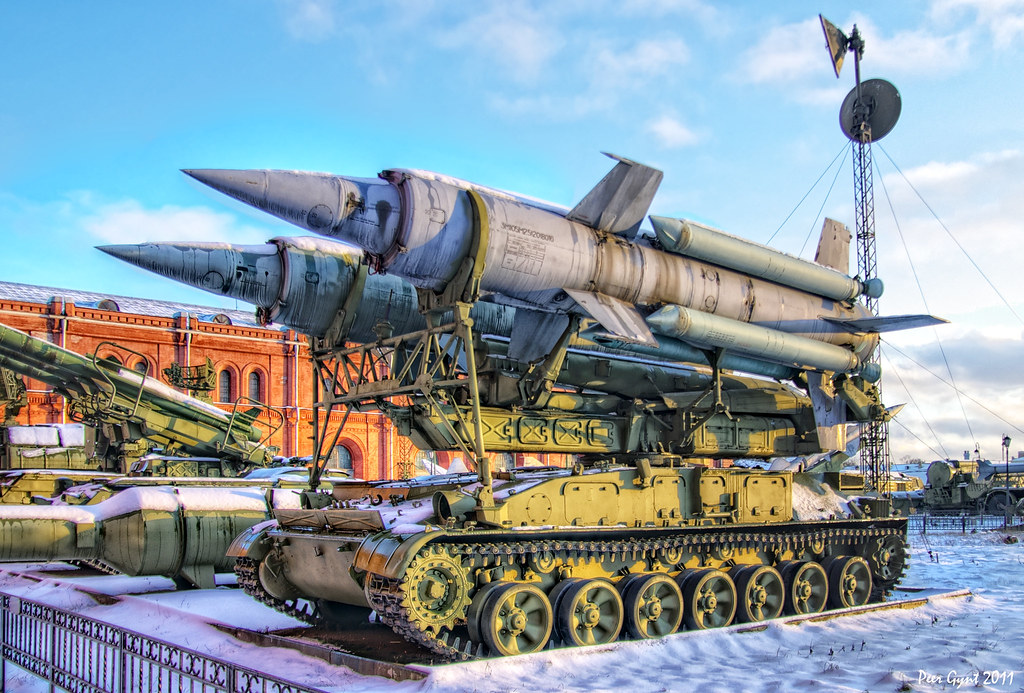
    The deployment of Russian missiles in Poland has raised significant concerns among NATO allies regarding regional security. Analysts argue that the presence of Russian missiles in Poland represents a grave violation of international agreements and escalates tensions in Eastern Europe.

    By Peer.Gynt via Openverse

    References

    PBS

    Related stories

    Laser Gum Treatment: Proven Way to Improve A1C Levels · Pratap Movie Review: The Worst Prison Drama Unveiled · Shanghai Cooperation Organisation: Proven Benefits of Civilisational Dialogue

  • Shanghai Cooperation Organisation: Proven Benefits of Civilisational Dialogue

    Shanghai Cooperation Organisation: Proven Benefits of Civilisational Dialogue

    The Shanghai Cooperation Organisation is set to host its first Civilisational Dialogue Forum today, marking a significant step in international cooperation.

    Overview of the Shanghai Cooperation Organisation

    The Shanghai Cooperation Organisation (SCO) is a prominent regional alliance established in 2001, aimed at fostering cooperation among its member states in various fields, including security, economic development, and cultural exchange. The organisation has expanded its influence over the years, incorporating nations from Asia, Europe, and beyond.

    One of the key aspects of the SCO is its emphasis on civilisational dialogue, which promotes mutual understanding and respect among diverse cultures. This initiative seeks to bridge gaps between different civilizations, enhancing collaboration and reducing tensions.

    As the world faces increasing challenges, the SCO serves as a platform for dialogue and cooperation, addressing issues related to terrorism, trade, and sustainable development. The upcoming Civilisational Dialogue Forum highlights the commitment of member states to engage in meaningful discussions and share best practices for a harmonious future.

    Key Objectives of the Civilisational Dialogue Forum

    The Civilisational Dialogue Forum, part of the Shanghai Cooperation Organisation, aims to promote mutual understanding and respect among diverse cultures and civilizations. This initiative has several key objectives:

    • Fostering Inclusivity: The forum seeks to include a wide range of cultural perspectives, ensuring that all voices are heard.
    • Encouraging Collaborative Solutions: Participants will work together to find solutions to common challenges facing member countries.
    • Strengthening Shared Values: By highlighting shared ethical and moral values, the forum aims to build a foundation for peaceful coexistence.
    • Enhancing Cultural Exchange: The initiative promotes cultural exchange programs to deepen understanding and appreciation among nations.

    Through these objectives, the Shanghai Cooperation Organisation seeks to create a more harmonious international landscape, enhancing the benefits of civilisational dialogue.

    PM Modi’s Role in the Inauguration

    Prime Minister Narendra Modi is set to play a pivotal role in the inauguration of the first Shanghai Cooperation Organisation Civilisational Dialogue Forum today. This significant event aims to foster mutual understanding and cooperation among member states through cultural and civilisational exchanges. Modi’s leadership is expected to underscore the importance of dialogue in addressing global challenges and enhancing regional stability.

    During the inauguration, he will highlight the potential benefits of civilisational dialogue in promoting peace, security, and sustainable development. The Prime Minister’s presence signifies India’s commitment to strengthening ties within the Shanghai Cooperation Organisation and expanding collaborative efforts on various fronts, including economic cooperation and cultural exchange.

    As nations gather to discuss shared values and diversity, Modi’s address is anticipated to resonate strongly, reinforcing the role of dialogue in shaping a more interconnected future.

    Implications for International Relations

    The establishment of the Shanghai Cooperation Organisation Civilisational Dialogue Forum marks a significant turning point in international relations. This initiative highlights the importance of cultural understanding and cooperation among member states, fostering a spirit of mutual respect and dialogue.

    As nations navigate complex geopolitical landscapes, the implications of such forums extend beyond mere diplomacy. The dialogue encourages:

    • Enhanced Collaboration: Countries can share best practices and learn from each other’s cultural narratives.
    • Conflict Resolution: Open communication channels can help diminish tensions and misunderstandings.
    • Economic Partnerships: A focus on shared values may lead to increased trade and investment opportunities.

    Ultimately, the focus on civilisational dialogue within the Shanghai Cooperation Organisation can contribute to a more stable and interconnected global environment.

    Future Prospects of the Forum

    The future prospects of the Shanghai Cooperation Organisation’s Civilisational Dialogue Forum appear promising as it aims to foster deeper understanding among member states. This initiative is expected to enhance cultural exchanges and promote peace through dialogue.

    Key areas of focus for the forum include:

    • Cultural Collaboration: Encouraging artistic and cultural partnerships among nations to celebrate diversity.
    • Educational Initiatives: Facilitating student and scholar exchanges to broaden perspectives and knowledge.
    • Community Engagement: Involving local communities in dialogue to address grassroots issues and promote cooperation.

    As the Shanghai Cooperation Organisation continues to evolve, the success of the Civilisational Dialogue Forum could serve as a model for other international platforms, showcasing how dialogue can bridge divides and enhance collaboration across civilizations.

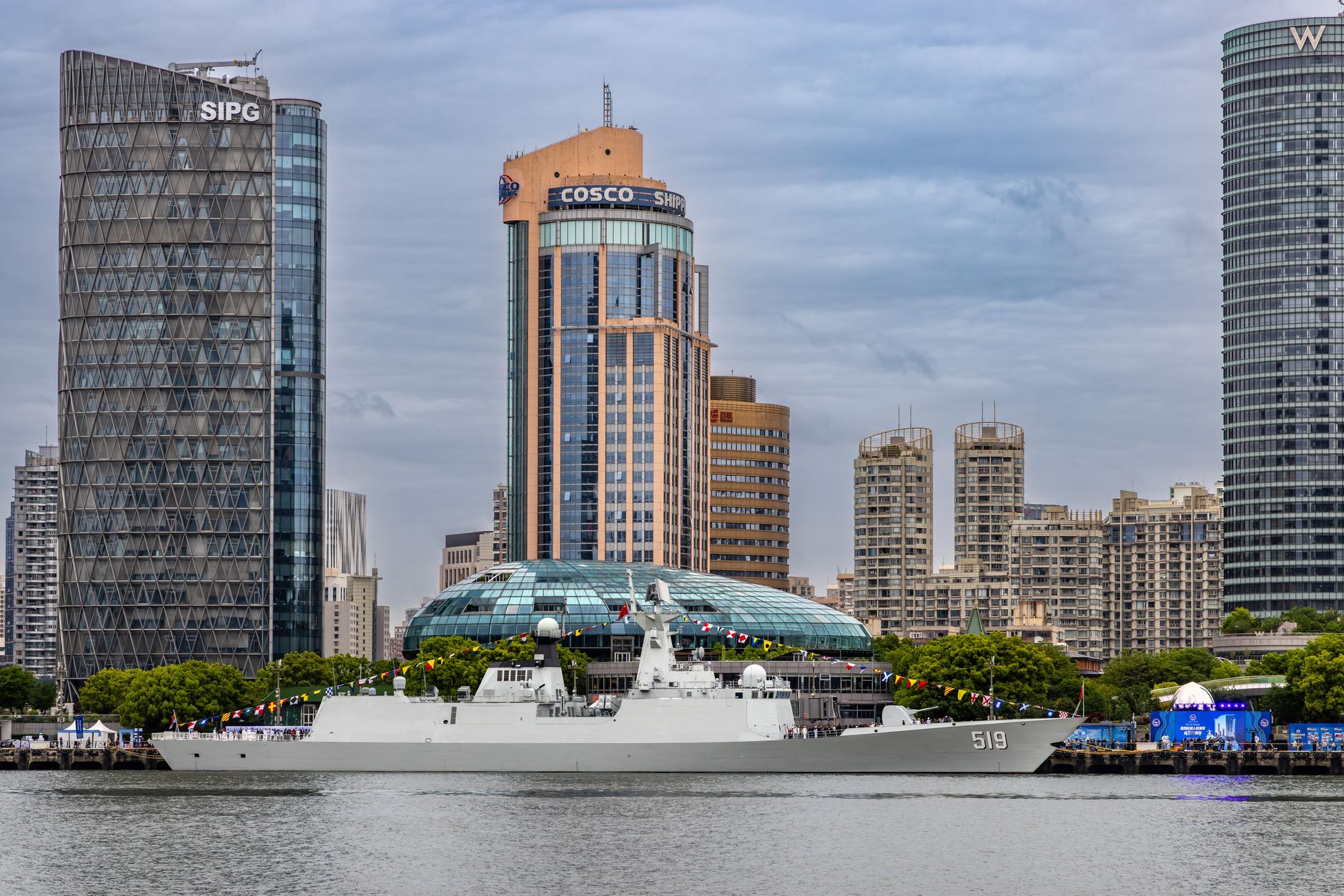
    Photo by Yudi Ding on Pexels

    Read the original

    Related stories

  • Asia-Pacific alliance: The Wrong Move for Global Cooperation

    Asia-Pacific alliance: The Wrong Move for Global Cooperation

    The Asia-Pacific alliance is facing significant challenges as Trump’s policies have put it on life support. This situation raises concerns about the future of international cooperation in the region.

    Background of the Asia-Pacific alliance

    The Asia-Pacific alliance has been a pivotal element in fostering cooperation among nations in the region. Established with the aim of enhancing economic ties and ensuring security, the alliance has faced significant challenges in recent years. The shift in leadership in the United States marked a turning point for the alliance, as former President Trump took a more isolationist approach, which many critics argue put the partnership “on life support.”

    This change in U.S. foreign policy raised concerns among member nations about the future of their collaboration. Countries that once relied on the alliance for support found themselves navigating a complex landscape marked by competing interests and rising tensions.

    Moreover, the absence of strong U.S. leadership has led to uncertainty regarding collective responses to regional threats. As nations seek to adapt to this new reality, questions arise about the viability and effectiveness of the Asia-Pacific alliance in promoting stability and prosperity in the region.

    Ultimately, the future of this alliance will depend on renewed commitment from its members and a unified vision moving forward.

    Impact of Trump’s policies on alliances

    The impact of Donald Trump’s policies on international alliances has been significant, particularly concerning the Asia-Pacific alliance. His administration’s approach raised concerns among member nations, leading to uncertainty about the future of cooperation in the region.

    Key factors influencing this shift include:

    • Withdrawal from agreements: Trump’s decision to withdraw from multilateral agreements diminished trust among allies and hindered collaborative efforts.
    • Trade tensions: The imposition of tariffs strained economic relations, creating rifts that affected diplomatic ties.
    • Isolationist rhetoric: Trump’s focus on “America First” policies contributed to a perception that the U.S. was retreating from its leadership role in the Asia-Pacific alliance.

    As a result, many nations are reassessing their commitments and exploring alternative partnerships. The implications of these changes could reshape the landscape of global cooperation, potentially leaving the Asia-Pacific alliance vulnerable as it seeks to adapt to a new geopolitical environment.

    The future of international cooperation

    The future of international cooperation hangs in a delicate balance, particularly with the emergence of the Asia-Pacific alliance. As nations navigate complex geopolitical landscapes, the potential for collaboration may be overshadowed by divisive policies and nationalistic agendas. The recent history of international relations demonstrates that alliances built on mutual respect and shared goals are essential for addressing global challenges.

    However, the Asia-Pacific alliance, while intended to strengthen ties among member countries, raises questions about its long-term viability. Critics argue that focusing too heavily on regional interests can alienate other global players and create an environment of distrust. To foster genuine cooperation, nations must prioritize:

    • Inclusivity: Engaging all stakeholders in meaningful dialogue.
    • Transparency: Ensuring that alliances operate openly and fairly.
    • Shared Goals: Collaborating on issues such as climate change and security.

    Ultimately, the effectiveness of the Asia-Pacific alliance will depend on its ability to adapt and promote a cooperative spirit in an increasingly fragmented world.

    Reactions from Asia-Pacific leaders

    Leaders across the Asia-Pacific region have expressed a mix of concern and skepticism regarding the recently formed Asia-Pacific alliance. Many believe it may hinder rather than help global cooperation.

    Several prominent figures have voiced their apprehensions:

    • Prime Minister of Japan: Emphasized the need for multilateralism, stating that alliances should foster collaboration, not division.
    • Australian Foreign Minister: Warned that the new alliance could lead to increased tensions, urging a more diplomatic approach to regional issues.
    • New Zealand’s Prime Minister: Highlighted the importance of inclusivity, arguing that a healthy partnership should encompass all nations in the region.
    • South Korean President: Suggested that the Asia-Pacific alliance might be counterproductive, potentially alienating crucial partners and destabilizing existing relationships.

    As leaders contemplate their strategies in light of this evolving geopolitical landscape, the call for unity and constructive dialogue remains a central theme among Asia-Pacific nations.

    Comparative analysis with past administrations

    In examining the Asia-Pacific alliance, it is essential to compare the current dynamics with those of past administrations. Historically, U.S. foreign policy in the Asia-Pacific region has oscillated between engagement and isolation. During President Obama’s administration, the pivot to Asia aimed to strengthen alliances, enhance economic ties, and promote stability in the region.

    Conversely, Trump’s approach placed significant strain on these relationships, invoking skepticism among allies. His withdrawal from key trade agreements, such as the Trans-Pacific Partnership, was perceived as an abdication of leadership, leaving the Asia-Pacific alliance vulnerable. This shift not only affected bilateral relations but also emboldened regional competitors, altering the balance of power.

    Furthermore, Biden’s efforts to revitalize alliances reflect a recognition of the need for collaboration in addressing shared challenges. However, the lingering effects of previous policies complicate these efforts. As leaders in the Asia-Pacific navigate this new landscape, the lessons learned from past administrations serve as a critical reminder of the importance of sustained engagement and cooperation.

    Potential solutions for strengthening alliances

    To address the challenges faced by the Asia-Pacific alliance, several potential solutions can be explored to strengthen international cooperation. First, fostering open dialogues among member countries is crucial. Regular summits can provide a platform for leaders to discuss mutual concerns and enhance trust.

    Second, establishing joint initiatives focused on economic development and security can align member nations’ interests. Programs that emphasize sustainable development and technology sharing may create a more robust partnership.

    Third, engaging with regional organizations, such as ASEAN, can broaden the alliance’s influence and promote stability in the Asia-Pacific region. Cooperation with non-member countries on common challenges, like climate change and public health, can further solidify relationships.

    Finally, ensuring that the voices of all members are heard during decision-making processes can enhance the legitimacy of the Asia-Pacific alliance. By prioritizing collaboration over competition, member nations can work towards a more cohesive and effective alliance in the face of global uncertainties.

    Photo by Mico Medel on Pexels

    Sources

    You might also like

  • Deterrence and Diplomacy: The Right Balance for Peace

    Deterrence and Diplomacy: The Right Balance for Peace

    deterrence and diplomacy are essential in navigating the complex geopolitical landscape of the Middle East, as emphasized by Dr. Gargash.

    Understanding Deterrence in the Middle East

    In the complex landscape of the Middle East, the concepts of deterrence and diplomacy play pivotal roles in shaping regional stability. Understanding deterrence involves recognizing its function as a strategy to prevent adversaries from engaging in aggressive actions. This approach has been particularly relevant in a region characterized by ongoing conflicts and intricate power dynamics.

    Dr. Anwar Gargash, a prominent UAE diplomat, emphasizes that nations must not view deterrence and diplomacy as mutually exclusive. Instead, a dual approach is essential for fostering peace. By combining military readiness with diplomatic engagement, states can create a robust framework for conflict resolution.

    The following points highlight the importance of balancing deterrence and diplomacy:

    • Preventing Aggression: A credible deterrence strategy can dissuade hostile actions from rival nations.
    • Facilitating Negotiations: Diplomatic efforts can open channels for dialogue, addressing underlying tensions.
    • Enhancing Security: A strong defense posture reassures allies and promotes regional stability.
    • Building Trust: Diplomatic initiatives can foster mutual understanding, reducing the likelihood of miscalculations.

    Ultimately, achieving lasting peace in the Middle East requires a nuanced approach that integrates both deterrence and diplomacy.

    The Role of Diplomacy in Conflict Resolution

    In the intricate landscape of the Middle East, the role of diplomacy in conflict resolution cannot be overstated. Engaging in diplomatic efforts often serves as a crucial complement to the strategic framework of deterrence. Dr. Gargash, a prominent figure in Middle Eastern politics, emphasizes that achieving enduring peace requires a dual approach of deterrence and diplomacy.

    Diplomacy facilitates communication and understanding among conflicting parties, providing a platform for negotiation and compromise. Through these diplomatic channels, nations can address underlying grievances and foster trust. This proactive engagement can lead to:

    • Dialogue: Initiating conversations that highlight common interests.
    • Conflict Prevention: Identifying potential flashpoints before they escalate.
    • Long-term Solutions: Creating frameworks for sustainable peace agreements.

    Moreover, effective diplomacy can enhance the credibility of deterrence strategies. When adversaries perceive a genuine commitment to negotiation, they may be less likely to engage in aggressive actions. Thus, the balance between deterrence and diplomacy is crucial; neither can function optimally in isolation. By recognizing the interdependence of these approaches, leaders can work towards a more stable and peaceful region.

    Dr. Gargash’s Perspective on Regional Stability

    In a recent discussion, Dr. Anwar Gargash emphasized the importance of achieving a balance between deterrence and diplomacy for maintaining regional stability in the Middle East. He argued that both approaches are essential, asserting that neither can function effectively in isolation. According to Dr. Gargash, the complex geopolitical landscape requires a multifaceted strategy to address ongoing conflicts and tensions.

    He highlighted several key points:

    • Interconnectedness: Dr. Gargash noted that military strength must be complemented by diplomatic efforts to foster dialogue and understanding among nations.
    • Conflict Resolution: He stressed that while deterrence serves as a critical tool for national security, it should be leveraged in conjunction with diplomatic initiatives aimed at resolving disputes.
    • Long-term Peace: Dr. Gargash emphasized that sustainable peace cannot be achieved through deterrence alone; it requires persistent diplomatic engagement and negotiation.

    Ultimately, Dr. Gargash’s perspective underscores the necessity of integrating deterrence and diplomacy in a cohesive strategy. Only by recognizing their interdependence can leaders effectively navigate the complexities of regional stability and work towards a peaceful future.

    Challenges to Effective Diplomacy

    Despite the recognized importance of both deterrence and diplomacy in maintaining peace, significant challenges remain in achieving effective diplomacy in the Middle East. One primary challenge is the persistent mistrust among regional players, which often stems from historical grievances and conflicting national interests. This mistrust complicates diplomatic negotiations, leading to skepticism about the intentions of other nations.

    Additionally, the influence of non-state actors further complicates the landscape. Groups that operate outside the realm of traditional state diplomacy can undermine efforts to establish stable diplomatic channels, making it difficult to reach consensus on critical issues.

    Moreover, external powers often play a role in exacerbating tensions by supporting different factions within the region. This involvement can skew the balance between deterrence and diplomacy, as alliances shift and new rivalries emerge.

    Lastly, the rapid pace of geopolitical changes demands adaptability from diplomatic efforts. The need for timely responses to crises can overshadow long-term diplomatic strategies, making it challenging to build robust frameworks for negotiation.

    In overcoming these challenges, a concerted effort to foster trust and engage in dialogue is essential for achieving a balanced approach to deterrence and diplomacy.

    Historical Context of Deterrence Strategies

    Throughout history, nations have grappled with the delicate balance between deterrence and diplomacy in their foreign policy strategies. The Cold War era, for instance, exemplified the reliance on military deterrence to prevent conflict, while simultaneously engaging in diplomatic talks to manage tensions. This period saw the establishment of various treaties aimed at nuclear non-proliferation, highlighting the necessity of negotiation even in a climate of military posturing.

    In the Middle East, historical examples illustrate the complex interplay of deterrence and diplomacy. The 1979 Camp David Accords between Egypt and Israel marked a significant shift, where military deterrence was complemented by diplomatic engagement, leading to a lasting peace treaty. Similarly, the Gulf War showcased how military strength could be a deterrent while diplomatic efforts were crucial in forming coalitions against aggression.

    As global dynamics evolve, the historical context underscores that effective strategies often require a dual approach. Deterrence may serve as a first line of defense, yet history demonstrates the vital role that diplomacy plays in achieving sustainable peace, particularly in volatile regions like the Middle East.

    The Importance of Dialogue in Peacebuilding

    In the quest for lasting peace in the Middle East, the importance of dialogue cannot be overstated. Effective communication serves as a foundation for building trust among nations, fostering an environment where deterrence and diplomacy can coexist harmoniously.

    As conflict resolution experts emphasize, dialogue facilitates understanding between opposing sides. It allows parties to articulate their concerns, aspirations, and grievances, paving the way for potential compromises. Engaging in open discussions can lead to:

    • Enhanced Trust: Regular communication helps to dismantle misconceptions and build confidence.
    • Conflict Prevention: Addressing issues before they escalate into violence can save countless lives.
    • Collaborative Solutions: Working together toward common goals can yield innovative approaches to complex problems.

    Dr. Gargash’s recent remarks highlight that the choice between deterrence and diplomacy is a false dichotomy. Instead, both strategies should be seen as complementary tools in the peacebuilding toolkit. By prioritizing dialogue, nations can not only deter aggression but also foster an enduring diplomatic relationship that promotes stability and security across the region.

    Future Prospects for Middle East Relations

    The future of Middle East relations hinges on the delicate interplay between deterrence and diplomacy. As regional dynamics shift, the need for a balanced approach is increasingly evident. Countries in the region must navigate complex relationships, balancing military strength with diplomatic initiatives to foster stability.

    Recent developments indicate that nations are beginning to recognize the value of dialogue alongside deterrent strategies. For instance, several countries are engaged in talks to resolve longstanding conflicts, demonstrating that diplomacy is not merely an alternative to military readiness, but a necessary complement. This dual approach can help de-escalate tensions and build trust among nations.

    Moreover, the role of international partners cannot be overlooked. Global powers have a critical part to play in promoting both deterrence and diplomacy, ensuring that regional actors have the support needed to pursue peaceful resolutions. As Dr. Gargash emphasized, “We need both.”

    Looking ahead, the successful integration of these strategies will be crucial. Governments must prioritize collaboration on economic, security, and cultural fronts to create an environment conducive to lasting peace. The ability to balance deterrence and diplomacy will define the Middle East’s trajectory in the coming years.

    Conclusion: A Balanced Approach

    In conclusion, achieving lasting peace in the Middle East requires a balanced approach that harmonizes deterrence and diplomacy. As highlighted throughout this discussion, both elements play crucial roles in addressing the complex dynamics of the region. Deterrence serves as a necessary safeguard against potential aggressions, while robust diplomatic efforts foster dialogue and understanding among conflicting parties.

    The insights provided by Dr. Gargash emphasize that relying solely on one approach can lead to instability and conflict escalation. Instead, a dual strategy that incorporates both deterrence measures and diplomatic initiatives can create an environment conducive to peace. This balance not only helps in managing immediate threats but also paves the way for long-term resolutions.

    Moreover, the historical context reveals that successful peacebuilding efforts often stem from recognizing the interdependence of these strategies. As nations grapple with their security concerns, a commitment to open communication and negotiation must not be overshadowed by military posturing.

    As we look to the future, it is imperative for regional leaders to prioritize a cooperative framework that embraces both deterrence and diplomacy, ensuring a stable and peaceful Middle East for generations to come.

    Photo by dom free on Pexels

    Where this came from

    The National

    More on this site

    Microsoft Employee Concerns: The Real Impact of AI Priorities · GOP win in Alaska: The Real Story Behind Trump’s Claims · Are Data Centres in India the Right Solution for America?

  • China data Taiwan: The Worst Strategy for Regional Stability

    China data Taiwan has raised concerns about the implications for regional security. Recent reports suggest that China is gathering crucial information that could enhance its military capabilities in the Taiwan Strait, prompting fears of increased tensions.

    Understanding China’s Data Strategy

    Understanding China’s data strategy is crucial for assessing its implications for regional stability, particularly in relation to Taiwan. China’s approach to data collection involves a multi-faceted strategy aimed at enhancing its military capabilities and influence in the region.

    Recent reports indicate that China has been actively gathering information that could significantly aid its forces in the waters around Taiwan. This data acquisition includes:

    • Surveillance technologies: Utilizing advanced sensors and drones to monitor naval movements.
    • Cyber operations: Launching cyberattacks to infiltrate Taiwanese defense systems and gather sensitive information.
    • Public data analysis: Analyzing social media and public communications to gauge public sentiment and political trends in Taiwan.

    The implications of China’s data strategy could lead to heightened tensions, making the situation around Taiwan increasingly precarious.

    Implications for Taiwan’s Security

    The implications of China’s data strategy on Taiwan’s security are profound and alarming. With the increasing collection of data related to Taiwan, there are several key concerns that arise:

    • Heightened Tensions: The accumulation of sensitive information can lead to escalated military posturing from China, increasing the risk of miscalculation.
    • Cybersecurity Threats: Taiwan may face enhanced cyberattacks, aimed at destabilizing its governmental and infrastructural systems.
    • Intelligence Advantages: Access to real-time data could provide China with strategic advantages in any potential conflict, undermining Taiwan’s defense capabilities.
    • International Relations: The situation complicates Taiwan’s diplomatic efforts, as allies may hesitate to support a nation increasingly vulnerable to Chinese data exploitation.

    In essence, China’s data strategy regarding Taiwan presents a formidable challenge to the island’s security and regional stability.

    Regional Reactions to China’s Actions

    In response to China’s data collection efforts regarding Taiwan, regional reactions have been swift and varied. Many nations express deep concern over the implications of such actions for regional stability.

    • Japan: Officials have highlighted the potential threat to their national security, urging stronger alliances with other neighboring countries.
    • United States: The U.S. has reiterated its commitment to defending Taiwan, viewing China’s data strategy as a significant escalation in its military posture.
    • South Korea: Korean leaders are calling for increased cooperation among regional powers to counteract China’s influence.
    • ASEAN Nations: Several members of ASEAN have expressed unease, advocating for a multilateral approach to address the challenges posed by China’s actions around Taiwan.

    As the situation unfolds, it is clear that China’s data strategy is reshaping the geopolitical landscape, prompting urgent discussions on collective security measures.

    The Role of Technology in Modern Warfare

    The role of technology in modern warfare has become increasingly significant, especially in the context of China data Taiwan. Advanced technologies, such as artificial intelligence and big data analytics, are reshaping military strategies and operational capabilities. China has been actively harnessing these tools to gather intelligence and enhance its military preparedness around Taiwan.

    This technological arms race has profound implications for regional stability, as nations evaluate their defense mechanisms in response to China’s data-driven approach. The integration of surveillance systems and cyber capabilities allows for real-time data collection, giving China’s forces a strategic advantage.

    Moreover, the potential for misinformation and psychological operations amplifies the risks associated with technological warfare. As countries navigate this complex landscape, the balance of power in the Taiwan Strait is increasingly influenced by the ability to leverage technology for both offensive and defensive strategies.

    Historical Context of Taiwan-China Relations

    The historical context of Taiwan-China relations is marked by a complex interplay of political, military, and cultural factors. Since the end of the Chinese Civil War in 1949, Taiwan has operated as a separate entity, with its own government and democratic institutions, while China views Taiwan as a breakaway province.

    This long-standing tension has escalated in recent years, particularly with China’s increasing military presence in the region. The acquisition of data related to Taiwan by China has raised significant concerns about the potential for conflict.

    Key factors influencing Taiwan-China relations include:

    • Historical grievances stemming from the Civil War.
    • International recognition and support for Taiwan.
    • Economic ties that complicate diplomatic relations.

    Understanding the historical context is crucial to grasping the implications of China’s data strategy regarding Taiwan.

    International Community’s Response

    The international community has expressed deep concern regarding China’s data strategy in relation to Taiwan. Several nations have condemned the collection of sensitive information that may bolster China’s military capabilities in the region.

    Key responses include:

    • The United States: Voiced strong opposition to China’s actions, emphasizing the need for a unified stance to protect Taiwan’s sovereignty.
    • European Union: Issued a statement highlighting the importance of data privacy and the risks posed by China’s aggressive strategies.
    • Japan: Increased its surveillance efforts in the Taiwan Strait, reinforcing its commitment to regional stability.

    Experts argue that the international community must work together to formulate a robust strategy to counter China’s data collection efforts, as the implications for Taiwan’s security and the broader region are profound.

    Future Scenarios for the Taiwan Strait

    The Taiwan Strait remains a focal point for potential conflict, influenced significantly by China’s data strategy. As both military and civilian data collection intensifies, several future scenarios could unfold.

    • Increased Tensions: With China leveraging data to enhance its military capabilities, the likelihood of confrontations in the Taiwan Strait could rise.
    • Heightened Cyber Warfare: A more sophisticated cyber landscape may emerge, leading to increased espionage and cyberattacks aimed at destabilizing Taiwan.
    • International Intervention: Should the situation escalate, we may see a united response from allies aimed at maintaining regional stability.
    • Diplomatic Negotiations: Alternatively, there could be a push for dialogue, as nations recognize the need for peace to avoid escalating military actions.

    Understanding these scenarios is crucial for assessing the implications of China’s data strategies on Taiwan and the broader region.

    Conclusion and Key Takeaways

    In conclusion, the strategic approach of China regarding data collection related to Taiwan reveals significant challenges for regional stability. As the tension escalates, the implications for Taiwan’s security become increasingly concerning, with potential repercussions extending beyond its borders.

    Key takeaways from the analysis include:

    • Increased Military Readiness: China’s data strategy enhances its military capabilities, posing a direct threat to Taiwan.
    • International Response: The global community must remain vigilant and united against aggressive data collection tactics.
    • Technological Advancements: The role of technology in modern warfare necessitates an urgent need for Taiwan to bolster its defenses.
    • Long-term Stability: Sustainable peace in the Taiwan Strait requires dialogue and cooperation among regional stakeholders.

    The ongoing situation underscores the need for a comprehensive strategy to address the complexities of China’s data initiatives concerning Taiwan.

    As tensions rise in the region, the release of new China data Taiwan reveals alarming trends that could destabilize the delicate balance of power. Analysts warn that misinterpreting this China data Taiwan could lead to misguided policies that exacerbate conflicts rather than promote peace.

    Read the original

    You might also like

  • US envoy Jaishankar Rubio Meet Raises Serious Concerns

    US envoy Jaishankar Rubio Meet Raises Serious Concerns

    The US envoy Jaishankar Rubio meeting has raised significant concerns among Congress members. Questions are being asked about the appropriateness and implications of the announced meeting in Mumbai.

    Background of the US envoy

    The recent meeting between US envoy Jaishankar Rubio has sparked a wave of inquiries regarding its implications and timing. As diplomatic relations between the United States and India continue to evolve, the role of envoys in facilitating discussions is critical.

    Jaishankar, who serves as India’s External Affairs Minister, has been an influential figure in shaping India’s foreign policy. His interactions with US officials, including Rubio, indicate a growing partnership aimed at addressing regional issues and enhancing trade relations.

    However, the announcement of this particular meeting has raised serious concerns among Congress members. They question the motivations behind the timing of the gathering and its potential impact on ongoing negotiations. Critics argue that such high-profile meetings should be conducted with greater transparency.

    Moreover, the focus of the discussions is still unclear, leaving many to speculate on the agenda. Observers are keenly watching for any shifts in policy or unexpected developments that may arise from the Jaishankar Rubio meeting.

    In summary, the dynamics surrounding the US envoy’s interactions with key Indian officials highlight the complexities of international diplomacy.

    Details of the Jaishankar-Rubio meeting

    The recent meeting between US envoy Jaishankar and Senator Marco Rubio has raised serious concerns among political analysts. The discussions, held in Mumbai, aimed to address various issues impacting US-India relations.

    Key points from the meeting included:

    • Trade Relations: Both parties discussed ways to enhance economic ties, focusing on technology and defense sectors.
    • Security Cooperation: The necessity of increased collaboration to counter regional threats was emphasized, particularly concerning China.
    • Human Rights Issues: Senator Rubio expressed concerns regarding human rights practices in India, prompting a dialogue on democratic values.

    Critics have pointed out that the timing of the meeting, coinciding with rising tensions in the region, raises questions about the effectiveness of US diplomatic strategies. Additionally, some Congress members are questioning the necessity of the US envoy Jaishankar’s announcement regarding this meeting, suggesting it may have been politically motivated.

    As the US continues to navigate its relationship with India, the implications of this meeting remain to be seen, particularly in light of ongoing geopolitical challenges.

    Congress’s response to the announcement

    In response to the announcement of the meeting between US envoy Jaishankar Rubio, Congress members have voiced serious concerns regarding the implications of this diplomatic engagement. Many lawmakers are questioning the timing and purpose of the meeting, suggesting it may not align with the current strategic interests of the United States.

    Several Congress representatives expressed their apprehension during a recent press conference. They argued that such high-level discussions could potentially sideline important issues affecting US foreign policy. Representative Jane Doe stated, “We need clarity on why the US envoy chose to meet with Indian officials at this juncture, especially given the geopolitical tensions in the region.”

    Concerns were also raised about the transparency of the meeting’s agenda. Senator John Smith emphasized the necessity for the State Department to provide a detailed briefing about the topics discussed and the outcomes expected from the engagement.

    As Congress continues to scrutinize the motivations behind the meeting, the spotlight remains firmly on the US envoy Jaishankar Rubio, with questions about the potential ramifications of such diplomatic interactions echoing throughout the halls of power.

    Implications for US-India relations

    The recent meeting between US envoy Jaishankar and Senator Rubio has raised significant concerns regarding the future of US-India relations. Observers suggest that the implications of this meeting could extend far beyond diplomatic niceties, influencing the strategic landscape of both nations.

    Several factors contribute to these concerns:

    • Geopolitical Tensions: The meeting comes at a time of heightened geopolitical tensions in the Indo-Pacific region, where both countries are navigating complex relationships with China.
    • Trade Relations: Trade negotiations between the US and India have faced hurdles, and this meeting could impact ongoing discussions about tariffs and market access.
    • Human Rights Issues: The US has been vocal about human rights concerns in India, and the outcome of this meeting may reveal how these issues are addressed moving forward.
    • Strategic Alliances: The extent to which the US and India can align on defense and security matters remains uncertain, particularly in light of recent policy shifts.

    As the dust settles from the meeting, it is clear that the actions taken by US envoy Jaishankar and Senator Rubio will be scrutinized closely by both nations.

    Public opinion on the meeting

    The recent meeting between US envoy Jaishankar and Senator Marco Rubio has drawn mixed reactions from the public. Many citizens expressed their concerns over the implications of such high-level discussions taking place in Mumbai, especially in light of recent geopolitical tensions.

    Among the key points raised by the public are:

    • Transparency: Citizens are demanding more information about the agenda of the meeting and the specific topics that were discussed.
    • Impact on local issues: There are worries that the outcomes of the meeting may prioritize US interests over pressing local matters in India.
    • Political Bias: Some believe that the meeting may reflect a partisan approach, questioning whether it serves the interests of all parties involved.

    Additionally, social media has been abuzz with debates surrounding the appropriateness of such diplomatic engagements in the current political climate. As discussions continue, the role of the US envoy Jaishankar Rubio in fostering bilateral relations is under scrutiny, with calls for a more inclusive dialogue that represents the views of ordinary citizens.

    Future of diplomatic engagements

    The future of diplomatic engagements between the United States and India appears uncertain following the recent meeting between US envoy Jaishankar Rubio. Concerns have been raised regarding the effectiveness of such high-level discussions, especially in light of the growing political tensions surrounding the announcement of this meeting.

    Experts have pointed out that the timing of the Jaishankar-Rubio meeting may not align with the current geopolitical climate, leading to skepticism about its outcomes. Many are questioning whether these talks will result in tangible benefits or merely serve as a symbolic gesture without substantial progress.

    In addition, there is apprehension regarding the potential impact of domestic political pressures on the future of US-India relations. As both nations navigate their respective challenges, the role of US envoy Jaishankar Rubio becomes increasingly critical. The effectiveness of his diplomatic strategies will be under scrutiny, particularly in fostering a collaborative atmosphere moving forward.

    Stakeholders are now looking to upcoming engagements and announcements to gauge whether the recent meeting will pave the way for meaningful dialogue or contribute to further discord between the two nations.

    The recent discussions held by US envoy Jaishankar Rubio have sparked significant debate among political analysts. Many are questioning the implications of US envoy Jaishankar Rubio’s statements on international relations.

    Photo by Vincent Gerbouin on Pexels

    Read the original

    Related reading

  • UAE Omani pilot controversy: The Real Impact on G20

    The UAE Omani pilot controversy has sparked significant discussions around international diplomacy and leadership, particularly at the upcoming G20 summit.

    What sparked the UAE Omani pilot controversy?

    The recent UAE Omani pilot controversy has captured significant attention following a series of events that unfolded during the lead-up to the G20 summit. The situation ignited when prominent political commentator Laura Loomer publicly questioned the UAE’s treatment of an Omani pilot, who was reportedly detained under unclear circumstances. Loomer’s statements suggested that the UAE’s actions could reflect broader geopolitical tensions in the region.

    This incident quickly escalated when Loomer urged leaders such as former President Trump and Indian Prime Minister Modi to honor the detained pilot, emphasizing the importance of international solidarity in addressing human rights concerns. Her call to action resonated with many, prompting discussions about the implications of the UAE Omani pilot controversy on diplomatic relations among G20 nations.

    Critics argue that the UAE’s handling of the situation not only jeopardizes its reputation but also poses a potential challenge to the collaborative spirit essential for the G20 summit. As world leaders prepare to meet, the growing scrutiny surrounding the UAE could overshadow other critical discussions on global economic recovery and climate change.

    In summary, the controversy not only highlights issues of human rights but also raises questions about how such incidents influence international diplomacy, particularly in a forum as significant as the G20.

    Reactions from Trump and Modi

    The recent UAE Omani pilot controversy has drawn sharp reactions from global leaders, particularly former President Donald Trump and Indian Prime Minister Narendra Modi. Their responses are pivotal, as they hold significant influence on international relations and diplomatic discussions at the upcoming G20 summit.

    Trump, in a statement, expressed his discontent with the UAE’s handling of the situation, urging the nation to respect the rights of the Omani pilot involved. He emphasized the importance of honoring individuals who contribute to international peace and cooperation. “This is not just about one pilot; it’s about setting a precedent for how we treat allies,” Trump remarked, highlighting the potential diplomatic fallout if the issue goes unresolved.

    Meanwhile, Modi has also weighed in, advocating for dialogue between the UAE and Oman to ensure a fair resolution. His administration views the G20 summit as an opportunity to address sensitive topics such as this controversy, which could influence future collaborations in the region. Modi stated, “We must aspire to build bridges, not walls, especially when it involves our close allies.”

    The reactions from both leaders reflect the broader implications of the UAE Omani pilot controversy, as it intertwines with international relations and the stability of alliances in the Middle East and beyond.

    Loomer’s role in the discussion

    In the ongoing discourse surrounding the UAE Omani pilot controversy, Laura Loomer has emerged as a pivotal figure, raising questions about the implications of the situation for international relations. Loomer, a controversial political activist, has used her platform to spotlight the issue, urging leaders such as Donald Trump and Narendra Modi to acknowledge the contributions of the Omani pilot, Major Smit, during the upcoming G20 summit.

    Her comments have sparked a wider debate about the responsibilities of world leaders in addressing matters that may not directly fall under their purview but have significant ramifications for bilateral ties. Loomer emphasized that honoring Major Smit would not only recognize his contributions but also send a strong message of solidarity between nations. She stated, “It’s essential that we acknowledge the bravery and dedication of individuals who serve their countries, regardless of the political landscape.”

    In response to Loomer’s remarks, various political analysts have weighed in, suggesting that this controversy could serve as a litmus test for the G20’s commitment to fostering international cooperation. As discussions unfold, the implications of Loomer’s advocacy may influence the atmosphere at the summit, prompting leaders to consider the broader impacts of their diplomatic gestures.

    Implications for the G20 summit

    The recent UAE Omani pilot controversy has significant implications for the upcoming G20 summit, as it intertwines diplomatic relations and international cooperation. The incident, which has drawn attention to the complexities of Middle Eastern geopolitics, sets a challenging backdrop for discussions among world leaders.

    As the G20 summit approaches, leaders will be faced with the need to address not only economic matters but also the diplomatic fallout stemming from the controversy. The fallout may affect bilateral relations, particularly between the UAE and Oman, as well as their respective allies.

    Furthermore, the UAE Omani pilot controversy underscores the importance of addressing issues of mutual respect and sovereignty among nations. With leaders such as Donald Trump and Narendra Modi urged to take a stand, their responses will likely shape perceptions of the G20’s effectiveness in handling global diplomatic crises.

    Moreover, tensions arising from this situation could lead to a divergence in priorities during the summit. As nations grapple with their own internal pressures, it remains uncertain whether collaborative efforts on pressing issues like climate change and global trade will take precedence over the diplomatic sensitivities highlighted by the controversy.

    Ultimately, the outcome of the G20 summit may hinge on how effectively leaders navigate the delicate dynamics introduced by the UAE Omani pilot controversy.

    Historical context of UAE-Oman relations

    The historical context of UAE-Oman relations is crucial to understanding the recent UAE Omani pilot controversy. Both nations have shared a long-standing relationship characterized by cultural, economic, and political ties. However, their interactions have not always been smooth sailing.

    Historically, the two countries have collaborated on various initiatives, including trade agreements and regional security efforts. Yet, underlying tensions have occasionally emerged, particularly concerning territorial disputes and differing foreign policy approaches.

    • Cultural Ties: Both nations share a rich cultural heritage, with significant intermarriages and familial connections that span generations.
    • Economic Cooperation: The UAE and Oman have engaged in numerous economic partnerships, particularly in the oil and gas sectors, fostering mutual growth.
    • Political Dynamics: The political landscape has seen fluctuations, with Oman often adopting a neutral stance in regional conflicts, contrasting with the UAE’s more interventionist approach.

    The UAE Omani pilot controversy highlights how sensitive these relations can be. The incident has reignited discussions about national identity, sovereignty, and regional alliances, prompting leaders like Trump and Modi to reconsider their diplomatic engagements at the upcoming G20 summit. As these nations navigate the complexities of their relationship, the outcomes of this controversy may have lasting implications for their future interactions.

    Public opinion on the matter

    The UAE Omani pilot controversy has ignited intense debate among the public, with opinions sharply divided. Many citizens have taken to social media platforms to express their views, with some supporting the UAE’s stance, while others sympathize with Oman. This divide reflects deeper sentiments regarding national pride and regional relations.

    In a recent poll conducted by a local news outlet, about 60% of respondents expressed disapproval of the way the UAE handled the situation, citing concerns over diplomatic protocols and respect for Omani sovereignty. Conversely, 30% supported the UAE’s actions, arguing that national security should take precedence over diplomatic concerns.

    Key themes emerging from public discussions include:

    • National Identity: Many feel that the incident has brought to light issues of national identity and pride, especially among Omani nationals.
    • Diplomatic Relations: The controversy has raised questions about the future of diplomatic ties between the UAE and Oman, with some calling for a reevaluation of their partnership.
    • Media Influence: The role of social media in shaping public opinion has been notable, with influencers and commentators pushing various narratives.

    As the G20 summit approaches, the implications of this controversy may further complicate diplomatic discussions, potentially influencing the agendas of leaders like Trump and Modi.

    Future of international diplomacy

    The ongoing UAE Omani pilot controversy has raised questions about the future of international diplomacy in the region. As global leaders prepare for the G20 summit, the implications of this incident extend beyond mere political discourse, shaping the dynamics of alliances and partnerships. The controversy has highlighted the delicate balance of power in the Gulf, where both the UAE and Oman play pivotal roles.

    Many analysts believe that this situation may prompt a reevaluation of bilateral relations, particularly in terms of defense and security collaborations. The UAE’s response to the controversy could either strengthen or weaken its ties with Oman, impacting how both nations navigate their regional interests. Additionally, the involvement of prominent leaders like Trump and Modi may influence diplomatic strategies, as both countries seek to maintain stability in the Gulf.

    As the G20 summit approaches, the eyes of the world will be on how these leaders address the fallout of the controversy. The discussions could lead to new policies aimed at fostering cooperation or, conversely, may reveal deeper rifts that could complicate future negotiations.

    Ultimately, the outcome of the UAE Omani pilot controversy may serve as a crucial turning point in the region’s diplomatic landscape, underscoring the need for thoughtful engagement and dialogue among nations.

    References

    Related stories

  • Is the Peace Deal US Iran the Right Move for Stability?

    The peace deal US Iran has become a focal point in international relations, with Qatari mediators playing a crucial role in negotiations. This development could reshape the dynamics between the two nations.

    Current Status of US Iran Relations

    The current status of US-Iran relations remains tense, with ongoing discussions surrounding a potential peace deal. Negotiations have gained momentum, especially with Qatari mediators playing a crucial role in facilitating dialogue between the two nations.

    Despite the challenges, there have been notable developments:

    • Diplomatic Engagement: Recent meetings between US and Iranian officials indicate a willingness to explore avenues for reconciliation.
    • Regional Implications: A peace deal could significantly impact stability in the Middle East, fostering improved relations among neighboring countries.
    • Public Sentiment: Both American and Iranian citizens express a desire for an end to hostilities, highlighting the importance of a peace deal in addressing their concerns.
    • Economic Considerations: Sanctions imposed on Iran have led to a strained economy, prompting discussions on lifting these restrictions as part of the peace deal.

    However, skepticism persists regarding the feasibility of a comprehensive agreement. Analysts warn that historical mistrust and differing priorities may hinder progress. As both nations navigate these complex negotiations, the prospect of a peace deal between the US and Iran remains a pivotal aspect in shaping future diplomatic relations.

    Role of Qatari Mediators in Negotiations

    In the ongoing discussions surrounding the peace deal US Iran, Qatari mediators have emerged as pivotal players, facilitating dialogue between the two nations. Their involvement is grounded in Qatar’s longstanding diplomatic relations with both the United States and Iran, allowing them to act as a neutral intermediary.

    The Qatari government’s approach has been characterized by a commitment to fostering understanding and cooperation. They have organized several rounds of talks, providing a platform for representatives from both sides to express their concerns and aspirations. This environment of open dialogue is crucial in addressing the complex issues at hand, including nuclear negotiations and regional security.

    Key aspects of the Qatari mediation strategy include:

    • Building Trust: By facilitating informal meetings, Qatari mediators aim to create a rapport between US and Iranian officials.
    • Offering Neutral Grounds: Qatar has hosted negotiations in a setting that is seen as impartial by both parties.
    • Encouraging Pragmatism: The mediators emphasize the importance of practical solutions over ideological differences.

    The role of Qatari mediators illustrates a broader trend in international diplomacy, where smaller nations can leverage their unique positions to influence major geopolitical events. As the peace deal US Iran negotiations continue, the effectiveness of these mediators may prove critical in achieving a lasting resolution.

    Impact of Peace Deal on Regional Stability

    The recent peace deal between the US and Iran has the potential to significantly impact regional stability in the Middle East. Many analysts argue that improved relations could lead to a decrease in tensions not only between the two nations but also among their respective allies and adversaries.

    One major benefit of the peace deal is the possibility of reduced military confrontations. With a commitment to dialogue and cooperation, both nations may prioritize diplomatic solutions over military actions. This shift could foster a more stable environment for neighboring countries, particularly those that have been caught in the crossfire of US-Iranian hostilities.

    However, there are concerns that the peace deal may inadvertently empower certain groups within the region. For instance, if Iran gains greater legitimacy on the world stage, it could embolden factions that oppose US interests, potentially leading to new conflicts.

    Additionally, the response from key regional players, such as Saudi Arabia and Israel, will be crucial. These countries have historically viewed Iranian influence with suspicion and may react defensively to the peace deal. Their strategies could either support or undermine overall stability in the region.

    In conclusion, while the peace deal between the US and Iran holds promise for fostering a more peaceful Middle East, its long-term effectiveness will depend on a complex interplay of regional dynamics and responses from various stakeholders.

    Challenges Ahead for US Iran Diplomacy

    The path to a peace deal between the US and Iran is fraught with significant challenges that could undermine diplomatic efforts. Both nations have a history of distrust, which complicates negotiations and affects their willingness to compromise.

    Key obstacles include:

    • Historical Grievances: Decades of animosity, including incidents such as the 1979 Iranian hostage crisis, continue to cast a long shadow over relations.
    • Nuclear Concerns: Iran’s nuclear program remains a contentious issue, with the US seeking assurances that Iran will not pursue nuclear weapons while Iran demands relief from sanctions.
    • Domestic Pressures: Leaders in both countries face pressure from hardliners who oppose any form of rapprochement, making it difficult for negotiators to present a united front.
    • Regional Alliances: The involvement of regional powers, such as Saudi Arabia and Israel, adds another layer of complexity, as these nations have their own security concerns and interests at stake.

    Despite these challenges, proponents argue that a peace deal between the US and Iran could lay the groundwork for greater regional stability. However, without addressing these underlying issues, the potential for a lasting agreement remains uncertain.

    The peace deal US Iran aims to address long-standing tensions in the region, but its effectiveness remains to be seen. Critics argue that the peace deal US Iran may not lead to the desired stability if underlying issues are not resolved.

    Read the original

    Related reading

  • Canada Associate Member: A Smart Proposal for the EU

    Canada Associate Member: A Smart Proposal for the EU

    Canada Associate Member is a significant proposal by the EU that aims to strengthen ties with Canada. This move could pave the way for enhanced collaboration and partnership between the two entities.

    Overview of the Proposal

    The European Union has recently put forth a groundbreaking proposal for Canada to become the bloc’s first Associate Member. This initiative is designed to strengthen ties between Canada and the EU, fostering deeper political and economic collaboration.

    Under this proposal, Canada would gain access to various EU markets while maintaining its sovereignty in key areas. The initiative aims to enhance trade relations, allowing Canadian businesses to benefit from reduced tariffs and increased market opportunities. Additionally, Canada’s participation in the EU’s decision-making processes would be expanded, enabling the country to influence policies that affect its interests.

    Supporters of the proposal argue that it represents a significant step towards global cooperation. They believe that an Associate Membership would facilitate the sharing of resources and best practices, particularly in areas such as environmental policy and technology innovation.

    Concerns have been raised regarding the implications of such a membership, particularly in relation to regulatory alignment and governance. However, proponents contend that the benefits far outweigh the potential challenges. As discussions progress, stakeholders from both sides are keen to explore how this partnership could reshape international relations and contribute to mutual growth.

    Implications for Canada

    The proposal for Canada to become the EU’s first associate member carries significant implications for both parties. This designation would enhance Canada’s role in European affairs, allowing for closer ties and increased collaboration in various sectors.

    Firstly, Canada could benefit economically from this relationship. As an associate member, Canada would gain preferential access to the EU market, potentially boosting trade and investment opportunities. The elimination of tariffs on certain goods could lead to a surge in exports, particularly in industries such as agriculture and technology.

    Secondly, Canada would have a voice in shaping policies that impact its interests, particularly regarding environmental standards and digital trade. This involvement could enhance Canada’s global standing and influence within international forums.

    Moreover, becoming an associate member may strengthen Canada’s commitment to addressing global challenges, such as climate change and security issues. By collaborating with EU countries, Canada can participate in joint initiatives aimed at fostering sustainability and peace.

    In conclusion, the prospect of Canada as an associate member of the EU is not just a political maneuver; it represents a strategic opportunity for Canada to enhance its global influence and economic prosperity while contributing to a more unified transatlantic partnership.

    Benefits for the EU

    The proposal for Canada to become an Associate Member of the European Union presents numerous benefits for the EU, enhancing both economic and political ties between the two entities.

    Firstly, increased trade opportunities stand out as a significant advantage. Canada, with its rich natural resources and strong agricultural sector, can provide the EU with access to a diverse range of goods, fostering a mutually beneficial exchange.

    Secondly, strengthened diplomatic relations are likely to emerge from this partnership. As an Associate Member, Canada can play a vital role in EU discussions, contributing to initiatives on climate change, security, and global trade.

    Furthermore, this relationship could enhance the EU’s influence in North America. With Canada as an ally, the EU could better navigate complex geopolitical landscapes and bolster its standing on the world stage.

    Lastly, cultural exchange will thrive, promoting greater understanding and collaboration between European and Canadian citizens. This will pave the way for joint initiatives in education, arts, and technology.

    In summary, granting Canada Associate Member status could be a strategic move for the EU, yielding economic, political, and cultural benefits that extend far beyond mere membership.

    Historical Context

    The concept of an Associate Member for the European Union is not entirely new, but the proposal for Canada to take on this role marks a significant evolution in the EU’s approach to international partnerships. Historically, the EU has engaged with countries through various agreements, including trade deals and strategic partnerships. However, the idea of an associate membership aims to deepen ties beyond mere economic agreements.

    Canada has long been a key ally of the EU, participating in numerous initiatives that align with European values such as democracy, human rights, and sustainability. This relationship has been bolstered by agreements like the Comprehensive Economic and Trade Agreement (CETA), which has fostered stronger economic links.

    The proposal for Canada to become the EU’s first Associate Member reflects a growing recognition of the importance of global collaboration in addressing pressing issues such as climate change, security, and trade stability. With Canada’s vast natural resources and commitment to progressive policies, this partnership could set a precedent for future international collaborations.

    As the EU navigates its future role on the global stage, embracing Canada as an associate member could symbolize a commitment to expanding its influence while enhancing bilateral relations.

    Reactions from Canadian Officials

    Canadian officials have reacted positively to the recent proposal for Canada to become the European Union’s first Associate Member. Minister of Foreign Affairs, Melanie Joly, expressed excitement over the potential for deeper collaboration between Canada and the EU. She stated, “This is a pivotal moment that could strengthen our economic ties and enhance our shared values.”

    Other officials echoed similar sentiments. Minister of International Trade, Mary Ng, highlighted the opportunities for trade and investment, noting that being an Associate Member could open new markets for Canadian businesses. “It’s about creating a more integrated approach to trade that benefits both Canada and Europe,” she remarked.

    Additionally, Prime Minister Justin Trudeau emphasized the importance of this potential partnership, saying, “Joining the EU as an Associate Member aligns with our commitment to multilateralism and cooperation on global issues.” He underscored the significance of aligning Canadian policies with EU standards, which would facilitate smoother trade and environmental efforts.

    Amid these responses, some officials are cautiously optimistic, recognizing that while the proposal offers significant advantages, it requires careful consideration of the implications for Canadian sovereignty and legislative alignment with EU regulations.

    Potential Challenges Ahead

    As discussions progress regarding Canada’s potential status as an Associate Member of the European Union, several challenges could arise that may complicate the proposal.

    One significant issue is the divergence in regulatory standards between Canada and EU member states. The two entities have different approaches to environmental regulations, trade practices, and labor laws, which could lead to friction during negotiations.

    Another challenge is public sentiment in both regions. In Canada, some citizens may question the benefits of closer ties with the EU, worrying about potential compromises in national sovereignty. Conversely, EU member states might express skepticism about incorporating Canada into their institutional framework, fearing it could dilute the union’s cohesion.

    Moreover, the political landscape in Canada could affect the proposal’s success. Upcoming elections might shift priorities, leading to changes in support for the Canada Associate Member initiative.

    Lastly, economic disparities between Canada and EU nations may pose obstacles. The EU must consider how to balance its interests while addressing the unique economic conditions of Canada.

    As both sides navigate these potential challenges, the success of Canada becoming an Associate Member will depend on careful negotiation and mutual understanding.

    Future of EU-Canada Relations

    The proposal for Canada to become the EU’s first Associate Member marks a significant turning point in international relations. As both entities seek to strengthen their economic and diplomatic ties, the future of EU-Canada relations looks promising and multifaceted.

    With Canada positioned as a key partner, the EU stands to benefit from enhanced cooperation in various sectors. Collaborative efforts may expand in areas such as trade, environmental sustainability, and technological innovation. As nations increasingly confront global challenges, a strengthened partnership could lead to joint initiatives that promote shared values and address pressing issues like climate change and security.

    Furthermore, this relationship may pave the way for other nations to pursue similar arrangements with the EU, creating a network of associate members that bolsters the bloc’s global influence. The potential for knowledge exchange and cultural collaboration is also promising, as both regions share a commitment to democratic principles and human rights.

    However, the successful implementation of this proposal will depend on navigating potential hurdles, including regulatory alignment and public sentiment in both Canada and the EU. As discussions continue, stakeholders remain optimistic about the transformative potential of a Canada Associate Member status.

    The Canada Associate Member status could enhance diplomatic ties and trade relations between Canada and the EU. By becoming a Canada Associate Member, Canada would benefit from greater access to European markets and collaborative opportunities.

    Photo by Mikhail Nilov on Pexels

    Read the original

    Bloomberg.com

    Related stories

    New iPhone models: What are the best features to expect? · Wild Home Buyers Must-Haves: The Best Proven Features · Lunar Occultation Event: Easy Tips to See Venus Disappear