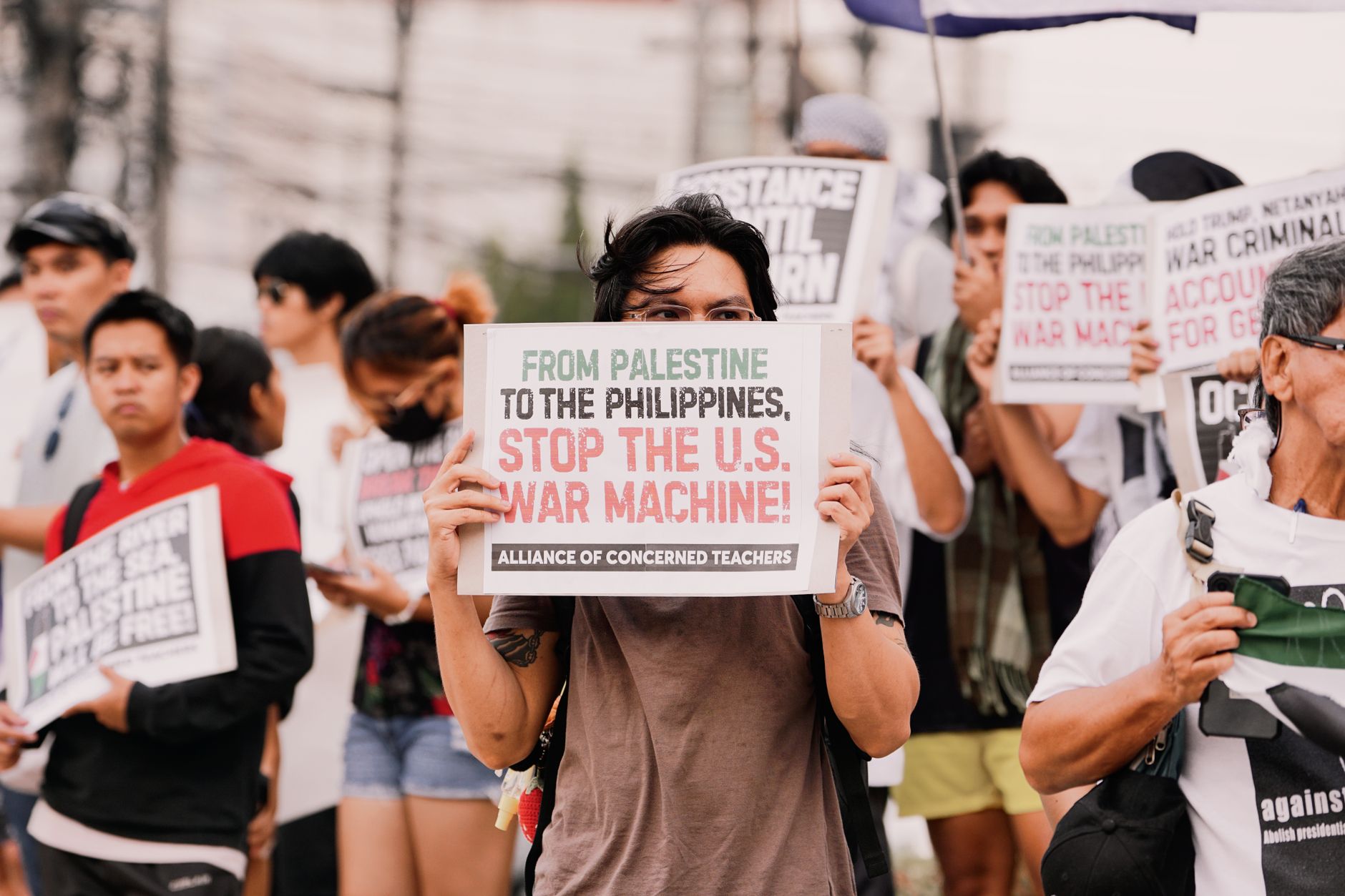
The Asia-Pacific alliance is facing significant challenges as Trump’s policies have put it on life support. This situation raises concerns about the future of international cooperation in the region.
Background of the Asia-Pacific alliance
The Asia-Pacific alliance has been a pivotal element in fostering cooperation among nations in the region. Established with the aim of enhancing economic ties and ensuring security, the alliance has faced significant challenges in recent years. The shift in leadership in the United States marked a turning point for the alliance, as former President Trump took a more isolationist approach, which many critics argue put the partnership “on life support.”
This change in U.S. foreign policy raised concerns among member nations about the future of their collaboration. Countries that once relied on the alliance for support found themselves navigating a complex landscape marked by competing interests and rising tensions.
Moreover, the absence of strong U.S. leadership has led to uncertainty regarding collective responses to regional threats. As nations seek to adapt to this new reality, questions arise about the viability and effectiveness of the Asia-Pacific alliance in promoting stability and prosperity in the region.
Ultimately, the future of this alliance will depend on renewed commitment from its members and a unified vision moving forward.
Impact of Trump’s policies on alliances
The impact of Donald Trump’s policies on international alliances has been significant, particularly concerning the Asia-Pacific alliance. His administration’s approach raised concerns among member nations, leading to uncertainty about the future of cooperation in the region.
Key factors influencing this shift include:
- Withdrawal from agreements: Trump’s decision to withdraw from multilateral agreements diminished trust among allies and hindered collaborative efforts.
- Trade tensions: The imposition of tariffs strained economic relations, creating rifts that affected diplomatic ties.
- Isolationist rhetoric: Trump’s focus on “America First” policies contributed to a perception that the U.S. was retreating from its leadership role in the Asia-Pacific alliance.
As a result, many nations are reassessing their commitments and exploring alternative partnerships. The implications of these changes could reshape the landscape of global cooperation, potentially leaving the Asia-Pacific alliance vulnerable as it seeks to adapt to a new geopolitical environment.
The future of international cooperation
The future of international cooperation hangs in a delicate balance, particularly with the emergence of the Asia-Pacific alliance. As nations navigate complex geopolitical landscapes, the potential for collaboration may be overshadowed by divisive policies and nationalistic agendas. The recent history of international relations demonstrates that alliances built on mutual respect and shared goals are essential for addressing global challenges.
However, the Asia-Pacific alliance, while intended to strengthen ties among member countries, raises questions about its long-term viability. Critics argue that focusing too heavily on regional interests can alienate other global players and create an environment of distrust. To foster genuine cooperation, nations must prioritize:
- Inclusivity: Engaging all stakeholders in meaningful dialogue.
- Transparency: Ensuring that alliances operate openly and fairly.
- Shared Goals: Collaborating on issues such as climate change and security.
Ultimately, the effectiveness of the Asia-Pacific alliance will depend on its ability to adapt and promote a cooperative spirit in an increasingly fragmented world.
Reactions from Asia-Pacific leaders
Leaders across the Asia-Pacific region have expressed a mix of concern and skepticism regarding the recently formed Asia-Pacific alliance. Many believe it may hinder rather than help global cooperation.
Several prominent figures have voiced their apprehensions:
- Prime Minister of Japan: Emphasized the need for multilateralism, stating that alliances should foster collaboration, not division.
- Australian Foreign Minister: Warned that the new alliance could lead to increased tensions, urging a more diplomatic approach to regional issues.
- New Zealand’s Prime Minister: Highlighted the importance of inclusivity, arguing that a healthy partnership should encompass all nations in the region.
- South Korean President: Suggested that the Asia-Pacific alliance might be counterproductive, potentially alienating crucial partners and destabilizing existing relationships.
As leaders contemplate their strategies in light of this evolving geopolitical landscape, the call for unity and constructive dialogue remains a central theme among Asia-Pacific nations.
Comparative analysis with past administrations
In examining the Asia-Pacific alliance, it is essential to compare the current dynamics with those of past administrations. Historically, U.S. foreign policy in the Asia-Pacific region has oscillated between engagement and isolation. During President Obama’s administration, the pivot to Asia aimed to strengthen alliances, enhance economic ties, and promote stability in the region.
Conversely, Trump’s approach placed significant strain on these relationships, invoking skepticism among allies. His withdrawal from key trade agreements, such as the Trans-Pacific Partnership, was perceived as an abdication of leadership, leaving the Asia-Pacific alliance vulnerable. This shift not only affected bilateral relations but also emboldened regional competitors, altering the balance of power.
Furthermore, Biden’s efforts to revitalize alliances reflect a recognition of the need for collaboration in addressing shared challenges. However, the lingering effects of previous policies complicate these efforts. As leaders in the Asia-Pacific navigate this new landscape, the lessons learned from past administrations serve as a critical reminder of the importance of sustained engagement and cooperation.
Potential solutions for strengthening alliances
To address the challenges faced by the Asia-Pacific alliance, several potential solutions can be explored to strengthen international cooperation. First, fostering open dialogues among member countries is crucial. Regular summits can provide a platform for leaders to discuss mutual concerns and enhance trust.
Second, establishing joint initiatives focused on economic development and security can align member nations’ interests. Programs that emphasize sustainable development and technology sharing may create a more robust partnership.
Third, engaging with regional organizations, such as ASEAN, can broaden the alliance’s influence and promote stability in the Asia-Pacific region. Cooperation with non-member countries on common challenges, like climate change and public health, can further solidify relationships.
Finally, ensuring that the voices of all members are heard during decision-making processes can enhance the legitimacy of the Asia-Pacific alliance. By prioritizing collaboration over competition, member nations can work towards a more cohesive and effective alliance in the face of global uncertainties.
Photo by Mico Medel on Pexels
Leave a Reply