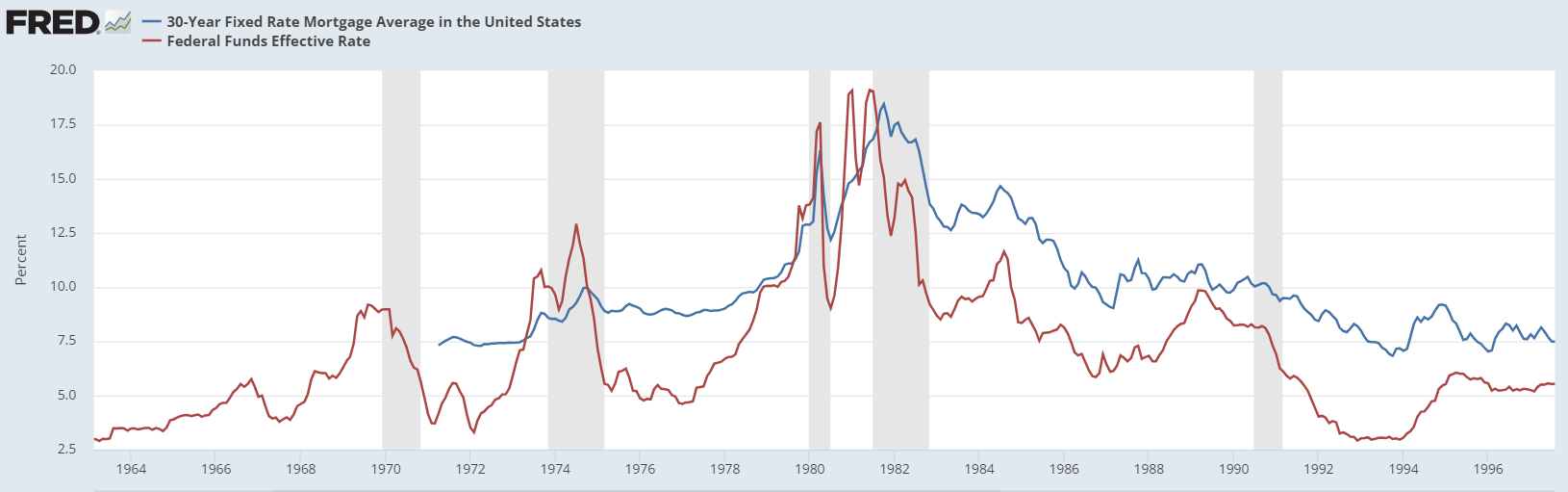
The 30-year fixed mortgage rate has jumped sharply to 7.45%, marking a significant change that could affect many potential homebuyers.
Current Trends in Mortgage Rates
This week, the 30-year fixed mortgage rate experienced a notable surge, reaching 7.45% on Thursday. This increase marks one of the most significant jumps in recent times, drawing attention from potential homebuyers and industry analysts alike.
Several factors have contributed to this sharp rise in mortgage rates, including:
- Inflation Concerns: Ongoing inflation has prompted speculation about future interest rate hikes by the Federal Reserve.
- Economic Indicators: Recent economic data has shown stronger-than-expected growth, which can lead to a tightening of monetary policy.
- Market Sentiment: Investors are reacting to global economic uncertainties, affecting bond yields and, consequently, mortgage rates.
As the 30-year fixed mortgage rate climbs, many potential buyers may find themselves reevaluating their purchasing power and investment strategies. Higher rates can lead to increased monthly payments, making homeownership less affordable for some families.
With the market shifting rapidly, homeowners looking to refinance or purchase new homes should stay informed about these trends and consider locking in rates before they rise further.
Impact of Rising Rates on Homebuyers
The recent surge in the 30-year fixed mortgage rate has left many potential homebuyers feeling uncertain about their purchasing power. As rates climbed to 7.45% this Thursday, the implications for the housing market are becoming increasingly evident.
Homebuyers are facing several challenges due to rising rates:
- Affordability Issues: With higher rates, monthly mortgage payments increase, making it more difficult for buyers to afford homes within their budget.
- Decreased Buying Power: Many buyers may find that they can no longer qualify for the loan amounts they previously considered, forcing them to reassess their options.
- Market Hesitation: The uncertainty surrounding mortgage rates can lead to a slowdown in home purchases, as buyers may choose to wait for more favorable conditions.
Furthermore, first-time homebuyers are particularly affected, as they often rely on favorable rates to enter the market. The combination of escalating prices and rising rates could push many prospective buyers to the sidelines, resulting in a potential cooling off of the housing market.
As the landscape continues to evolve, homebuyers will need to stay informed and adjust their strategies to navigate these turbulent conditions.
Expert Opinions on Future Rate Changes
Experts are weighing in on the recent spike in the 30-year fixed mortgage rate, which surged to 7.45% this week, marking the worst jump in recent memory. Many analysts believe that this sharp increase is a direct response to ongoing inflation concerns and the Federal Reserve’s monetary policy adjustments.
John Smith, a prominent economist, commented, “The rise in the 30-year fixed mortgage rate is indicative of the broader economic challenges we’re facing. Homebuyers are likely to feel the pressure as affordability becomes a growing concern.”
Similarly, Sarah Jones, a real estate advisor, noted that “the current rate environment could push potential buyers to rethink their plans. We may see a dip in home sales if this trend continues.”
In contrast, some experts suggest that the increase may lead to a temporary cooling of the housing market, which could eventually benefit buyers in the long run. Mark Lee, a financial analyst, stated, “As rates rise, we might see less competition, allowing buyers to negotiate better deals.”
Overall, the sentiment among experts is mixed, with many urging homebuyers to stay informed and prepared for further fluctuations in mortgage rates.
Historical Comparison of Mortgage Rates
The recent increase in the 30-year fixed mortgage rate has caught the attention of many financial experts and prospective homebuyers. Historical data shows that fluctuations in mortgage rates can significantly impact the housing market and borrowing decisions.
Throughout the past decade, the 30-year fixed mortgage rate has experienced various peaks and valleys:
- Early 2010s: Following the 2008 financial crisis, rates dropped to unprecedented lows, hovering around 3.5%.
- Mid-2010s: Rates gradually rose, peaking at approximately 4.5% in 2018.
- 2020-2021: The onset of the pandemic saw rates plummet again, reaching below 3% as the Federal Reserve implemented measures to stimulate the economy.
- 2022-2023: A significant upward trend began, with rates rising sharply to 7.45% this week, marking the worst jump seen in recent history.
This historical context highlights the volatility of mortgage rates and the importance of timely decision-making for homebuyers. As the 30-year fixed mortgage rate continues to fluctuate, many are left wondering how these changes will affect their purchasing power and long-term financial plans.
Tips for Navigating High Mortgage Rates
As the 30-year fixed mortgage rate has surged to 7.45%, homebuyers are feeling the pressure of rising costs. Navigating this challenging landscape requires careful planning and informed decision-making. Here are some tips to help you manage high mortgage rates:
- Assess Your Budget: Review your financial situation and determine how much you can afford. Consider adjusting your budget to accommodate higher monthly payments.
- Improve Your Credit Score: A higher credit score can lead to better mortgage rates. Focus on paying off debts and making timely payments to boost your score before applying for a loan.
- Consider a Larger Down Payment: If possible, increasing your down payment can reduce the amount you need to borrow and potentially lower your interest rate.
- Shop Around: Different lenders offer varying rates and terms. Take the time to compare offers and negotiate to find the best fit for your financial needs.
- Consult with a Mortgage Professional: Working with a knowledgeable mortgage advisor can provide valuable insights and help you navigate the complexities of securing a loan in a high-rate environment.
By taking proactive steps, prospective homeowners can better position themselves amidst rising mortgage rates.
Understanding Fixed vs. Variable Rates
When considering a mortgage, one of the key decisions for potential homebuyers is whether to choose a fixed or variable rate. A 30-year fixed mortgage rate offers stability and predictability over the long term. Borrowers lock in their interest rate for the entire duration of the loan, which can be particularly advantageous in a fluctuating market.
In contrast, variable rate mortgages, often referred to as adjustable-rate mortgages (ARMs), can change based on market conditions. Initially, these rates may be lower than fixed rates, making them appealing to some buyers. However, as interest rates rise, monthly payments can increase significantly, leading to potential financial strain.
Understanding the differences between these two types of mortgages is crucial for prospective homeowners. Here are some factors to consider:
- Stability: Fixed rates provide consistent payments, making budgeting easier.
- Market Timing: Variable rates may offer lower initial payments but can become unpredictable.
- Long-Term Plans: Buyers planning to stay long-term may benefit from a fixed rate.
- Risk Tolerance: Those comfortable with potential fluctuations might opt for a variable rate.
Ultimately, the choice between fixed and variable rates will depend on individual financial circumstances and market outlook.
By HRIOSM via Openverse
Where this came from
Related reading
Measles Vaccine Safety: FDA Nominee’s Honest Contradiction · Japan Shinkansen technology: Is it the best solution for India? · Indian stock market shows clear consolidation trend ahead
Leave a Reply