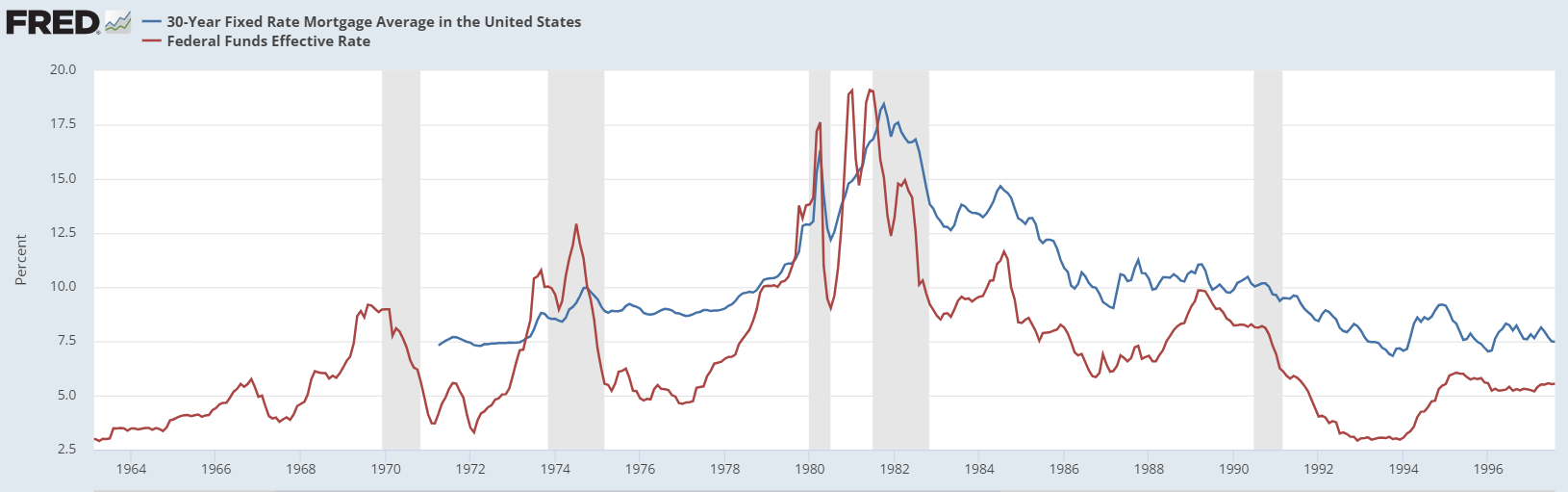
The October inflation report is pivotal for understanding the Fed’s largest rate hike since 2022. Analysts are closely monitoring this unusual data for its potential impact on the economy.
What the October Inflation Report Reveals
The October inflation report has been a focal point for economists and policymakers alike, revealing significant trends that could influence future monetary policy. As inflation rates fluctuate, understanding the underlying factors is crucial for anticipating the Federal Reserve’s next moves.
One of the most pressing issues highlighted in the report is the persistent rise in energy prices. Driven by various global factors, including geopolitical tensions and supply chain disruptions, energy costs have surged, contributing to overall inflationary pressures.
Additionally, food prices remain a significant concern. The report indicates that agricultural challenges, coupled with increased demand, have led to higher costs for consumers. This trend is particularly alarming as it affects low-income households disproportionately.
Another noteworthy aspect of the October inflation report is the impact of wage growth. While rising wages are generally a positive economic indicator, they can also lead to increased consumer spending, potentially exacerbating inflation if not matched by productivity gains.
In summary, the October inflation report reveals a complex interplay of factors influencing inflation rates. As the Federal Reserve considers its options, understanding these elements will be essential for navigating the economic landscape ahead.
- Rising energy prices
- Increased food costs
- Wage growth and consumer spending
The implications of this report will likely resonate throughout the upcoming policy discussions.
Impact of Inflation on Interest Rates
The recent October inflation report has sent shockwaves through the financial markets, prompting discussions about its potential impact on interest rates. As inflation persists at higher levels, the Federal Reserve faces significant pressure to adjust monetary policy accordingly.
One of the most critical factors influencing interest rates is the current inflation trajectory. The October inflation report reveals a sustained increase in consumer prices, which could lead to more aggressive rate hikes by the Fed. Analysts are concerned that continued inflationary pressures may necessitate a response that could further affect borrowing costs.
Several key elements are driving the inflation numbers:
- Supply Chain Disruptions: Ongoing challenges in global supply chains are contributing to price increases across various sectors.
- Energy Prices: Fluctuations in energy costs have a direct correlation with inflation rates, impacting household budgets and spending habits.
- Labor Market Tightness: A robust job market is leading to wage growth, which can fuel inflation as businesses pass on higher labor costs to consumers.
- Consumer Demand: Increased consumer spending has outpaced supply, creating upward pressure on prices.
As the Federal Reserve evaluates the October inflation report, market participants are closely watching for signals regarding future interest rate adjustments, aware that these decisions will have far-reaching implications for the economy.
Understanding Recent Fed Decisions
The recent decisions made by the Federal Reserve are closely tied to the findings of the October inflation report. As inflation continues to shape economic policy, the Fed faces increasing pressure to respond effectively to fluctuating rates.
One of the most significant factors influencing the Fed’s decisions is the persistent rise in consumer prices. The October inflation report highlighted a notable increase in key sectors, prompting the Fed to consider aggressive measures. These measures are aimed at curbing inflation while balancing economic growth.
- Labor Market Dynamics: Tight labor markets have led to wage growth, which can further fuel inflation.
- Supply Chain Disruptions: Ongoing supply chain issues continue to impact the availability of goods, contributing to price hikes.
- Energy Prices: Rising energy costs are a significant factor driving overall inflation, as they affect transportation and production expenses.
The Fed’s response to the October inflation report will likely include adjustments in interest rates. With the potential for the largest rate hike since 2022, the central bank is faced with the challenge of mitigating inflation without stifling economic recovery. As the situation evolves, market participants are keenly watching for any signals from the Fed that indicate their next steps in response to the current inflationary pressures.
Key Factors Influencing Economic Policy
The October inflation report has unveiled several key factors that are significantly influencing economic policy decisions. As inflationary pressures continue to mount, policymakers are faced with challenging decisions that could shape the economic landscape for years to come.
- Supply Chain Disruptions: Ongoing supply chain issues, exacerbated by global events, have led to persistent price increases across various sectors. These disruptions complicate the Fed’s ability to stabilize inflation rates.
- Labor Market Conditions: A tight labor market, characterized by low unemployment and rising wages, contributes to inflationary pressures. The October inflation report highlights how these conditions may force the Federal Reserve to consider further rate hikes to curb inflation.
- Energy Prices: Fluctuations in energy prices remain a significant factor. Recent spikes in oil and gas prices are contributing to overall inflation, as energy costs directly impact consumer spending and business operations.
- Consumer Demand: Robust consumer demand continues to drive prices higher. The October inflation report indicates that higher spending, particularly in the services sector, is sustaining inflationary trends.
In conclusion, the convergence of these factors calls for a nuanced response from the Federal Reserve. As they navigate the implications of the October inflation report, the focus remains on balancing growth while addressing inflationary pressures.
Market Reactions to Inflation Data
Market analysts reacted swiftly to the latest October inflation report, which revealed troubling signs for the economy. Investors closely monitored the data, as it has significant implications for monetary policy and interest rates. The report indicated that inflation remains stubbornly high, despite efforts from the Federal Reserve to stabilize prices.
In the wake of the report, stock markets displayed volatility, with many investors expressing concern over potential future rate hikes. The Federal Reserve’s decision-making process is increasingly tied to inflation data, and the October inflation report has heightened those concerns. Key reactions included:
- Increased volatility: Major indices fluctuated significantly throughout the trading day as market participants digested the inflation figures.
- Bonds under pressure: Treasury yields rose sharply, reflecting fears that the Fed may act more aggressively in response to persistent inflation.
- Commodities impacted: Prices for gold and oil experienced shifts as traders reassessed their outlook in light of the new data.
The October inflation report underscores the challenges facing policymakers. With inflation rates remaining above expectations, the Federal Reserve may need to consider further rate adjustments. This situation creates a complex environment for both consumers and businesses, as the implications of these economic decisions continue to unfold.
Future Projections for Inflation and Rates
As economists analyze the October inflation report, projections for future inflation rates and monetary policy are becoming increasingly critical. Experts suggest that several key factors will influence the direction of inflation in the coming months.
- Supply Chain Resilience: Continued improvements in supply chain efficiency may help mitigate inflationary pressures, potentially stabilizing prices for consumers.
- Energy Prices: Fluctuations in global energy markets will play a significant role, as rising oil and gas prices could lead to increased costs across various sectors.
- Labor Market Tightness: A strong labor market may drive wage growth, which, although beneficial for workers, could contribute to higher inflation if companies pass on these costs to consumers.
- Global Economic Conditions: External factors, including geopolitical tensions and international trade policies, will continue to affect domestic inflation rates.
- Federal Reserve Actions: The Federal Reserve’s response to the October inflation report will be crucial. Their decisions on interest rate hikes may further impact economic activity and inflation expectations.
Overall, analysts remain vigilant, watching how these factors unfold as they shape the economic landscape. The intersection of these elements will likely dictate both short-term fluctuations and long-term trends in inflation and interest rates.
Photo by Jakub Zerdzicki on Pexels