Tag: real estate

  • California homes sliding: The worst impacts yet to come

    California homes sliding: The worst impacts yet to come

    California homes sliding into the ocean has become a harsh reality for many residents. As coastal erosion accelerates, the situation is expected to worsen, prompting urgent discussions about safety and infrastructure.

    Understanding Coastal Erosion

    Coastal erosion is a pressing issue affecting many California homes sliding into the ocean, as changing climate patterns and rising sea levels exacerbate the problem. With the state’s picturesque coastline, numerous homes are built perilously close to the shore, making them particularly vulnerable to erosion.

    The phenomenon occurs when waves and currents wear away at the land, leading to a gradual loss of property and infrastructure. Factors contributing to this include:

    • Increased storm intensity: More frequent and severe storms can accelerate erosion.
    • Sea level rise: Global warming is causing oceans to expand, further threatening coastal homes.
    • Human activities: Construction and alterations to natural landscapes can disrupt sediment flow, increasing vulnerability.

    As residents confront the reality of homes sliding into the ocean, it becomes critical for local governments and communities to address these challenges through sustainable planning and mitigation strategies. Failure to act could lead to devastating consequences for those who call California’s beautiful coastline home.

    Impact on Local Communities

    The phenomenon of California homes sliding into the ocean is having a profound impact on local communities. As coastal erosion accelerates, residents face not only the loss of property but also significant emotional and economic challenges.

    Many families are grappling with the uncertainty of their living situations, leading to increased stress and anxiety. The fear of losing homes has prompted some communities to band together, advocating for more substantial protective measures and resources from local governments.

    Furthermore, local businesses are feeling the strain. As fewer residents remain in affected areas, the demand for goods and services declines, forcing many establishments to reconsider their viability. This economic shift can result in job losses and diminished community engagement.

    Additionally, the rising tide of climate-related migration is reshaping demographics, as residents seek safer ground. This influx can create tension between newcomers and long-term residents, complicating social dynamics within these vulnerable communities.

    As California faces these challenges, proactive strategies and community resilience will be crucial in addressing the ongoing impacts of coastal erosion.

    Government Response and Initiatives

    In response to the alarming trend of California homes sliding into the ocean, local and state governments are ramping up efforts to address the crisis. Various initiatives have been launched to protect vulnerable coastal communities and infrastructure.

    Key measures include:

    • Emergency Funding: The state has allocated millions of dollars for immediate response efforts, aimed at assisting residents affected by the erosion.
    • Coastal Protection Projects: New projects are being designed to enhance natural barriers, such as dunes and vegetation, to mitigate the impact of waves and storms.
    • Zoning Regulations: Authorities are updating zoning laws to prevent future constructions in high-risk areas, ensuring that new developments are more resilient to changing coastal conditions.
    • Community Engagement: Local governments are working closely with residents to educate them about risks and encourage participation in decision-making processes.

    As California homes sliding into the ocean becomes an ever-pressing issue, these initiatives represent a critical step towards safeguarding the future of coastal towns.

    California Homes Sliding: What’s Next?

    As California homes sliding into the ocean becomes a harsh reality for many residents, the question of what’s next looms large. Experts warn that the situation is likely to worsen, with several factors contributing to the escalation of coastal erosion.

    Among these factors are:

    • Increased Storm Intensity: Climate change is leading to more frequent and severe storms, which can accelerate erosion.
    • Rising Sea Levels: The gradual increase in sea levels threatens to inundate coastal areas, making homes more vulnerable.
    • Soil Saturation: Heavy rainfall can weaken the ground beneath houses, increasing the risk of landslides.

    Residents are left grappling with the uncertainty of their future, as the potential for property damage and loss looms. Local governments are urged to implement long-term strategies to address these challenges, but immediate solutions are desperately needed.

    Ultimately, the plight of California homes sliding serves as a stark reminder of the urgent need for sustainable coastal management practices.

    Photo by Stephen Leonardi on Pexels

    Where this came from

    Related reading

  • Florida Moving Trends: What Are the Best Insights for Summer?

    Florida Moving Trends: What Are the Best Insights for Summer?

    Florida moving trends indicate a shift in relocation patterns this summer. With many people choosing to move south, Florida remains a prominent hotspot for those seeking new opportunities and lifestyles.

    Overview of Summer Relocation Trends

    As summer approaches, many individuals and families are considering their relocation options, with Florida moving trends continuing to gain attention. According to the latest PODS® Moving Trends Report, Florida remains a top destination for movers, highlighting a significant shift in preferences as people seek warmer climates and more favorable living conditions.

    The report indicates several key factors influencing this trend:

    • Climate Appeal: Florida’s warm weather and abundant sunshine attract those looking to escape colder regions.
    • Job Opportunities: The state’s growing economy, particularly in sectors like technology and healthcare, draws professionals seeking new career paths.
    • Quality of Life: Many are drawn to Florida for its recreational activities, beaches, and vibrant culture, which enhance overall well-being.
    • Remote Work Flexibility: The rise of remote work allows individuals to relocate without being tied to their office locations, with Florida emerging as a popular choice.

    Overall, as more people consider relocating this summer, understanding Florida moving trends can provide valuable insights for those planning their next steps in the Sunshine State.

    Why Florida is a Moving Hotspot

    As the summer months approach, Florida continues to emerge as a prime destination for those looking to relocate. The latest insights from the PODS® Moving Trends Report indicate that Florida is not just a seasonal favorite, but a year-round moving hotspot.

    Several factors contribute to Florida’s appeal:

    • Favorable Climate: With its warm weather and abundant sunshine, Florida attracts individuals and families seeking a more temperate climate compared to northern states.
    • No State Income Tax: The absence of state income tax is a significant draw for many relocating to Florida, making it financially attractive for new residents.
    • Thriving Job Market: Florida’s economy has been robust, with job opportunities in sectors like tourism, healthcare, and technology continually on the rise.
    • Quality of Life: The state’s diverse recreational activities, beautiful beaches, and vibrant cultural scene enhance its quality of life, appealing to a wide demographic.

    These factors, combined with the ongoing trend of remote work, have solidified Florida’s status as a favored destination for those considering a move. Understanding these Florida moving trends can provide valuable insights for prospective relocators this summer.

    Key Insights from PODS® Report

    The latest PODS® Moving Trends Report highlights several key insights regarding Florida moving trends this summer. As the state continues to attract new residents, understanding these trends can help individuals and families make informed decisions about their relocation.

    • Increased Migration: Florida has seen a significant uptick in people moving from northern states, drawn to the warm climate and lack of state income tax.
    • Urban to Suburban Shift: Many movers are leaving densely populated urban areas for suburban locales, seeking more space and a quieter lifestyle.
    • Affordability Challenges: While Florida remains appealing, rising housing costs in some regions could affect future moving trends, prompting prospective residents to explore less expensive areas within the state.
    • Demographic Changes: The influx includes a diverse mix of young professionals, retirees, and families, each with unique needs and preferences that influence local housing markets.

    Overall, Florida moving trends indicate a dynamic and evolving landscape for relocation this summer. As potential movers weigh their options, staying informed about these insights can provide a competitive edge in securing the ideal living situation.

    Impact of Climate on Moving Decisions

    The impact of climate on moving decisions is significant, especially in a state like Florida, where summer temperatures can soar. As residents contemplate relocation, the warm weather becomes a double-edged sword. While the sunny climate attracts newcomers, the heat can also deter some from moving during the peak summer months.

    According to the PODS® Moving Trends Report, many people prefer to relocate to Florida in the spring or fall to avoid the sweltering summer heat. However, this trend also reveals a growing number of individuals willing to brave the summer conditions, drawn by Florida’s appealing lifestyle and economic opportunities.

    Factors that influence these decisions include:

    • Timing: Many families want to settle before the school year begins, prompting summer moves.
    • Job Opportunities: A surge in job openings in the state encourages relocations, even in hotter months.
    • Health Considerations: Some movers prioritize warmer climates for health reasons, opting for Florida’s year-round warmth.

    Overall, understanding Florida moving trends requires recognizing how climate impacts choices, balancing the allure of the sun with practical considerations.

    Cost of Living Comparisons

    As individuals and families consider their next moves, the cost of living is a significant factor influencing decisions, particularly in the context of Florida moving trends. In recent analyses, Florida has emerged as an attractive destination despite its varying costs across different regions.

    For those contemplating relocation, here are some key comparisons:

    • Housing Costs: In major metropolitan areas like Miami and Orlando, housing prices can be higher than the national average. However, more rural areas offer affordable options that can significantly lower living expenses.
    • Utilities: Florida’s warm climate can lead to higher energy bills during the summer months, with air conditioning being essential. It’s crucial to factor these costs into budgeting.
    • Transportation: While public transport is available, many residents rely on cars, which can lead to additional expenses for fuel and maintenance.
    • Taxes: Florida’s lack of state income tax is a major draw, potentially balancing out higher costs in other areas.

    Understanding these comparisons can help individuals make informed decisions when considering a move to Florida this summer.

    Future Predictions for Moving Trends

    As the summer season approaches, predictions for Florida moving trends suggest a continued influx of new residents seeking warmer climates and vibrant communities. Experts anticipate that the demand for moving services will remain strong, driven by both remote work flexibility and the allure of Florida’s lifestyle.

    Key factors influencing future moving trends in Florida include:

    • Population Growth: Florida’s population is expected to increase, drawing individuals and families from across the country.
    • Urban vs. Suburban Migration: Many are opting for suburban areas offering more space and affordability, while urban centers continue to attract younger professionals.
    • Long-term Remote Work: Companies embracing hybrid work models will likely lead to sustained relocation to Florida as employees prioritize quality of life.
    • Climate Considerations: Despite potential environmental challenges, Florida’s warm climate remains a significant draw for many movers.

    In conclusion, as Florida solidifies its status as a prime relocation destination, staying informed about these moving trends will be crucial for those considering a move this summer. The state’s unique blend of opportunities and lifestyle continues to make it an attractive option for new residents.

    As we analyze the Florida moving trends this summer, it’s clear that many families are prioritizing proximity to beaches and outdoor activities. These Florida moving trends also indicate a growing demand for larger homes with home office spaces as remote work continues to be popular.

    By nordique via Openverse

    Sources

    Related stories

  • 30-Year Fixed Mortgage Rate: Worst Jump This Week

    30-Year Fixed Mortgage Rate: Worst Jump This Week

    The 30-year fixed mortgage rate has jumped sharply to 7.45%, marking a significant change that could affect many potential homebuyers.

    Current Trends in Mortgage Rates

    This week, the 30-year fixed mortgage rate experienced a notable surge, reaching 7.45% on Thursday. This increase marks one of the most significant jumps in recent times, drawing attention from potential homebuyers and industry analysts alike.

    Several factors have contributed to this sharp rise in mortgage rates, including:

    • Inflation Concerns: Ongoing inflation has prompted speculation about future interest rate hikes by the Federal Reserve.
    • Economic Indicators: Recent economic data has shown stronger-than-expected growth, which can lead to a tightening of monetary policy.
    • Market Sentiment: Investors are reacting to global economic uncertainties, affecting bond yields and, consequently, mortgage rates.

    As the 30-year fixed mortgage rate climbs, many potential buyers may find themselves reevaluating their purchasing power and investment strategies. Higher rates can lead to increased monthly payments, making homeownership less affordable for some families.

    With the market shifting rapidly, homeowners looking to refinance or purchase new homes should stay informed about these trends and consider locking in rates before they rise further.

    Impact of Rising Rates on Homebuyers

    The recent surge in the 30-year fixed mortgage rate has left many potential homebuyers feeling uncertain about their purchasing power. As rates climbed to 7.45% this Thursday, the implications for the housing market are becoming increasingly evident.

    Homebuyers are facing several challenges due to rising rates:

    • Affordability Issues: With higher rates, monthly mortgage payments increase, making it more difficult for buyers to afford homes within their budget.
    • Decreased Buying Power: Many buyers may find that they can no longer qualify for the loan amounts they previously considered, forcing them to reassess their options.
    • Market Hesitation: The uncertainty surrounding mortgage rates can lead to a slowdown in home purchases, as buyers may choose to wait for more favorable conditions.

    Furthermore, first-time homebuyers are particularly affected, as they often rely on favorable rates to enter the market. The combination of escalating prices and rising rates could push many prospective buyers to the sidelines, resulting in a potential cooling off of the housing market.

    As the landscape continues to evolve, homebuyers will need to stay informed and adjust their strategies to navigate these turbulent conditions.

    Expert Opinions on Future Rate Changes

    Experts are weighing in on the recent spike in the 30-year fixed mortgage rate, which surged to 7.45% this week, marking the worst jump in recent memory. Many analysts believe that this sharp increase is a direct response to ongoing inflation concerns and the Federal Reserve’s monetary policy adjustments.

    John Smith, a prominent economist, commented, “The rise in the 30-year fixed mortgage rate is indicative of the broader economic challenges we’re facing. Homebuyers are likely to feel the pressure as affordability becomes a growing concern.”

    Similarly, Sarah Jones, a real estate advisor, noted that “the current rate environment could push potential buyers to rethink their plans. We may see a dip in home sales if this trend continues.”

    In contrast, some experts suggest that the increase may lead to a temporary cooling of the housing market, which could eventually benefit buyers in the long run. Mark Lee, a financial analyst, stated, “As rates rise, we might see less competition, allowing buyers to negotiate better deals.”

    Overall, the sentiment among experts is mixed, with many urging homebuyers to stay informed and prepared for further fluctuations in mortgage rates.

    Historical Comparison of Mortgage Rates

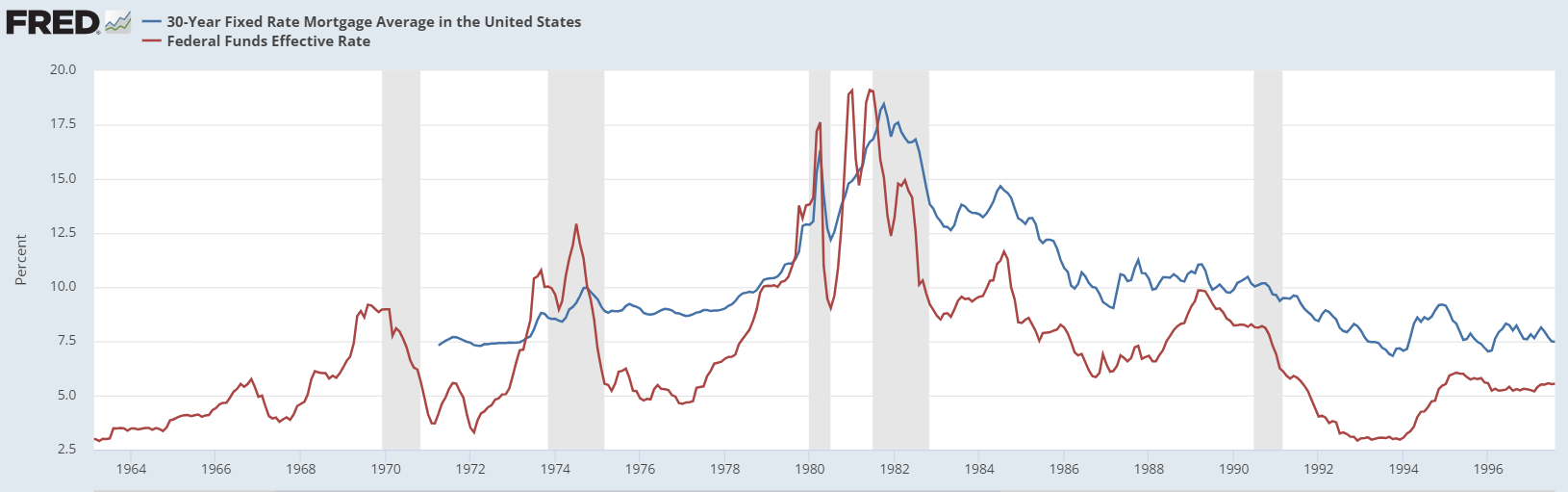
    The recent increase in the 30-year fixed mortgage rate has caught the attention of many financial experts and prospective homebuyers. Historical data shows that fluctuations in mortgage rates can significantly impact the housing market and borrowing decisions.

    Throughout the past decade, the 30-year fixed mortgage rate has experienced various peaks and valleys:

    • Early 2010s: Following the 2008 financial crisis, rates dropped to unprecedented lows, hovering around 3.5%.
    • Mid-2010s: Rates gradually rose, peaking at approximately 4.5% in 2018.
    • 2020-2021: The onset of the pandemic saw rates plummet again, reaching below 3% as the Federal Reserve implemented measures to stimulate the economy.
    • 2022-2023: A significant upward trend began, with rates rising sharply to 7.45% this week, marking the worst jump seen in recent history.

    This historical context highlights the volatility of mortgage rates and the importance of timely decision-making for homebuyers. As the 30-year fixed mortgage rate continues to fluctuate, many are left wondering how these changes will affect their purchasing power and long-term financial plans.

    Tips for Navigating High Mortgage Rates

    As the 30-year fixed mortgage rate has surged to 7.45%, homebuyers are feeling the pressure of rising costs. Navigating this challenging landscape requires careful planning and informed decision-making. Here are some tips to help you manage high mortgage rates:

    • Assess Your Budget: Review your financial situation and determine how much you can afford. Consider adjusting your budget to accommodate higher monthly payments.
    • Improve Your Credit Score: A higher credit score can lead to better mortgage rates. Focus on paying off debts and making timely payments to boost your score before applying for a loan.
    • Consider a Larger Down Payment: If possible, increasing your down payment can reduce the amount you need to borrow and potentially lower your interest rate.
    • Shop Around: Different lenders offer varying rates and terms. Take the time to compare offers and negotiate to find the best fit for your financial needs.
    • Consult with a Mortgage Professional: Working with a knowledgeable mortgage advisor can provide valuable insights and help you navigate the complexities of securing a loan in a high-rate environment.

    By taking proactive steps, prospective homeowners can better position themselves amidst rising mortgage rates.

    Understanding Fixed vs. Variable Rates

    When considering a mortgage, one of the key decisions for potential homebuyers is whether to choose a fixed or variable rate. A 30-year fixed mortgage rate offers stability and predictability over the long term. Borrowers lock in their interest rate for the entire duration of the loan, which can be particularly advantageous in a fluctuating market.

    In contrast, variable rate mortgages, often referred to as adjustable-rate mortgages (ARMs), can change based on market conditions. Initially, these rates may be lower than fixed rates, making them appealing to some buyers. However, as interest rates rise, monthly payments can increase significantly, leading to potential financial strain.

    Understanding the differences between these two types of mortgages is crucial for prospective homeowners. Here are some factors to consider:

    • Stability: Fixed rates provide consistent payments, making budgeting easier.
    • Market Timing: Variable rates may offer lower initial payments but can become unpredictable.
    • Long-Term Plans: Buyers planning to stay long-term may benefit from a fixed rate.
    • Risk Tolerance: Those comfortable with potential fluctuations might opt for a variable rate.

    Ultimately, the choice between fixed and variable rates will depend on individual financial circumstances and market outlook.

    By HRIOSM via Openverse

    Where this came from

    CNBC

    Related reading

    Measles Vaccine Safety: FDA Nominee’s Honest Contradiction · Japan Shinkansen technology: Is it the best solution for India? · Indian stock market shows clear consolidation trend ahead