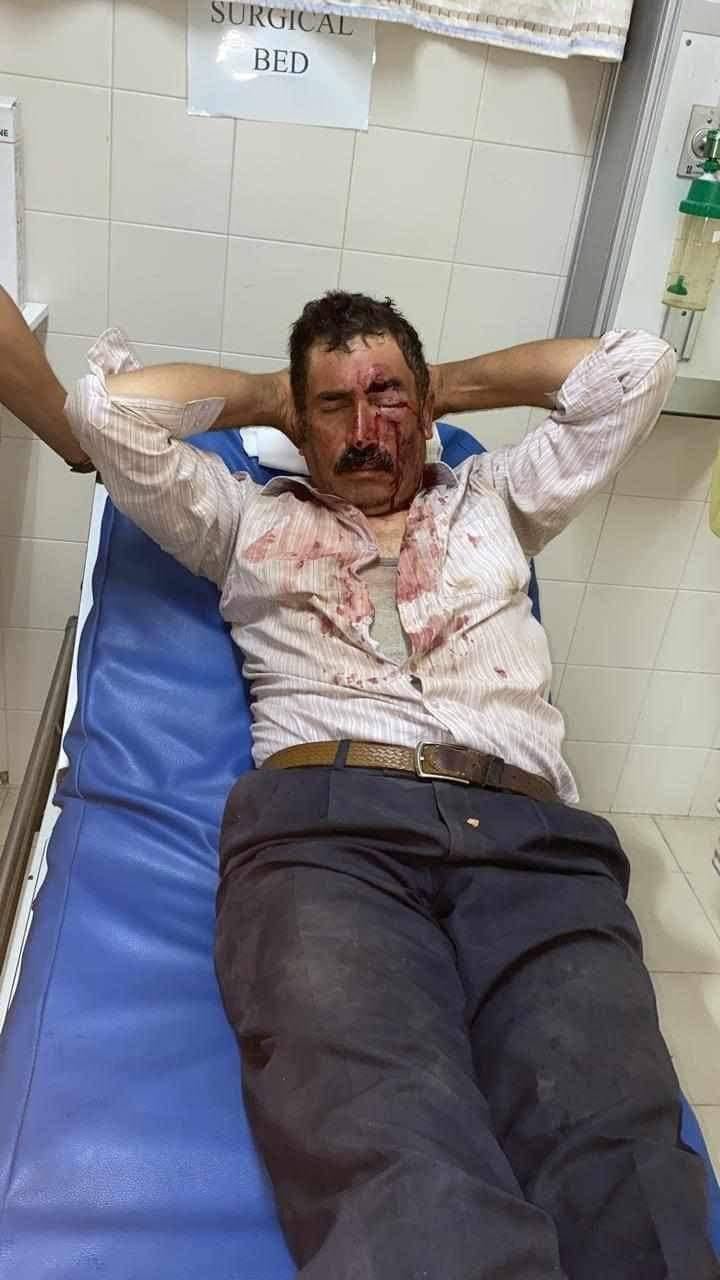
Israeli settlers violence has become a concerning issue in the West Bank, highlighted by a recent attack on an AFP photographer. This incident underscores the rising tensions in the region.
Background of the West Bank conflict
The West Bank has been a flashpoint of conflict for decades, with tensions between Israeli settlers and Palestinian residents escalating frequently. The violence often stems from disputes over land, resources, and national identity, creating an environment where hostility can erupt rapidly. Recently, the situation has worsened, with incidents of Israeli settlers violence becoming increasingly common and severe.
In the ongoing struggle for control over territory, the presence of Israeli settlers in the West Bank has added another layer of complexity. Many settlers believe they have a historical and religious right to the land, while Palestinians view their expansion as a violation of their rights and sovereignty. This clash has led to numerous confrontations, often resulting in violence against both Palestinians and journalists covering the events.
Reports indicate that journalists face significant risks while documenting these incidents. The recent attack on an AFP photographer serves as a stark reminder of the dangers reporters encounter in the region. As tensions rise, the need for accurate reporting becomes vital to inform the international community about the realities on the ground.
Understanding the background of the West Bank conflict is essential to grasp the complex dynamics at play and the implications of ongoing violence.
Recent incidents of violence
Recent incidents of violence in the West Bank have raised alarming concerns, particularly regarding the safety of journalists covering the ongoing tensions. Among the most notable occurrences, a photographer from Agence France-Presse (AFP) was attacked by Israeli settlers while documenting a clash in the region. This incident marks one of the worst for journalists in the area, highlighting the growing hostility and dangers they face.
Eyewitness accounts describe a chaotic scene where the AFP photographer was surrounded and beaten, underscoring the risks that media personnel encounter while attempting to report on the realities of the conflict. This violence is not isolated; it reflects a broader pattern of aggression exhibited by some Israeli settlers towards those who attempt to document their actions.
The implications of these incidents extend beyond the immediate physical danger to journalists, as they threaten the broader principle of press freedom in conflict zones. As journalists strive to provide accurate coverage of the situation, the increasing reports of violence against them signify a worrying trend that could hinder the flow of information and public understanding.
- Journalists face heightened risks in the West Bank.
- Incidents of violence against media personnel are on the rise.
- The situation calls for urgent attention to protect press freedom.
The role of journalists in conflict zones
Journalists play a crucial role in conflict zones, serving as the eyes and ears of the international community. Their work is essential for providing accurate information and raising awareness about the realities on the ground. In the context of the ongoing violence involving Israeli settlers, journalists often face significant risks while documenting events.
These professionals strive to report on incidents, such as the recent attacks in the West Bank, where violence has escalated. However, their safety is frequently compromised as they become targets themselves. The worst incident for journalists occurred when an AFP photographer was assaulted while covering the violence, highlighting the dangers they encounter.
Journalists must navigate complex dynamics and power structures, often finding themselves caught between conflicting parties. This precarious position can lead to situations where they are threatened, intimidated, or physically harmed.
Despite these challenges, the commitment of journalists remains unwavering. They continue to document the impact of Israeli settlers’ violence on local communities and provide a voice for those affected. Their reporting is vital for holding parties accountable and ensuring that the global audience remains informed about the ongoing situation in the West Bank.
Reactions from the international community
The recent incident involving Israeli settlers violence has elicited strong reactions from the international community, highlighting concerns over the safety of journalists in conflict zones. Numerous organizations and governments have condemned the attack on the AFP photographer, who was documenting the violence in the West Bank.
The United Nations expressed deep concern over the escalating violence and emphasized the need for accountability. A spokesperson stated, “Attacks against journalists undermine the fundamental right to freedom of expression and hinder the public’s access to information.”
Human Rights Watch also weighed in, calling for an immediate investigation into the incident and urging Israeli authorities to ensure the safety of all media personnel operating in the region. The organization noted that such violence not only threatens journalists but also perpetuates a cycle of impunity.
In addition, several European Union officials voiced their dismay, asserting that the protection of journalists is critical to promoting transparency and justice. They called on Israel to take necessary measures to prevent future incidents of violence against media representatives.
As the situation in the West Bank remains volatile, the international community continues to monitor developments closely, advocating for the rights and safety of journalists in the region.
Impact on local communities
The recent surge in violence from Israeli settlers has had profound implications for local communities in the West Bank. As tensions escalate, the daily lives of residents are increasingly marred by fear and uncertainty. The confrontations have led to a significant rise in injuries and property damage, impacting both Palestinian and Israeli families living in the area.
Residents report a palpable atmosphere of anxiety, as many feel vulnerable and unprotected. The violence not only disrupts community cohesion but also hampers access to essential services such as healthcare and education. Local markets, which are vital for economic stability, have witnessed a decline in activity due to fears of violence erupting.
Moreover, the presence of journalists attempting to cover these incidents has been met with hostility, further complicating the situation. The brutal attack on an AFP photographer highlights the dangers faced by media professionals in the region. These incidents of violence against journalists underscore the perilous environment in which they operate and the difficulties in reporting on the complex dynamics of the conflict.
In this tense context, the impact of Israeli settlers’ violence reverberates through the community, affecting not just the immediate victims but also the broader societal fabric of the West Bank.
Safety measures for journalists
In light of the escalating violence perpetrated by Israeli settlers, ensuring the safety of journalists in the West Bank has become increasingly vital. Journalists, who play a crucial role in reporting on conflict zones, face heightened risks as tensions rise. As incidents of violence against media personnel continue to increase, it is imperative that news organizations implement comprehensive safety measures.
Some recommended safety measures for journalists include:
- Training in conflict zone reporting: Journalists should undergo specialized training to prepare them for the unique challenges they face while covering violence in the West Bank.
- Establishment of safe zones: Media organizations should identify and designate areas where journalists can seek refuge during violent outbursts.
- Use of protective gear: Wearing appropriate safety equipment, such as helmets and bulletproof vests, can help safeguard journalists during turbulent situations.
- Emergency communication systems: Implementing reliable communication methods can ensure journalists remain connected to their teams and can call for assistance when needed.
- Partnerships with local organizations: Collaborating with local NGOs and advocacy groups can provide journalists with additional support and resources.
By prioritizing safety measures, news organizations can help protect journalists navigating the dangers of covering the ongoing violence in the West Bank.
Eyewitness accounts of the attack
Eyewitness accounts of the attack highlight the alarming rise in Israeli settlers violence against journalists in the West Bank. Several reporters present during the incident described a chaotic scene as tensions escalated between settlers and local residents. One journalist, who asked to remain anonymous, recounted the harrowing moments: “I saw the settlers charging towards us, shouting aggressively. It was clear they wanted to silence any coverage of their actions.”
Another eyewitness, a local resident, shared their perspective: “We were filming the settlers attacking our community when they turned on the journalists. It was terrifying to see them being targeted just for doing their job.”
Multiple journalists reported being physically assaulted while attempting to document the violence. A photographer from a major news agency stated, “I was hit and pushed away as I tried to capture the events. They were determined to prevent anyone from recording what was happening.”
Despite the dangers, many journalists continue to cover the situation, emphasizing the importance of shedding light on the realities on the ground. “It’s crucial that we report this violence,” another reporter asserted. “If we don’t, then the world will remain unaware of what is happening here.”
Future of press freedom in the region
The future of press freedom in the region remains uncertain as incidents of Israeli settlers violence continue to escalate. Journalists operating in the West Bank face increasing risks while attempting to report on the conflict, often becoming targets themselves rather than neutral observers. This worrying trend not only threatens the safety of reporters but also undermines the fundamental principles of a free press.
As violence against journalists becomes more common, several key concerns emerge:
- Increased censorship: With journalists fearing for their safety, there may be a chilling effect on reporting, leading to self-censorship and reduced coverage of critical events.
- Access to information: Journalists may find it difficult to obtain accurate information, limiting the public’s understanding of the situation on the ground.
- International scrutiny: Continued violence against journalists may prompt further international condemnation, but the effectiveness of such responses remains to be seen.
The implications of these challenges are profound, as a vibrant press is essential for informing the public and holding power accountable. Without adequate protections and support, the role of journalists in the West Bank may be severely compromised, impacting both local and global narratives surrounding the conflict.
The recent surge in Israeli settlers violence has raised serious concerns among human rights organizations. Journalists covering the conflict have faced unprecedented risks due to the escalating Israeli settlers violence in the region.
By Uyun Kafr Qari’ Refugee Emergency Committee via Openverse
Leave a Reply