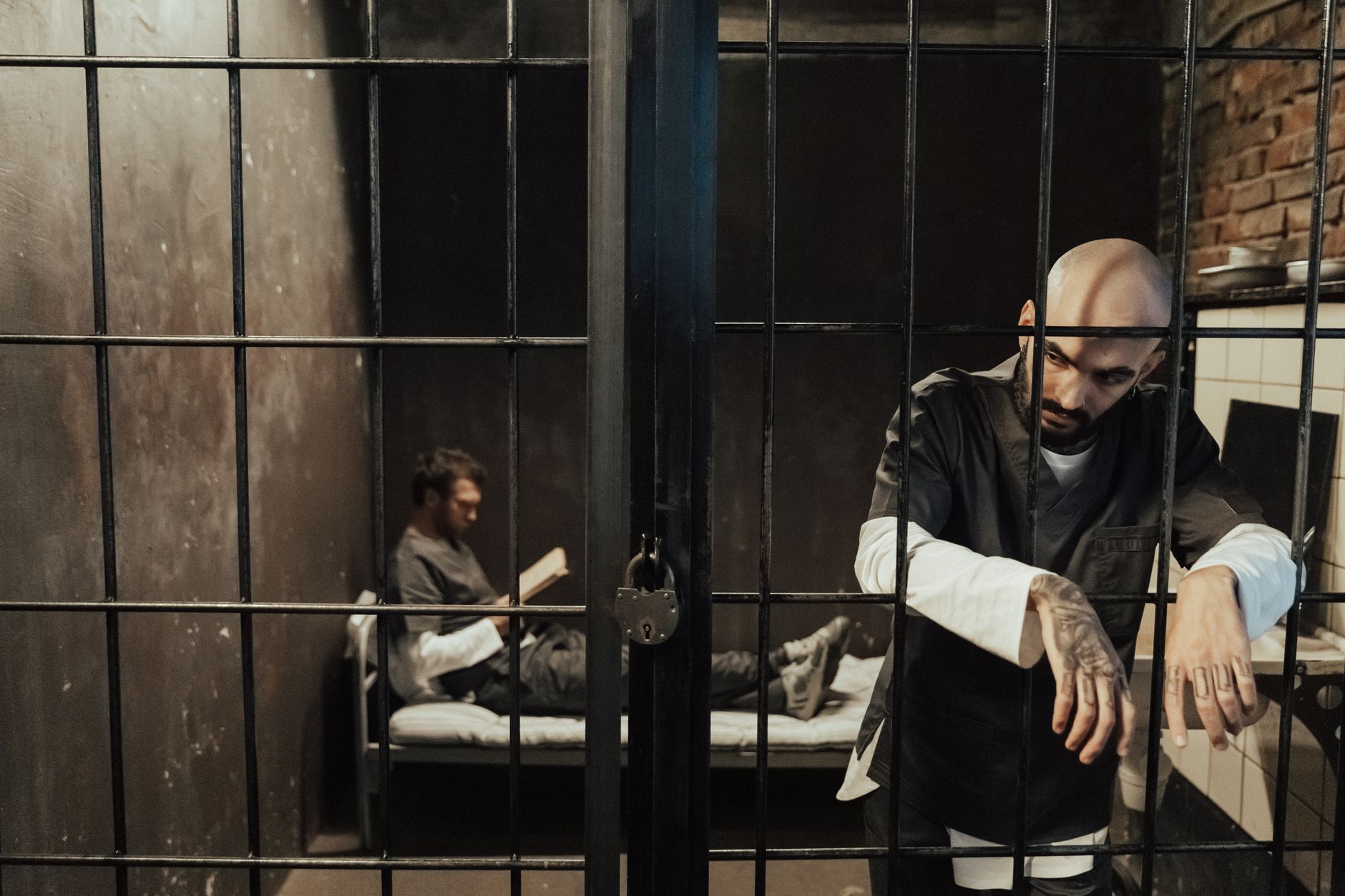
Tag: human rights

  • Pope criticizes death penalty: A clear stance against executions

    Pope criticizes death penalty: A clear stance against executions

    Pope criticizes death penalty in response to recent announcements about public executions. His remarks highlight a growing concern for human rights and dignity.

    Background on the death penalty

    The death penalty has been a contentious issue worldwide, with various countries adopting differing stances. While some nations have abolished it altogether, others continue to uphold capital punishment as a legal form of retribution. In recent years, the conversation surrounding the death penalty has intensified, particularly with public figures weighing in on the ethics and implications of executions.

    Critics argue that the death penalty is not only a flawed system but also disproportionately affects marginalized communities. Human rights organizations have long condemned its use, highlighting cases of wrongful convictions and the irreversible nature of such sentences. In contrast, proponents often argue that it serves as a deterrent to crime, although studies have shown mixed results regarding its effectiveness.

    Against this backdrop, the Pope criticizes the death penalty, emphasizing the sanctity of life and advocating for more humane alternatives to justice. His position resonates with many who believe that mercy and rehabilitation should take precedence over retribution in modern societies.

    • Global trends in capital punishment
    • Ethical debates surrounding executions
    • The role of public figures in shaping opinions

    Public reaction to Hegseth’s announcement

    Public reaction to the Pope’s criticism of the death penalty has been mixed, reflecting a deep division on the issue. Many supporters of the Pope’s stance commend him for taking a strong moral position against executions. They believe that his words resonate with a growing movement advocating for the abolition of capital punishment.

    On social media, posts in favor of the Pope’s views have surged, with users expressing gratitude for his leadership. A notable comment read, “The Pope’s criticism of the death penalty is a much-needed reminder of the value of life and forgiveness.” However, not all reactions have been positive.

    Opponents argue that the death penalty serves as a necessary tool for justice and public safety. Some believe that the Pope’s statements undermine victims’ rights and the societal need for punishment. As debates continue, it is clear that the Pope’s criticism has sparked important conversations about morality, justice, and the future of capital punishment in society.

    Pope’s history with capital punishment

    The Pope has long been an outspoken critic of the death penalty, emphasizing the sanctity of life and the potential for redemption. Throughout his papacy, he has consistently called for a reevaluation of capital punishment, arguing that it does not align with the teachings of compassion and forgiveness central to Christianity.

    In a notable address, he stated that “the death penalty is an affront to the dignity of the human person,” urging leaders and lawmakers to consider alternative forms of justice that can rehabilitate rather than punish. His stance has resonated with many, as he advocates for a more humane approach to justice that reflects the values of mercy and reconciliation.

    Over the years, the Pope has participated in numerous campaigns aimed at abolishing the death penalty globally. His efforts have included meetings with victims’ families, discussions with prison officials, and collaborations with international organizations dedicated to human rights. This continued advocacy highlights his commitment to opposing executions and fostering a culture of life.

    Global views on the death penalty

    The global views on the death penalty continue to evolve, with many countries reassessing their stance on capital punishment. Recent discussions have been ignited by the Pope’s criticism of the death penalty, highlighting a growing movement against executions worldwide.

    In various regions, opinions differ significantly:

    • Europe: Most European nations have abolished the death penalty, viewing it as a violation of human rights. The European Union firmly opposes capital punishment, advocating for its global abolition.
    • Asia: Countries like Japan and China still retain the death penalty, citing it as a necessary deterrent against heinous crimes. However, public sentiment is shifting toward more humane alternatives.
    • North America: The United States remains divided, with some states abolishing it while others continue to carry out executions. Recent polls indicate a growing opposition to the death penalty among the American public.

    The Pope’s criticism of the death penalty resonates with many advocates who believe that life should be valued, and that forgiveness and rehabilitation should take precedence over retribution.

    Human rights implications

    The Pope’s recent condemnation of the death penalty highlights significant human rights implications that are often overshadowed by legal and political discourse. His strong stance against executions reflects a growing concern regarding the ethics of capital punishment in contemporary society.

    Critics of the death penalty argue that it disproportionately affects marginalized communities, raising questions about social justice and equality. They emphasize the following key points:

    • Discrimination: Studies indicate that race, economic status, and geography play a crucial role in sentencing, suggesting systemic biases within the judicial system.
    • Irreversibility: The risk of executing an innocent person remains a profound ethical dilemma that cannot be overlooked.
    • Deterrence Myth: Research shows that the death penalty does not effectively deter crime, challenging the rationale behind its continued use.

    As the Pope criticizes the death penalty, he calls for a reevaluation of how societies value human life and dignity, urging leaders worldwide to reconsider their stance on this contentious issue.

    The role of the Catholic Church

    The Catholic Church has long held a significant position in the debate over capital punishment. In recent years, the Pope has increasingly voiced concerns surrounding the death penalty, emphasizing the sanctity of human life. This stance reflects a broader commitment to human dignity and a call for mercy and rehabilitation over retribution.

    Throughout its history, the Church has advocated for justice systems that prioritize restorative practices rather than punitive measures. The Pope’s criticisms of the death penalty resonate with many within the Church, who believe that every individual deserves the opportunity for redemption.

    Key points regarding the Church’s role in this ongoing conversation include:

    • Promoting Human Dignity: The Church emphasizes that every life has value, regardless of circumstances.
    • Advocating Mercy: Church leaders encourage forgiveness and rehabilitation instead of vengeance.
    • Global Outreach: The Church’s teachings on the death penalty aim to inspire dialogue and change worldwide.

    As the Pope criticizes the death penalty, he reinforces the Church’s mission to advocate for those marginalized by society.

    Future of capital punishment debates

    The future of capital punishment debates has been significantly influenced by recent statements from influential figures like the Pope. As discussions surrounding the death penalty evolve, the moral and ethical implications continue to spark intense conversations among lawmakers, activists, and the public.

    Many argue that the Pope’s criticism of the death penalty highlights a growing movement towards more humane forms of justice. Some key points for consideration include:

    • Moral Perspectives: The Church’s stance against executions reflects a broader ethical opposition to taking life, urging societies to reconsider their approaches to justice.
    • Legal Reforms: Countries are increasingly reviewing their capital punishment laws, with some even moving towards abolishment, influenced by both public opinion and religious perspectives.
    • Advocacy for Alternatives: The Pope advocates for restorative justice, emphasizing rehabilitation over retribution.

    As the discourse around the death penalty continues, the Pope’s recent remarks may serve as a catalyst for renewed debates on the legitimacy and morality of executions globally.

    The Pope criticizes death penalty as a violation of human dignity, urging nations to reconsider their stance on capital punishment. In a recent address, the Pope criticizes death penalty and calls for a global movement towards mercy and rehabilitation.

    Photo by Dirk Pothen on Pexels

    Sources

    You might also like

  • Israeli settlers violence: Worst incident for journalists in West Bank

    Israeli settlers violence: Worst incident for journalists in West Bank

    Israeli settlers violence has become a concerning issue in the West Bank, highlighted by a recent attack on an AFP photographer. This incident underscores the rising tensions in the region.

    Background of the West Bank conflict

    The West Bank has been a flashpoint of conflict for decades, with tensions between Israeli settlers and Palestinian residents escalating frequently. The violence often stems from disputes over land, resources, and national identity, creating an environment where hostility can erupt rapidly. Recently, the situation has worsened, with incidents of Israeli settlers violence becoming increasingly common and severe.

    In the ongoing struggle for control over territory, the presence of Israeli settlers in the West Bank has added another layer of complexity. Many settlers believe they have a historical and religious right to the land, while Palestinians view their expansion as a violation of their rights and sovereignty. This clash has led to numerous confrontations, often resulting in violence against both Palestinians and journalists covering the events.

    Reports indicate that journalists face significant risks while documenting these incidents. The recent attack on an AFP photographer serves as a stark reminder of the dangers reporters encounter in the region. As tensions rise, the need for accurate reporting becomes vital to inform the international community about the realities on the ground.

    Understanding the background of the West Bank conflict is essential to grasp the complex dynamics at play and the implications of ongoing violence.

    Recent incidents of violence

    Recent incidents of violence in the West Bank have raised alarming concerns, particularly regarding the safety of journalists covering the ongoing tensions. Among the most notable occurrences, a photographer from Agence France-Presse (AFP) was attacked by Israeli settlers while documenting a clash in the region. This incident marks one of the worst for journalists in the area, highlighting the growing hostility and dangers they face.

    Eyewitness accounts describe a chaotic scene where the AFP photographer was surrounded and beaten, underscoring the risks that media personnel encounter while attempting to report on the realities of the conflict. This violence is not isolated; it reflects a broader pattern of aggression exhibited by some Israeli settlers towards those who attempt to document their actions.

    The implications of these incidents extend beyond the immediate physical danger to journalists, as they threaten the broader principle of press freedom in conflict zones. As journalists strive to provide accurate coverage of the situation, the increasing reports of violence against them signify a worrying trend that could hinder the flow of information and public understanding.

    • Journalists face heightened risks in the West Bank.
    • Incidents of violence against media personnel are on the rise.
    • The situation calls for urgent attention to protect press freedom.

    The role of journalists in conflict zones

    Journalists play a crucial role in conflict zones, serving as the eyes and ears of the international community. Their work is essential for providing accurate information and raising awareness about the realities on the ground. In the context of the ongoing violence involving Israeli settlers, journalists often face significant risks while documenting events.

    These professionals strive to report on incidents, such as the recent attacks in the West Bank, where violence has escalated. However, their safety is frequently compromised as they become targets themselves. The worst incident for journalists occurred when an AFP photographer was assaulted while covering the violence, highlighting the dangers they encounter.

    Journalists must navigate complex dynamics and power structures, often finding themselves caught between conflicting parties. This precarious position can lead to situations where they are threatened, intimidated, or physically harmed.

    Despite these challenges, the commitment of journalists remains unwavering. They continue to document the impact of Israeli settlers’ violence on local communities and provide a voice for those affected. Their reporting is vital for holding parties accountable and ensuring that the global audience remains informed about the ongoing situation in the West Bank.

    Reactions from the international community

    The recent incident involving Israeli settlers violence has elicited strong reactions from the international community, highlighting concerns over the safety of journalists in conflict zones. Numerous organizations and governments have condemned the attack on the AFP photographer, who was documenting the violence in the West Bank.

    The United Nations expressed deep concern over the escalating violence and emphasized the need for accountability. A spokesperson stated, “Attacks against journalists undermine the fundamental right to freedom of expression and hinder the public’s access to information.”

    Human Rights Watch also weighed in, calling for an immediate investigation into the incident and urging Israeli authorities to ensure the safety of all media personnel operating in the region. The organization noted that such violence not only threatens journalists but also perpetuates a cycle of impunity.

    In addition, several European Union officials voiced their dismay, asserting that the protection of journalists is critical to promoting transparency and justice. They called on Israel to take necessary measures to prevent future incidents of violence against media representatives.

    As the situation in the West Bank remains volatile, the international community continues to monitor developments closely, advocating for the rights and safety of journalists in the region.

    Impact on local communities

    The recent surge in violence from Israeli settlers has had profound implications for local communities in the West Bank. As tensions escalate, the daily lives of residents are increasingly marred by fear and uncertainty. The confrontations have led to a significant rise in injuries and property damage, impacting both Palestinian and Israeli families living in the area.

    Residents report a palpable atmosphere of anxiety, as many feel vulnerable and unprotected. The violence not only disrupts community cohesion but also hampers access to essential services such as healthcare and education. Local markets, which are vital for economic stability, have witnessed a decline in activity due to fears of violence erupting.

    Moreover, the presence of journalists attempting to cover these incidents has been met with hostility, further complicating the situation. The brutal attack on an AFP photographer highlights the dangers faced by media professionals in the region. These incidents of violence against journalists underscore the perilous environment in which they operate and the difficulties in reporting on the complex dynamics of the conflict.

    In this tense context, the impact of Israeli settlers’ violence reverberates through the community, affecting not just the immediate victims but also the broader societal fabric of the West Bank.

    Safety measures for journalists

    In light of the escalating violence perpetrated by Israeli settlers, ensuring the safety of journalists in the West Bank has become increasingly vital. Journalists, who play a crucial role in reporting on conflict zones, face heightened risks as tensions rise. As incidents of violence against media personnel continue to increase, it is imperative that news organizations implement comprehensive safety measures.

    Some recommended safety measures for journalists include:

    • Training in conflict zone reporting: Journalists should undergo specialized training to prepare them for the unique challenges they face while covering violence in the West Bank.
    • Establishment of safe zones: Media organizations should identify and designate areas where journalists can seek refuge during violent outbursts.
    • Use of protective gear: Wearing appropriate safety equipment, such as helmets and bulletproof vests, can help safeguard journalists during turbulent situations.
    • Emergency communication systems: Implementing reliable communication methods can ensure journalists remain connected to their teams and can call for assistance when needed.
    • Partnerships with local organizations: Collaborating with local NGOs and advocacy groups can provide journalists with additional support and resources.

    By prioritizing safety measures, news organizations can help protect journalists navigating the dangers of covering the ongoing violence in the West Bank.

    Eyewitness accounts of the attack

    Eyewitness accounts of the attack highlight the alarming rise in Israeli settlers violence against journalists in the West Bank. Several reporters present during the incident described a chaotic scene as tensions escalated between settlers and local residents. One journalist, who asked to remain anonymous, recounted the harrowing moments: “I saw the settlers charging towards us, shouting aggressively. It was clear they wanted to silence any coverage of their actions.”

    Another eyewitness, a local resident, shared their perspective: “We were filming the settlers attacking our community when they turned on the journalists. It was terrifying to see them being targeted just for doing their job.”

    Multiple journalists reported being physically assaulted while attempting to document the violence. A photographer from a major news agency stated, “I was hit and pushed away as I tried to capture the events. They were determined to prevent anyone from recording what was happening.”

    Despite the dangers, many journalists continue to cover the situation, emphasizing the importance of shedding light on the realities on the ground. “It’s crucial that we report this violence,” another reporter asserted. “If we don’t, then the world will remain unaware of what is happening here.”

    Future of press freedom in the region

    The future of press freedom in the region remains uncertain as incidents of Israeli settlers violence continue to escalate. Journalists operating in the West Bank face increasing risks while attempting to report on the conflict, often becoming targets themselves rather than neutral observers. This worrying trend not only threatens the safety of reporters but also undermines the fundamental principles of a free press.

    As violence against journalists becomes more common, several key concerns emerge:

    • Increased censorship: With journalists fearing for their safety, there may be a chilling effect on reporting, leading to self-censorship and reduced coverage of critical events.
    • Access to information: Journalists may find it difficult to obtain accurate information, limiting the public’s understanding of the situation on the ground.
    • International scrutiny: Continued violence against journalists may prompt further international condemnation, but the effectiveness of such responses remains to be seen.

    The implications of these challenges are profound, as a vibrant press is essential for informing the public and holding power accountable. Without adequate protections and support, the role of journalists in the West Bank may be severely compromised, impacting both local and global narratives surrounding the conflict.

    The recent surge in Israeli settlers violence has raised serious concerns among human rights organizations. Journalists covering the conflict have faced unprecedented risks due to the escalating Israeli settlers violence in the region.

    By Uyun Kafr Qari’ Refugee Emergency Committee via Openverse

    References

    Related reading

  • Texas prison air conditioning: A proven solution for heat safety

    Texas prison air conditioning: A proven solution for heat safety

    Texas prison air conditioning has become a legal requirement following a federal judge’s ruling aimed at protecting inmates from extreme heat conditions.

    Overview of the Ruling

    A recent ruling by a federal judge mandates that Texas must implement air conditioning in its prisons, a crucial decision aimed at enhancing inmate safety during extreme heat conditions. The judge’s order highlights the dire conditions faced by prisoners, particularly during the sweltering summer months, where temperatures can soar to dangerous levels.

    This ruling is seen as a significant step toward ensuring humane treatment within the Texas prison system. The judge emphasized that the absence of adequate cooling systems poses serious health risks, including heat exhaustion and heat stroke. In light of this, the ruling reinforces that air conditioning is not merely a luxury but a necessary measure for protecting the well-being of inmates.

    Key points from the ruling include:

    • The requirement for immediate installation of air conditioning units in all facilities.
    • The acknowledgment of high temperatures as a violation of the Eighth Amendment, which prohibits cruel and unusual punishment.
    • The commitment to monitor compliance and ensure timely implementation of the ruling.

    Impact on Inmate Safety

    The recent ruling by a federal judge mandating Texas to implement air conditioning in its prisons has significant implications for inmate safety. As temperatures in Texas can soar during the summer months, the lack of adequate cooling systems has raised serious concerns about the health and welfare of incarcerated individuals.

    Extreme heat can lead to a range of medical issues, including:

    • Heat exhaustion
    • Heatstroke
    • Exacerbation of pre-existing health conditions

    By introducing air conditioning, Texas prisons can create a safer environment that not only protects inmates from the dangerous effects of heat but also promotes overall well-being. The implementation of air conditioning is a proven solution that can mitigate the risks associated with extreme heat and enhance the living conditions within correctional facilities. As Texas moves forward with this mandate, the focus on inmate safety will undoubtedly become a priority for prison administrators and policymakers alike.

    Response from Texas Officials

    In response to the recent federal ruling, Texas officials have acknowledged the necessity of implementing air conditioning in prisons to ensure the safety of inmates during extreme heat. The state’s leadership emphasized the importance of maintaining humane conditions within correctional facilities. Governor Greg Abbott stated that measures would be taken to comply with the court’s order, recognizing that adequate cooling systems are essential for inmate health and safety.

    Additionally, Texas Department of Criminal Justice officials are evaluating the timeline and budget required for installing air conditioning units in older facilities. They are also considering the logistics of maintenance and operations to ensure the systems function effectively. The introduction of air conditioning in Texas prisons is viewed as a critical step towards improving living conditions, especially during the sweltering summer months.

    As discussions continue, stakeholders are hopeful this commitment will lead to a safer environment for inmates, ultimately promoting rehabilitation over punishment.

    Historical Context of Prison Conditions

    Historically, Texas prisons have faced scrutiny regarding the extreme heat conditions endured by inmates. With temperatures soaring above 100 degrees during the summer months, the lack of air conditioning has raised significant concerns about health and safety. In 2019, a federal court determined that the conditions in certain facilities constituted cruel and unusual punishment, prompting calls for reforms.

    Over the years, advocacy groups have highlighted numerous incidents of heat-related illnesses and even fatalities among prisoners. Inmates often had to rely on fans or limited ventilation to cope with the sweltering environment, which led to severe discomfort and health risks. The push for Texas prison air conditioning solutions gained momentum as public awareness grew.

    Legislators have debated the costs versus benefits of implementing air conditioning, but the recent ruling marks a significant turning point. It underscores the urgent need for humane treatment and the importance of protecting inmate health in the face of extreme weather conditions.

    Future of Prison Regulations

    The recent ruling mandating air conditioning in Texas prisons marks a significant shift in regulatory standards, focusing on the importance of inmate welfare. As temperatures soar during the summer months, the lack of adequate cooling systems has raised serious concerns regarding health and safety. The future of prison regulations may increasingly prioritize humane living conditions, underscoring the necessity of air conditioning to mitigate heat-related illnesses.

    This decision could pave the way for similar mandates across the United States, potentially setting a legal precedent. Advocates argue that air conditioning is not merely a luxury but a fundamental requirement for maintaining the health of incarcerated individuals.

    Furthermore, the ruling may prompt state officials to reassess current prison infrastructure, pushing for modernization that aligns with contemporary standards. As discussions around inmate rights continue to evolve, the implementation of air conditioning in Texas prisons could represent a crucial step toward ensuring humane treatment in correctional facilities.

    Public Opinion on Air Conditioning

    Public opinion on the implementation of Texas prison air conditioning has evolved significantly in recent years, particularly following a federal judge’s ruling. Many advocates argue that air conditioning is not just a luxury but a necessity for ensuring the health and safety of inmates, especially during the scorching summer months.

    Surveys indicate that a majority of Texans support the move to cool prison facilities, citing concerns over heat-related illnesses and the ethical responsibility of the state. Among the reasons for this shift in sentiment are:

    • Health Risks: Increasing evidence links extreme heat to serious medical conditions.
    • Human Rights: Many believe that humane treatment should extend to all individuals, regardless of their convictions.
    • Civic Duty: Citizens feel that providing adequate living conditions is a reflection of societal values.

    As discussions continue, the push for air conditioning in Texas prisons seems to resonate with a growing consensus for reform and humane treatment.

    Implementing Texas prison air conditioning has been shown to significantly reduce heat-related illnesses among inmates. Furthermore, the benefits of Texas prison air conditioning extend beyond comfort, promoting overall health and safety within correctional facilities.

    Photo by Ron Lach on Pexels

    Read the original

    The New York Times

    You might also like

    2026 Mahindra Thar: Best Proven Features and Safety Upgrades · Asian Games highlights: What are the best moments from cricket? · Rishabh Sambyal Sacrifice: The Real Story Behind His Choice