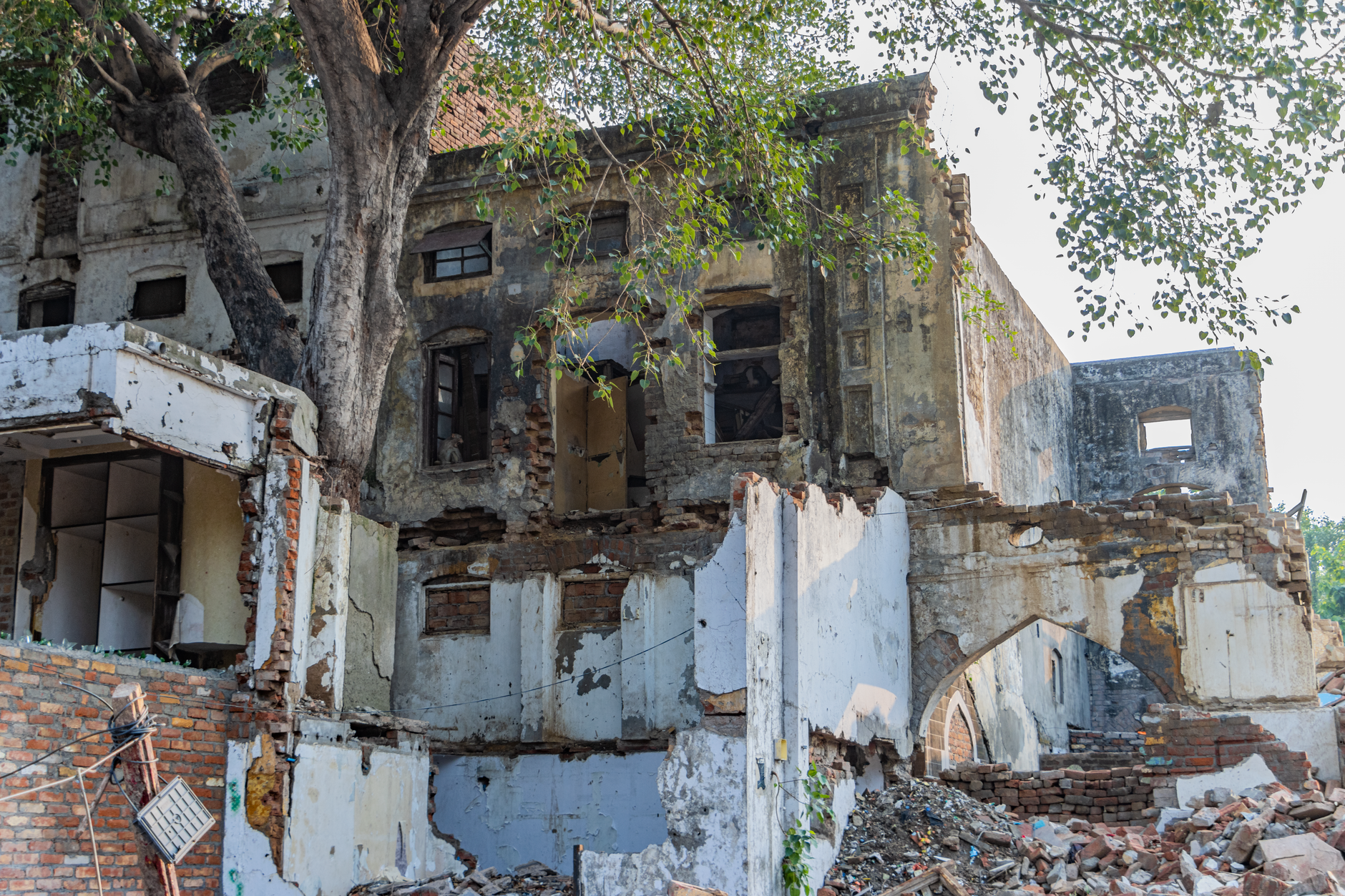
The Delhi building collapse highlights the dangers associated with aging structures. This tragic incident raises questions about safety standards and the greed that can compromise them.
Overview of the Delhi building collapse
The recent Delhi building collapse has raised significant concerns regarding building safety and regulation in urban areas. The structure, which was approximately 50 years old, had been showing signs of deterioration long before the tragic event occurred. Eyewitness accounts reveal that cracks were visible on the walls, and residents had been reporting issues to the local authorities for months.
Despite these warnings, the building continued to be occupied, highlighting a troubling trend where profit often takes precedence over safety. Authorities are now investigating the circumstances surrounding this collapse, focusing on:
- The state of the building prior to the incident
- Whether proper inspections were conducted
- Accountability of the landlords and local officials
This incident serves as a grave reminder of the potential consequences of neglecting building maintenance and regulation.
Causes of the building’s deterioration
The tragic Delhi building collapse raises critical questions about the factors leading to the deterioration of aging structures in urban areas. Several key causes have been identified:
- Age of the structure: The building, which was over 50 years old, suffered from significant wear and tear, making it prone to structural failures.
- Lack of maintenance: Regular upkeep was neglected, causing critical components to weaken over time.
- Overcrowding: Increased occupancy without proper assessment led to undue stress on the building’s framework.
- Illegal modifications: Unauthorized alterations may have compromised the integrity of the original design.
- Regulatory failures: Insufficient enforcement of building codes allowed unsafe conditions to persist.
These factors combined created a perfect storm, ultimately culminating in the tragic event that shocked the community.
Impact on local community
The recent Delhi building collapse has left the local community in shock and mourning. Residents are grappling with the aftermath as they come to terms with the loss of life and property. The tragedy has not only claimed lives but has also displaced many families, forcing them to seek shelter and support elsewhere.
The emotional and psychological toll on the community is immense, with many individuals expressing their grief and anger over the negligence that led to this incident. Local organizations are stepping up to provide assistance, but the need for long-term support is critical.
In the wake of the Delhi building collapse, community leaders are calling for more stringent regulations and inspections to prevent such tragedies in the future. The event has sparked a conversation about building safety and the importance of maintaining infrastructure to protect residents.
Government response to the incident
In response to the Delhi building collapse, government officials have pledged to investigate the circumstances surrounding the tragic event. Local authorities are under scrutiny as many residents question how a 50-year-old structure was allowed to remain in use despite evident signs of deterioration.
The Chief Minister announced an immediate review of safety regulations for older buildings across the city. “We will ensure that such incidents do not happen again,” he stated during a press conference. Emergency teams have been deployed to assist the affected families, providing essential services and shelter.
Additionally, the government has promised to hold accountable those responsible for neglecting building safety standards. “We cannot let greed compromise the safety of our citizens,” a government spokesperson emphasized. Investigations are underway to determine whether proper building codes were followed in the years leading up to the tragic Delhi building collapse.
Safety regulations in construction
The tragic Delhi building collapse has raised serious questions about safety regulations in construction. Over the years, various buildings have faced neglect, leading to deteriorating conditions that can endanger lives. In this incident, the aged structure, which had been standing for 50 years, was reportedly revived out of greed without proper assessments or renovations.
Key safety regulations are often overlooked in pursuit of profit, including:
- Regular inspections: Buildings should undergo routine evaluations to detect any potential hazards.
- Compliance with standards: Adhering to established construction codes is crucial for ensuring structural integrity.
- Expert assessments: Engaging qualified professionals for renovation projects can prevent tragedies like the Delhi building collapse.
Without strict enforcement of safety measures, such incidents may continue to occur, jeopardizing public safety and well-being.
Lessons learned from past collapses
The recent tragedy of the Delhi building collapse serves as a somber reminder of the critical lessons learned from past incidents involving structural failures. Several key factors consistently emerge from these cases:
- Regular inspections: Buildings should undergo frequent evaluations to identify signs of deterioration or potential hazards.
- Adherence to safety codes: Strict enforcement of construction codes and regulations is essential to ensure the integrity of structures.
- Community awareness: Educating residents about the risks associated with aging buildings can empower them to report concerns before tragedies occur.
- Accountability: Establishing clear accountability for builders and property owners can deter negligence and promote responsible practices.
These lessons highlight the importance of proactive measures and community involvement in preventing future collapses and safeguarding lives.
Future of building safety in Delhi
The recent Delhi building collapse has raised urgent questions about the future of building safety in the city. As structures age, the need for stringent inspection and maintenance becomes paramount. Authorities must prioritize regular assessments to ensure that buildings, especially those over 50 years old, meet current safety standards.
Moreover, enhancing public awareness regarding the importance of structural integrity is crucial. Homeowners and tenants should be educated about potential risks and encouraged to report signs of deterioration.
Implementing stricter regulations and enforcing penalties for non-compliance will also play a significant role in preventing future tragedies. Collaboration between government bodies, engineers, and architects is essential to develop innovative solutions that address the challenges posed by aging infrastructure.
Ultimately, learning from the Delhi building collapse can pave the way for a safer urban landscape, ensuring communities are protected from similar incidents in the future.
Photo by Shantum Singh on Pexels
Leave a Reply