Tag: Delhi

  • Are Vizag-Delhi flights the best way to travel now?

    Vizag-Delhi flights are now available daily, providing a new travel option for passengers looking to connect these major cities efficiently.

    Overview of Akasa Air’s New Route

    In a significant development for air travel in India, Akasa Air has officially launched its daily direct flights between Visakhapatnam and Delhi. This new route aims to enhance connectivity between the two cities, which are vital for business and tourism alike. With the introduction of these Vizag-Delhi flights, travelers can expect greater convenience and flexibility in their travel plans.

    The flights are scheduled to operate daily, making it easier for passengers to book last-minute trips or plan their journeys in advance. This initiative is part of Akasa Air’s broader strategy to expand its reach across the country, focusing on underserved routes that cater to the growing demand for air travel.

    Passengers can enjoy a range of services on board, including comfortable seating, complimentary refreshments, and an efficient check-in process. Akasa Air promises to prioritize customer satisfaction, ensuring a pleasant flying experience for all travelers.

    As the travel industry continues to recover from the impacts of the pandemic, these Vizag-Delhi flights represent a timely boost for both leisure and business travelers. The ease of direct flights may encourage more people to explore opportunities in Delhi or visit family and friends residing there.

    In conclusion, Akasa Air’s new route is set to redefine travel options for those flying between Visakhapatnam and Delhi, making air travel a more viable choice for many.

    Schedule and Frequency of Flights

    With the introduction of Akasa Air’s daily direct flights, travelers can now enjoy more convenient options for their journeys between Vizag and Delhi. The newly launched Vizag-Delhi flights are set to operate every day, accommodating a wide range of travel needs and schedules.

    Passengers can expect a reliable timetable, with flights typically scheduled to depart from Visakhapatnam International Airport in the morning and returning from Indira Gandhi International Airport in the evening. This frequency allows for flexible travel plans, whether for business or leisure.

    The daily availability of these flights is designed to cater to the increasing demand for air travel between the two cities. Not only does this route provide a faster alternative to road or rail travel, but it also connects travelers to a broader network of destinations via Delhi’s extensive flight connections.

    In terms of duration, the flight time for the Vizag-Delhi route is approximately two and a half hours, making it an efficient choice for those needing to travel quickly. Additionally, Akasa Air aims to maintain competitive pricing, making these flights an attractive option for budget-conscious travelers.

    Overall, the introduction of daily Vizag-Delhi flights marks a significant enhancement to the air travel landscape, promising ease and accessibility for passengers in both cities.

    Benefits of Direct Flights

    Direct flights from Vizag to Delhi offer several advantages for travelers looking to save time and enhance their travel experience. One of the most significant benefits is the reduction in travel duration, as direct flights eliminate the need for layovers, allowing passengers to reach their destination in a more efficient manner.

    Additionally, Vizag-Delhi flights provide a seamless travel experience for business travelers and tourists alike. Here are some key benefits:

    • Convenience: With daily flights, passengers have the flexibility to choose a schedule that suits their needs, making it easier to plan trips without the hassle of connecting flights.
    • Cost-Effectiveness: Direct flights can often be more economical when considering the additional costs associated with layovers, such as meals or accommodation.
    • Time-Saving: The direct route significantly cuts down on overall travel time, allowing passengers to maximize their time in Delhi, whether for business or leisure.
    • Comfort: Fewer stops mean less time spent in transit, making the travel experience more comfortable for passengers.

    Overall, the introduction of direct Vizag-Delhi flights by Akasa Air is a promising development for travelers, offering a practical and efficient way to connect these two vibrant cities.

    Passenger Experience and Feedback

    The launch of daily direct Vizag-Delhi flights by Akasa Air has generated considerable interest among travelers. Passengers have taken to social media to share their experiences, highlighting the convenience and efficiency of this new route. Many expressed appreciation for the timely departures and arrivals, which have made planning their trips much easier.

    Feedback has also praised the comfort of the aircraft and the quality of service provided by the cabin crew. Passengers noted that the seating was spacious and well-maintained, contributing to a pleasant flying experience. Additionally, the availability of in-flight refreshments at reasonable prices has been a positive aspect mentioned by many.

    However, some travelers have pointed out areas for improvement. A few passengers suggested that the booking process could be more user-friendly, as they encountered minor technical issues while purchasing tickets online. Others expressed a desire for more flexible cancellation policies, citing the uncertainty of travel plans in today’s environment.

    Overall, the feedback surrounding the Vizag-Delhi flights reflects a mix of enthusiasm and constructive criticism. As Akasa Air continues to refine its services based on passenger input, it appears that these flights are set to enhance connectivity between the two cities significantly.

    Many frequent flyers are optimistic about the future of this route and look forward to the benefits it can bring to business and leisure travelers alike.

    Pricing and Booking Information

    The introduction of daily direct Vizag-Delhi flights by Akasa Air has brought an exciting opportunity for travelers looking to navigate between these two cities efficiently. Pricing for these flights is competitive, making it an appealing option for both business and leisure travelers.

    As of today, passengers can book their tickets online through Akasa Air’s official website or popular travel booking platforms. The pricing structure is designed to cater to a wide range of budgets:

    • Economy Class: Prices start from approximately ₹3,000, providing affordability for everyday travelers.
    • Business Class: For those seeking additional comfort and amenities, prices begin at ₹8,500.
    • Promotional Offers: Akasa Air has introduced special deals for early bookings, which can significantly reduce travel costs.

    Passengers are encouraged to book in advance, especially around peak travel seasons, to secure the best fares. Additionally, travelers should keep an eye out for frequent flyer programs that Akasa Air may offer in the future, potentially adding further value to their travel experience.

    Overall, the new Vizag-Delhi flights present a promising travel option, combining affordability with convenience, making it a viable choice for many.

    Comparison with Other Airlines

    When considering travel options between Vizag and Delhi, it is essential to compare Akasa Air’s newly launched flights with those offered by other airlines. This comparison can help travelers make informed decisions based on their preferences and priorities.

    • Airline Options: Several airlines operate on the Vizag-Delhi route, including Air India, IndiGo, and Vistara. Each airline has its unique features, pricing, and service quality.
    • Frequency: While Akasa Air has introduced daily direct flights, other airlines may have varied schedules. For example, some airlines offer multiple flights a day, providing flexibility for passengers.
    • Pricing Variability: Fares on Vizag-Delhi flights can differ significantly between airlines. Akasa Air aims to provide competitive pricing, making it an attractive option for budget-conscious travelers.
    • Service Quality: Passenger feedback often highlights differences in service quality. While Akasa Air focuses on a comfortable experience, airlines like Vistara are known for their premium services.
    • On-Time Performance: Punctuality is crucial for many travelers. Akasa Air’s commitment to on-time departures will be a significant consideration for those looking to minimize travel disruptions.

    Ultimately, the decision may depend on individual preferences, such as cost, convenience, and service expectations, making the comparison of Vizag-Delhi flights essential for travelers.

    Future Expansion Plans

    As Akasa Air continues to strengthen its position in the Indian aviation market, the airline has announced ambitious future expansion plans that could further enhance travel options for passengers. With the introduction of daily direct Vizag-Delhi flights, the airline aims to tap into the growing demand for convenient and efficient air travel between these two cities.

    According to sources within the company, Akasa Air is considering adding more routes to connect other key cities in the region. This potential expansion could lead to increased frequency of flights, making it even more accessible for passengers looking to travel between Vizag and Delhi.

    Additionally, Akasa Air is committed to improving its fleet and services, which may include the introduction of newer aircraft that promise greater fuel efficiency and enhanced passenger comfort. This is particularly important as air travel becomes more competitive in the post-pandemic landscape.

    • Exploring new destinations to support business and tourism.
    • Enhancing customer loyalty programs to attract frequent travelers.
    • Collaborating with local tourism boards to promote travel packages.

    As the airline looks to the future, the success of Vizag-Delhi flights could serve as a benchmark for subsequent routes, ensuring that Akasa Air remains a key player in fostering connectivity across India.
    References

    Related stories

  • Delhi vehicle entry ban: Worst impact on commuters

    Delhi vehicle entry ban will come into effect from November 1, 2023, impacting non-BS6 compliant vehicles. This regulation aims to improve air quality in the city.

    What is the Delhi vehicle entry ban?

    The Delhi vehicle entry ban is a regulatory measure aimed at improving air quality in the national capital by restricting the entry of non-BS6 vehicles into the city. Starting from November 1, all vehicles that do not meet the Bharat Stage 6 (BS6) emission standards will be prohibited from entering certain areas of Delhi. This initiative is part of a broader effort to combat pollution and its detrimental effects on public health.

    The ban targets a significant number of older vehicles that contribute to the worsening air quality in the region. Under this regulation, only vehicles equipped with BS6 engines, which are designed to produce fewer emissions, will be allowed to operate within the affected zones. This move is expected to have mixed consequences for commuters.

    While the government aims to reduce pollution levels, many residents are concerned about the practical implications of the ban. Commuters who rely on non-BS6 vehicles may face significant inconveniences, including increased transport costs and limited mobility. The implementation of this ban is likely to lead to protests from affected vehicle owners and a broader discussion about sustainable transportation options in the city.

    Authorities urge citizens to consider alternative modes of transport, such as public transit, to mitigate the effects of the Delhi vehicle entry ban.

    Reasons behind the ban

    The Delhi vehicle entry ban, which targets non-BS6 vehicles, aims to address the escalating pollution levels in the capital. Several reasons underscore the necessity of this stringent measure:

    • Air Quality Concerns: Delhi consistently ranks among the most polluted cities globally. The presence of older, more polluting vehicles contributes significantly to the deteriorating air quality.
    • Health Implications: Poor air quality has been linked to numerous health issues, including respiratory diseases and cardiovascular problems. The ban seeks to mitigate these risks, especially for vulnerable populations.
    • Government Initiatives: The Delhi government has introduced various initiatives over the years to combat pollution. The vehicle entry ban is a continuation of these efforts, promoting cleaner alternatives and encouraging the use of public transport.
    • Regulatory Compliance: The transition to BS6 compliant vehicles is part of a broader national strategy to reduce emissions. The ban emphasizes the importance of adhering to these standards to improve overall vehicular emissions.

    While the Delhi vehicle entry ban may pose challenges for some commuters, it is crucial for long-term environmental sustainability and public health in the region.

    Impact on commuters and traffic

    The recent Delhi vehicle entry ban has had a significant impact on commuters across the city. As non-BS6 vehicles are prohibited from entering certain areas, many residents are experiencing increased travel times and inconvenience. The ban, which took effect on November 1, aims to combat pollution but has inadvertently caused chaos for daily travelers.

    Commuters are now facing a host of challenges:

    • Longer commutes: With fewer vehicles allowed on the roads, traffic congestion has worsened, leading to delays.
    • Increased transportation costs: Many are forced to rely on alternative modes of transport such as auto-rickshaws or cabs, which can be more expensive.
    • Limited vehicle options: Those who own older vehicles face restrictions, forcing them to invest in new, compliant models or public transport.
    • Environmental concerns: While the aim is to reduce pollution, the sudden shift has led to confusion and frustration among citizens.

    Overall, the Delhi vehicle entry ban has created a challenging environment for commuters, affecting their daily routines and prompting discussions on the effectiveness of such measures in improving air quality.

    Alternatives for non-BS6 vehicles

    The Delhi vehicle entry ban has left many drivers searching for alternatives, particularly those who own non-BS6 vehicles. As the ban takes effect from November 1, residents must adapt to ensure they can still navigate the city efficiently.

    For those affected, several options can help mitigate the disruption:

    • Public Transport: Utilizing the extensive metro network and buses can be a practical solution. The Delhi Metro offers a reliable and efficient mode of transportation, while buses cover a vast number of routes.
    • Carpooling: Sharing rides with friends or colleagues can reduce the number of vehicles on the road. This not only helps in adhering to the vehicle entry ban but also promotes eco-friendly practices.
    • Bicycles and E-scooters: For shorter distances, cycling or using electric scooters can be a quick and cost-effective option. Many areas of Delhi are becoming more bike-friendly, making this a viable alternative.
    • Walking: For those living nearby, walking can be a healthy and environmentally friendly way to commute, especially in areas with heavy traffic.

    As the city implements the Delhi vehicle entry ban, commuters must explore these alternatives to maintain mobility and convenience.

    Government response and enforcement

    The Delhi government has outlined a series of measures to enforce the vehicle entry ban, particularly targeting non-BS6 vehicles. This initiative is part of a broader strategy aimed at combating air pollution in the capital. Authorities have stressed the necessity of compliance, particularly as the ban is set to take effect from November 1.

    To facilitate enforcement, the government plans to deploy additional traffic police and surveillance cameras at key entry points into the city. Officials have indicated that vehicles failing to adhere to the ban will face hefty fines and other penalties. The Transport Department is also working on a public awareness campaign to inform residents about the implications of the vehicle entry ban.

    Moreover, the government is collaborating with various stakeholders, including local businesses and transport unions, to ease the transition for affected commuters. Officials have emphasized that the aim is not merely regulation but improving overall air quality for the health of all residents.

    Critics of the ban argue that the government must provide better public transport options to accommodate the influx of commuters who will be affected. As the deadline approaches, the focus remains on how effectively these measures will be implemented and their potential repercussions for daily travel in Delhi.

    Future of vehicle regulations in Delhi

    The future of vehicle regulations in Delhi is poised for significant changes as the government aims to tackle air quality issues and reduce traffic congestion. The recent Delhi vehicle entry ban has sparked discussions about sustainable transportation and the role of technology in shaping urban mobility.

    As the ban on non-BS6 vehicles takes effect from November 1, officials are exploring additional measures to further regulate vehicle emissions and promote cleaner alternatives. The potential introduction of a congestion charge in highly congested areas is being considered, which could encourage commuters to use public transport or carpooling options.

    Moreover, advancements in electric vehicle (EV) infrastructure are expected to play a pivotal role in the future of vehicle regulations. The government is keen on incentivizing EV adoption, which may lead to a gradual phase-out of older, polluting vehicles. In conjunction with the vehicle entry ban, these initiatives aim to create a cleaner, healthier environment for Delhi’s residents.

    However, the success of these regulations hinges on public acceptance and the availability of reliable alternatives. Continuous dialogue between the government, transportation authorities, and citizens is essential to ensure that the transition to stricter vehicle regulations does not disproportionately affect commuters while achieving the desired environmental goals.

    The Delhi vehicle entry ban has led to significant delays for daily commuters, forcing many to seek alternative routes. As a result, the impact of the Delhi vehicle entry ban is felt most acutely during peak travel hours.

    Sources

    You might also like

  • Delhi building collapse: What went wrong in this tragic event?

    Delhi building collapse: What went wrong in this tragic event?

    The Delhi building collapse highlights the dangers associated with aging structures. This tragic incident raises questions about safety standards and the greed that can compromise them.

    Overview of the Delhi building collapse

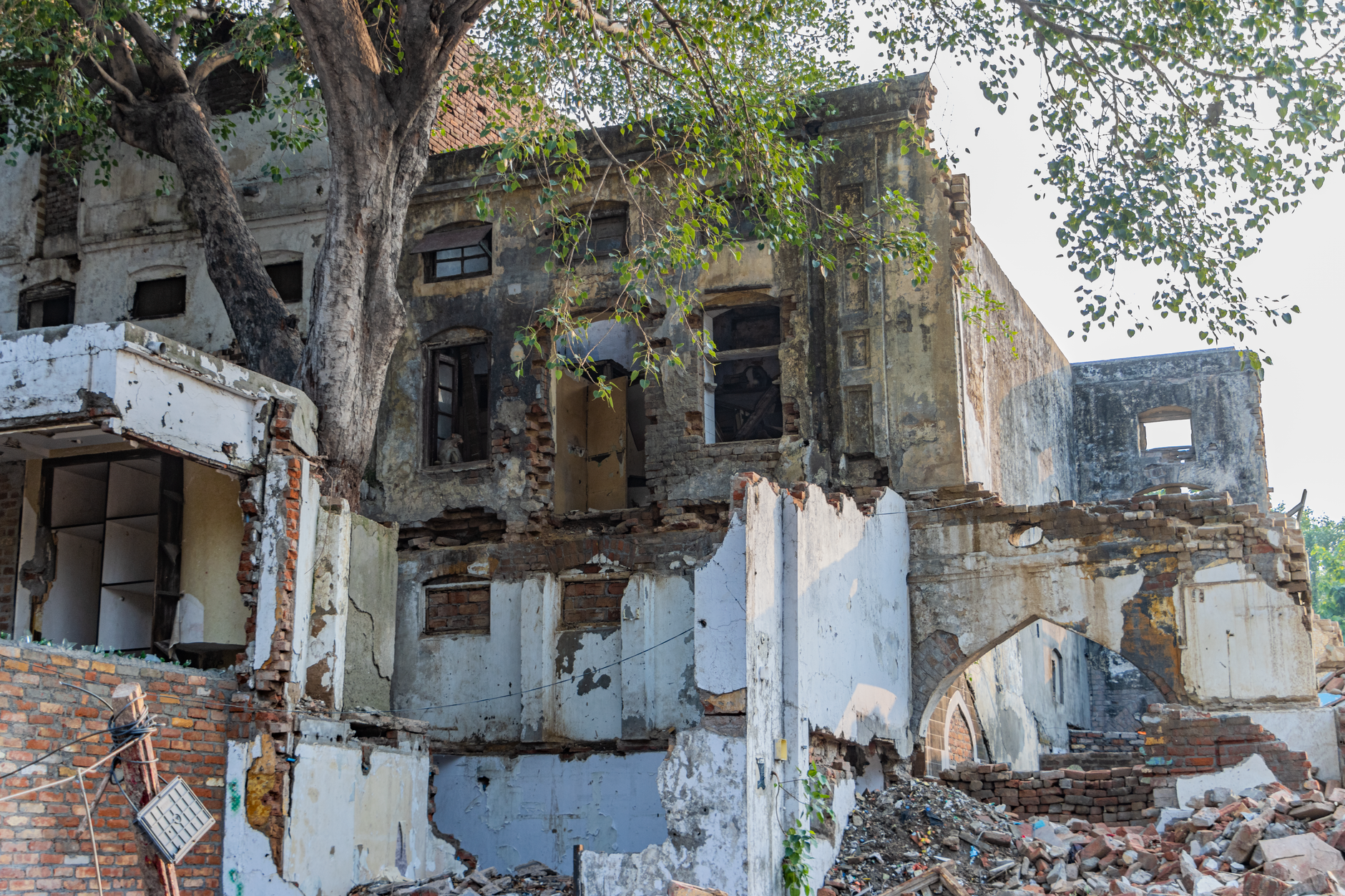
    The recent Delhi building collapse has raised significant concerns regarding building safety and regulation in urban areas. The structure, which was approximately 50 years old, had been showing signs of deterioration long before the tragic event occurred. Eyewitness accounts reveal that cracks were visible on the walls, and residents had been reporting issues to the local authorities for months.

    Despite these warnings, the building continued to be occupied, highlighting a troubling trend where profit often takes precedence over safety. Authorities are now investigating the circumstances surrounding this collapse, focusing on:

    • The state of the building prior to the incident
    • Whether proper inspections were conducted
    • Accountability of the landlords and local officials

    This incident serves as a grave reminder of the potential consequences of neglecting building maintenance and regulation.

    Causes of the building’s deterioration

    The tragic Delhi building collapse raises critical questions about the factors leading to the deterioration of aging structures in urban areas. Several key causes have been identified:

    • Age of the structure: The building, which was over 50 years old, suffered from significant wear and tear, making it prone to structural failures.
    • Lack of maintenance: Regular upkeep was neglected, causing critical components to weaken over time.
    • Overcrowding: Increased occupancy without proper assessment led to undue stress on the building’s framework.
    • Illegal modifications: Unauthorized alterations may have compromised the integrity of the original design.
    • Regulatory failures: Insufficient enforcement of building codes allowed unsafe conditions to persist.

    These factors combined created a perfect storm, ultimately culminating in the tragic event that shocked the community.

    Impact on local community

    The recent Delhi building collapse has left the local community in shock and mourning. Residents are grappling with the aftermath as they come to terms with the loss of life and property. The tragedy has not only claimed lives but has also displaced many families, forcing them to seek shelter and support elsewhere.

    The emotional and psychological toll on the community is immense, with many individuals expressing their grief and anger over the negligence that led to this incident. Local organizations are stepping up to provide assistance, but the need for long-term support is critical.

    In the wake of the Delhi building collapse, community leaders are calling for more stringent regulations and inspections to prevent such tragedies in the future. The event has sparked a conversation about building safety and the importance of maintaining infrastructure to protect residents.

    Government response to the incident

    In response to the Delhi building collapse, government officials have pledged to investigate the circumstances surrounding the tragic event. Local authorities are under scrutiny as many residents question how a 50-year-old structure was allowed to remain in use despite evident signs of deterioration.

    The Chief Minister announced an immediate review of safety regulations for older buildings across the city. “We will ensure that such incidents do not happen again,” he stated during a press conference. Emergency teams have been deployed to assist the affected families, providing essential services and shelter.

    Additionally, the government has promised to hold accountable those responsible for neglecting building safety standards. “We cannot let greed compromise the safety of our citizens,” a government spokesperson emphasized. Investigations are underway to determine whether proper building codes were followed in the years leading up to the tragic Delhi building collapse.

    Safety regulations in construction

    The tragic Delhi building collapse has raised serious questions about safety regulations in construction. Over the years, various buildings have faced neglect, leading to deteriorating conditions that can endanger lives. In this incident, the aged structure, which had been standing for 50 years, was reportedly revived out of greed without proper assessments or renovations.

    Key safety regulations are often overlooked in pursuit of profit, including:

    • Regular inspections: Buildings should undergo routine evaluations to detect any potential hazards.
    • Compliance with standards: Adhering to established construction codes is crucial for ensuring structural integrity.
    • Expert assessments: Engaging qualified professionals for renovation projects can prevent tragedies like the Delhi building collapse.

    Without strict enforcement of safety measures, such incidents may continue to occur, jeopardizing public safety and well-being.

    Lessons learned from past collapses

    The recent tragedy of the Delhi building collapse serves as a somber reminder of the critical lessons learned from past incidents involving structural failures. Several key factors consistently emerge from these cases:

    • Regular inspections: Buildings should undergo frequent evaluations to identify signs of deterioration or potential hazards.
    • Adherence to safety codes: Strict enforcement of construction codes and regulations is essential to ensure the integrity of structures.
    • Community awareness: Educating residents about the risks associated with aging buildings can empower them to report concerns before tragedies occur.
    • Accountability: Establishing clear accountability for builders and property owners can deter negligence and promote responsible practices.

    These lessons highlight the importance of proactive measures and community involvement in preventing future collapses and safeguarding lives.

    Future of building safety in Delhi

    The recent Delhi building collapse has raised urgent questions about the future of building safety in the city. As structures age, the need for stringent inspection and maintenance becomes paramount. Authorities must prioritize regular assessments to ensure that buildings, especially those over 50 years old, meet current safety standards.

    Moreover, enhancing public awareness regarding the importance of structural integrity is crucial. Homeowners and tenants should be educated about potential risks and encouraged to report signs of deterioration.

    Implementing stricter regulations and enforcing penalties for non-compliance will also play a significant role in preventing future tragedies. Collaboration between government bodies, engineers, and architects is essential to develop innovative solutions that address the challenges posed by aging infrastructure.

    Ultimately, learning from the Delhi building collapse can pave the way for a safer urban landscape, ensuring communities are protected from similar incidents in the future.

    Photo by Shantum Singh on Pexels

    References

    Related reading