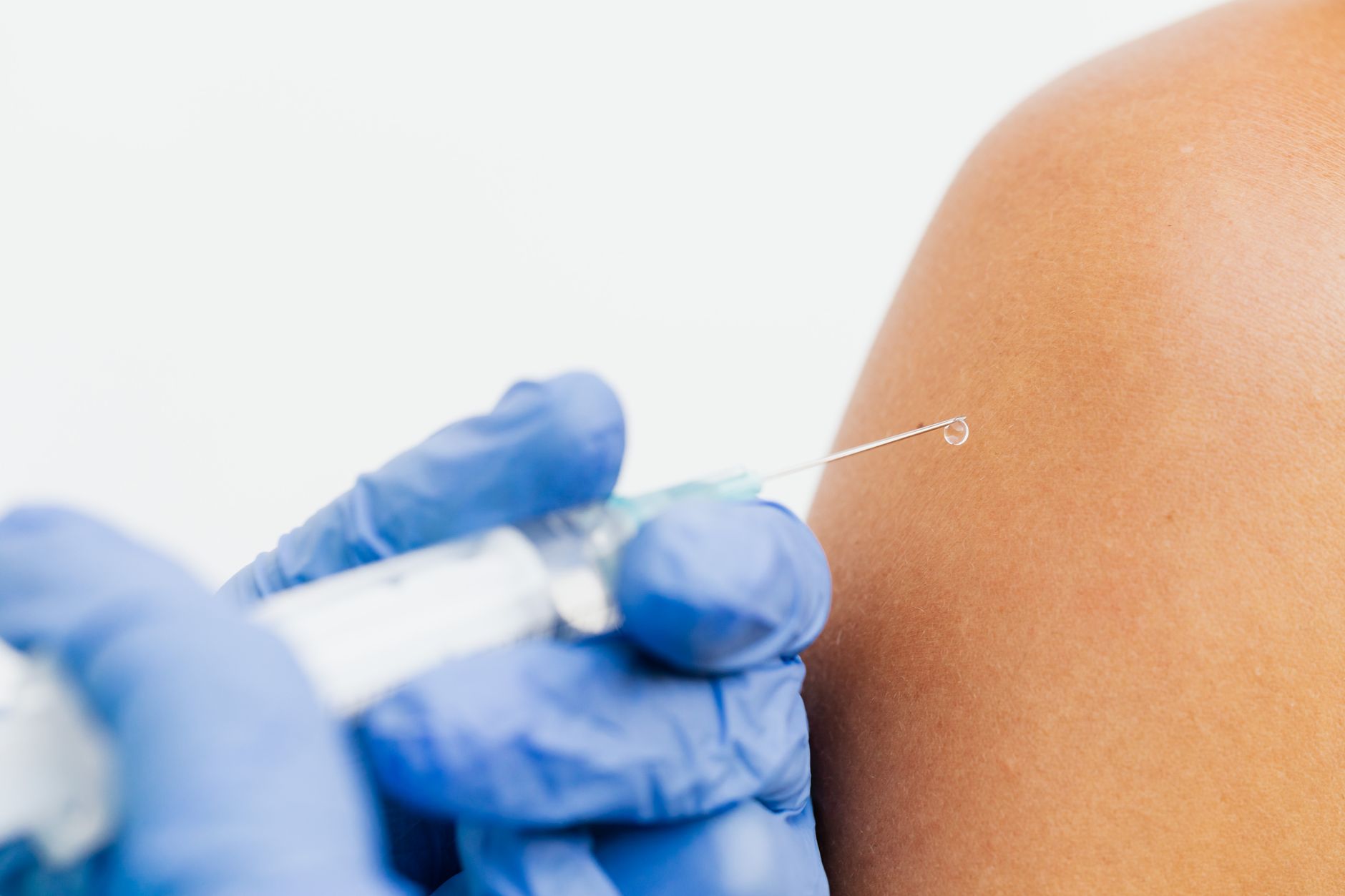
Pseudoseptic Arthritis Vaccine is a rare but serious condition that can occur after a pneumococcal polysaccharide vaccine injection. This article explores a recent case report detailing such an occurrence.
Understanding Pseudoseptic Arthritis
Pseudoseptic arthritis is a condition that can occur following vaccination, particularly after the administration of certain vaccines such as the pneumococcal polysaccharide vaccine. This condition is characterized by joint inflammation that mimics septic arthritis but is not caused by an actual infection. Understanding the mechanisms behind pseudoseptic arthritis is crucial for both patients and healthcare providers.
The symptoms typically include:
- Joint pain and swelling
- Restricted range of motion
- Localized warmth and tenderness
Although these symptoms can be alarming, it is important to note that pseudoseptic arthritis is usually self-limiting and resolves without any medical intervention. The occurrence of this condition following vaccination is rare, and the benefits of vaccination in preventing serious diseases far outweigh the potential risks.
The recent case report of pseudoseptic arthritis following pneumococcal vaccine injection in the deltoid serves as a reminder for healthcare professionals to educate patients about the possible, albeit uncommon, reactions to vaccines. Awareness of the Pseudoseptic Arthritis Vaccine connection can help in managing patient concerns effectively.
Symptoms of Pseudoseptic Arthritis
Pseudoseptic arthritis is a condition that can manifest following certain vaccinations, including the pneumococcal polysaccharide vaccine. The symptoms may resemble those of true septic arthritis, causing confusion and concern for affected individuals.
Common symptoms associated with pseudoseptic arthritis include:
- Joint pain: Patients typically experience significant discomfort in the affected joint, often the shoulder or knee.
- Swelling: The joint may appear swollen and inflamed, leading to difficulty in movement.
- Redness: Skin over the affected area may show signs of redness, indicating inflammation.
- Heat: The joint may feel warm to the touch, which is a key indicator of inflammation.
- Reduced mobility: Individuals often have limited range of motion due to pain and swelling.
While pseudoseptic arthritis can be alarming, it is essential to understand that these symptoms are typically temporary and can resolve with appropriate treatment. Awareness of the risks associated with the Pseudoseptic Arthritis Vaccine can help individuals make informed decisions about their health.
Case Study Overview
A recent case study published in a medical journal highlights the potential risks associated with the Pseudoseptic Arthritis Vaccine. The case involved a 45-year-old patient who developed symptoms of pseudoseptic arthritis following a pneumococcal polysaccharide vaccine injection in the deltoid region. Within days of receiving the vaccine, the patient experienced significant pain and swelling in the affected shoulder, which led to further medical evaluation.
The examination revealed joint effusion and tenderness, raising concerns about the possibility of an inflammatory response triggered by the vaccine. Initial treatment included corticosteroid injections to alleviate the swelling and pain, but the symptoms persisted, necessitating further investigation.
This case underscores the importance of understanding the potential side effects of vaccines, including the risk of developing conditions such as pseudoseptic arthritis. While vaccines are critical for public health, it is essential for healthcare professionals and patients to be aware of these rare complications.
In summary, this case serves as a reminder of the importance of monitoring post-vaccine symptoms and reporting any unexpected reactions to healthcare providers.
Vaccine Injection Site Reactions
Vaccine injection site reactions are common and can vary in severity. In the case of the Pseudoseptic Arthritis Vaccine, some individuals may experience localized symptoms following administration. These reactions can include:
- Pain: Discomfort at the injection site is typical and may last for a few days.
- Swelling: Some swelling around the injection area can occur, causing concern among recipients.
- Redness: A red rash may develop, which is often a natural response to the vaccine.
- Heat: The area may feel warm to the touch, indicating inflammation.
While these reactions are usually mild and resolve without intervention, they can mimic the symptoms of more serious conditions, such as pseudoseptic arthritis. Vigilance is crucial, as some patients may misinterpret these symptoms as signs of an underlying infection or inflammatory condition. Understanding the potential side effects of the Pseudoseptic Arthritis Vaccine can help mitigate concerns and promote informed decision-making among recipients.
Preventive Measures for Vaccination
Preventive measures play a crucial role in ensuring the safety and effectiveness of the Pseudoseptic Arthritis Vaccine. While vaccines are essential for public health, understanding the risks associated with them is equally important. Here are some key preventive strategies:
- Consult Healthcare Professionals: Before receiving the Pseudoseptic Arthritis Vaccine, individuals should consult with their healthcare provider to discuss any potential risks, especially if they have a history of joint issues.
- Proper Injection Technique: Ensure that the vaccine is administered by a trained professional using proper injection techniques to minimize the risk of adverse reactions.
- Post-Vaccination Monitoring: After vaccination, patients should be monitored for any signs of adverse reactions, particularly at the injection site, to address any concerns promptly.
- Stay Informed: Individuals should stay informed about the latest research and recommendations regarding the Pseudoseptic Arthritis Vaccine to make educated decisions about their health.
By following these preventive measures, individuals can help mitigate the risks associated with vaccination and make informed choices regarding their health.
When to Seek Medical Attention
It is crucial to recognize when to seek medical attention after receiving the Pseudoseptic Arthritis Vaccine. While most individuals experience minor side effects, certain symptoms may indicate a more serious condition that requires prompt evaluation.
If you notice any of the following symptoms, it is essential to contact a healthcare professional:
- Severe joint pain that persists beyond a few days.
- Swelling or redness around the injection site that worsens over time.
- Fever that exceeds 101°F (38.3°C), accompanied by chills or night sweats.
- Limited range of motion in the affected joint.
- Unexplained fatigue or malaise that interferes with daily activities.
These symptoms may be indicators of pseudoseptic arthritis, which, while rare, can develop following vaccination. Early detection and treatment are vital for managing potential complications effectively. Always prioritize your health and do not hesitate to seek medical advice if you have concerns after vaccination.
Conclusion and Key Takeaways
In conclusion, while the Pseudoseptic Arthritis Vaccine has been developed to prevent severe complications from pneumonia, it is essential to understand the associated risks. As highlighted throughout this article, patients may experience varying degrees of symptoms, including localized pain and swelling at the injection site, which can mimic the symptoms of true septic arthritis.
Key takeaways from our discussion include:
- Understanding Symptoms: Recognizing the signs of pseudoseptic arthritis is crucial for timely intervention.
- Potential Reactions: Vaccine injection site reactions can occur, but they are generally mild and self-limiting.
- Preventive Measures: Following recommended guidelines can help minimize adverse reactions to the vaccine.
- Medical Attention: Seek prompt medical advice if symptoms persist or worsen after vaccination.
Overall, informed decision-making is vital when considering the Pseudoseptic Arthritis Vaccine, as it balances the benefits of vaccination against the potential risks. Awareness and education can significantly enhance patient safety and outcomes.
Photo by https://kaboompics.com/ on Pexels
Leave a Reply