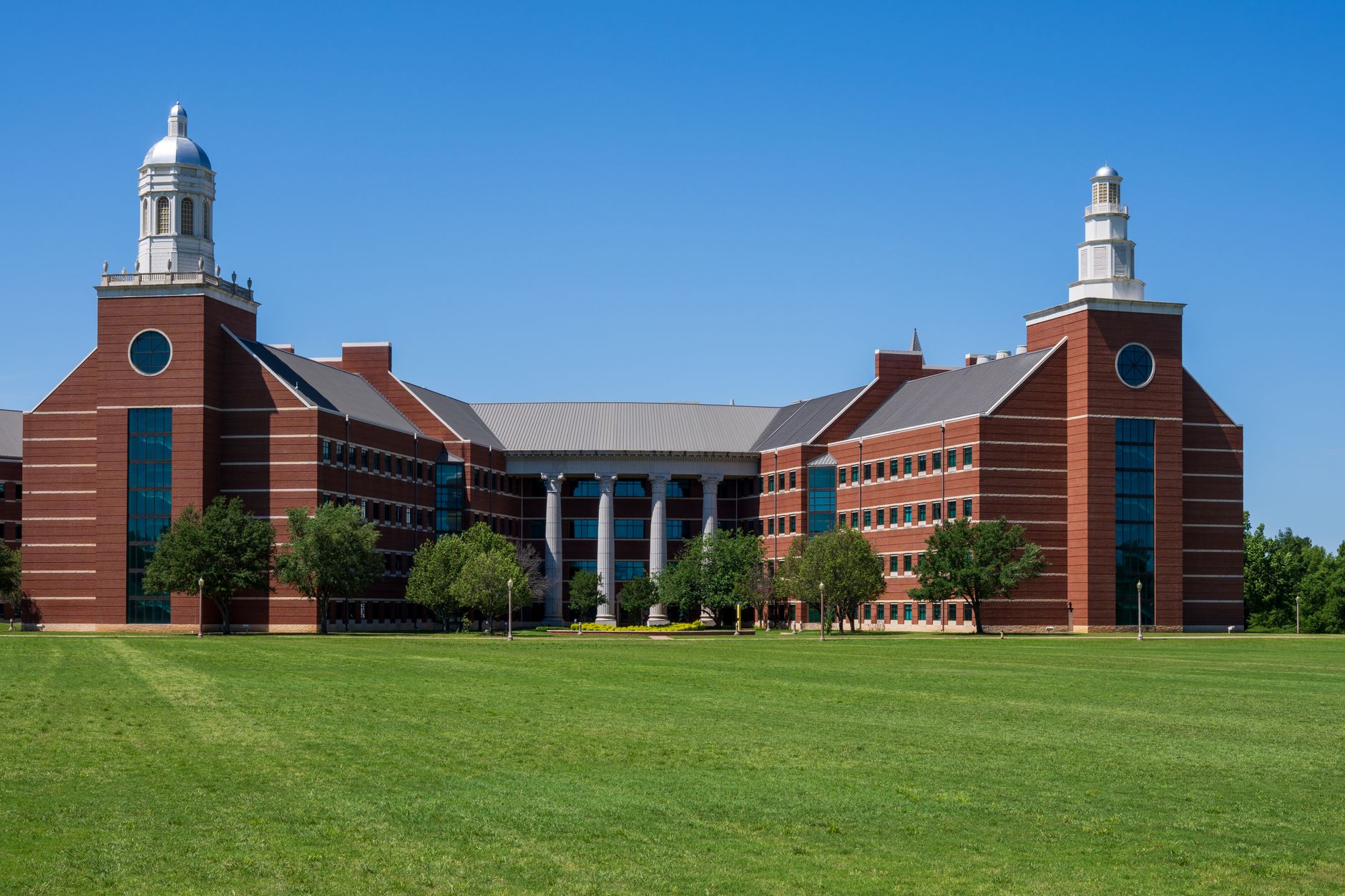
Texas education reform is under scrutiny as Hinojosa plans to undo the recent changes made in the GOP’s image. This move has sparked significant debate among educators and policymakers.
Overview of Texas Education Reform
The recent developments in Texas education reform have sparked considerable debate among educators, policymakers, and parents. Critics argue that the changes implemented under the GOP’s leadership have not effectively addressed the underlying issues facing the state’s educational system.
Key components of the reform include:
- Standardized Testing: An increase in reliance on standardized tests has raised concerns about their impact on student learning and well-being.
- Curriculum Changes: New guidelines emphasizing certain ideologies have drawn criticism for limiting academic freedom.
- Funding Allocation: Shifts in funding have disproportionately affected low-income districts, exacerbating existing inequalities.
As discussions continue, advocates for change, such as Hinojosa, propose revisiting these reforms to create a more inclusive and effective educational landscape for all Texas students.
Impact of GOP Policies on Schools
The recent Texas education reform efforts have sparked significant debate among educators, parents, and policymakers. Many argue that the impact of GOP policies on schools has been detrimental, prioritizing political agendas over student needs.
Key consequences of these policies include:
- Funding Inequities: Schools in low-income areas often receive fewer resources, widening the achievement gap.
- Standardized Testing Pressure: Increased emphasis on testing has led to a narrow curriculum, limiting creative teaching methods.
- Teacher Shortages: Low salaries and job dissatisfaction have driven many educators from the profession, affecting classroom quality.
As Hinojosa seeks to challenge these GOP-led reforms, the future of education in Texas remains uncertain, with advocates urging a return to a focus on holistic student development rather than politicized agendas.
Hinojosa’s Vision for Education
In a bold response to the evolving landscape of Texas education reform, Hinojosa has outlined a comprehensive vision aimed at reversing the detrimental effects of recent GOP policies. He emphasizes the need for a more inclusive approach that prioritizes student well-being and equitable access to quality education.
Hinojosa’s plan includes several key components:
- Increased Funding: Allocating more resources to underfunded schools to ensure all students receive a high-quality education.
- Teacher Support: Enhancing professional development programs and providing competitive salaries to attract and retain skilled educators.
- Curriculum Overhaul: Revising the curriculum to be more reflective of diverse perspectives and fostering critical thinking.
By prioritizing these initiatives, Hinojosa aims to create a more effective educational environment that addresses the urgent needs of Texas students and families.
Challenges Ahead for Texas Schools
As Texas education reform continues to unfold, significant challenges lie ahead for schools across the state. One major hurdle is the disparity in resources among districts, which often leads to unequal access to quality education. Many schools in economically disadvantaged areas struggle to provide essential materials and experienced teachers, further widening the achievement gap.
Additionally, the rapid implementation of new policies can create confusion among educators and parents alike. Hinojosa’s vision for education seeks to address these issues, but the path to meaningful change is fraught with obstacles. Stakeholders, including teachers, parents, and policymakers, must come together to advocate for a more equitable system.
- Resource allocation
- Teacher retention and training
- Parental involvement
Only through collaboration and commitment can Texas education reform truly succeed in benefitting every student.
Reactions from Educators and Parents
Reactions from educators and parents regarding the recent Texas education reform have been mixed, with many expressing concerns about the implications of such changes. Teachers fear that the focus on standardized testing and accountability measures may stifle creativity and critical thinking in the classroom. One educator noted, “We’re not just teaching to a test; we’re shaping future citizens.”
Similarly, parents are worried about the impact on their children’s learning environments. A local parent stated, “The reform seems more about politics than about what our kids truly need.” Many advocate for a return to a more holistic approach to education, emphasizing the importance of arts and social studies alongside core subjects.
As discussions continue, the tension between the current GOP-driven policies and Hinojosa’s vision for education highlights the challenges facing Texas schools in their quest for meaningful reform.
Future of Education in Texas
The future of education in Texas remains uncertain as ongoing reforms spark heated debates among stakeholders. Advocates for Texas education reform argue that innovative approaches are essential for improving student outcomes. However, critics contend that the current trajectory may lead to adverse effects on public schools.
Key considerations for the future include:
- Equity in Funding: Ensuring that resources are allocated fairly across districts.
- Teacher Support: Providing necessary tools and training to educators.
- Curriculum Relevance: Updating educational materials to reflect diverse perspectives and current knowledge.
- Community Involvement: Engaging parents and local organizations in the decision-making process.
As various voices advocate for change, the direction of Texas education reform will ultimately depend on the collaborative efforts of lawmakers, educators, and communities.
Photo by Phil Evenden on Pexels
Read the original
DA hike for UP employees: Clear benefits for workers · AI Company Stocks: Why Investors Are Dumping Them Now? · Mississippi Senate Midterm: What’s the Best Outcome for Democrats?
Leave a Reply