
Tag: India

  • Delhi University Student Leader Suspended: Shocking Allegations

    Delhi University Student Leader Suspended: Shocking Allegations

    Delhi University student leader Anas Khan has been suspended amid allegations of human trafficking. This shocking development has sparked widespread discussion about the implications for student governance and safety.

    Background on Anas Khan

    Anas Khan, a prominent Delhi University student leader, has recently come under scrutiny following serious allegations that have led to his suspension. Known for his active involvement in student politics, Khan has been a vocal advocate for various student rights issues, gaining a significant following among his peers. His leadership within the university’s student union has made him a recognizable figure on campus.

    However, the situation took a dramatic turn when reports surfaced alleging Khan’s involvement in human trafficking activities. These claims have shocked both the student community and the faculty, with many expressing disbelief about the accusations against a leader they once admired. The university’s administration has initiated an investigation into the matter, emphasizing the importance of a thorough and impartial review of the allegations.

    In the wake of these developments, tensions have risen on campus, as students grapple with the implications of such serious charges against a fellow student leader. Supporters of Khan are rallying to defend him, while others are calling for accountability and transparency from the university authorities.

    The case of Anas Khan serves as a stark reminder of the complexities and challenges that can arise within student leadership, highlighting the need for ethical conduct and responsibility in positions of influence.

    Details of the Allegations

    The recent suspension of Delhi University student leader Anas Khan has sent shockwaves through the academic community, as serious allegations of human trafficking have emerged against him. According to sources, Khan is accused of being involved in a network that exploits vulnerable individuals, promising them educational opportunities in exchange for financial gain.

    Specific details of the allegations include:

    • Recruitment Practices: It is reported that Khan allegedly targeted students from underprivileged backgrounds, luring them with false promises of scholarships and employment.
    • Financial Exploitation: Victims claimed they were coerced into paying hefty fees for services that were never rendered, leaving many in dire financial situations.
    • Collusion with Other Parties: Investigators are looking into potential accomplices within the university, suggesting a broader network that could implicate other individuals.

    The allegations have raised serious concerns about the safety and welfare of students within the institution. Many are calling for a thorough investigation to ensure accountability and justice for those affected. The university administration has stated that they are taking the matter seriously and are cooperating with law enforcement agencies.

    As the situation unfolds, the future of this Delhi University student leader hangs in the balance, with both supporters and critics closely watching developments.

    University’s Response

    The administration of Delhi University has responded decisively to the allegations surrounding the student leader, Anas Khan. Following the emergence of serious claims of human trafficking, the university has suspended Khan pending further investigation. This suspension comes as part of the university’s commitment to maintaining a safe and secure environment for all students.

    In an official statement, the university emphasized its zero-tolerance policy towards any form of misconduct. A spokesperson for the university remarked, “The safety and well-being of our students is our top priority. We take these allegations very seriously and will cooperate fully with law enforcement agencies.”

    Students and faculty alike have expressed a mix of shock and disappointment regarding the situation. Many are calling for a thorough investigation to uncover the truth behind the allegations against the student leader. A student representative from the university stated, “We stand with the victims and demand accountability. It’s crucial that the university acts swiftly and justly.”

    As the investigation unfolds, the university plans to hold community meetings to address concerns and provide support to those affected. The administration has urged students to come forward with any information that may assist in the inquiry, reaffirming their commitment to transparency and justice in the matter.

    Impact on Student Leadership

    The suspension of the Delhi University student leader Anas Khan has sent shockwaves through the campus community, raising questions about the future of student leadership at the university. Many students are grappling with the implications of this incident on their representation and activism.

    Student leadership plays a crucial role in voicing the concerns of the student body, often serving as a bridge between the administration and the students. The shocking allegations against Khan have led to a divide among students, with some expressing solidarity and others calling for accountability. The spectrum of reactions highlights the complexity of leadership roles within the university.

    As discussions unfold, several points of concern have emerged:

    • Trust in Leadership: Students are beginning to question the integrity of their elected representatives, which could lead to a decline in participation in student governance.
    • Activism and Advocacy: The incident may discourage potential leaders from stepping forward, fearing backlash or similar allegations.
    • University Image: The university’s reputation may suffer, impacting its ability to attract new students and faculty.
    • Policy Changes: There may be calls for stricter guidelines and oversight within student organizations to prevent future incidents.

    Ultimately, the situation highlights the fragile nature of student leadership and the significant responsibilities that come with it.

    Community Reaction

    The suspension of Delhi University student leader Anas Khan has sparked significant outrage and concern among the student community and beyond. Many students have taken to social media to express their shock at the allegations of human trafficking that have surfaced. Comments on various platforms reflect a mix of disbelief and anger, with some calling for a thorough investigation while others demand immediate action against those involved.

    One student, who wished to remain anonymous, stated, “It’s hard to believe that someone we looked up to could be accused of something so serious. We need to support the truth, whatever it may be.” This sentiment is echoed by numerous peers who are grappling with the implications of such serious allegations against a prominent figure in the university.

    • Many students held a peaceful protest on campus, advocating for transparency in the investigation.
    • Some student organizations have released statements condemning the actions, urging the university to take a strong stance.
    • Alumni have also joined the discussion, expressing their disappointment and concern for the university’s reputation.

    The broader community is watching closely, as this incident raises questions about student leadership and accountability within Delhi University. As reactions continue to unfold, the focus remains on ensuring justice for all parties involved.

    Legal Implications

    The recent suspension of Delhi University student leader Anas Khan has raised significant legal implications that could affect not only his future but also the broader student leadership landscape at the university. As allegations of human trafficking emerge, the severity of the charges could lead to serious criminal proceedings.

    Legal experts highlight several key areas of concern:

    • Criminal Charges: If the allegations are substantiated, Khan could face serious penalties, including imprisonment. Human trafficking is a grave offense under Indian law, and the legal ramifications could extend beyond just Khan.
    • University Policies: The university may need to reassess its policies regarding student leaders and their responsibilities. This incident raises questions about vetting processes and the support systems in place for students in leadership roles.
    • Impact on Peers: The case may deter other students from pursuing leadership positions out of fear of association with similar allegations. This could lead to a shift in how student governance operates within the university.
    • Potential Legal Reform: This incident may spark discussions about the need for legal reforms in how student leaders are governed, particularly concerning accountability and transparency.

    As the situation develops, the implications for Delhi University student leader Anas Khan and his peers will continue to unfold, necessitating close attention from both the legal community and university authorities.

    Future of Delhi University Governance

    The recent suspension of Delhi University student leader Anas Khan has raised significant questions about the future of governance within the university. As student leaders play a crucial role in representing the voices of their peers, this incident could have lasting effects on the dynamics of student politics.

    In light of the allegations against Khan, many are calling for reform in the selection and oversight processes for student leaders. Some immediate concerns include:

    • Accountability: There is a growing demand for clearer guidelines regarding the responsibilities and conduct expected from student leaders.
    • Transparency: Students and faculty alike are advocating for more transparent mechanisms to address grievances related to student governance.
    • Support Systems: Enhanced support and mentorship programs for emerging leaders could help prevent future misconduct and empower students to act ethically.

    Furthermore, the incident has sparked a broader discussion about the role of student unions in shaping university policies. As students navigate this challenging landscape, the governance structure may need to adapt to ensure that it remains effective and representative of the diverse student body.

    Ultimately, the future of Delhi University governance hinges on the community’s ability to learn from this experience and implement necessary changes to uphold integrity and trust within student leadership.

    The Delhi University student leader faced serious accusations that have raised concerns about transparency within the student body. Many are now questioning the integrity of the Delhi University student leader amidst these shocking allegations.

    Photo by Shantanu Kumar on Pexels
    Where this came from

    Related reading

  • Grid storage investment: Is it the best move for India?

    Grid storage investment: Is it the best move for India?

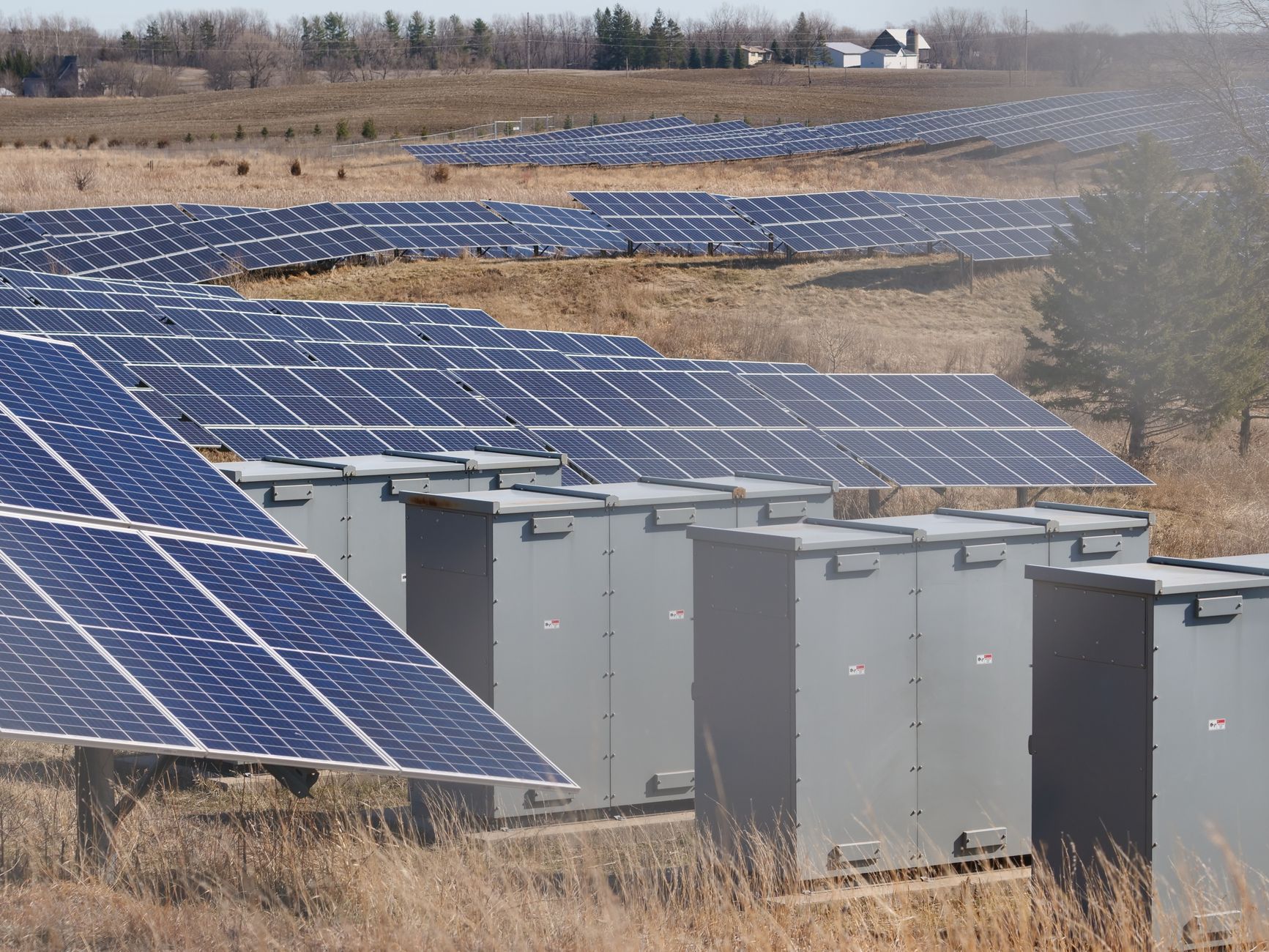
    grid storage investment is becoming a key focus for India as the country seeks to enhance its clean energy capabilities. The recent approval of a $1.5 billion initiative signals a significant step forward in this direction.

    Overview of India’s energy strategy

    India’s energy strategy has been undergoing a significant transformation as the country aims to transition towards cleaner energy sources. The government’s recent approval of a $1.5 billion grid storage investment demonstrates its commitment to enhancing the reliability and efficiency of renewable energy systems. This investment is expected to bolster India’s capacity to store and manage energy generated from renewable sources such as solar and wind.

    As part of its long-term vision, India is focusing on several key areas to ensure a sustainable energy future:

    • Renewable Energy Expansion: India plans to significantly increase its renewable energy capacity, with a target of achieving 500 GW by 2030.
    • Grid Modernization: Upgrading existing grid infrastructure is crucial for accommodating the increasing share of renewables.
    • Energy Storage Solutions: Investing in grid storage technologies will help to address the intermittency challenges faced by renewable energy sources.
    • Policy and Regulation: The government is formulating policies that incentivize private investment in grid storage and renewable energy projects.

    By prioritizing grid storage investment, India aims to not only enhance energy security but also support its ambitious clean energy goals, positioning itself as a leader in sustainable energy practices on the global stage.

    Importance of grid storage

    The importance of grid storage cannot be overstated in the context of India’s evolving energy landscape. As the country aims to transition to cleaner energy sources, effective grid storage investment becomes crucial for ensuring stability and reliability in energy supply.

    Grid storage systems serve multiple vital functions:

    • Energy Management: They allow for the efficient management of energy generated from renewable sources, such as solar and wind, which are often intermittent.
    • Grid Stability: By storing excess energy during periods of low demand, these systems help balance load and prevent outages during peak usage times.
    • Cost Efficiency: With advancements in technology, grid storage can help reduce electricity costs over time by optimizing energy usage and minimizing reliance on fossil fuels.
    • Environmental Impact: Effective grid storage supports the integration of renewable energy, reducing carbon footprints and contributing to India’s commitment to climate goals.

    As India moves forward with its $1.5 billion grid storage push, the focus on these technologies reflects a broader strategy towards sustainable development. Investing in grid storage is not just a financial decision but a critical step towards a resilient and eco-friendly energy future for the nation.

    Financial implications of the investment

    The recent approval of a $1.5 billion grid storage investment marks a significant step in India’s clean energy transition. This financial commitment is expected to yield substantial returns, both economically and environmentally. As the country aims to enhance its renewable energy capacity, effective grid storage solutions will play a crucial role in stabilizing supply and demand.

    Investing in grid storage can lead to various financial implications:

    • Cost Savings: By integrating advanced storage technologies, India can reduce reliance on fossil fuels, leading to lower operational costs in the long run.
    • Job Creation: The development and maintenance of grid storage facilities are likely to generate new employment opportunities in the energy sector.
    • Attracting Investment: A robust grid storage system may attract further investments from both domestic and international stakeholders interested in renewable energy projects.
    • Energy Stability: With enhanced storage capabilities, the grid can better manage fluctuations in energy supply, ensuring a reliable power source for consumers.

    Overall, the grid storage investment is not just a financial maneuver but a strategic move towards a sustainable energy future for India, promoting economic growth while addressing pressing environmental concerns.

    Technological advancements in energy storage

    Recent technological advancements in energy storage have positioned India to capitalize on the growing demand for renewable energy sources. As the country moves towards a more sustainable energy future, grid storage investment has emerged as a crucial component in managing energy supply and demand effectively.

    Innovations in battery technology, particularly in lithium-ion and solid-state batteries, have significantly enhanced storage capacity and efficiency. These advancements allow for longer storage durations and quicker energy discharge, making them ideal for integrating renewable energy sources such as solar and wind into the grid.

    Moreover, the development of advanced software solutions for energy management systems has improved the ability to forecast energy consumption patterns and optimize the use of stored energy. This integration helps in stabilizing the grid, reducing reliance on fossil fuels, and ultimately lowering greenhouse gas emissions.

    Furthermore, as costs for energy storage technologies continue to decline, the financial feasibility of grid storage investments becomes increasingly attractive. This trend not only supports India’s clean energy drive but also encourages private sector participation in the energy market.

    In summary, the convergence of technological advancements and economic incentives makes grid storage investment a promising avenue for India’s energy transition.

    Potential impact on renewable energy

    The recent approval of a $1.5 billion grid storage investment in India is poised to significantly enhance the country’s renewable energy landscape. By integrating advanced storage solutions, India aims to address the inherent challenges associated with intermittent energy sources like solar and wind. This strategic move is expected to ensure a more stable and reliable power supply, effectively balancing demand and supply fluctuations.

    One of the most promising impacts of this investment is the potential increase in renewable energy adoption. With improved storage capabilities, renewable energy can be harnessed more efficiently, leading to a decrease in reliance on fossil fuels. Additionally, the implementation of grid storage can facilitate the integration of larger renewable energy projects, making them more viable and attractive to investors.

    Moreover, this initiative may catalyze job creation in the energy sector, from manufacturing to maintenance of storage technologies. As India continues to expand its renewable energy portfolio, the grid storage investment can serve as a backbone for this transition, ultimately leading to a more sustainable energy future.

    In summary, the potential impact on renewable energy is substantial, making grid storage investment a critical component of India’s energy strategy moving forward.

    Challenges facing grid storage implementation

    The journey towards successful grid storage implementation in India is fraught with several challenges that could impact the overall effectiveness of this substantial investment in energy infrastructure.

    • Regulatory Hurdles: Navigating the complex regulatory environment remains a significant barrier. The lack of clear policies and guidelines for grid storage can lead to uncertainties that deter investors.
    • Infrastructure Limitations: Existing grid infrastructure may not be equipped to accommodate new storage technologies. Upgrading the grid to support advanced storage systems requires additional investment and time.
    • High Initial Costs: While the long-term benefits of grid storage investment are evident, the initial capital required can be daunting for many stakeholders, potentially slowing down project initiation.
    • Technological Maturity: The technology behind grid storage is still evolving. Concerns about the long-term reliability and efficiency of various storage solutions can hinder widespread adoption.
    • Public Awareness: There is a general lack of awareness regarding the benefits of grid storage among consumers and businesses, which can affect market demand and support for such initiatives.

    Addressing these challenges is essential for making grid storage a viable and effective solution in India’s energy landscape.

    Future of clean energy in India

    The future of clean energy in India is closely tied to the nation’s commitment to enhancing grid storage investment. As India sets ambitious targets for renewable energy generation, effective energy storage solutions will play a crucial role in achieving these goals. The integration of grid storage systems can help manage the intermittency of renewable sources like solar and wind, ensuring a stable energy supply.

    With the government’s recent approval of a $1.5 billion push for grid storage, the landscape of energy management in India is poised for transformation. This investment aims to bolster the capacity of the national grid, allowing for more significant incorporation of renewable energy while reducing reliance on fossil fuels.

    Moreover, the development of grid storage technologies is expected to foster innovation and attract further investments in clean energy. By enhancing energy resilience and reliability, grid storage can enable a smoother transition to a sustainable energy future.

    However, this transition will not come without its challenges. Key considerations include the need for substantial infrastructure upgrades and regulatory frameworks that can support this technological shift. Overall, the focus on grid storage investment represents a promising step toward a greener, more sustainable energy landscape in India.

    Conclusion and next steps

    In conclusion, the decision to invest in grid storage presents a pivotal opportunity for India as it seeks to enhance its energy strategy and bolster the clean energy transition. The substantial $1.5 billion investment approved by the government is a clear indication of its commitment to modernizing the energy infrastructure and embracing renewable sources.

    The potential benefits of grid storage investment are manifold, including improved energy reliability and efficiency, reduced dependency on fossil fuels, and the facilitation of a smoother integration of renewable energy sources into the national grid. However, realizing these benefits will require a concerted effort to address the challenges identified in earlier discussions, such as technological barriers, financing mechanisms, and regulatory frameworks.

    Moving forward, stakeholders must focus on:

    • Developing a robust policy framework that supports innovation in storage technologies.
    • Encouraging public-private partnerships to leverage expertise and capital in the energy sector.
    • Investing in research and development to enhance the efficiency and cost-effectiveness of grid storage solutions.

    By strategically navigating these next steps, India can position itself as a leader in clean energy and effectively harness the full potential of grid storage investment.

    Photo by Giant Asparagus on Pexels

    Read the original

    Related stories

  • Are Data Centres in India the Right Solution for America?

    Are Data Centres in India the Right Solution for America?

    data centres in India are becoming a focal point as America is souring on their current setup. This shift presents an opportunity for India to innovate and improve data centre infrastructure.

    The Current State of Data Centres in America

    The landscape of data centres in America is undergoing significant transformation as concerns about their environmental impact and operational efficiency rise. Many regions are experiencing pushback from local communities regarding the expansion of these facilities, which are often seen as energy guzzlers that contribute to climate change.

    In recent years, several major tech companies have reevaluated their data centre strategies, leading to a slowdown in construction. This shift raises questions about the sustainability of existing operations and the potential for relocating to more environmentally responsible areas.

    As American firms look to optimize their data operations, the idea of utilizing data centres in India emerges as a compelling alternative. India, known for its cost-effective solutions and growing technological infrastructure, presents a viable option for companies seeking to balance performance with sustainability.

    Furthermore, the increasing demand for cloud services and data storage in a digital world amplifies the need for efficient data centres. Companies must navigate the challenges of supply chain disruptions and regulatory hurdles while considering global solutions that could include:

    • Enhanced energy efficiency
    • Lower operational costs
    • Innovative cooling technologies

    Why America is Souring on Data Centres

    As concerns over environmental impact and operational efficiency grow, America is increasingly questioning the viability of its current data centres. The energy consumption of these facilities has prompted numerous debates about sustainability and reliability.

    Several factors contribute to America’s disillusionment with data centres:

    • High Energy Costs: The rising price of electricity has made operating data centres increasingly expensive, pushing companies to seek alternatives.
    • Environmental Regulations: Stricter regulations aimed at reducing carbon footprints are forcing many facilities to reconsider their operations.
    • Geopolitical Concerns: Tensions with foreign nations have led to a preference for domestic solutions, further complicating the landscape for data management.

    In this context, the emergence of data centres in India could provide a compelling alternative. With a rapidly growing technology sector and a focus on sustainable practices, India presents an opportunity for American companies to shift operations while addressing environmental concerns.

    As the U.S. grapples with its data centre issues, the potential for collaboration with Indian facilities could pave the way for a more sustainable and efficient future in data management.

    How India Can Build Better Data Centres

    As the demand for data processing and storage continues to grow, data centres in India can play a crucial role in addressing global needs. To build better facilities, India must focus on several key areas:

    • Sustainability: Implementing green technologies and renewable energy sources can reduce the carbon footprint of data centres. By leveraging solar and wind energy, India can create environmentally friendly solutions.
    • Infrastructure Development: Upgrading the existing infrastructure is essential. Enhanced connectivity through fiber optic networks and reliable power supply will ensure that data centres operate efficiently and effectively.
    • Regulatory Framework: Establishing clear regulations can help attract foreign investments. A supportive regulatory environment will encourage companies to invest in data centres in India and enhance their capabilities.
    • Skilled Workforce: Investing in training programs can develop a skilled workforce proficient in the latest technologies. This will ensure that data centres operate at the highest standards.

    By focusing on these areas, India can not only meet domestic demands but also position itself as a global leader in data centre solutions, providing a viable alternative for international markets.

    Key Features of Successful Data Centres

    Successful data centres share several key features that set them apart from the competition. As the demand for data services grows, particularly for data centres in India, understanding these attributes becomes crucial.

    • Energy Efficiency: Modern data centres prioritize energy-efficient designs and operations, reducing both costs and environmental impact.
    • Scalability: Successful data centres can easily scale their infrastructure to meet increasing demand without compromising performance.
    • Security: Enhanced security measures, including physical barriers and cybersecurity protocols, are essential to protect sensitive data.
    • Location: Proximity to major population centers and reliable infrastructure helps ensure low latency and high connectivity.
    • Innovative Cooling Solutions: Efficient cooling systems are vital in managing heat and maintaining optimal operating conditions.
    • Robust Backup Systems: Effective disaster recovery and backup solutions guarantee data integrity and availability even during outages.

    By focusing on these critical features, India can develop advanced data centres that not only meet local needs but also serve international markets, offering a viable alternative for American businesses reevaluating their data strategies.

    The Future of Data Centres in India

    As the demand for data storage and processing continues to grow, the future of data centres in India appears promising. With advancements in technology and infrastructure, India is positioned to become a key player in the global data centre market.

    Several factors contribute to this optimistic outlook:

    • Cost-effective Operations: India offers significantly lower operational costs compared to many Western countries, making it an attractive destination for multinational companies looking to establish data centres.
    • Skilled Workforce: The country boasts a large pool of IT professionals skilled in managing and maintaining complex data systems, ensuring efficient operation and innovation.
    • Government Support: Indian authorities are increasingly recognizing the importance of data centres in fostering economic growth and are implementing policies to encourage investment in this sector.
    • Growing Digital Economy: With the rise of digital services and e-commerce, the need for robust data centres in India is more critical than ever.

    Ultimately, as India continues to enhance its data centre capabilities, it might not only meet local demands but could also serve as a viable solution for international markets, including America.

    Comparing Data Centre Strategies: India vs America

    As the demand for digital infrastructure grows, a comparison of data centre strategies between India and America reveals significant differences in approach and execution. In the United States, data centres have faced scrutiny due to environmental concerns and operational inefficiencies. Conversely, India’s burgeoning tech ecosystem presents a unique opportunity to adopt a more sustainable and scalable model for data centres in India.

    Several key factors contribute to the contrasting strategies:

    • Cost Efficiency: India offers lower operational costs, which can lead to more affordable data services and increased accessibility for businesses.
    • Energy Sources: With a focus on renewable energy, Indian data centres can leverage solar and wind power, reducing their carbon footprint significantly.
    • Government Support: The Indian government is actively promoting initiatives to enhance data infrastructure, including tax incentives and streamlined regulations.
    • Workforce: India boasts a large pool of skilled professionals in technology and management, ensuring that data centres are well-staffed and efficiently operated.

    Ultimately, by learning from the challenges faced by American data centres, India has the potential to emerge as a leader in the global data centre landscape.

    As companies look to optimize their operations, data centres in India may offer a cost-effective alternative to traditional solutions. However, the long-term sustainability of relying on data centres in India for American businesses remains a topic of debate.

    Photo by Bhupendra Singh on Pexels

    Where this came from

    You might also like

  • Trump’s midterm defeat: A clear warning for Modi’s future

    Trump’s midterm defeat has sparked significant political discourse, with many questioning the implications for Modi’s leadership in India. The outcome has energized opposition parties and raised concerns within the ruling BJP.

    The Impact of Trump’s Defeat on Global Politics

    Trump’s midterm defeat has sent ripples through global politics, prompting leaders around the world to reassess their strategies. The implications of this electoral outcome are particularly pronounced in countries like India, where Prime Minister Modi’s administration is carefully monitoring the shifting dynamics.

    As political analysts draw parallels between the two leaders, they highlight several key areas of concern:

    • Public Sentiment: The growing discontent among voters in the United States may echo in India, where Modi’s popularity has seen fluctuations.
    • Policy Direction: Trump’s defeat could signify a move away from nationalist policies, which may influence Modi’s approach to governance.
    • Opposition Resurgence: Just as the Democratic Party gained momentum, India’s opposition may find renewed strength, emboldened by Trump’s midterm defeat.

    The BJP is already countering these narratives, asserting that Modi’s policies remain popular. However, as global political landscapes shift, the stakes have never been higher for leaders like Modi, who must navigate the complexities of public opinion and international relations.

    Congress’s Reaction to Trump’s Loss

    The recent Trump’s midterm defeat has elicited a strong response from the Indian National Congress, which sees parallels between the political landscape in the United States and India. Party leaders expressed concerns that the defeat serves as a cautionary tale for Prime Minister Narendra Modi, suggesting that he could face similar challenges in upcoming elections.

    Congress spokespersons highlighted several key points in their reaction:

    • Political Vulnerability: They emphasized that Trump’s loss indicates a shift in public sentiment, which could also impact Modi’s support base.
    • Electoral Strategy: The Congress party called for a reevaluation of the BJP’s strategies, arguing that overconfidence could lead to significant setbacks.
    • Coalition Dynamics: They pointed out that the ability to build coalitions will be crucial for both parties as they navigate voter expectations.

    In contrast, the BJP quickly countered these assertions, stating that Modi’s leadership remains strong and that comparisons to Trump’s midterm defeat are unfounded.

    BJP’s Defense Strategy Amidst Criticism

    In the wake of Trump’s midterm defeat, the Bharatiya Janata Party (BJP) is mobilizing its defense strategy to counter rising criticism. Senior party leaders have emphasized the need for a strong narrative to reassure their supporters and mitigate concerns about potential electoral vulnerabilities.

    Amidst this backdrop, the BJP has launched several initiatives aimed at showcasing its achievements and countering the narrative that resonates with the opposition. These initiatives include:

    • Community Engagement: The BJP is ramping up outreach programs to connect with grassroots supporters, reinforcing its commitment to local issues.
    • Media Campaigns: The party is investing in strategic media campaigns that highlight its governance record while addressing the criticisms stemming from Trump’s midterm defeat.
    • Counter-Narratives: BJP leaders are actively challenging the Congress party’s claims, arguing that comparisons to Trump’s loss are misguided and politically motivated.

    As the political landscape evolves, the BJP aims to solidify its base and prevent any momentum that could mirror Trump’s midterm defeat in future elections.

    Comparing Political Landscapes: India and the US

    The political landscapes of India and the United States, while distinct, share notable parallels that become evident in the wake of Trump’s midterm defeat. Both nations have experienced shifts in power dynamics that reflect the electorate’s changing sentiments and priorities. In the U.S., Trump’s loss has prompted discussions about accountability and the future of his political influence, which resonates with the Indian context, where Prime Minister Modi’s leadership is facing scrutiny.

    In both countries, the ruling parties are grappling with internal dissent and external criticism. For instance, the BJP, like the Republican Party, is tasked with navigating a complex political environment where public opinion can rapidly shift. Analysts suggest that the BJP’s defense strategy amidst criticism may need to recalibrate, much like the Republicans must reconsider their approach after Trump’s midterm defeat.

    • Changing Voter Sentiments: Both nations are witnessing a more engaged electorate.
    • Impact on Future Elections: The implications of these defeats could shape upcoming campaigns.
    • Lessons in Accountability: Each political leader must heed the warnings presented by the electorate.

    Public Sentiment Towards Modi’s Leadership

    The recent midterm defeat of former President Trump has sent ripples through political landscapes worldwide, including India. Public sentiment towards Prime Minister Modi’s leadership appears increasingly scrutinized, with many drawing parallels to Trump’s electoral setbacks. As discontent grows over economic challenges and social issues, the Congress party has seized the opportunity to question Modi’s governance.

    Polling data indicates a shift in voter attitudes, with a notable percentage expressing dissatisfaction with the current administration. The BJP’s attempts to deflect criticism by highlighting achievements have not resonated as strongly as anticipated. This situation raises concerns about the potential for a similar electoral outcome as seen in Trump’s midterm defeat.

    Among the factors influencing public opinion are:

    • Rising inflation and job insecurity.
    • Concerns over civil liberties and social justice.
    • The handling of recent crises, including health and environmental issues.

    As the political narrative evolves, Modi’s ability to address these pressing concerns will be crucial in determining his future, especially in light of Trump’s midterm defeat serving as a stark warning.

    Future Predictions for BJP and Congress

    As political analysts reflect on Trump’s midterm defeat, many are drawing parallels with India’s political landscape, particularly regarding the future of the Bharatiya Janata Party (BJP) and the Congress party. The implications of this defeat could signal potential vulnerabilities for Prime Minister Narendra Modi.

    Key predictions for both parties include:

    • BJP’s Adaptation: The BJP may need to reconsider its strategies to maintain a strong voter base. This could involve addressing rising inflation and unemployment to alleviate public discontent.
    • Congress’s Resurgence: Following Trump’s midterm defeat, Congress may capitalize on this momentum to strengthen its position. They could focus on grassroots campaigns and highlight issues resonating with voters.
    • Voter Engagement: Increased engagement from younger voters might mirror trends seen in the U.S. elections. Both parties will need to appeal to this demographic to secure future victories.

    Overall, Trump’s midterm defeat serves as a clear warning for Modi’s future, indicating that complacency could lead to political challenges ahead.

    Lessons Learned from Trump’s Midterm Election

    The recent Trump’s midterm defeat serves as a crucial lesson for political leaders worldwide, particularly in the context of rising populism and voter discontent. Several key takeaways emerge from this electoral setback that could resonate with leaders like Modi.

    • Voter Engagement: Trump’s defeat highlights the importance of engaging with voters consistently. Leaders must address public concerns and adapt their messaging to reflect changing sentiments.
    • Policy Relevance: Policies that once resonated may lose their appeal over time. It’s vital for politicians to be aware of evolving priorities and be willing to pivot when necessary.
    • Unity Among Opposition: The strength of the opposition played a significant role in Trump’s loss. Similar unity among opposition parties in India could pose a challenge for the BJP if not managed effectively.
    • Media Influence: The role of media in shaping public perception cannot be ignored. Leaders must navigate this landscape carefully to maintain favorable coverage.

    As the political landscape shifts, these lessons could prove instrumental for Modi and his party in the upcoming elections.

    Sources

    News18

    You might also like

    GLP-1 drugs for prediabetes: Proven control over standard medicine · Samsung Galaxy S27: What’s the Best Upgrade You Need? · Google Search Rules for Schools: The Right Changes Explained

  • Gold price in India: Clear trends for October 26

    Gold price in India: Clear trends for October 26

    Gold price in India has seen notable fluctuations recently. On October 26, the rates are expected to reflect market trends and investor sentiment.

    Current Gold Price Trends

    The gold price in India has shown significant fluctuations as of October 26. Market analysts note a slight increase in prices compared to previous weeks, driven by a combination of global economic factors and local demand.

    Currently, the gold rates are influenced by:

    • International Market Trends: Global demand for gold has risen, causing prices to shift.
    • Currency Fluctuations: The weakening of the Indian Rupee against the US Dollar has impacted local prices.
    • Festive Season Demand: The ongoing festive season has heightened interest in gold purchases.

    As a result, the current gold price in India is attracting both investors and traditional buyers, looking to make the most of the market conditions.

    Factors Influencing Gold Prices

    The gold price in India is influenced by a variety of factors that can cause fluctuations in the market. Understanding these elements is crucial for investors and consumers alike.

    • Global Economic Conditions: Economic instability or growth in major economies often affects gold prices as investors seek safe-haven assets.
    • Currency Strength: A stronger Indian Rupee can lead to lower gold prices, while a weaker currency typically results in higher rates.
    • Demand and Supply: Seasonal demand, especially during festivals and wedding seasons, can significantly impact gold prices in India.
    • Central Bank Policies: Decisions made by central banks regarding interest rates and gold reserves can also play a vital role.
    • Inflation Rates: Higher inflation often leads to increased investment in gold as a hedge against currency devaluation.

    Gold Price in India on October 26

    As of October 26, the gold price in India has shown a notable increase, reflecting the ongoing trends observed in the market. The price per gram has risen due to various economic factors, including fluctuations in the international market and local demand.

    On this date, the rates are as follows:

    • 22-carat gold: ₹X,XXX per gram
    • 24-carat gold: ₹X,XXX per gram

    This upward movement in gold prices can be attributed to the recent rise in global gold rates and the weakening of the Indian rupee against the dollar. Investors are increasingly looking towards gold as a safe haven amidst economic uncertainties, further impacting the gold price in India.

    Historical Price Comparison

    As of October 26, the gold price in India has shown significant fluctuations over the past few months. Analyzing historical data reveals a trend that reflects both local and global market influences.

    In September, gold prices peaked at a record high, driven by rising demand and international economic uncertainties. However, October has seen some corrections, with prices stabilizing around a lower range.

    Key points in the historical price comparison include:

    • August 2023: Gold prices soared to new heights, making headlines.
    • September 2023: A slight dip was observed as profit-taking occurred.
    • October 2023: Current prices reflect a balancing act amid changing market sentiments.

    This historical context helps investors understand the gold price in India and make informed decisions moving forward.

    Market Predictions for Gold

    Market analysts predict that the gold price in India may experience fluctuations in the upcoming days, driven by a combination of domestic and global factors. As investors closely monitor international markets, several key trends have emerged:

    • Global Economic Indicators: Economic data from major economies could influence gold prices, with any signs of inflation or recession likely to push prices higher.
    • Currency Strength: The strength of the Indian Rupee against the US Dollar plays a critical role; a weaker Rupee typically results in higher gold prices.
    • Demand during Festive Season: Increased demand for gold during the festive season may also support price stability or growth.

    Investors are advised to stay informed about these trends as they prepare for potential changes in the market.

    Expert Insights on Gold Investment

    As the gold price in India continues to fluctuate, market experts emphasize the importance of strategic investment. According to analysts, the current market conditions present both opportunities and risks for investors. Investment in gold is often seen as a hedge against inflation and currency devaluation, making it an attractive option during uncertain economic times.

    Experts recommend that potential buyers consider the following:

    • Market Timing: Buying during dips can yield better long-term returns.
    • Diversification: Including gold in a diversified portfolio can enhance overall financial stability.
    • Research: Keeping an eye on global trends and local demand is crucial for making informed decisions.

    In light of the latest trends, staying updated on the gold price in India is essential for both new and seasoned investors.

    By (vincent desjardins) via Openverse

    Read the original

    Related reading

  • Are Vizag-Delhi flights the best way to travel now?

    Vizag-Delhi flights are now available daily, providing a new travel option for passengers looking to connect these major cities efficiently.

    Overview of Akasa Air’s New Route

    In a significant development for air travel in India, Akasa Air has officially launched its daily direct flights between Visakhapatnam and Delhi. This new route aims to enhance connectivity between the two cities, which are vital for business and tourism alike. With the introduction of these Vizag-Delhi flights, travelers can expect greater convenience and flexibility in their travel plans.

    The flights are scheduled to operate daily, making it easier for passengers to book last-minute trips or plan their journeys in advance. This initiative is part of Akasa Air’s broader strategy to expand its reach across the country, focusing on underserved routes that cater to the growing demand for air travel.

    Passengers can enjoy a range of services on board, including comfortable seating, complimentary refreshments, and an efficient check-in process. Akasa Air promises to prioritize customer satisfaction, ensuring a pleasant flying experience for all travelers.

    As the travel industry continues to recover from the impacts of the pandemic, these Vizag-Delhi flights represent a timely boost for both leisure and business travelers. The ease of direct flights may encourage more people to explore opportunities in Delhi or visit family and friends residing there.

    In conclusion, Akasa Air’s new route is set to redefine travel options for those flying between Visakhapatnam and Delhi, making air travel a more viable choice for many.

    Schedule and Frequency of Flights

    With the introduction of Akasa Air’s daily direct flights, travelers can now enjoy more convenient options for their journeys between Vizag and Delhi. The newly launched Vizag-Delhi flights are set to operate every day, accommodating a wide range of travel needs and schedules.

    Passengers can expect a reliable timetable, with flights typically scheduled to depart from Visakhapatnam International Airport in the morning and returning from Indira Gandhi International Airport in the evening. This frequency allows for flexible travel plans, whether for business or leisure.

    The daily availability of these flights is designed to cater to the increasing demand for air travel between the two cities. Not only does this route provide a faster alternative to road or rail travel, but it also connects travelers to a broader network of destinations via Delhi’s extensive flight connections.

    In terms of duration, the flight time for the Vizag-Delhi route is approximately two and a half hours, making it an efficient choice for those needing to travel quickly. Additionally, Akasa Air aims to maintain competitive pricing, making these flights an attractive option for budget-conscious travelers.

    Overall, the introduction of daily Vizag-Delhi flights marks a significant enhancement to the air travel landscape, promising ease and accessibility for passengers in both cities.

    Benefits of Direct Flights

    Direct flights from Vizag to Delhi offer several advantages for travelers looking to save time and enhance their travel experience. One of the most significant benefits is the reduction in travel duration, as direct flights eliminate the need for layovers, allowing passengers to reach their destination in a more efficient manner.

    Additionally, Vizag-Delhi flights provide a seamless travel experience for business travelers and tourists alike. Here are some key benefits:

    • Convenience: With daily flights, passengers have the flexibility to choose a schedule that suits their needs, making it easier to plan trips without the hassle of connecting flights.
    • Cost-Effectiveness: Direct flights can often be more economical when considering the additional costs associated with layovers, such as meals or accommodation.
    • Time-Saving: The direct route significantly cuts down on overall travel time, allowing passengers to maximize their time in Delhi, whether for business or leisure.
    • Comfort: Fewer stops mean less time spent in transit, making the travel experience more comfortable for passengers.

    Overall, the introduction of direct Vizag-Delhi flights by Akasa Air is a promising development for travelers, offering a practical and efficient way to connect these two vibrant cities.

    Passenger Experience and Feedback

    The launch of daily direct Vizag-Delhi flights by Akasa Air has generated considerable interest among travelers. Passengers have taken to social media to share their experiences, highlighting the convenience and efficiency of this new route. Many expressed appreciation for the timely departures and arrivals, which have made planning their trips much easier.

    Feedback has also praised the comfort of the aircraft and the quality of service provided by the cabin crew. Passengers noted that the seating was spacious and well-maintained, contributing to a pleasant flying experience. Additionally, the availability of in-flight refreshments at reasonable prices has been a positive aspect mentioned by many.

    However, some travelers have pointed out areas for improvement. A few passengers suggested that the booking process could be more user-friendly, as they encountered minor technical issues while purchasing tickets online. Others expressed a desire for more flexible cancellation policies, citing the uncertainty of travel plans in today’s environment.

    Overall, the feedback surrounding the Vizag-Delhi flights reflects a mix of enthusiasm and constructive criticism. As Akasa Air continues to refine its services based on passenger input, it appears that these flights are set to enhance connectivity between the two cities significantly.

    Many frequent flyers are optimistic about the future of this route and look forward to the benefits it can bring to business and leisure travelers alike.

    Pricing and Booking Information

    The introduction of daily direct Vizag-Delhi flights by Akasa Air has brought an exciting opportunity for travelers looking to navigate between these two cities efficiently. Pricing for these flights is competitive, making it an appealing option for both business and leisure travelers.

    As of today, passengers can book their tickets online through Akasa Air’s official website or popular travel booking platforms. The pricing structure is designed to cater to a wide range of budgets:

    • Economy Class: Prices start from approximately ₹3,000, providing affordability for everyday travelers.
    • Business Class: For those seeking additional comfort and amenities, prices begin at ₹8,500.
    • Promotional Offers: Akasa Air has introduced special deals for early bookings, which can significantly reduce travel costs.

    Passengers are encouraged to book in advance, especially around peak travel seasons, to secure the best fares. Additionally, travelers should keep an eye out for frequent flyer programs that Akasa Air may offer in the future, potentially adding further value to their travel experience.

    Overall, the new Vizag-Delhi flights present a promising travel option, combining affordability with convenience, making it a viable choice for many.

    Comparison with Other Airlines

    When considering travel options between Vizag and Delhi, it is essential to compare Akasa Air’s newly launched flights with those offered by other airlines. This comparison can help travelers make informed decisions based on their preferences and priorities.

    • Airline Options: Several airlines operate on the Vizag-Delhi route, including Air India, IndiGo, and Vistara. Each airline has its unique features, pricing, and service quality.
    • Frequency: While Akasa Air has introduced daily direct flights, other airlines may have varied schedules. For example, some airlines offer multiple flights a day, providing flexibility for passengers.
    • Pricing Variability: Fares on Vizag-Delhi flights can differ significantly between airlines. Akasa Air aims to provide competitive pricing, making it an attractive option for budget-conscious travelers.
    • Service Quality: Passenger feedback often highlights differences in service quality. While Akasa Air focuses on a comfortable experience, airlines like Vistara are known for their premium services.
    • On-Time Performance: Punctuality is crucial for many travelers. Akasa Air’s commitment to on-time departures will be a significant consideration for those looking to minimize travel disruptions.

    Ultimately, the decision may depend on individual preferences, such as cost, convenience, and service expectations, making the comparison of Vizag-Delhi flights essential for travelers.

    Future Expansion Plans

    As Akasa Air continues to strengthen its position in the Indian aviation market, the airline has announced ambitious future expansion plans that could further enhance travel options for passengers. With the introduction of daily direct Vizag-Delhi flights, the airline aims to tap into the growing demand for convenient and efficient air travel between these two cities.

    According to sources within the company, Akasa Air is considering adding more routes to connect other key cities in the region. This potential expansion could lead to increased frequency of flights, making it even more accessible for passengers looking to travel between Vizag and Delhi.

    Additionally, Akasa Air is committed to improving its fleet and services, which may include the introduction of newer aircraft that promise greater fuel efficiency and enhanced passenger comfort. This is particularly important as air travel becomes more competitive in the post-pandemic landscape.

    • Exploring new destinations to support business and tourism.
    • Enhancing customer loyalty programs to attract frequent travelers.
    • Collaborating with local tourism boards to promote travel packages.

    As the airline looks to the future, the success of Vizag-Delhi flights could serve as a benchmark for subsequent routes, ensuring that Akasa Air remains a key player in fostering connectivity across India.

    References

    Related stories

  • eMudhra website security exit: A clear warning

    eMudhra website security has become a significant topic as the company exits the business following alarming flaws. This decision has sparked widespread concern regarding online safety.

    Overview of eMudhra’s decision

    In a significant move, eMudhra has decided to exit the website security business, a decision that has raised concerns across the global digital landscape. This comes in response to a series of security flaws that have been identified, prompting alarms within the cybersecurity community. The company’s withdrawal from this sector highlights the growing challenges faced by organizations tasked with maintaining digital safety.

    eMudhra’s decision to cease operations in this area has been described as a precautionary measure. The company aims to refocus its efforts on strengthening its core competencies rather than risking further vulnerabilities. This shift not only affects eMudhra’s market positioning but also raises questions regarding the overall effectiveness of current website security measures implemented by various firms.

    Industry experts are urging businesses to reassess their own website security protocols in light of these developments. Key factors contributing to this situation include:

    • Recent security breaches affecting multiple clients
    • Increased scrutiny from regulatory authorities
    • Emerging threats in the cybersecurity landscape

    As eMudhra exits the website security domain, organizations are reminded of the critical importance of robust security frameworks to safeguard their digital assets.

    Impact on website security industry

    The exit of eMudhra from the website security sector raises significant concerns for the entire industry. As a major player, eMudhra’s decision signals potential vulnerabilities that could affect numerous organizations relying on their services. The flaws that triggered alarms globally have not only impacted eMudhra’s reputation but also led to a reassessment of trust in similar security providers.

    Industry experts emphasize the following potential ramifications:

    • Increased scrutiny: Companies may face heightened scrutiny regarding their website security measures and the robustness of their SSL certificates.
    • Consumer trust issues: Users may become wary of engaging with platforms that utilize services from companies with known security flaws.
    • Market shift: Competitors may seize the opportunity to enhance their security offerings and capture eMudhra’s market share.
    • Regulatory response: There may be calls for stricter regulations and standards in the website security industry to prevent similar incidents.

    As eMudhra’s exit unfolds, the website security industry must adapt to restore confidence among stakeholders. The incident serves as a stark reminder that robust security is not just an option but a necessity in today’s digital landscape.

    Global reactions to eMudhra’s exit

    Following eMudhra’s unexpected exit from the website security sector, global reactions have poured in, reflecting deep concerns over the implications for digital safety. Analysts and cybersecurity experts are particularly worried about the vulnerabilities that may now arise in the industry.

    Many industry leaders have expressed their dismay at the abrupt decision. A prominent figure in cybersecurity stated, “The eMudhra website security exit is a significant setback for trust in digital certificates.” This sentiment resonates across various platforms, as stakeholders emphasize the need for robust alternatives.

    The exit has prompted discussions on the adequacy of existing website security protocols and the importance of transparency in security operations. In a recent forum, experts highlighted:

    • Increased scrutiny: Companies are now being urged to thoroughly vet their security providers.
    • Call for regulation: There are demands for stricter regulations to ensure security standards are met.
    • Rising competition: New entrants in the market may seek to fill the gap left by eMudhra.

    As the dust settles, the ramifications of eMudhra’s exit remain a hot topic, underscoring the critical need for vigilance in maintaining website security.

    What led to the security flaws?

    The recent exit of eMudhra from the website security business has raised significant concerns regarding the factors that led to the security flaws in their operations. Several key issues have come to light that contributed to this alarming situation.

    • Inadequate Security Measures: Reports indicate that eMudhra failed to implement robust security protocols, which are essential for safeguarding sensitive information.
    • Outdated Technology: The company reportedly relied on outdated technology that could not effectively combat emerging cyber threats.
    • Lack of Regular Audits: Regular security audits are vital for identifying and mitigating vulnerabilities. eMudhra’s neglect in this area has been a major factor in the recent flaws.
    • Insufficient Staff Training: Employees did not receive adequate training on the latest security practices, which might have contributed to oversight in their security measures.

    As a result of these shortcomings, eMudhra’s credibility in the website security industry has been severely compromised. The fallout from these flaws serves as a cautionary tale for other organizations to prioritize security and remain vigilant against potential threats. With the need for advanced website security solutions more pressing than ever, the implications of eMudhra’s exit resonate across the industry.

    Future of eMudhra post-exit

    The future of eMudhra following its exit from the website security sector raises significant questions regarding its operations and reputation. The decision to withdraw from the market was primarily driven by the identification of critical security flaws that prompted a worldwide alert. Stakeholders are now keen to understand how eMudhra will navigate its path forward in a landscape increasingly focused on digital safety.

    With the company’s withdrawal, customers and partners are looking for assurance regarding their ongoing security needs. eMudhra has indicated that it will redirect its resources toward improving internal processes and addressing the issues that led to the vulnerabilities. However, this transition may not be straightforward, as the company faces intense scrutiny from both industry experts and regulatory bodies.

    Moreover, the exit has left a void in the website security space that competitors are eager to fill. The trust that eMudhra once held in the market has been compromised, compelling them to re-establish their credibility. Moving forward, eMudhra will need to prioritize transparency and invest in advanced security measures to regain the confidence of its stakeholders.

    As the digital landscape evolves, the implications of eMudhra’s exit will resonate throughout the industry, highlighting the critical importance of website security.

    Alternatives to eMudhra’s services

    As eMudhra exits the website security sector, businesses and individuals seeking reliable alternatives must consider various options to ensure their online safety. The landscape of digital security offers a range of services that can help mitigate risks associated with website vulnerabilities.

    Some prominent alternatives to eMudhra’s services include:

    • Comodo: Known for its comprehensive security solutions, Comodo provides a variety of SSL certificates and web application firewalls that protect against cyber threats.
    • DigiCert: This provider offers robust website security services, including high-assurance SSL certificates and support for enterprise-level security needs.
    • Symantec: With a long-standing reputation in cybersecurity, Symantec delivers advanced website security tools and threat intelligence to safeguard online assets.
    • Cloudflare: Offering both CDN services and website security features, Cloudflare is known for its effective protection against DDoS attacks and other vulnerabilities.
    • GeoTrust: This option is ideal for small to mid-sized businesses, providing affordable SSL certificates with strong encryption capabilities.

    While eMudhra’s exit raises concerns, the availability of these alternatives ensures that organizations can continue to prioritize their website security without compromising on safety.

    Expert opinions on cybersecurity

    Experts in the field of cybersecurity have expressed significant concern following eMudhra’s exit from the website security sector. The decision is seen as a pivotal moment that could reshape the landscape of digital security in India and beyond.

    Dr. Anjali Rao, a cybersecurity analyst, highlighted the implications of this shift: “eMudhra’s departure from the website security business raises questions about the reliability of digital certificates and the trustworthiness of online transactions.” She emphasized the necessity for businesses to reassess their security measures in light of potential vulnerabilities.

    Similarly, cybersecurity consultant Rajeev Kumar noted that “the flaws that led to eMudhra’s exit should serve as a wake-up call for organizations relying on digital certificates.” He stressed the importance of adopting robust security protocols to mitigate risks associated with compromised website security.

    Furthermore, industry expert Maya Singh warned that “the exit of a major player like eMudhra could create a vacuum, potentially leading to increased cyber threats.” She urged businesses to explore alternative solutions while remaining vigilant against evolving cyber risks, as the implications of eMudhra’s exit might ripple through the industry for years to come.

    Overall, the consensus among experts is clear: eMudhra’s decision serves as a stark reminder of the ever-evolving challenges in the realm of website security.

    Conclusion and next steps

    As the dust settles following eMudhra’s exit from the website security sector, it is essential for both businesses and consumers to reassess their strategies in navigating the changing landscape of online security. The implications of this decision extend far beyond eMudhra itself, as it raises critical questions about trust and reliability in digital security services.

    The growing concerns surrounding eMudhra’s website security practices have highlighted the need for increased vigilance and scrutiny in the industry. Organizations that relied heavily on eMudhra must urgently explore alternative providers that can offer robust security solutions without the vulnerabilities that led to recent global alarms.

    In the immediate future, stakeholders should:

    • Conduct thorough risk assessments to evaluate their current security postures.
    • Seek out reputable alternatives to eMudhra that demonstrate a strong commitment to website security.
    • Enhance awareness of potential security threats and educate teams on best practices.
    • Engage with cybersecurity experts to stay informed about emerging trends and technologies.

    Overall, the exit of eMudhra serves as a crucial reminder of the importance of maintaining stringent security measures in an increasingly digital world. The future of website security will depend on the proactive steps taken now to safeguard against potential threats.

    The recent eMudhra website security exit serves as a clear warning to other digital service providers about the importance of maintaining robust security protocols. As cyber threats continue to evolve, the eMudhra website security breach highlights the need for constant vigilance and proactive measures.

    Where this came from

    Reuters

    You might also like

    Anjanaben Bumbadiya 400m gold: Best Proven Performance · Microplastics and Human Health: The Real Risks Explained · Delhi vehicle entry ban: Worst impact on commuters

  • Is the India-US trade deal the best option for growth?

    Is the India-US trade deal the best option for growth?

    The India-US trade deal is becoming a focal point as Donald Trump indicates a “much different kind” of agreement is “pretty close” to fruition.

    Current Status of India-US Trade Negotiations

    The current status of the India-US trade negotiations has become a focal point for both nations, especially with recent comments from former President Donald Trump. He stated that a “much different kind” of India-US trade deal is “pretty close,” indicating potential shifts in the dialogue between the two countries.

    As discussions progress, several key areas remain at the forefront:

    • Tariff Reductions: Both nations are exploring ways to lower tariffs that hinder trade.
    • Intellectual Property Rights: Protecting innovations and ensuring fair practices is crucial for both economies.
    • Market Access: The expansion of market access for goods and services is a priority for India.
    • Investment Opportunities: Enhancing bilateral investments can stimulate growth and job creation.

    As the India-US trade deal negotiations evolve, stakeholders are hopeful that a fruitful agreement can be reached, driving economic benefits for both countries.

    Key Benefits of the Proposed Trade Deal

    The proposed India-US trade deal presents several key benefits that could significantly enhance economic growth for both nations.

    • Increased Exports: The trade deal is expected to boost exports from India to the US, creating new markets for Indian goods.
    • Job Creation: Enhanced trade relations may lead to the creation of numerous jobs in various sectors, particularly in manufacturing and services.
    • Technology Transfer: Collaboration between the two countries could facilitate technology transfer, which is vital for India’s development in sectors like information technology and renewable energy.
    • Stronger Economic Ties: A formal trade agreement would solidify economic ties, leading to greater investment opportunities and partnerships.
    • Consumer Benefits: Increased competition and access to a wider range of products would ultimately benefit consumers in both countries.

    Overall, the India-US trade deal could serve as a catalyst for growth, fostering innovation and strengthening bilateral relations.

    Challenges Facing the India-US Trade Agreement

    The India-US trade deal, while promising significant benefits, faces several challenges that could hinder its progress. One major issue is the disparity in regulatory standards between the two countries. This can create barriers for businesses trying to navigate different compliance requirements.

    Additionally, agricultural tariffs pose a significant hurdle. The US has expressed concerns about India’s high tariffs on agricultural products, which affects American farmers’ access to the Indian market.

    Another challenge is the political climate in both nations. Domestic agendas and upcoming elections could shift priorities, making it difficult for negotiators to reach a consensus.

    Moreover, intellectual property rights remain a contentious topic. The US is pushing for stricter protections, while India seeks to balance innovation with accessibility.

    In summary, while the India-US trade deal holds potential for economic growth, overcoming these challenges will require careful negotiation and compromise.

    Trump’s Vision for Future Trade Relations

    Former President Donald Trump has recently articulated his vision for the future trade relations between India and the United States, emphasizing a desire for a more favorable agreement. He stated that a “much different kind” of India-US trade deal is “pretty close” to fruition, suggesting that significant progress has been made since his administration.

    Trump’s approach focuses on enhancing bilateral trade by reducing tariffs and creating an environment that fosters mutual economic growth. He highlights the potential for increased collaboration in sectors such as technology, agriculture, and manufacturing.

    In his view, a revamped India-US trade deal could lead to substantial job creation and investment opportunities in both nations. However, he has also cautioned that the terms must be advantageous for the United States to ensure long-term benefits. As both countries navigate the complexities of this agreement, the emphasis remains on achieving a balance that promotes growth while addressing key concerns from various stakeholders.

    By Sue Adair via Openverse

    References

    NDTV

    More on this site

    Witkoff’s Outrageous Comments on Putin: A Clear Backlash · Fuel Relief South Africa: Quick Tips for Saving Money · Top Scooters India: Best Picks for 2026 Revealed

  • Kolkata stampede tragedy: What went wrong in this shocking event?

    Kolkata stampede tragedy: What went wrong in this shocking event?

    Kolkata stampede tragedy has left many questioning the events leading up to the disaster. With conflicting reports and eyewitness accounts, understanding what happened is crucial.

    What caused the Kolkata stampede tragedy?

    The Kolkata stampede tragedy has raised several questions regarding the factors that contributed to this devastating incident. Various reports suggest that a combination of crowd dynamics, adverse weather conditions, and a misleading announcement played significant roles.

    Witnesses described a chaotic scene as heavy rain began to fall, causing panic among attendees. The slippery conditions may have exacerbated the situation, leading to a rush for safety. In addition to the weather, the large number of people gathered for the event created an overwhelming atmosphere that was difficult to manage.

    Moreover, a misleading announcement reportedly indicated that the event was closing, prompting many to exit rapidly. This sudden surge of people led to the tragic crush, as individuals struggled to navigate through the crowd.

    In the aftermath of the Kolkata stampede tragedy, officials are being urged to investigate how crowd management protocols can be improved to prevent similar occurrences in the future. Understanding the interplay of these factors will be crucial in ensuring public safety at large gatherings.

    Eyewitness accounts of the incident

    Eyewitness accounts of the Kolkata stampede tragedy reveal a scene of chaos and confusion. Many individuals present during the incident described feeling a sudden surge of panic as the crowd began to compress, leaving little room for escape. One eyewitness recounted, “It all happened so fast. One moment, we were waiting peacefully, and the next, people were pushing in every direction.”

    Another attendee shared their experience, stating, “I heard a loud noise, and then everyone started running. I couldn’t tell if it was the rain or something else that triggered the fear.” It was noted that misleading announcements may have exacerbated the situation, causing people to react without understanding the full context.

    Many survivors expressed their disbelief at the scale of the incident. “I have never seen anything like this before,” one individual noted, highlighting the intensity of the moment. Emergency services arrived quickly, but the damage had already been done, with reports of multiple injuries and fatalities.

    As investigations continue, the accounts of those who witnessed the Kolkata stampede tragedy serve as a somber reminder of the need for better crowd management and communication in large gatherings.

    Government response to the tragedy

    In the wake of the Kolkata stampede tragedy, the West Bengal government has faced intense scrutiny over its handling of the situation. Officials have promised a thorough investigation into the factors that led to this devastating event, which resulted in numerous casualties and injuries.

    The Chief Minister has expressed her condolences to the victims’ families, stating that the government will provide all necessary support to those affected. A compensation package has been announced, aiming to assist the bereaved and the injured financially in their time of need.

    Additionally, the government has pledged to review safety protocols for large gatherings, emphasizing the importance of crowd management to prevent such incidents in the future. A committee will be formed to analyze the circumstances surrounding the Kolkata stampede tragedy, including the role of police and event organizers in ensuring public safety.

    Public outrage has called for immediate reforms in crowd control measures, leading to heightened discussions about the responsibilities of local authorities during large-scale events. As investigations continue, many are demanding accountability and transparency from those in power.

    Lessons learned from the Kolkata stampede

    The Kolkata stampede tragedy has left a profound impact on the nation, prompting discussions about crowd management and safety protocols at public events. This unfortunate incident serves as a stark reminder of the importance of preparedness and effective communication in large gatherings.

    One key lesson learned from the Kolkata stampede is the necessity for proper crowd control measures. Authorities should implement clear guidelines for managing large groups, especially during events that draw significant crowds. Effective use of barriers, signage, and trained personnel can help mitigate chaos.

    Additionally, the role of communication cannot be overstated. Misleading announcements can lead to panic, as seen during the tragic event. It is essential for organizers to ensure that information is accurate and disseminated promptly to avoid confusion among attendees.

    Moreover, the need for contingency plans in case of emergencies is evident. Regular drills and training for event staff can prepare them to handle unforeseen circumstances efficiently.

    Ultimately, the Kolkata stampede tragedy highlights the urgent need for a comprehensive review of safety protocols to prevent similar incidents in the future.

    Future crowd management strategies

    In light of the Kolkata stampede tragedy, it is essential to explore future crowd management strategies to prevent such disasters. Effective crowd control measures can significantly reduce the risk of panic and chaos during large gatherings.

    One key strategy involves the implementation of improved communication systems. Clear and timely announcements, particularly during adverse weather conditions, can help guide the crowd safely. Additionally, the use of digital displays to relay real-time information can keep attendees informed and calm.

    Another vital aspect is the training of personnel in crowd management techniques. Security and event staff should be equipped with the skills to manage large crowds, recognizing potential hazards and responding appropriately to emergencies.

    Furthermore, local authorities must collaborate with event organizers to create contingency plans tailored to specific venues. This could include:

    • Designated entry and exit points to streamline foot traffic.
    • Regular safety drills to prepare both staff and attendees.
    • Increased surveillance and monitoring of crowd dynamics.

    By adopting these strategies, communities can work towards ensuring that tragedies like the Kolkata stampede tragedy do not occur in the future.

    Photo by Debarshi Mukherjee on Pexels

    Sources

    Related stories

  • Aurobindo Pharma shares: Worth Watching as Anti-Dumping Probe Hits

    Aurobindo Pharma shares: Worth Watching as Anti-Dumping Probe Hits

    Aurobindo Pharma shares are making headlines as India launches an anti-dumping probe into Chinese penicillin G imports, affecting market dynamics.

    Overview of Aurobindo Pharma

    Aurobindo Pharma, a prominent player in the pharmaceutical sector, has recently garnered attention as the Indian government has initiated an anti-dumping probe concerning imports of Chinese Penicillin G. This development comes at a time when Aurobindo Pharma shares are trading near their 52-week high, underlining the company’s strong market position.

    Founded in 1986, Aurobindo Pharma specializes in the manufacturing of generic pharmaceuticals, and its expansive portfolio includes a wide range of medications across various therapeutic areas. The company has consistently demonstrated robust growth through strategic acquisitions and a focus on research and development.

    Currently, the ongoing anti-dumping investigation could significantly impact the competitive landscape for Aurobindo Pharma, potentially leading to increased market share due to reduced competition from imported products. Investors are closely monitoring the situation, as any favorable outcomes could enhance the value of Aurobindo Pharma shares further.

    As the probe unfolds, stakeholders are advised to keep a watchful eye on market developments related to this issue.

    Impact of Anti-Dumping Probe

    The recent anti-dumping probe launched by the Indian government into Chinese Penicillin G imports is poised to significantly impact Aurobindo Pharma shares. As the investigation unfolds, various factors are likely to influence market sentiment and investor behavior regarding the company’s stock.

    Analysts suggest that the probe may lead to a temporary supply disruption, potentially benefiting domestic manufacturers like Aurobindo Pharma. Investors are closely monitoring the situation, as a favorable outcome could enhance the company’s competitive edge in the pharmaceutical market.

    However, the uncertainty surrounding the investigation may also introduce volatility in Aurobindo Pharma shares. Key points to consider include:

    • Market Reaction: Initial responses from investors could lead to fluctuations in share prices.
    • Long-term Prospects: A positive resolution might bolster confidence in Aurobindo’s growth potential.
    • Regulatory Environment: Ongoing scrutiny may necessitate strategic adjustments from the company.

    As developments continue, investors are advised to stay informed about Aurobindo Pharma shares and related market dynamics.

    Current Stock Performance

    Aurobindo Pharma shares have been under significant scrutiny amid the recent anti-dumping probe concerning Chinese Penicillin G imports. As the investigation unfolds, the stock has experienced fluctuations but remains near its 52-week high, reflecting investor interest and market dynamics.

    Currently, Aurobindo Pharma shares are trading at approximately $X, which represents a Y% increase over the past month. Analysts are closely monitoring these developments, as the potential for regulatory changes could influence the company’s pricing strategies and profit margins.

    • Increased trading volume observed in the past week suggests heightened investor activity.
    • Market sentiment appears cautiously optimistic, with some analysts recommending a ‘buy’ on Aurobindo Pharma shares.
    • Potential impacts of the probe are still uncertain, adding to the stock’s volatility.

    Investors are advised to stay informed as the situation evolves, as the outcome of the probe could significantly affect the future performance of Aurobindo Pharma shares.

    Market Reactions to News

    Market reactions to the news of the anti-dumping probe into Chinese Penicillin G imports have been significant, especially for Aurobindo Pharma shares. Investors are closely monitoring the implications this investigation may have on the pharmaceutical giant’s market positioning and profitability.

    In the wake of the announcement, stock prices experienced fluctuations, reflecting the sentiment among traders. Many analysts believe that the probe could potentially benefit Aurobindo Pharma by reducing competition from cheaper imports, thereby allowing the company to strengthen its market share in the domestic segment.

    Key observations from the market include:

    • Increased Trading Volume: Aurobindo Pharma shares saw a surge in trading volume, indicating heightened interest among investors.
    • Investor Sentiment: Positive sentiment is building, with many viewing the investigation as a long-term advantage.
    • Price Volatility: Short-term fluctuations are expected as the market reacts to ongoing developments.

    Overall, Aurobindo Pharma shares remain a focal point for investors as they navigate through this evolving landscape.

    Future Outlook for Aurobindo

    The future outlook for Aurobindo Pharma shares appears to be influenced by several dynamic factors, particularly in light of the recent anti-dumping probe. Investors are now closely monitoring how this investigation will affect the company’s production and pricing strategies. Amid growing concerns over competition from Chinese imports, Aurobindo’s ability to navigate regulatory challenges will be crucial.

    Market analysts suggest that if the anti-dumping measures are successfully implemented, Aurobindo could see enhanced pricing power and improved margins. This could potentially lead to a positive shift in the company’s financial performance and bolster investor confidence.

    Additionally, Aurobindo’s ongoing efforts to expand its product portfolio and strengthen its presence in international markets are expected to play a significant role in shaping future stock performance. As the company continues to innovate and adapt, the resilience of Aurobindo Pharma shares may offer investors opportunities in the evolving pharmaceutical landscape.

    Overall, the trajectory of Aurobindo Pharma shares could be promising, provided the company effectively manages current challenges.

    Key Takeaways for Investors

    As Aurobindo Pharma shares remain in the spotlight due to the recent anti-dumping probe, investors should consider several key takeaways before making decisions.

    • Market Volatility: The news of the probe has led to fluctuations in Aurobindo Pharma shares, highlighting the importance of monitoring market trends closely.
    • Regulatory Environment: The outcome of the anti-dumping investigation could significantly impact the company’s operations, especially if tariffs are imposed on imports of raw materials.
    • Diversification Strategy: Investors might want to evaluate Aurobindo’s product portfolio to assess its resilience against potential disruptions caused by the probe.
    • Long-term Growth Potential: Despite short-term volatility, Aurobindo Pharma’s solid fundamentals and market position suggest it may still be a worthy investment in the long run.
    • Consult Financial Advisors: Given the complexity of the situation, seeking professional advice could help investors navigate their options regarding Aurobindo Pharma shares.

    Photo by SHVETS production on Pexels

    Where this came from

    Business Upturn

    Related stories

    iPhone Duo Advantage: A Proven Edge in Apple’s System · NHL Tonight Preview: Best Quick Insights for Flyers-Hurricanes · Navratri menu Hyderabad: Is it the Best Choice for You?