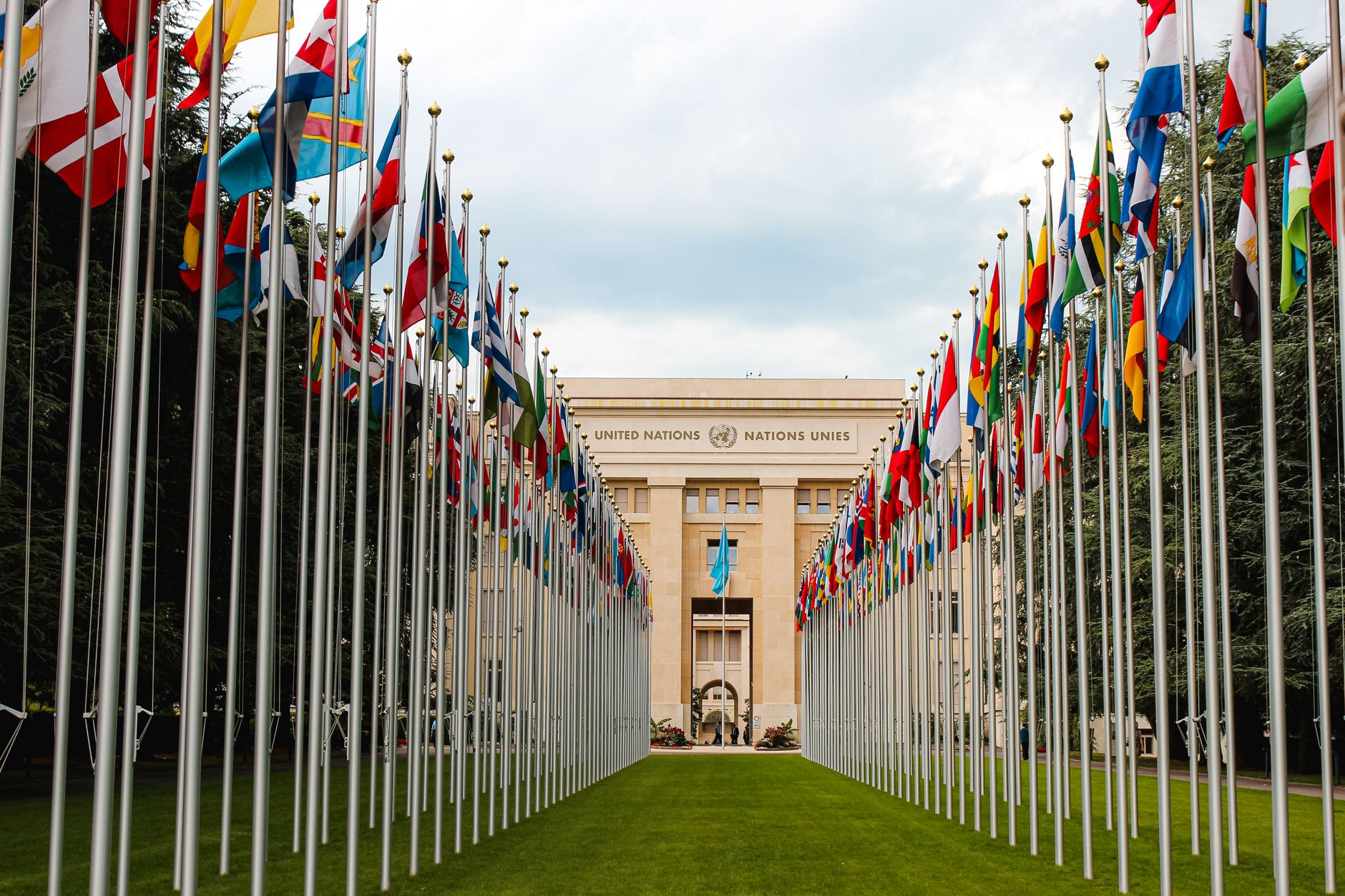
UN climate conference talks have begun, raising concerns over inadequate and slow action from world leaders. The stakes are high as climate change impacts intensify globally.
Overview of the UN Climate Conference
The UN climate conference is a pivotal gathering that brings together world leaders, policymakers, and climate activists to address the urgent challenges posed by climate change. This year’s conference has commenced amid growing concerns over the slow pace of action taken to combat global warming. Many experts argue that the current strategies are insufficient to meet the targets set by international agreements.
As nations convene, the atmosphere is charged with a mix of hope and skepticism. Delegates from various countries are expected to present their plans for reducing greenhouse gas emissions, increasing renewable energy use, and supporting vulnerable communities affected by climate impacts. However, critics emphasize that mere discussions will not suffice without concrete commitments and timely implementation.
Key topics on the agenda include:
- Emission reduction targets: Evaluating the adequacy of national plans and long-term strategies.
- Funding for climate adaptation: Ensuring financial support for developing nations facing severe climate challenges.
- Technological innovation: Promoting advancements in clean energy and sustainable practices.
As the UN climate conference progresses, the world watches closely, hoping that decisive actions will emerge to address the climate crisis effectively.
Key Issues on the Agenda
The UN climate conference has gathered global leaders to address some of the most pressing issues surrounding climate change. As discussions commence, several key topics have emerged on the agenda that highlight the challenges faced by countries worldwide. These issues are crucial for fostering meaningful progress in combating climate change.
- Emission Reduction Targets: Nations are being urged to set more ambitious goals for reducing greenhouse gas emissions. Current commitments are deemed insufficient to meet the targets set by the Paris Agreement.
- Financial Support for Developing Countries: There is a growing call for developed nations to provide adequate financial resources to support climate action in developing countries. Without this support, many nations may struggle to implement necessary changes.
- Adaptation Strategies: As climate impacts become increasingly severe, the need for effective adaptation strategies is critical. Leaders are discussing how to enhance resilience in vulnerable communities and ecosystems.
- Technology Transfer: Access to clean technology is essential for achieving sustainability goals. Discussions are centered on how to facilitate the transfer of innovative technologies to developing regions.
The outcomes of the UN climate conference will significantly influence future climate policies and actions worldwide.
UN Climate Conference Goals
The UN climate conference aims to set ambitious goals for global climate action, emphasizing the need for immediate and effective measures to combat climate change. As discussions unfold, several key objectives have been highlighted:
- Reducing Greenhouse Gas Emissions: Participants are expected to agree on binding commitments to lower emissions significantly by 2030, with the ultimate goal of achieving net-zero by 2050.
- Financial Support for Developing Nations: Wealthier countries are urged to provide financial aid and technological support to developing nations, enabling them to adopt sustainable practices and adapt to climate impacts.
- Enhancing Climate Resilience: Countries aim to develop strategies that improve resilience against climate-related disasters, ensuring communities can withstand the impacts of climate change.
- Promoting Renewable Energy: A shift towards renewable energy sources is critical, with discussions focused on increasing investments in solar, wind, and other sustainable technologies.
Despite the urgency expressed by scientists and environmentalists, there are growing concerns regarding the pace of negotiations. Many advocates fear that without decisive action and clear commitments from world leaders at the UN climate conference, progress will remain frustratingly slow.
Global Leaders’ Responses
As the UN climate conference progresses, global leaders have expressed a mix of optimism and frustration regarding the pace of commitments to combat climate change. While many countries have pledged to reduce greenhouse gas emissions, critics argue that these measures remain insufficient to meet the urgent targets set in previous agreements.
During the opening sessions, several prominent figures underscored the need for immediate action. John Doe, the Prime Minister of a leading industrial nation, stated, “We cannot afford to wait any longer. The science is clear, and the time for decisive action is now.”
In contrast, Jane Smith, a representative from a developing country, highlighted the challenges faced by nations that rely heavily on fossil fuels for economic stability. She emphasized the importance of equitable solutions, saying, “We need financial support and technology transfer to transition to greener alternatives without jeopardizing our economies.”
Moreover, some leaders have proposed creating new funding mechanisms to help countries adapt to climate impacts. The discussions have also included:
- Enhancing renewable energy investments
- Strengthening international collaborations
- Establishing stricter regulations on emissions
As the conference continues, the focus remains on achieving tangible outcomes that can translate promises into action, addressing the growing concerns over slow progress in combating climate change.
Public Reaction to Climate Talks
The recent UN climate conference has sparked a wave of public reaction, with many expressing disappointment over the pace of action being taken to address climate change. Activists and concerned citizens alike have voiced their frustrations, feeling that the discussions are not translating into tangible results.
Many participants at the conference emphasized the urgency of the situation, citing alarming climate data and the increasing frequency of extreme weather events. Protesters gathered outside the venue, demanding that world leaders take decisive steps to combat the climate crisis. Among their demands were:
- Stricter emissions targets to limit global warming to 1.5 degrees Celsius.
- Increased funding for renewable energy initiatives, particularly in developing nations.
- Stronger accountability measures for countries failing to meet their commitments.
Many experts argue that the slow action observed during the UN climate conference is detrimental to the fight against climate change. “We can’t afford to wait any longer; the time for action is now,” said one prominent environmental scientist. As public pressure mounts, the hope is that leaders will prioritize meaningful change over mere discussions, addressing the growing concerns of their constituents in the process.
Photo by Mathias Reding on Pexels