U.S.-Iran negotiations are back in focus as Qatari mediators held talks in Tehran aimed at restarting direct discussions between the two nations.
Current Status of U.S.-Iran Negotiations
The current status of U.S.-Iran negotiations remains a topic of significant interest as diplomatic efforts intensify. Recently, Qatari mediators conducted talks in Tehran aimed at revitalizing direct discussions between the United States and Iran. This initiative underscores a collective desire to re-engage in dialogue, particularly in light of previous stalled negotiations.
Key points emerging from the latest talks include:
- Increased Diplomatic Engagement: The involvement of Qatari mediators highlights a broader regional effort to facilitate communication and build trust between the two nations.
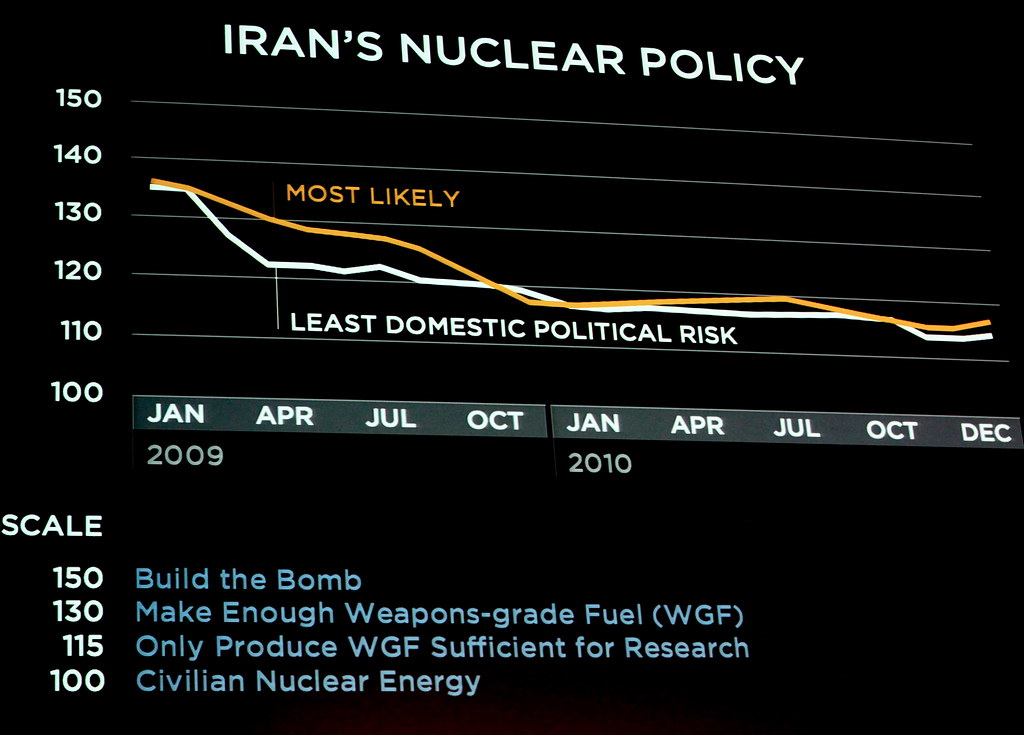
- Focus on Nuclear Agreements: Negotiators aim to address longstanding issues surrounding Iran’s nuclear program, which has been a central concern for the U.S. and its allies.
- Regional Stability: There is an emphasis on how successful negotiations could contribute to overall stability in the Middle East, potentially easing tensions between neighboring countries.
While challenges remain, the renewed focus on U.S.-Iran negotiations suggests that both sides may be willing to explore avenues for compromise. The upcoming weeks will be crucial for determining whether these discussions yield concrete outcomes, as international observers remain cautiously optimistic.
Role of Qatari Mediators in Talks
Qatar has emerged as a crucial player in the ongoing U.S.-Iran negotiations, with its mediators actively facilitating dialogue between the two nations. Recent reports indicate that Qatari officials held significant talks in Tehran, aimed at restarting direct negotiations, which have been stalled for some time.
The role of Qatari mediators is pivotal for several reasons:
- Neutral Ground: Qatar has maintained a relatively neutral stance in the Middle East, allowing it to serve as an effective intermediary.
- Established Relationships: The country has built diplomatic ties with both the U.S. and Iran, creating an environment conducive to open dialogue.
- Commitment to Peace: Qatar has expressed a strong commitment to regional stability, making its involvement in these negotiations particularly valuable.
By leveraging its unique position, Qatar aims to bridge the gap between the two nations, fostering a clearer path towards proven dialogue. The resumption of talks could lead to a significant thawing of relations, ultimately benefiting both countries and the broader region.
As the situation develops, the effectiveness of Qatari mediation will be closely monitored by international observers, eager to see if it can yield tangible results in the complex landscape of U.S.-Iran relations.
Potential Outcomes of Renewed Dialogue
The renewed dialogue between the U.S. and Iran presents several potential outcomes that could shape the geopolitical landscape. As both nations engage in discussions mediated by Qatar, the prospects of a diplomatic resolution appear more tangible than in recent years.
One of the most significant outcomes could be the establishment of a new nuclear agreement that addresses the concerns surrounding Iran’s nuclear program. Such an agreement might include:
- Limitation of Uranium Enrichment: Setting strict limits on Iran’s uranium enrichment activities to ensure compliance with international standards.
- Economic Relief: Gradual lifting of sanctions, allowing Iran to reintegrate into the global economy, which could foster stability in the region.
- Enhanced Inspections: Allowing international inspectors more access to Iran’s nuclear facilities to build trust and verify compliance.
Moreover, the U.S.-Iran negotiations could lead to broader discussions on regional security issues, including:
- Support for Militant Groups: Addressing Iran’s support for groups that threaten U.S. allies in the region.
- Regional Alliances: Strengthening alliances among Gulf states to counterbalance Iran’s influence.
In conclusion, the potential outcomes of these negotiations could pave the way for a more stable and peaceful Middle East.
Challenges Ahead for U.S.-Iran Relations
The ongoing U.S.-Iran negotiations face several significant challenges that could hinder progress in establishing a stable dialogue. Despite recent efforts, including mediation by Qatar, the fundamental issues that have historically strained relations remain unresolved.
Among the primary challenges are:
- Trust Deficit: Years of animosity and conflicting interests have created a deep-seated distrust between the two nations. Rebuilding this trust will be crucial for any meaningful dialogue to take place.
- Regional Tensions: Iran’s involvement in regional conflicts and its nuclear program continue to be major sticking points. These issues complicate not only bilateral negotiations but also involve other regional and global powers.
- Domestic Pressures: Both the U.S. and Iran face internal political pressures that may limit their flexibility in negotiations. Hardline factions in both countries could resist compromises necessary for a successful agreement.
- Sanctions and Economic Conditions: The U.S. sanctions on Iran have had lasting effects on its economy, fueling resentment and complicating the negotiation landscape.
Addressing these challenges will require patience, strategic diplomacy, and a commitment to finding common ground in the U.S.-Iran negotiations.
By jurvetson via Openverse