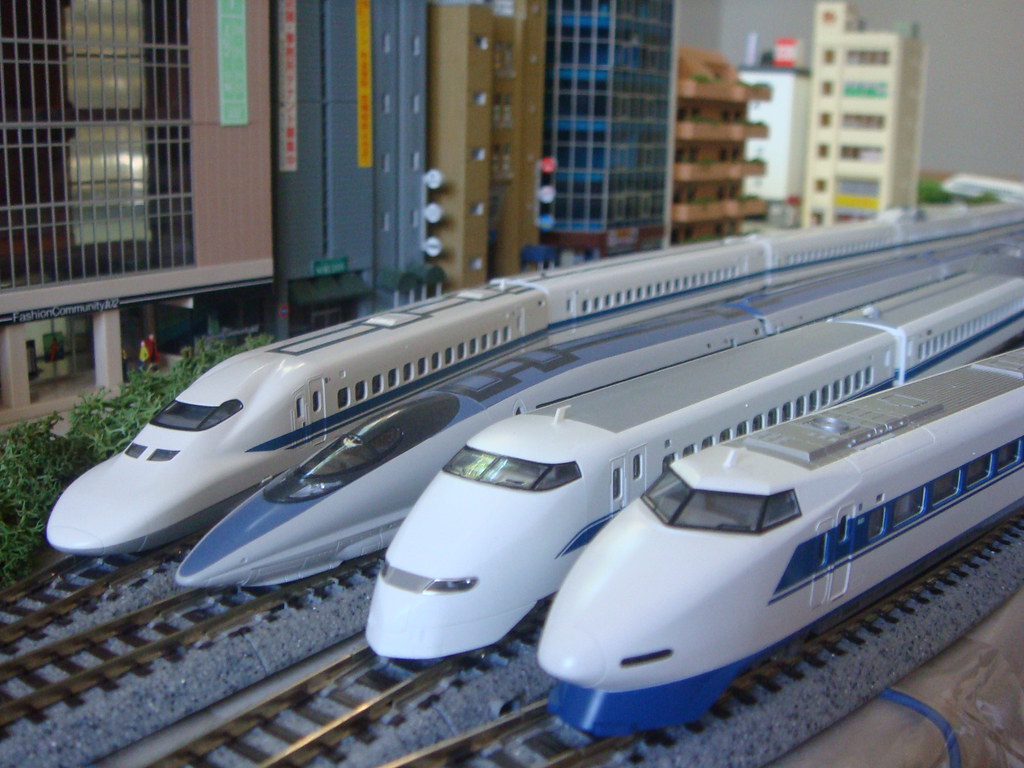
Japan Shinkansen technology is revolutionizing how India’s bullet train will switch tracks at an impressive speed of 320 kmph. This advancement promises to enhance efficiency and safety in rail travel.
Introduction to Shinkansen Technology
The Japan Shinkansen technology, renowned for its speed and efficiency, has revolutionized rail transport since its inception in the 1960s. This advanced system, often referred to as the “bullet train,” combines cutting-edge engineering with rigorous safety protocols to provide passengers with a smooth and rapid travel experience.
The Shinkansen operates at speeds up to 320 km/h, showcasing Japan’s commitment to developing high-speed rail networks that connect major cities with minimal travel time. Its unique design features, including aerodynamic train shapes and dedicated tracks, contribute to its impressive performance and reliability.
As India embarks on its own journey to introduce high-speed rail services, the adoption of Japan Shinkansen technology could prove pivotal. The Indian government aims to enhance connectivity and reduce travel times, making this technology an attractive option for the country’s burgeoning transportation needs.
Key benefits of implementing Shinkansen technology in India include:
- Increased Efficiency: Faster travel times and better scheduling.
- Enhanced Safety: Proven safety features and protocols.
- Economic Growth: Boosting local economies through improved connectivity.
Impact on Indian Railways
The introduction of Japan Shinkansen technology into India’s rail system has the potential to revolutionize the way people travel across the country. By implementing high-speed rail solutions, Indian Railways could significantly enhance efficiency and reduce travel times between major cities.
One of the most notable impacts of adopting this technology would be:
- Increased Speed: Japan Shinkansen trains can operate at speeds of up to 320 km/h, allowing passengers to reach their destinations in a fraction of the time currently required.
- Safety Improvements: The advanced technology used in Shinkansen trains includes automated systems that enhance safety, potentially reducing accidents on busy routes.
- Environmental Benefits: High-speed trains are generally more energy-efficient than cars and airplanes, contributing to lower carbon emissions.
Moreover, the successful integration of Shinkansen technology could encourage more people to choose rail travel over other modes of transportation, leading to a significant increase in ridership and revenue for Indian Railways. This transition may also stimulate economic growth along the new rail corridors.
Benefits of High-Speed Rail
The introduction of high-speed rail, particularly through Japan’s Shinkansen technology, offers numerous benefits that could revolutionize transportation in India. These advantages extend beyond mere speed, impacting various aspects of travel and economy.
- Time Efficiency: High-speed trains significantly reduce travel time, allowing passengers to reach their destinations faster. This efficiency can enhance productivity and economic opportunities.
- Environmental Impact: Trains are generally more energy-efficient and produce lower carbon emissions compared to cars and planes. This aligns with global efforts to combat climate change.
- Safety: Japan’s Shinkansen technology is renowned for its safety record, greatly minimizing accidents and enhancing passenger confidence in rail travel.
- Boost to Local Economies: High-speed rail stations often stimulate local businesses and tourism, creating jobs and contributing to regional growth.
- Comfort and Convenience: Modern trains equipped with advanced technology offer a comfortable travel experience, making rail a preferred choice for commuters.
Overall, adopting Japan’s Shinkansen technology could be a transformative step for India’s rail infrastructure, paving the way for a more efficient and sustainable future.
Challenges in Implementation
While Japan’s Shinkansen technology offers numerous advantages, its implementation in India faces several challenges. These hurdles could impact the overall effectiveness of high-speed rail networks.
- Infrastructure Development: Upgrading existing railway lines and constructing new tracks suitable for Shinkansen trains require significant investment and planning.
- Land Acquisition: The need for extensive land acquisition poses legal and social challenges, particularly in densely populated areas.
- Technological Adaptation: Differences in existing railway systems may require modifications to accommodate Shinkansen technology, which can lead to increased costs and delays.
- Safety Concerns: Ensuring safety at high speeds is paramount, necessitating the implementation of advanced signal systems and regular maintenance protocols.
- Public Acceptance: Gaining public support for high-speed rail initiatives is crucial, as there may be skepticism about the benefits versus the disruption caused during construction.
Addressing these challenges is essential for India to fully leverage the potential of Japan’s Shinkansen technology and provide effective high-speed rail solutions.
Comparative Analysis with Other Technologies
When considering the adoption of high-speed rail in India, it’s essential to conduct a comparative analysis with other technologies. Japan’s Shinkansen technology stands out for its remarkable speed and safety features, but other options exist.
One alternative is magnetic levitation (maglev) technology, which has gained attention in countries like China and Germany. While maglev can achieve speeds higher than the Shinkansen, it requires a significant initial investment and specialized infrastructure.
Another option is conventional high-speed trains, which can be adapted from existing rail networks. These trains offer decent speeds but do not match the efficiency and technology of the Shinkansen. They also tend to have longer travel times, especially in regions with frequent stops.
Furthermore, while Japan’s Shinkansen technology emphasizes punctuality and safety, other technologies may struggle to maintain the same standards. Countries implementing these alternatives often face challenges related to maintenance and operational reliability.
Ultimately, while there are various technologies available, Japan’s Shinkansen technology remains a frontrunner for India, given its proven track record and potential for modernization.
Future of Bullet Trains in India
The future of bullet trains in India largely hinges on the successful implementation of Japan Shinkansen technology. As India embarks on this ambitious high-speed rail project, several factors will determine its effectiveness and sustainability.
Firstly, infrastructure development is crucial. The integration of advanced technology requires not only modern tracks but also upgrades to existing railway stations and surrounding facilities. This could lead to significant improvements in regional connectivity.
Secondly, public acceptance will play a vital role. Awareness campaigns can help to educate potential passengers about the benefits of bullet trains, including reduced travel times and enhanced comfort.
Moreover, the economic viability of such projects must be assessed. Investments in high-speed rail can stimulate job creation and improve local economies, making it a beneficial endeavor for the country.
Lastly, safety measures need to be prioritized. Japan’s Shinkansen technology is renowned for its safety record, and adopting similar protocols will be essential for fostering public trust in this new mode of transportation.
Safety Measures in High-Speed Rail
As India considers the implementation of Japan Shinkansen technology for its high-speed rail network, safety measures remain a top priority. The Shinkansen system is renowned for its rigorous safety protocols, which have been developed and refined over decades of operation.
Key safety features of the Shinkansen include:
- Earthquake Detection Systems: Advanced sensors detect seismic activity and automatically halt trains to prevent accidents.
- Emergency Braking Systems: Trains are equipped with state-of-the-art braking technology that allows for rapid deceleration in emergency situations.
- Dedicated Tracks: High-speed trains operate on exclusive tracks, reducing the likelihood of collisions with other rail traffic.
- Regular Maintenance: Maintenance schedules are strictly adhered to, ensuring that all trains and tracks are in optimal condition.
Incorporating these safety measures into India’s rail infrastructure could significantly enhance the overall efficiency and reliability of its bullet trains. By adopting Japan Shinkansen technology, India has the potential to create a safe and efficient high-speed rail system that meets the needs of its growing population.
Conclusion and Next Steps
In conclusion, Japan Shinkansen technology presents a promising opportunity for India’s railway modernization. The potential benefits, such as reduced travel times and increased connectivity, could significantly enhance economic growth and passenger convenience. However, successful implementation hinges on addressing various challenges, including infrastructure requirements, cost management, and regulatory hurdles.
Moving forward, it is crucial for India to undertake a comprehensive feasibility study, focusing on the specific needs and conditions of its railway network. Engaging with Japanese experts and leveraging their extensive experience can provide valuable insights into best practices and potential pitfalls.
Furthermore, fostering public-private partnerships and encouraging investment in high-speed rail projects will be essential. As the country prepares to initiate its bullet train projects, prioritizing safety measures and adopting robust technology standards will ensure a reliable service for future passengers.
Ultimately, while Japan Shinkansen technology may not be a one-size-fits-all solution, its principles and innovations offer a solid foundation for India to develop its own high-speed rail capabilities, enhancing the overall efficiency of its transportation system.
Japan Shinkansen technology has proven to be an efficient and reliable mode of transportation, making it an attractive option for India’s growing infrastructure needs. However, adapting Japan Shinkansen technology to India’s unique challenges will require careful planning and investment.
By foolish adler via Openverse
References
Indian stock market shows clear consolidation trend ahead · OpenAI Medicare portal breach: A Serious Disclosure Delay · Is Traffic Motion Radar the Best Tool for Safety?