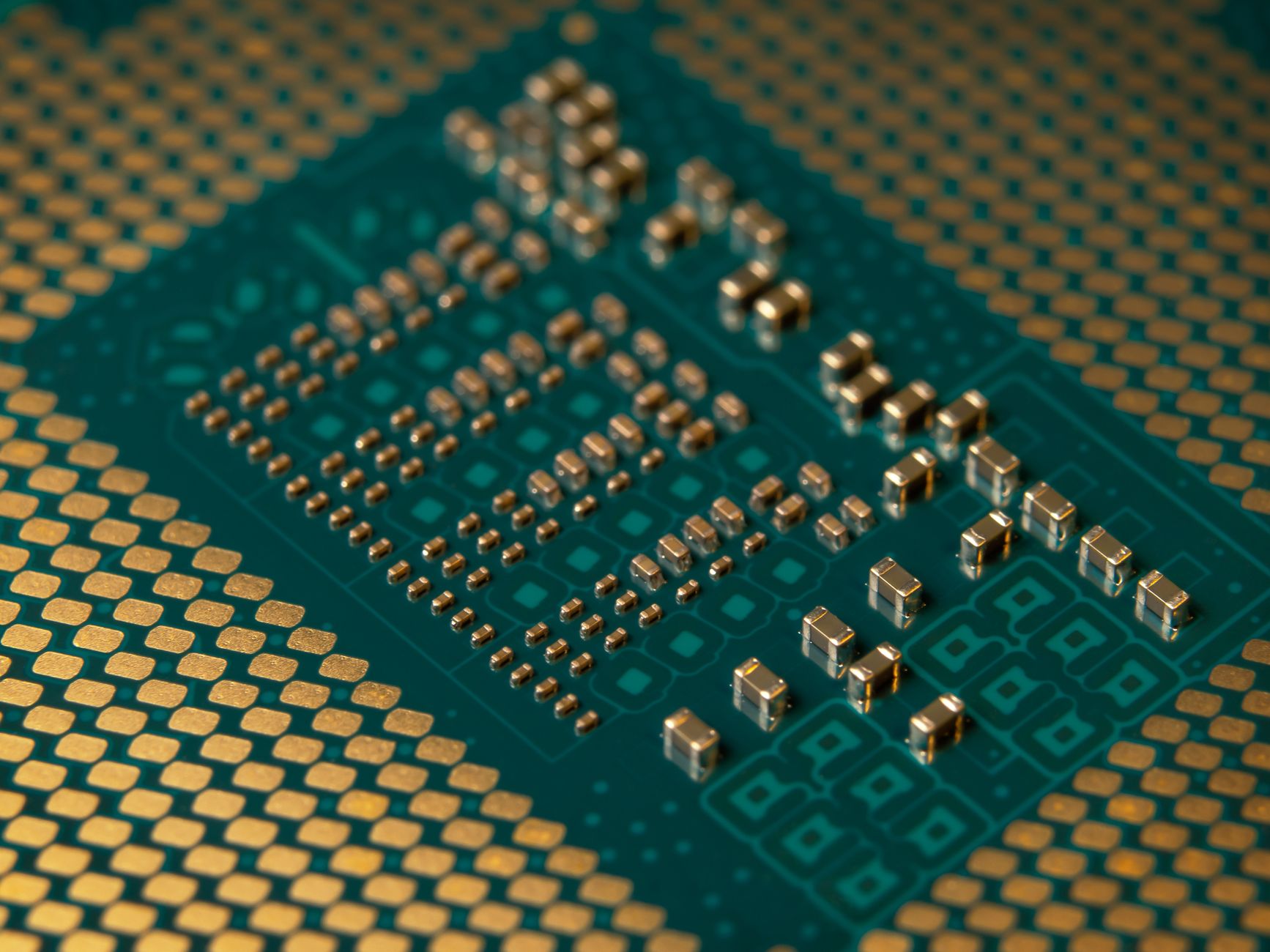
Dependence on semiconductors is becoming more pronounced, as revealed in a new report by HCLTech. The study indicates that 98% of surveyed enterprises now rely heavily on these critical components.
Overview of Semiconductor Dependence
The recent HCLTech report highlights a significant trend in the global market: enterprises are increasingly reliant on semiconductors. According to the survey, an overwhelming 98% of the participating organizations reported a heightened dependence on these crucial components compared to previous years.
This growing reliance on semiconductors is attributed to several factors:
- Technological Advancements: As industries evolve, the demand for advanced technologies such as artificial intelligence, the Internet of Things (IoT), and 5G connectivity has surged, all of which require sophisticated semiconductor solutions.
- Market Dynamics: The COVID-19 pandemic has accelerated digital transformation, resulting in increased semiconductor usage across various sectors, including automotive, healthcare, and consumer electronics.
- Supply Chain Challenges: The global semiconductor shortage has exposed vulnerabilities in supply chains, prompting companies to re-evaluate their strategies and enhance their dependence on reliable semiconductor sources.
Furthermore, the report emphasizes that businesses are now prioritizing investments in semiconductor technologies to ensure sustainability and competitiveness in the market. The insights gathered underline the pivotal role that semiconductors play in powering innovations and driving economic growth.
As enterprises navigate these complexities, a deeper understanding of their dependence on semiconductors will be essential for future planning and strategic development.
Key Findings from HCLTech Report
The recent HCLTech report has illuminated several critical insights regarding the increasing dependence on semiconductors among enterprises. The findings highlight the fundamental role semiconductors play in driving innovation and supporting business operations across various sectors.
- Increased Reliance: A staggering 98% of surveyed enterprises reported a greater dependence on semiconductors in their operations compared to previous years. This surge underscores the semiconductor’s pivotal role in enabling technological advancements.
- Impact on Supply Chains: Many companies acknowledged that their operational efficiency is heavily tied to semiconductor availability, leading to potential disruptions if supply chain issues arise. The interconnectivity of supply chains makes them vulnerable to fluctuations in semiconductor production.
- Investment in Technology: Enterprises are ramping up investment in semiconductor-related technologies, with a focus on enhancing their capabilities. This trend signifies a shift towards prioritizing innovation and resilience in the face of ongoing challenges.
- Future Outlook: Looking ahead, businesses are strategizing to mitigate risks associated with dependence on semiconductors, with many exploring partnerships to secure their supply chains and ensure consistent access to these critical components.
These findings reveal that the dependence on semiconductors is not just a current challenge but a fundamental aspect of future growth for enterprises across multiple industries.
Impact on Enterprises
The recent HCLTech report reveals significant implications for enterprises as they navigate their increasing dependence on semiconductors. As technology continues to evolve, businesses are finding that reliance on these critical components is no longer a choice but a necessity.
According to the report, a staggering 98% of surveyed enterprises reported a heightened dependence on semiconductors. This trend is reshaping the operational landscape and prompting organizations to reassess their supply chain strategies. The ramifications of this dependence on semiconductors are profound and multifaceted.
Enterprises are experiencing:
- Supply Chain Vulnerabilities: The concentration of semiconductor manufacturing in specific regions has highlighted risks associated with geopolitical tensions and natural disasters.
- Increased Costs: As demand surges, the cost of acquiring semiconductors is on the rise, impacting budgets and pricing strategies.
- Innovation Limitations: A restricted supply of semiconductors can hinder the ability of companies to innovate and bring new products to market swiftly.
To mitigate these challenges, enterprises are investing in diversifying their supply chains and exploring partnerships with semiconductor manufacturers. This proactive approach aims to secure a stable supply while fostering innovation in an increasingly digital world.
Future Trends in Semiconductor Usage
The HCLTech report highlights several future trends in semiconductor usage that signal an evolving landscape for industries worldwide. As enterprises continue to increase their dependence on semiconductors, several key developments are expected to shape the market.
One of the most significant trends is the push towards artificial intelligence (AI) and machine learning (ML). As these technologies become more integrated into business processes, the demand for specialized semiconductor chips designed to handle complex computations will rise. This shift is likely to drive innovation in chip design and manufacturing.
Another important trend is the growing emphasis on sustainability. With environmental concerns on the rise, companies are looking for ways to produce semiconductors more efficiently and with lower carbon footprints. The adoption of eco-friendly materials and processes may become critical as consumers and regulators alike demand greener solutions.
Additionally, the geopolitical landscape is influencing semiconductor supply chains. Companies are increasingly diversifying their suppliers to mitigate risks associated with political tensions and trade regulations. This strategy is expected to lead to a more resilient semiconductor ecosystem.
Lastly, the Internet of Things (IoT) is set to further drive semiconductor usage as more devices become interconnected. This trend will create new opportunities for businesses to leverage data analytics, enhancing operational efficiency and customer engagement.
In summary, the future of semiconductor usage is poised for significant transformation, driven by technology, sustainability, geopolitics, and connectivity.
Photo by ed br on Pexels