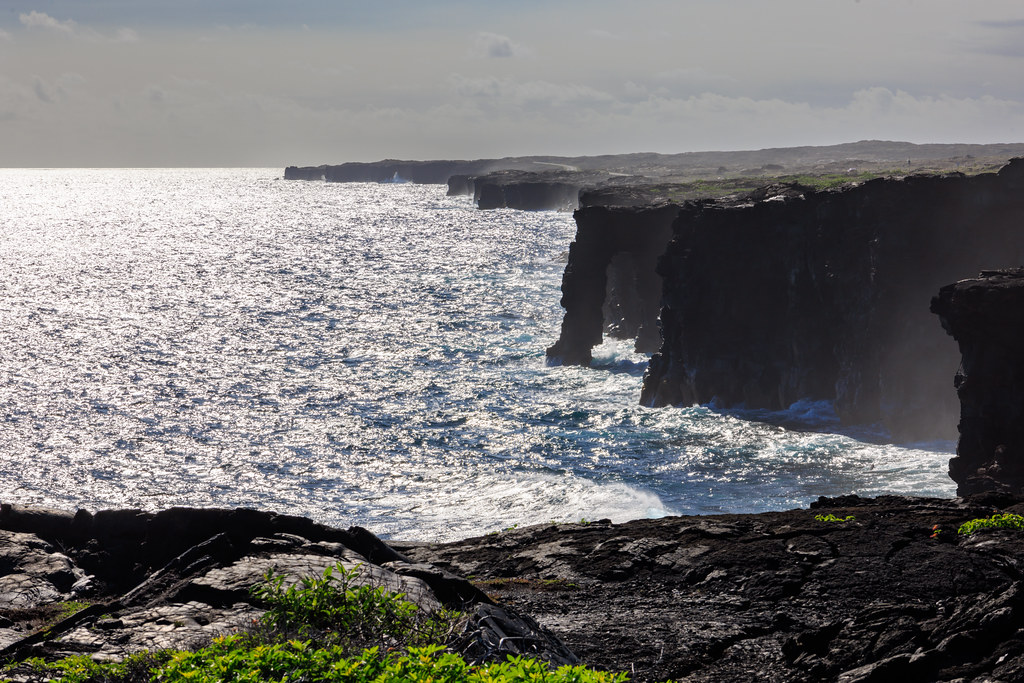
Hawaii sea arch has collapsed into the Pacific Ocean, a stunning geological formation that lasted 550 years. This event highlights the ever-changing nature of our planet.
What Caused the Collapse of the Hawaii Sea Arch?
The recent collapse of the Hawaii sea arch has raised concerns among environmentalists and geologists alike. This stunning natural formation, which had stood for approximately 550 years, succumbed to the relentless forces of nature. The primary factors contributing to this tragic event include:
- Coastal Erosion: The constant battering of waves against the rock face eroded its structure over time, weakening its integrity.
- Weathering: Natural weathering from wind, rain, and changing temperatures played a significant role in deteriorating the arch’s stability.
- Sea Level Rise: As global sea levels rise, increased water levels can lead to greater wave action, further exacerbating erosion.
- Tectonic Activity: The region is seismically active, and minor earthquakes can shift landforms, contributing to potential collapses.
The loss of the Hawaii sea arch serves as a stark reminder of the vulnerabilities faced by natural landscapes due to climate change and human impact. Efforts to preserve and study such formations are crucial to understanding and mitigating future risks.
Historical Significance of Hawaii’s Sea Arch
The Hawaii sea arch, a stunning natural formation, held significant historical and cultural value for the local communities. Known for its breathtaking beauty and unique geological features, this sea arch attracted tourists and nature enthusiasts alike. For centuries, it served as a landmark for navigation and a symbol of the resilience of nature.
Formed approximately 550 years ago, the sea arch was not only a geological marvel but also an integral part of local mythology and storytelling. Many Hawaiian legends spoke of the arch as a gateway to the spirit world, making it a site of reverence for the indigenous people.
Tourists would often visit the arch to witness its grandeur, capturing photographs and sharing the experience with friends and family. The collapse of the Hawaii sea arch marks a tragic loss, not just of a natural wonder but also of a piece of cultural heritage. The event has sparked conversations about the fragility of such formations and the impact of environmental changes on coastal landscapes.
As communities reflect on the significance of the sea arch, they are reminded of the delicate balance between nature and human activity, emphasizing the importance of preserving natural landmarks for future generations.
Impact on Local Ecosystem
The recent collapse of the Hawaii sea arch has raised significant concerns regarding the impact on the local ecosystem. This natural formation, which stood for over 550 years, was not only a stunning visual landmark but also played a crucial role in the surrounding habitat.
Many species relied on the arch for shelter and as a breeding ground, particularly seabirds and marine life. The loss of the sea arch could disrupt the delicate balance of the ecosystem. Experts fear that the collapse may lead to:
- Reduced Habitat: The absence of the arch eliminates crucial nesting sites for various bird species, potentially leading to a decline in their populations.
- Increased Erosion: The arch acted as a natural barrier, and its collapse may accelerate coastal erosion, which can further threaten local flora and fauna.
- Loss of Biodiversity: The unique microhabitats created by the sea arch supported diverse marine life, and its removal could lead to a reduction in species variety.
In addition to its ecological significance, the Hawaii sea arch was a symbol of natural beauty that attracted numerous tourists, contributing to the local economy. Its absence is not just a loss for the environment but also for the community that cherished this iconic structure.
Reactions from Environmentalists
Environmentalists have expressed profound sadness over the recent collapse of the Hawaii sea arch, a stunning natural formation that had stood for 550 years. Many view this event as a tragic loss not only for its aesthetic value but also for its ecological significance.
According to Dr. Emily Kaimi, a marine biologist at the University of Hawaii, the arch was more than just a geological marvel; it served as a habitat for various marine species. “The Hawaii sea arch was integral to the local ecosystem, providing shelter and breeding grounds for multiple species. Its loss is a reminder of the fragility of our natural world,” she stated.
The reaction from conservationists has been overwhelmingly vocal, with many calling for increased efforts to protect Hawaii’s remaining natural wonders. Mark Pua, an environmental activist, emphasized the need for sustainable tourism practices that do not compromise the integrity of natural sites. “We must learn from this tragedy and ensure that we do not repeat the same mistakes in preserving our beautiful landscapes,” he remarked.
The outpouring of concern highlights a growing awareness of environmental issues, urging both locals and visitors to appreciate and protect Hawaii’s unique geological features.
Future of Coastal Erosion in Hawaii
The recent collapse of the Hawaii sea arch has raised significant concerns regarding the future of coastal erosion in the region. As nature continues to shape the islands, the loss of such iconic structures serves as a stark reminder of the fragility of coastal landscapes.
Coastal erosion in Hawaii is driven by a combination of natural forces and human activity. Some key factors include:
- Wave action: The relentless power of ocean waves gradually wears away rock formations.
- Climate change: Rising sea levels and increased storm intensity contribute to accelerated erosion.
- Development pressures: Coastal construction and land use can destabilize natural defenses, leading to vulnerability.
As the Hawaii sea arch has fallen into the Pacific Ocean, scientists are urging for a deeper understanding of these processes. The changing coastline not only affects tourism and local economies but also impacts habitats for various marine species. Preserving Hawaii’s unique geological features is essential for both ecological balance and cultural heritage.
Looking ahead, it is crucial for local communities and policymakers to implement strategies that mitigate erosion while fostering resilience against future environmental changes.
Similar Geological Events Worldwide
The collapse of the Hawaii sea arch is not an isolated event, as similar geological occurrences have been documented across the globe. Coastal formations are frequently subject to the forces of nature, leading to their eventual deterioration. Some notable examples include:
- The Twelve Apostles, Australia: These limestone stacks have experienced significant erosion over the years, with several collapsing into the ocean, altering the coastal landscape.
- London Bridge, Australia: Once a natural rock formation connecting the mainland to an archway, it partially collapsed in 1990, showcasing the power of coastal forces.
- Arches National Park, USA: Home to over 2,000 natural stone arches, this park witnesses ongoing erosion that reshapes its iconic formations, including some that are expected to collapse in the future.
- The Needles, Isle of Wight, UK: These chalk formations are eroding steadily, with parts of the coastline disappearing into the sea over time.
While each event is unique, they share a common theme: the relentless forces of nature can transform even the most stunning geological features, reminding us of the impermanence of natural beauty, such as the Hawaii sea arch.
By TerryDOtt via Openverse