Tag: public health

  • Microplastics and Human Health: The Real Risks Explained

    Microplastics and human health are becoming critical issues in today’s society. As research uncovers the potential risks, understanding these effects is essential for public awareness and safety.

    Understanding Microplastics

    Microplastics are tiny plastic particles measuring less than five millimeters in diameter. These particles originate from various sources, including the breakdown of larger plastic debris, industrial processes, and the shedding of synthetic fibers from clothing. As they proliferate in the environment, they have become a growing concern for scientists and public health officials alike.

    Research indicates that microplastics can be found in a variety of ecosystems, including oceans, rivers, and even in the air we breathe. They have the potential to enter the human body through consumption of contaminated food and water, as well as inhalation.

    The implications of microplastics and human health are still being investigated, but preliminary studies suggest potential risks. Some of the health concerns associated with microplastics include:

    • Inflammatory responses: The body may react to microplastics as foreign invaders.
    • Toxic exposure: Harmful chemicals absorbed by microplastics can leach into the body.
    • Endocrine disruption: Certain microplastics may interfere with hormonal systems.

    As research continues, understanding the full impact of microplastics on human health remains a priority for the scientific community.

    Health Risks Associated with Microplastics

    As research continues to unveil the potential dangers of microplastics, the health risks associated with microplastics and human health are becoming increasingly concerning. Studies suggest that these tiny particles, often found in food, water, and air, may have various detrimental effects on our bodies.

    Potential health risks include:

    • Inflammation: Inhalation or ingestion of microplastics can trigger inflammatory responses in the body, potentially leading to chronic diseases.
    • Endocrine Disruption: Some microplastics may release harmful chemicals that interfere with hormone regulation, affecting reproductive and metabolic health.
    • Cellular Damage: Research indicates that microplastics can penetrate tissues, leading to cellular stress and damage in vital organs.
    • Compromised Immune Function: Exposure to microplastics may weaken the immune system, making individuals more susceptible to infections and diseases.

    While the full extent of the impact on human health remains under investigation, the evidence raises significant questions about long-term exposure to microplastics and how they may contribute to various health issues.

    Recent Studies on Microplastics

    Recent studies have shed light on the potential impacts of microplastics on human health. Researchers have been increasingly concerned about the accumulation of these tiny plastic particles in various environments and their subsequent entry into the human body.

    One significant study conducted by researchers at the University of California focused on the prevalence of microplastics in the human digestive system. The findings indicated that microplastics are not only present in marine life consumed by humans but also in processed foods and drinking water, raising alarm about the extent of exposure.

    Another important piece of research published in a leading environmental health journal highlighted the possible connections between microplastics and respiratory issues. The study suggested that inhalation of airborne microplastics could lead to inflammation in the lungs and other serious health concerns.

    The implications of these findings are profound, suggesting that microplastics and human health may be more interconnected than previously thought. As scientists continue to investigate, it is essential for the public to stay informed about the risks associated with microplastics and their potential long-term effects on health.

    What You Need to Know

    As concerns about environmental pollution grow, the impact of microplastics on human health has become a significant topic of discussion. These tiny plastic particles, often found in everyday products, can enter the human body through various pathways, raising questions about their potential health implications.

    Here are some key points to consider:

    • Exposure Sources: Microplastics can be ingested through contaminated food and water, inhaled from the air, and absorbed through the skin.
    • Health Effects: Preliminary studies suggest that microplastics may lead to inflammation, oxidative stress, and other adverse health effects, although conclusive evidence is still being gathered.
    • Vulnerable Populations: Children, pregnant women, and individuals with preexisting health conditions may be more susceptible to the effects of microplastics.
    • Regulatory Actions: Governments and organizations are beginning to implement regulations aimed at reducing plastic pollution, which could mitigate the risks associated with microplastics.

    In summary, while the connection between microplastics and human health is still being explored, it is essential to stay informed about this growing concern and its potential implications for public health.

    Impact on Human Health

    The impact of microplastics on human health is an emerging area of concern that has gained attention in recent years. As these tiny particles infiltrate our environment, they pose potential risks that warrant careful examination.

    Research indicates that microplastics can enter the human body through various pathways, including ingestion, inhalation, and dermal exposure. Once inside, they may trigger a range of health issues. Key areas of concern include:

    • Inflammation: Microplastics have been linked to inflammatory responses in human tissues, which could lead to chronic health conditions.
    • Toxicity: Many microplastics contain harmful chemicals that can leach into the body, posing risks to organs and systems.
    • Endocrine Disruption: Some studies suggest that microplastics may interfere with hormonal systems, potentially affecting reproduction and development.

    While research is ongoing, it is clear that the presence of microplastics in our daily lives raises important questions about their long-term effects on human health. Continued investigation is crucial to understanding the full extent of these risks.

    Future Research Directions

    As the understanding of microplastics and human health continues to evolve, future research directions are critical for uncovering the full extent of their impact. Scientists are calling for a multifaceted approach to studying these microscopic particles, focusing on:

    • Longitudinal studies that track the health outcomes of individuals exposed to microplastics over time.
    • Investigations into the mechanisms by which microplastics may affect human cells and tissues at a molecular level.
    • Population studies that assess varying levels of exposure in different demographics, including children and vulnerable populations.
    • Environmental research to understand the sources and pathways of microplastics, which can inform public health strategies.
    • Development of advanced detection technologies to quantify microplastics in biological samples and assess their effects more accurately.

    By addressing these key areas, researchers hope to provide clearer guidelines and recommendations for minimizing exposure, ultimately safeguarding public health against the risks posed by microplastics.

    The growing concern surrounding microplastics and human health has prompted researchers to investigate their potential effects on our bodies. Understanding the relationship between microplastics and human health is crucial for developing strategies to mitigate these risks.
    Sources

    More on this site

  • Measles Vaccine Safety: FDA Nominee’s Honest Contradiction

    Measles Vaccine Safety: FDA Nominee’s Honest Contradiction

    Measles vaccine safety is at the forefront of discussion as the FDA nominee contradicts former President Trump regarding its effectiveness. This debate highlights ongoing concerns about public health and vaccine trust.

    Understanding Measles Vaccine Safety

    In recent discussions surrounding the measles vaccine safety, a notable contradiction emerged from the FDA nominee regarding previous statements by former President Trump. The nominee emphasized the importance of vaccines in preventing outbreaks of measles, a highly contagious viral disease. This affirmation has sparked renewed interest in understanding the safety of vaccines, particularly in light of rising vaccine hesitancy.

    Measles is not only a preventable disease but can also lead to severe complications, including pneumonia and encephalitis. The vaccine is crucial in maintaining herd immunity, which protects those who cannot be vaccinated due to medical reasons.

    Supporters of the measles vaccine safety argue that:

    • Extensive Research: Numerous studies have consistently shown that the vaccine is safe and effective.
    • Regulatory Oversight: The FDA and CDC rigorously evaluate vaccines before approval.
    • Public Health Impact: Vaccination has dramatically reduced measles cases worldwide.

    Despite the contradictory statements on safety, the consensus among health professionals underscores the necessity of vaccination to safeguard public health and prevent outbreaks.

    The Role of the FDA in Vaccine Approval

    The Food and Drug Administration (FDA) plays a crucial role in ensuring the safety and efficacy of vaccines, including the measles vaccine. This federal agency is responsible for evaluating clinical trials, reviewing data, and approving vaccines before they are made available to the public.

    In the context of the recent controversy surrounding the safety of the measles vaccine, the FDA’s rigorous processes are essential. The agency conducts thorough assessments to ensure that vaccines meet high safety standards and effectively prevent diseases. These evaluations involve:

    • Reviewing Scientific Data: The FDA examines extensive clinical trial data that includes a diverse population to ensure that the vaccine performs well across different demographics.
    • Monitoring Adverse Events: Post-marketing surveillance allows the FDA to track any potential adverse events following vaccination, ensuring ongoing safety.
    • Collaborating with Experts: The FDA works closely with scientists, healthcare professionals, and public health organizations to stay informed about vaccine safety.

    In light of the recent statements from the FDA nominee, it is clear that maintaining public trust in the measles vaccine’s safety is paramount for ongoing vaccination efforts.

    Contradictions in Vaccine Messaging

    In recent discussions surrounding the measles vaccine safety, a notable contradiction emerged from the FDA nominee, who challenged former President Trump’s assertions. This divergence highlights the ongoing debate about vaccine messaging and its implications for public health.

    During a recent confirmation hearing, the nominee stated, “The evidence overwhelmingly supports the safety and efficacy of vaccines, including the measles vaccine.” This statement stands in stark contrast to Trump’s previous remarks that cast doubt on vaccine safety, contributing to a growing divide in public perception.

    Experts are emphasizing the importance of clear and consistent messaging regarding vaccines. The nominee’s position reflects a commitment to scientific integrity, advocating for transparency in communication about vaccine safety. The public’s trust in vaccines can be significantly impacted by conflicting messages from influential figures.

    • Maintaining public confidence in vaccines is crucial for achieving herd immunity.
    • Misleading statements can lead to vaccine hesitancy and outbreaks of preventable diseases.
    • Health officials urge communities to rely on scientific evidence rather than anecdotal claims.

    As the conversation around measles vaccine safety continues, it is essential for leaders to unite in promoting accurate information to protect public health.

    Public Reaction to Vaccine Safety Claims

    The recent statements from the FDA nominee regarding the measles vaccine safety have sparked a polarized public reaction. While many health experts welcomed the nominee’s honesty about the vaccine’s efficacy and safety, a vocal segment of the population expressed skepticism. This skepticism has been fueled by years of misinformation surrounding vaccines.

    Public opinion appears divided, with some individuals actively supporting the nominee’s stance, believing it reflects a commitment to scientific integrity. Others, however, are concerned that such admissions could further erode trust in vaccination programs.

    • Support for the nominee: Advocates argue that transparency is essential for rebuilding public confidence in vaccines.
    • Skepticism persists: Critics remain unconvinced, fearing that any discussion of vaccine safety may give rise to unfounded doubts about the necessity of vaccinations.
    • Impact on health policy: The conflicting messages about vaccine safety could complicate future health initiatives aimed at increasing vaccination rates.

    As the conversation around the measles vaccine safety continues, public health officials stress the importance of clear communication to combat misinformation and encourage informed decision-making.

    Historical Context of Measles Vaccination

    The history of measles vaccination provides critical insights into the ongoing discussions about measles vaccine safety. Introduced in the early 1960s, the measles vaccine has significantly reduced the incidence of this highly contagious disease. In the decades following its introduction, the vaccine was linked to decreased mortality rates and hospitalizations associated with measles outbreaks.

    During the 1980s, concerns regarding vaccine safety began to surface, largely due to a now-debunked study that falsely suggested a connection between the measles vaccine and autism. This misinformation led to a decline in vaccination rates and subsequent outbreaks of measles in various communities, highlighting the importance of maintaining high vaccination coverage to ensure herd immunity.

    In recent years, the conversation surrounding measles vaccine safety has intensified, especially with the emergence of new vaccine hesitancy movements. Public health officials emphasize the importance of credible scientific research in dispelling myths and reinforcing the safety of the vaccine.

    As debates continue, it is essential to recognize the historical context of measles vaccination and the strides made in public health, underscoring the need for informed discussions based on evidence rather than fear.

    Expert Opinions on Vaccine Effectiveness

    Experts in the field of immunology and public health have weighed in on the ongoing discussion surrounding measles vaccine safety. Many emphasize that extensive research supports the effectiveness and safety profile of the measles vaccine, highlighting its role in controlling outbreaks and preventing severe health complications associated with the disease.

    Dr. Sarah Thompson, a leading pediatrician, stated, “The overwhelming consensus among scientists is that the measles vaccine is safe and effective. We have decades of data that show its benefits far outweigh any minimal risks.”

    Additionally, Dr. Michael Lee, a vaccine researcher, pointed out, “The claims of safety concerns often stem from misinformation. It’s crucial for the public to rely on credible sources and scientific evidence.” He further noted that vaccine hesitancy can lead to outbreaks, putting vulnerable populations at risk.

    Despite the clear evidence, some individuals remain skeptical, often fueled by conflicting messages from public figures. This inconsistency can undermine public trust, making it imperative for health authorities to communicate effectively and transparently. Experts urge that continued education on measles vaccine safety is essential for maintaining high vaccination rates and protecting community health.

    The Importance of Trust in Vaccines

    Trust in vaccines is crucial for public health, particularly when it comes to the measles vaccine safety. Misinformation and conflicting messages can lead to hesitancy among parents, which ultimately affects vaccination rates. The recent statements from the FDA nominee, who contradicted former President Trump’s claims regarding vaccine safety, highlight the need for clear and consistent communication from health authorities.

    Many families rely on the guidance of experts to make informed decisions about vaccinations. When messages about the safety of the measles vaccine become muddled, it creates uncertainty. This uncertainty can foster a lack of confidence in the healthcare system, as parents may question whether they can trust the recommendations they receive.

    To combat this, health officials must prioritize transparency and provide evidence-based information regarding the safety and efficacy of vaccines. Engaging communities through educational campaigns can help rebuild trust and ensure that parents have access to the necessary resources.

    Furthermore, it is essential to acknowledge the role of social media in spreading both accurate information and misinformation. Strategies must be developed to counteract false narratives while reinforcing the importance of vaccination for public health.

    Future Implications for Public Health

    The recent statements from the FDA nominee regarding the safety of the measles vaccine have sparked widespread discussion about the future implications for public health. As conflicting messages emerge, the need for clear and consistent communication becomes increasingly crucial.

    Vaccination programs are essential in controlling outbreaks, and maintaining public confidence in the measles vaccine safety is vital. If the public perceives uncertainty surrounding vaccine safety, vaccination rates may decline, potentially leading to a resurgence of preventable diseases.

    • Public Trust: Building trust in the safety of the measles vaccine is imperative for future vaccination campaigns.
    • Policy Development: Policymakers must ensure that scientific evidence guides legislation and public health initiatives, reinforcing the importance of vaccination.
    • Community Engagement: Effective outreach and education efforts are necessary to address concerns and misinformation about vaccine safety.
    • Global Health Considerations: The implications extend beyond national borders, as low vaccination rates can lead to international outbreaks.

    Moving forward, it is essential for health officials and the FDA to prioritize transparent communication regarding the safety of vaccines, particularly the measles vaccine, to foster public confidence and protect community health.

    The recent statements regarding measles vaccine safety have sparked a significant debate within the medical community. Many experts are now emphasizing the importance of transparency in discussions about measles vaccine safety to ensure public trust.

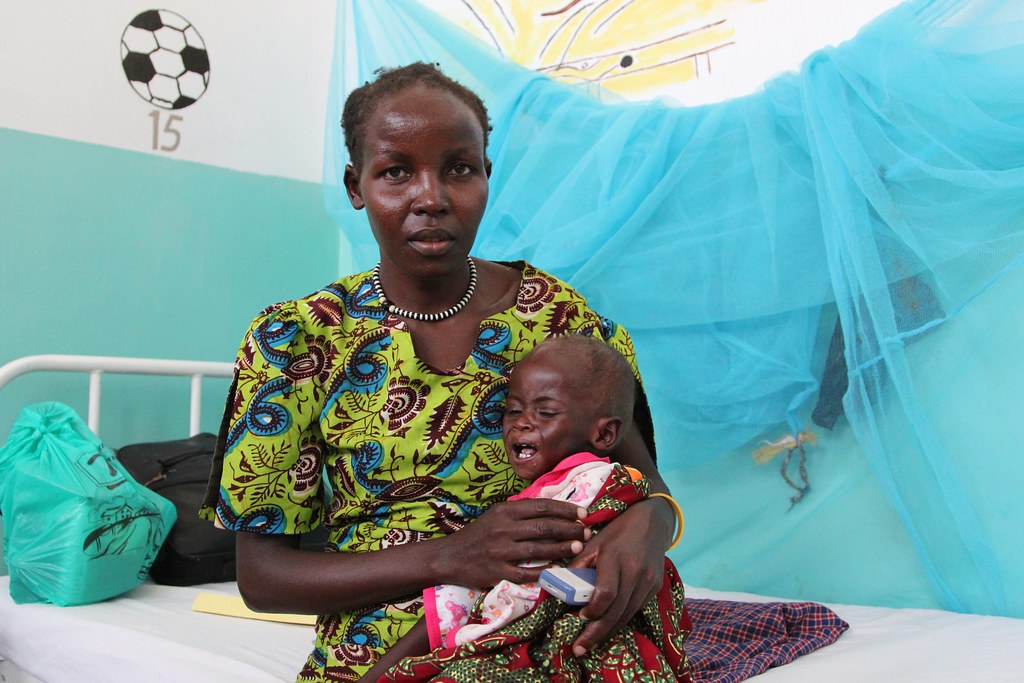
    By DFID – UK Department for International Development via Openverse

    Sources

    Related stories

  • Air quality after 9/11: Proven evidence reveals dangers

    Air quality after 9/11: Proven evidence reveals dangers

    Air quality after 9/11 has come under scrutiny as NYC releases 170,000 pages showing officials were aware of the dangers. The documents shed light on the unsafe conditions faced by first responders and residents alike.

    Understanding the NYC Air Quality Reports

    In the aftermath of the September 11 attacks, air quality in New York City became a critical concern for residents and first responders. A recent release of 170,000 pages of documents has shed light on the extent to which officials were aware of the dangers posed by the air quality after 9/11. These reports indicate that many were exposed to hazardous dust and debris.

    The NYC air quality reports revealed several key findings:

    • High levels of asbestos: The dust clouds that engulfed lower Manhattan contained significant amounts of asbestos, raising immediate health alarms.
    • Respiratory issues: Many first responders and locals experienced respiratory problems, with conditions like asthma becoming increasingly prevalent.
    • Long-term health risks: The reports suggested potential long-term health effects, including increased cancer risks, due to prolonged exposure to contaminated air.
    • Lack of transparency: Officials often downplayed the risks associated with the air quality after 9/11, which left many unaware of the hazards they faced.

    This new information has sparked renewed discussions on the need for better communication regarding air safety in emergency situations, especially in urban settings.

    What the Documents Reveal

    The recent release of over 170,000 pages of documents by New York City officials has shed light on the air quality after 9/11, revealing alarming information regarding public health risks. These documents indicate that officials were aware of unsafe air quality levels yet continued to assure the public that conditions were safe.

    Key findings from the documents include:

    • Monitoring Data: Continuous air quality monitoring revealed high levels of pollutants, including asbestos and other harmful substances.
    • Health Impact Warnings: Internal communications highlighted concerns from health officials about potential respiratory issues for first responders and residents.
    • Public Reassurances: Despite the alarming data, public statements characterized the air quality as acceptable, contributing to a false sense of security.

    These revelations raise serious questions about the actions taken by city officials in the aftermath of the attacks. Many individuals who were exposed to the compromised air quality have since reported long-term health issues, leading to increased scrutiny of the decisions made during that critical period. The documents tell a compelling story of negligence regarding the air quality after 9/11 and its implications for public health.

    Impact on First Responders

    The air quality after 9/11 had profound implications for first responders who worked tirelessly at Ground Zero. These brave individuals were exposed to hazardous conditions that were not fully understood at the time. Numerous studies have since highlighted the significant health risks faced by firefighters, police officers, and emergency medical personnel.

    Many first responders reported experiencing respiratory issues, including:

    • Chronic cough
    • Shortness of breath
    • Worsening asthma symptoms

    In addition to respiratory problems, there was an alarming rise in other health concerns among these heroes, such as:

    • Post-traumatic stress disorder (PTSD)
    • Cancers linked to toxic exposure
    • Cardiovascular diseases

    Despite the risks, many first responders continued their work, often without adequate protective gear or information about the dangers of air quality after 9/11. This lack of awareness has led to ongoing debates about the responsibility of government officials in ensuring the safety of those who rushed to help during a national tragedy.

    Public Health Concerns

    The aftermath of the September 11 attacks raised significant public health concerns regarding air quality after 9/11. Reports indicate that many residents, workers, and first responders were exposed to hazardous conditions in Lower Manhattan. The released documents reveal that officials were aware of the dangers yet failed to adequately inform the public.

    Inhabitants of the area reported a range of health issues, including:

    • Respiratory problems: Increased cases of asthma and chronic bronchitis were documented.
    • Cardiovascular issues: Studies showed a rise in heart-related ailments among those exposed.
    • Mental health effects: Anxiety, depression, and PTSD became prevalent among survivors and responders.

    The Environmental Protection Agency (EPA) initially declared the air safe, but subsequent investigations contradicted this assurance. Many experts argue that the long-term effects of poor air quality will continue to impact the health of those exposed. The need for ongoing monitoring and health support for affected individuals remains critical.

    As more evidence comes to light regarding the air quality after 9/11, the call for accountability and better health protocols grows stronger within the community.

    Official Responses to the Findings

    Following the release of 170,000 pages of documents, official responses to the findings regarding air quality after 9/11 have been met with significant scrutiny. Many officials, including city and federal leaders, faced backlash for their handling of the situation in the aftermath of the attacks.

    In the weeks and months that followed, numerous reports and studies indicated that the air quality in New York City was compromised. Despite this, officials initially downplayed the risks, assuring the public that the air was safe to breathe. This stance led to widespread confusion and a lack of trust among residents and first responders alike.

    Key responses included:

    • Public Statements: Officials emphasized recovery efforts and downplayed health risks.
    • Health Monitoring Programs: Some initiatives were launched but faced criticism for their limited scope.
    • Legal Actions: Victims and first responders sought accountability through lawsuits.

    As the revelations unfolded, it became increasingly clear that the air quality after 9/11 posed serious health threats, prompting the need for more transparent communication and comprehensive public health measures.

    Historical Context of 9/11 Air Quality

    The air quality after 9/11 became a pivotal concern for both residents and workers in New York City as well as first responders. In the chaotic aftermath of the attacks, numerous reports and studies emerged, presenting a disturbing picture of the environmental conditions. The release of 170,000 pages of documents by NYC officials has shed light on what was known at the time regarding air quality and its potential dangers.

    In the weeks following the attacks, a variety of hazardous materials were released into the atmosphere, including:

    • Asbestos
    • Lead
    • Particulate matter
    • Toxic dust

    These pollutants posed significant health risks, particularly for those who worked at Ground Zero and nearby areas. Despite the alarming data, the response from city officials was often seen as inadequate, as many individuals were not properly informed about the risks they faced. The long-term implications of poor air quality after 9/11 are still being studied, with many survivors and first responders suffering from chronic health issues linked to their exposure. This historical context of air quality highlights not just the immediate dangers but also the ongoing struggles faced by those affected by the aftermath of the attacks.

    Next Steps for New York City

    In light of the recent revelations regarding air quality after 9/11, New York City officials are urged to take immediate action to safeguard public health. The extensive documentation highlighting the known dangers underscores the need for a comprehensive response to mitigate risks associated with lingering contaminants.

    Moving forward, the city must prioritize the following next steps:

    • Enhanced Monitoring: Implementing advanced air quality monitoring systems throughout Manhattan and surrounding areas to ensure real-time data collection on pollution levels.
    • Community Awareness: Launching educational campaigns to inform residents about potential health risks and preventive measures related to air quality.
    • Health Services Expansion: Increasing access to health services for those affected, particularly first responders and residents in impacted neighborhoods.
    • Policy Reform: Advocating for stricter regulation of pollutants and establishing protocols for emergency responses to air quality crises.
    • Long-term Research: Funding studies to assess the long-term health effects of exposure to hazardous materials released after the attacks.

    By taking these steps, New York City can work towards improving air quality and ensuring the safety and well-being of its residents in the aftermath of an event that continues to impact lives.

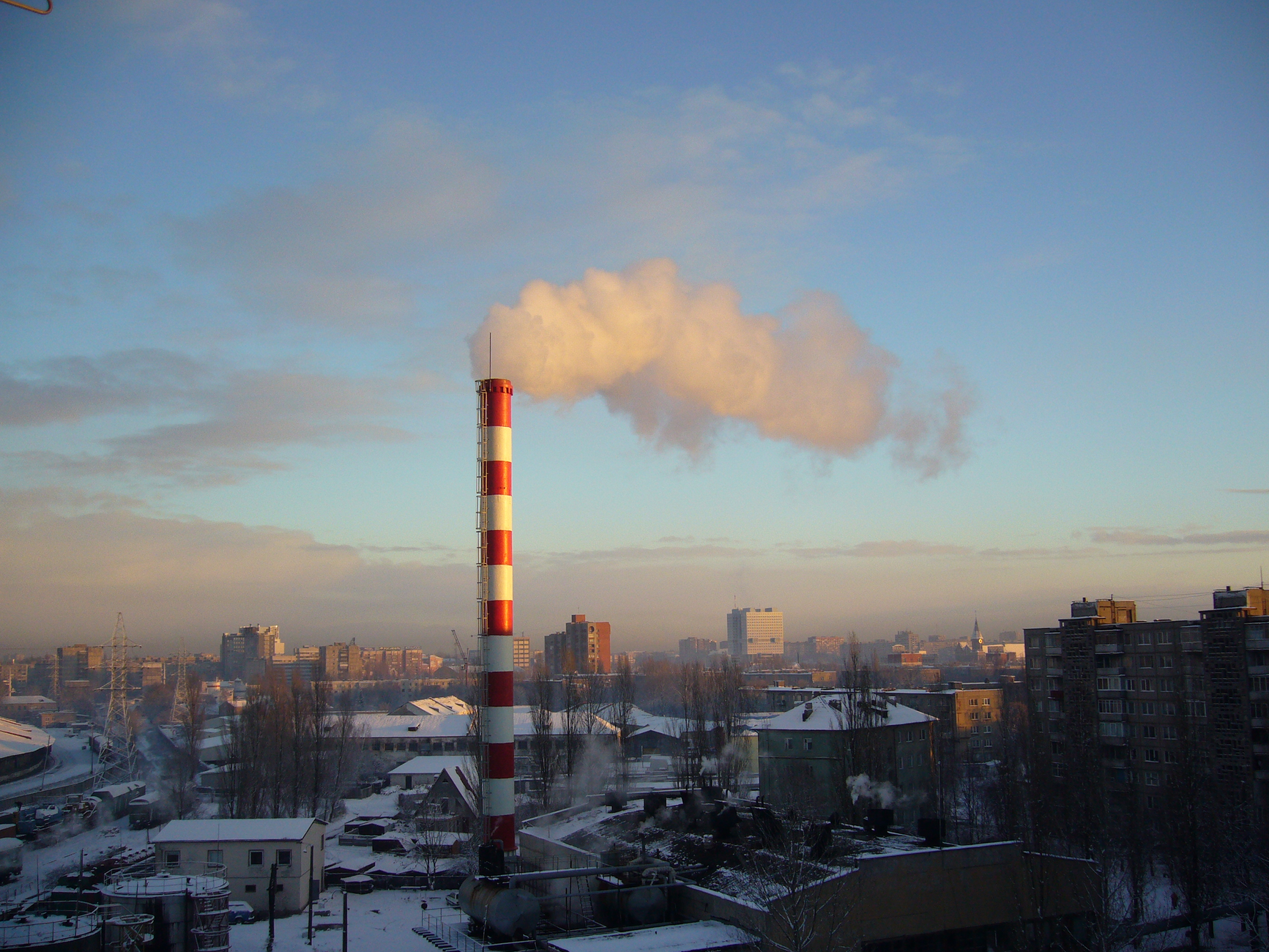
    Photo by Dina Sivak on Pexels

    Sources

    More on this site