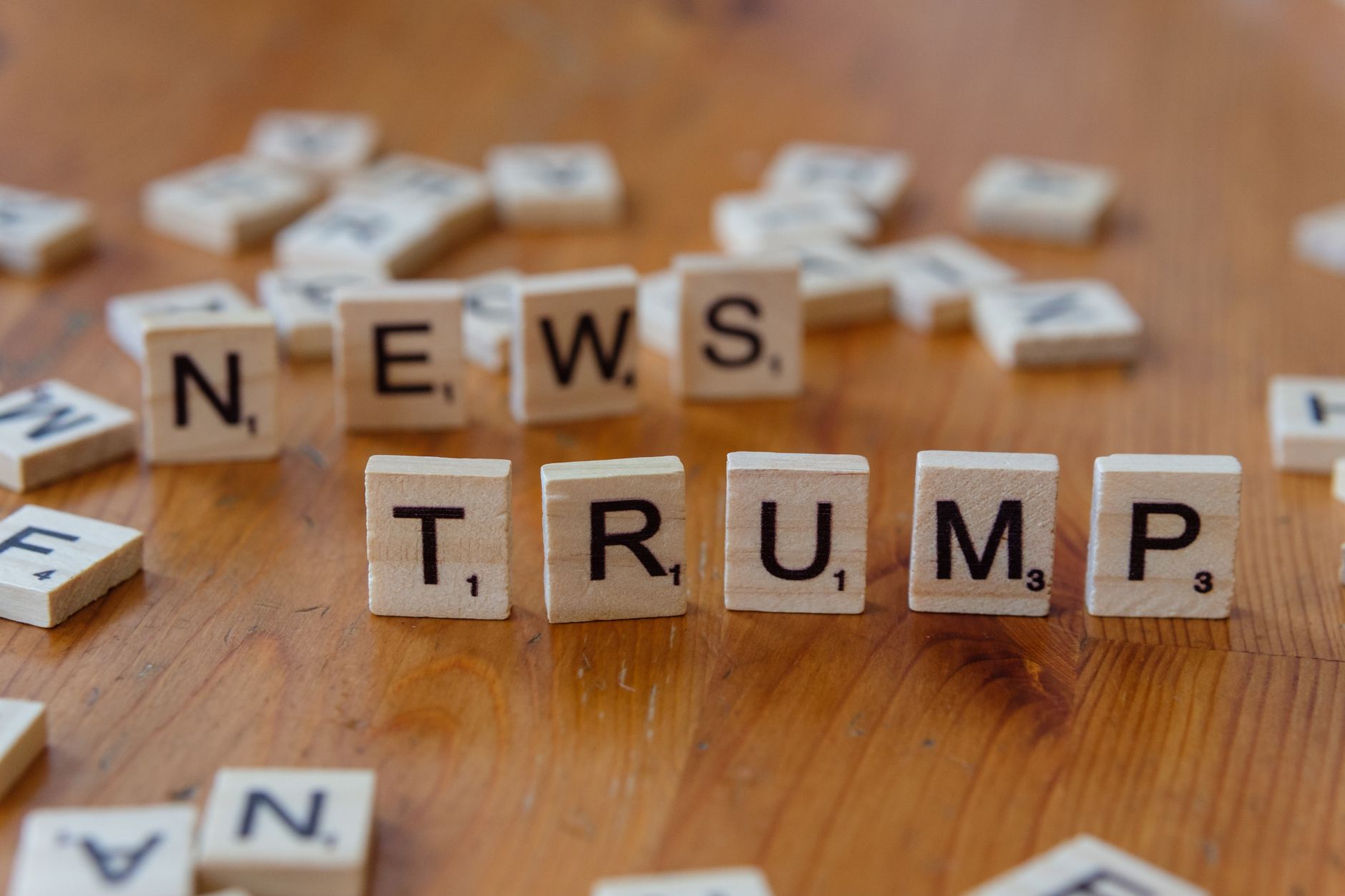
Trump media leaks have become a hot topic as the former president suggests severe consequences for government officials who share information with the press.
Understanding Trump’s Statement on Media Leaks
In a recent statement that has drawn significant criticism, former President Donald Trump made headlines by suggesting that government officials who leak information to the media “should be shot.” This provocative remark raises important questions about his views on accountability and transparency within governmental institutions.
Trump’s comments appear to reflect a broader frustration with what he perceives as a betrayal by insiders who disclose sensitive information. He has often positioned himself as a champion of law and order, but his reaction to media leaks seems to indicate a willingness to resort to extreme measures against those he believes undermine his agenda.
The implications of such statements can have severe consequences, as they may encourage a culture of fear among government employees and discourage whistleblowing. Critics argue that this approach is counterproductive to the principles of democracy and openness, which rely on an informed public and accountability from elected officials.
Moreover, the discourse around Trump media leaks highlights a growing divide between political leaders and the press. As the lines blur between acceptable criticism and dangerous rhetoric, the responsibility lies with both parties to foster a more constructive dialogue.
The Implications of Leaking Information
The recent comments made by former President Donald Trump regarding media leaks have sparked significant debate about the implications of leaking information. Trump’s assertion that government officials who leak to the media “should be shot” raises serious questions about accountability and transparency in government.
Leaking information can serve various purposes, some of which may contribute positively to democracy. However, there are several implications to consider:
- Chilling Effect: Such extreme rhetoric may deter whistleblowers from coming forward, fearing severe repercussions for exposing wrongdoing.
- Public Trust: When leaks are met with hostility, it can undermine public confidence in government institutions, as citizens may feel that important information is being suppressed.
- Informed Citizenry: Media leaks often provide crucial information that keeps the public informed about government actions, reinforcing the need for transparency.
As discussions around Trump media leaks continue, it is essential to balance the need for government accountability with the risks posed by punitive measures against those who expose misconduct. Without careful consideration of these implications, the dialogue surrounding media leaks may shift from transparency to intimidation.
Public Reaction to Trump’s Comments
Public reaction to Trump’s recent comments regarding media leaks has been swift and polarized. Many individuals and organizations have expressed their outrage at the suggestion that government officials who leak information should face such severe consequences.
Critics argue that Trump’s remarks undermine the essential role of whistleblowers and journalists in holding the government accountable. Some have pointed out that leaks can often serve the public interest, bringing to light issues that may otherwise remain hidden. In a democracy, transparency is crucial, and the flow of information can be vital for informed citizenry.
Supporters of Trump, however, may view his comments as a strong stance against what they perceive as disloyalty among government officials. They believe that leaks can compromise national security and hinder the effectiveness of governmental operations.
In the wake of these statements, several groups have organized protests and campaigns advocating for the protection of whistleblowers. The debate over Trump’s media leaks comments has ignited discussions about the balance between security and transparency, raising important questions about how the government should handle sensitive information.
- Public outrage over Trump’s comments
- Importance of whistleblowers in democracy
- Protests advocating for whistleblower protections
Historical Context of Government Leaks
The concept of government leaks has been a contentious issue throughout history, often reflecting the tension between transparency and national security. In the past, significant leaks have exposed government wrongdoing, leading to major reforms and increased accountability. However, the response to these leaks has varied, often depending on the political climate and the nature of the information disclosed.
Historically, whistleblowers have played a crucial role in unveiling corruption and malpractice within government institutions. For instance, the Pentagon Papers leak in 1971 revealed previously undisclosed information about the Vietnam War, prompting widespread public outcry and changing the course of U.S. policy. Similarly, leaks related to Watergate catalyzed a political scandal that ultimately resulted in President Nixon’s resignation.
In more recent times, figures like Edward Snowden and Chelsea Manning have sparked debates about the ethics of leaking classified information. Critics argue that such actions jeopardize national security, while supporters claim they are vital for maintaining governmental accountability. This ongoing dialogue has intensified in the context of Trump media leaks, especially following President Trump’s controversial remarks regarding the treatment of government officials who disclose information to the press.
The historical context highlights the complex nature of government leaks, underscoring the balance between the public’s right to know and the need for confidentiality in sensitive matters.
The Role of the Media in Democracy
The media plays a crucial role in a democratic society, serving as a watchdog that holds government officials accountable. This function is especially vital in light of the recent Trump media leaks controversy, where the former president suggested severe consequences for those who share information with journalists. Such statements can create a chilling effect, deterring whistleblowers from coming forward and potentially protecting corruption or misconduct.
Democracy thrives on transparency and informed citizenry, which is facilitated by a free press. When information is leaked, it often reveals critical issues that need public attention. The media serves to disseminate this information, ensuring that the public is aware of governmental actions that may not align with democratic values.
However, the relationship between the media and government is complex. While leaks can provide essential insights, they can also be manipulated or misinterpreted, leading to misinformation. Thus, it is important for media outlets to verify their sources and for the public to critically evaluate the information presented.
- Preserving journalistic integrity is vital for maintaining trust.
- Encouraging responsible reporting can help mitigate the risks associated with leaks.
- Protecting whistleblowers is essential for promoting accountability.
Legal Consequences for Leakers
The recent remarks by former President Donald Trump regarding government officials who leak information to the media have sparked significant debate about the legal consequences for leakers. Trump stated that these individuals “should be shot,” a comment that raises serious questions about the implications of such rhetoric on freedom of speech and accountability.
While the focus keyword, Trump media leaks, highlights the ongoing issue of information dissemination, it is crucial to understand the potential legal ramifications that could stem from government leaks. Leakers may face various consequences, including:
- Criminal Charges: Leaking classified information can result in severe penalties, including imprisonment under laws such as the Espionage Act.
- Administrative Sanctions: Government employees may face disciplinary actions, including termination of employment.
- Civil Liability: In some cases, leakers could be sued for damages resulting from their disclosures.
As the conversation surrounding Trump’s comments continues, it is essential to balance national security interests with the public’s right to know. The chilling effect of harsh penalties may discourage whistleblowers from coming forward, ultimately undermining government accountability.
Exploring Free Speech Rights
In the ongoing discourse surrounding Trump media leaks, one crucial aspect is the balance between free speech rights and the need for government accountability. The First Amendment guarantees citizens the right to express their opinions and share information. However, when government officials leak sensitive information to the press, it raises ethical questions about the motivations behind such actions.
Free speech is often seen as a cornerstone of democracy, allowing for diverse opinions and the scrutiny of power. Yet, the line between whistleblowing and irresponsible leaking can be blurred. Some argue that leaks serve the public interest by exposing wrongdoing, while others contend that they undermine national security and erode trust in government institutions.
Moreover, the response to perceived leaks can shape the landscape of free speech. When leaders, such as Trump, advocate severe penalties for those who disclose information, it sends a chilling message to potential whistleblowers. This tension highlights the importance of fostering a culture where accountability can coexist with the protection of free speech rights. As society navigates these complex issues, it is essential to consider the implications of both government actions and media practices on the fundamental rights that underpin a democratic society.
What This Means for Future Administration Policies
The recent remarks made by former President Trump regarding media leaks have sparked considerable debate about their implications for future administration policies. By suggesting that government officials who leak information should face extreme consequences, Trump media leaks have raised concerns about the potential chilling effect on whistleblowers and transparency advocates.
As future administrations formulate their policies, they may feel pressured to adopt stricter measures against leaks, which could undermine the essential checks and balances within government. This could lead to a culture of silence among officials, discouraging them from reporting misconduct or malfeasance for fear of retribution.
Moreover, the normalization of extreme rhetoric surrounding leaks might embolden officials to prioritize loyalty over accountability. As a result, the public may find it increasingly difficult to access critical information about government operations and decisions.
In a democratic society, the flow of information is vital. Thus, future policies must strike a balance between protecting sensitive information and ensuring that whistleblowers can report wrongdoing without fear of severe repercussions. The challenge lies in crafting regulations that uphold the integrity of government while also respecting the rights of individuals to speak out against corruption and injustice.
The recent Trump media leaks highlight a troubling trend in how sensitive information is handled within the government. Instead of promoting transparency, these leaks often lead to misinformation and distrust among the public.
Photo by Markus Winkler on Pexels
Sources
Related reading
Social Security checks increase: Smart way to combat inflation · Nagaland State Lottery: Best Results and Proven Winners List · Tax Rules for Investments: Clear Changes You Need to Know