
Tag: Nifty

  • Sensex Nifty Open Lower: The Worst Market Trends Explained

    Sensex Nifty Open Lower: The Worst Market Trends Explained

    Sensex Nifty open lower today due to rising concerns about a hawkish Fed. Investors are reacting to monetary policy signals that could impact market stability.

    Understanding the Hawkish Fed Impact

    The recent announcements from the Federal Reserve have led to significant market reactions, particularly impacting the Sensex and Nifty indices. Investors are now grappling with the implications of a more hawkish stance from the central bank, which has resulted in concerns over rising interest rates.

    These developments have created a ripple effect across global markets, leading to a bearish outlook. As a result, analysts predict that the Sensex and Nifty will open lower. The hawkish Fed’s commitment to curbing inflation has raised fears about the potential slowdown in economic growth.

    Key factors contributing to the market’s current sentiment include:

    • Increased borrowing costs: Higher interest rates may deter consumer spending and business investments.
    • Global economic slowdown: Concerns about recession in major economies could affect market stability.
    • Investor sentiment: A cautious approach is being adopted by investors, leading to reduced buying activity.

    As the markets react to these developments, it remains critical for investors to stay informed and adapt their strategies accordingly, keeping a close eye on the ongoing impact of the hawkish Fed.

    Current Market Trends in India

    Current market trends in India reflect a cautious sentiment among investors as the Sensex Nifty open lower today. The impact of global economic conditions, particularly the decisions made by the Federal Reserve, has led to increased volatility in the stock market.

    Analysts have noted several factors contributing to this downward trend:

    • Global Economic Slowdown: Concerns over a potential recession have led to decreased investor confidence.
    • Inflationary Pressures: Rising prices continue to affect consumer spending, impacting company earnings forecasts.
    • Interest Rate Hikes: The hawkish stance of the Federal Reserve has resulted in tighter monetary conditions, influencing market performance in India.
    • Geopolitical Tensions: Ongoing conflicts and uncertainties in various regions have added to market apprehensions.

    As the market opens lower, investors are advised to remain vigilant and reassess their strategies amid these turbulent times. The interplay of local and international factors will likely dictate market movements in the coming days, making it crucial for stakeholders to stay informed.

    Investor Reactions to Fed Signals

    Investor sentiment has taken a hit as the Sensex Nifty open lower today, reflecting broader concerns regarding the Federal Reserve’s recent signals. Many traders are adjusting their strategies in response to the hawkish stance taken by the Fed, which has led to increased volatility in the markets.

    Market analysts note that the following factors are influencing investor behavior:

    • Interest Rate Concerns: With the Fed hinting at prolonged interest rate hikes, investors are worried about the impact on corporate earnings and economic growth.
    • Sector Performance: Stocks in interest-sensitive sectors such as real estate and utilities are facing significant sell-offs, as higher borrowing costs could dampen demand.
    • Global Market Trends: A downturn in global markets has also spurred caution among Indian investors, prompting a more conservative approach to trading.

    Many investors are opting for defensive stocks, focusing on companies with strong balance sheets and stable cash flows. As the market opens lower, sentiment remains cautious, with traders closely monitoring any further developments from the Fed that could influence future market directions.

    Future Outlook for Sensex and Nifty

    As investors brace for a challenging week ahead, the outlook for the Sensex and Nifty appears cautious. The recent hawkish stance from the Federal Reserve has instilled fears of sustained rate hikes, which could further pressure domestic markets.

    Market analysts suggest that the Sensex and Nifty will open lower as uncertainties surrounding inflation and economic growth continue to loom. Key factors influencing this outlook include:

    • Global Economic Indicators: Economic data from major economies may affect investor sentiment and lead to volatile trading sessions.
    • Domestic Earnings Reports: Upcoming quarterly results will be crucial in assessing the health of Indian companies and their impact on market indices.
    • Geopolitical Tensions: Ongoing conflicts and trade issues could further weigh on market performance.

    Despite these challenges, some analysts remain optimistic about the long-term prospects of the Sensex and Nifty, suggesting that corrections may provide buying opportunities for savvy investors. It is essential for market participants to remain vigilant and informed as they navigate through this turbulent phase.

    The recent economic data has caused a ripple effect, leading to a situation where the Sensex Nifty open lower than expected. Investors are now closely monitoring global cues as they navigate the uncertainty that comes with the Sensex Nifty open lower trend.

    Photo by Monstera Production on Pexels

    Sources

    HDFC Sky

    Related reading

    GTA San Andreas Remastered: Is It Worth the Hype? · Star Common Envelope: The Best Proven Insights Unveiled · Anthropic IPO frenzy: The Best Proven Opportunities Ahead
  • Indian stock market shows clear consolidation trend ahead

    Indian stock market shows clear consolidation trend ahead

    Indian stock market is expected to consolidate next week as investors focus on US-Iran talks and upcoming Q4 results.

    Overview of the Indian Stock Market

    The Indian stock market has been experiencing a phase of consolidation, as indicated by recent trends and analyses. Investors are currently navigating through various influences, both domestic and international, that are shaping market dynamics. Among the key factors contributing to this scenario are:

    • US-Iran Talks: Ongoing negotiations have the potential to impact global markets, creating a ripple effect on the Indian stock market.
    • Q4 Results: The upcoming quarterly earnings reports are expected to provide insights into the financial health of companies, influencing investor sentiment.
    • Market Sentiment: As investors assess their strategies, the overall sentiment remains cautious, which could lead to a period of steady trading.

    As the week progresses, analysts anticipate that the Sensex and Nifty indices may continue to consolidate, reflecting the market’s cautious approach amid external uncertainties and earnings expectations. This trend highlights the need for investors to stay vigilant and informed.

    Key Factors Influencing Market Trends

    The Indian stock market is currently experiencing a period of consolidation, influenced by several key factors. Investors are closely monitoring global events that could impact market stability and performance.

    • Geopolitical Tensions: Ongoing US-Iran discussions have created uncertainty, leading to cautious trading among investors. This geopolitical landscape often affects foreign investment flows.
    • Quarterly Earnings: The upcoming Q4 results for various companies are expected to play a crucial role in shaping investor sentiment. Strong earnings reports could provide a much-needed boost to the Indian stock market.
    • Monetary Policy: Changes in interest rates or policies from the Reserve Bank of India will also influence market movements. Investors are keenly awaiting signals that may indicate future economic directions.
    • Global Market Trends: Trends in international markets, particularly in the US and Europe, can have a ripple effect on the Indian stock market, prompting shifts in trading strategies.

    US-Iran Talks and Their Impact

    The ongoing US-Iran talks are expected to significantly influence the Indian stock market in the coming weeks. As negotiations progress, investors are closely monitoring the geopolitical landscape, which can lead to shifts in market sentiment.

    Many analysts believe that a successful resolution could bolster market confidence, while any escalation in tensions might lead to volatility. The implications of these talks extend beyond just the local economy, impacting global oil prices and, consequently, sectors sensitive to energy costs.

    In addition, the recent fluctuations in crude oil prices have already affected market dynamics. Investors are advised to stay attuned to the developments in the talks, as they could provide crucial insights into the future direction of the Indian stock market.

    Furthermore, with the impending quarterly results from major companies, the interplay between geopolitical events and corporate performance will be essential in shaping market trends. Investors should prepare for potential consolidation as these factors unfold.

    Upcoming Q4 Results to Watch

    The upcoming Q4 results are expected to play a crucial role in shaping the Indian stock market’s trajectory in the coming weeks. As companies prepare to disclose their financial performance, investors will keenly analyze the reports for insights into economic health and sector performance.

    Several key companies are set to release their earnings, and market analysts are particularly focused on the following:

    • Reliance Industries: Anticipated to show strong growth in its telecom and retail sectors.
    • Tata Consultancy Services (TCS): Expected to provide insights into the IT sector’s resilience amidst global challenges.
    • HDFC Bank: Investors will watch for updates on asset quality and credit growth.
    • Infosys: Analysts are eager to see how the company navigates ongoing tech demands.

    These results, combined with external factors such as US-Iran talks, will significantly influence the consolidation trend observed in the Indian stock market.

    Expert Predictions for Next Week

    As the Indian stock market approaches another week, experts are divided on the potential direction of key indices like Sensex and Nifty. Many analysts suggest that a consolidation trend is likely to dominate the market next week, particularly as investors remain cautious amid geopolitical tensions and upcoming earnings reports.

    Analysts have identified several factors that could influence market movements, including:

    • Global Economic Indicators: The impact of international economic data releases is expected to play a significant role in market sentiment.
    • Corporate Earnings: Anticipation surrounding Q4 results from major companies could dictate trading strategies.
    • Geopolitical Developments: The ongoing US-Iran talks are keeping investors on edge, influencing market stability.

    In summary, while the Indian stock market may show signs of consolidation, traders should remain vigilant and consider both domestic and international factors as they prepare for next week.

    Historical Performance of Sensex and Nifty

    The historical performance of the Sensex and Nifty has shown various patterns, providing valuable insights into the Indian stock market’s potential movements. Over the years, both indices have experienced periods of significant growth, followed by phases of consolidation.

    Some key trends observed include:

    • Long-term Growth: Both Sensex and Nifty have generally trended upwards over the past decade, reflecting the resilience of the Indian economy.
    • Volatility: Market corrections are common, often triggered by external factors such as economic policies or global events.
    • Consolidation Phases: After substantial rallies, the indices often enter consolidation phases, where prices stabilize before making the next move.
    • Sector Performance: Different sectors contribute to the overall performance of the indices, with technology and finance often leading the charge.

    As traders analyze these historical patterns, they remain watchful for signals that may indicate the next direction of the Indian stock market.

    Investment Strategies for Investors

    As the Indian stock market approaches a phase of consolidation, investors are advised to adopt strategic approaches to navigate potential volatility. Here are some key investment strategies to consider:

    • Diversification: Spread investments across various sectors to mitigate risk. Consider stocks in technology, pharmaceuticals, and consumer goods for balanced exposure.
    • Focus on Quality: Invest in fundamentally strong companies with robust financials, as they are likely to weather market fluctuations better.
    • Long-Term Perspective: Maintain a long-term investment horizon to benefit from the overall growth potential of the Indian stock market, rather than reacting to short-term movements.
    • Regular Monitoring: Stay updated on market trends and news, especially concerning US-Iran talks and upcoming Q4 results, as these factors could influence market sentiment.
    • Consult Financial Advisors: Seek professional guidance tailored to your risk tolerance and investment goals, ensuring a well-informed strategy.

    By implementing these strategies, investors can better position themselves for success in the evolving market landscape.

    Conclusion and Market Outlook

    In conclusion, the Indian stock market is poised for a period of consolidation as key factors continue to influence investor sentiment. With the ongoing US-Iran talks and the anticipation surrounding upcoming Q4 results, market participants are likely to remain cautious in their trading decisions.

    Analysts suggest that this consolidation trend may provide a necessary breather for the market, allowing it to stabilize before potentially embarking on a new upward trajectory. As the Sensex and Nifty navigate these waters, investors should closely monitor macroeconomic indicators and corporate earnings reports.

    Furthermore, expert predictions indicate that while volatility may persist in the short term, longer-term prospects for the Indian stock market remain positive. Investors are encouraged to adopt a balanced approach, considering both risk and opportunity as they strategize for the upcoming weeks.

    Overall, maintaining a well-informed perspective will be crucial as the Indian stock market continues to evolve in response to both domestic and international developments.

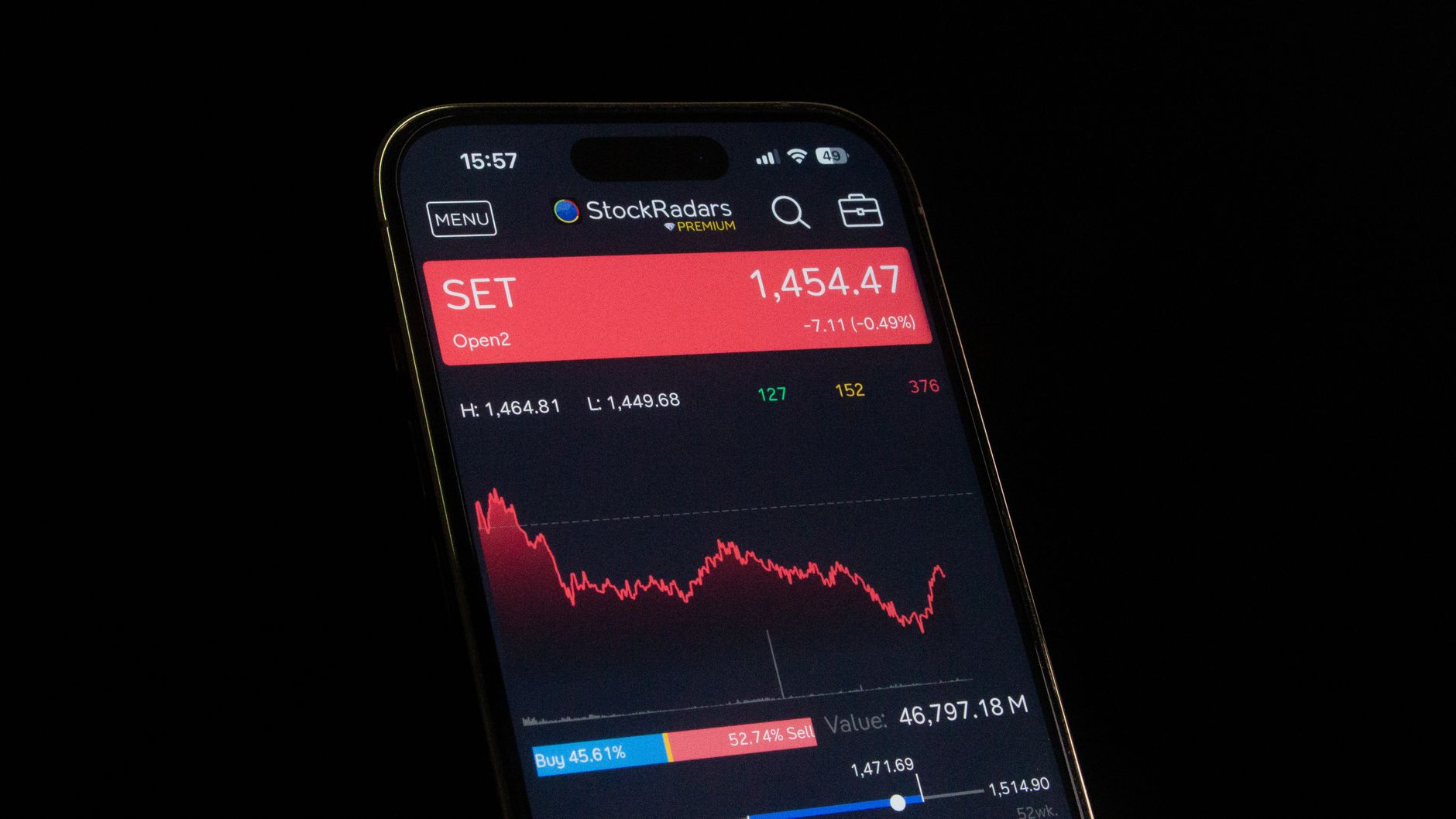
    Photo by StockRadars Co., on Pexels

    Sources

    Goodreturns · Indian stock market

    More on this site

    OpenAI Medicare portal breach: A Serious Disclosure Delay · Is Traffic Motion Radar the Best Tool for Safety? · McDonald’s restaurant revamp: Smart investment for growth