
Tag: natural disasters

  • California homes sliding: The worst impacts yet to come

    California homes sliding: The worst impacts yet to come

    California homes sliding into the ocean has become a harsh reality for many residents. As coastal erosion accelerates, the situation is expected to worsen, prompting urgent discussions about safety and infrastructure.

    Understanding Coastal Erosion

    Coastal erosion is a pressing issue affecting many California homes sliding into the ocean, as changing climate patterns and rising sea levels exacerbate the problem. With the state’s picturesque coastline, numerous homes are built perilously close to the shore, making them particularly vulnerable to erosion.

    The phenomenon occurs when waves and currents wear away at the land, leading to a gradual loss of property and infrastructure. Factors contributing to this include:

    • Increased storm intensity: More frequent and severe storms can accelerate erosion.
    • Sea level rise: Global warming is causing oceans to expand, further threatening coastal homes.
    • Human activities: Construction and alterations to natural landscapes can disrupt sediment flow, increasing vulnerability.

    As residents confront the reality of homes sliding into the ocean, it becomes critical for local governments and communities to address these challenges through sustainable planning and mitigation strategies. Failure to act could lead to devastating consequences for those who call California’s beautiful coastline home.

    Impact on Local Communities

    The phenomenon of California homes sliding into the ocean is having a profound impact on local communities. As coastal erosion accelerates, residents face not only the loss of property but also significant emotional and economic challenges.

    Many families are grappling with the uncertainty of their living situations, leading to increased stress and anxiety. The fear of losing homes has prompted some communities to band together, advocating for more substantial protective measures and resources from local governments.

    Furthermore, local businesses are feeling the strain. As fewer residents remain in affected areas, the demand for goods and services declines, forcing many establishments to reconsider their viability. This economic shift can result in job losses and diminished community engagement.

    Additionally, the rising tide of climate-related migration is reshaping demographics, as residents seek safer ground. This influx can create tension between newcomers and long-term residents, complicating social dynamics within these vulnerable communities.

    As California faces these challenges, proactive strategies and community resilience will be crucial in addressing the ongoing impacts of coastal erosion.

    Government Response and Initiatives

    In response to the alarming trend of California homes sliding into the ocean, local and state governments are ramping up efforts to address the crisis. Various initiatives have been launched to protect vulnerable coastal communities and infrastructure.

    Key measures include:

    • Emergency Funding: The state has allocated millions of dollars for immediate response efforts, aimed at assisting residents affected by the erosion.
    • Coastal Protection Projects: New projects are being designed to enhance natural barriers, such as dunes and vegetation, to mitigate the impact of waves and storms.
    • Zoning Regulations: Authorities are updating zoning laws to prevent future constructions in high-risk areas, ensuring that new developments are more resilient to changing coastal conditions.
    • Community Engagement: Local governments are working closely with residents to educate them about risks and encourage participation in decision-making processes.

    As California homes sliding into the ocean becomes an ever-pressing issue, these initiatives represent a critical step towards safeguarding the future of coastal towns.

    California Homes Sliding: What’s Next?

    As California homes sliding into the ocean becomes a harsh reality for many residents, the question of what’s next looms large. Experts warn that the situation is likely to worsen, with several factors contributing to the escalation of coastal erosion.

    Among these factors are:

    • Increased Storm Intensity: Climate change is leading to more frequent and severe storms, which can accelerate erosion.
    • Rising Sea Levels: The gradual increase in sea levels threatens to inundate coastal areas, making homes more vulnerable.
    • Soil Saturation: Heavy rainfall can weaken the ground beneath houses, increasing the risk of landslides.

    Residents are left grappling with the uncertainty of their future, as the potential for property damage and loss looms. Local governments are urged to implement long-term strategies to address these challenges, but immediate solutions are desperately needed.

    Ultimately, the plight of California homes sliding serves as a stark reminder of the urgent need for sustainable coastal management practices.

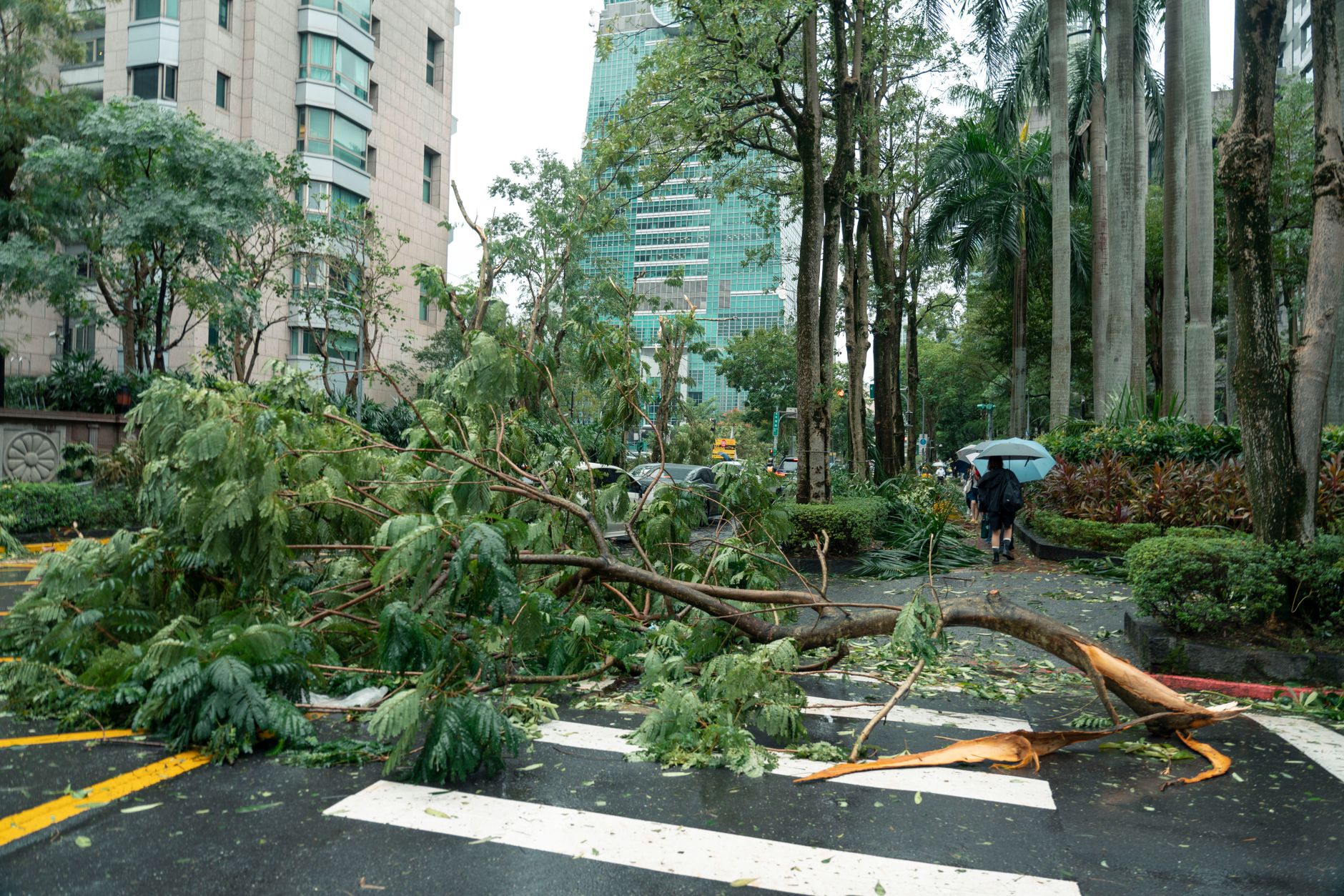
    Photo by Stephen Leonardi on Pexels
    Where this came from

    Related reading

  • Typhoon Dujuan: Worst Impact on Tokyo with Proven Safety Tips

    Typhoon Dujuan: Worst Impact on Tokyo with Proven Safety Tips

    Typhoon Dujuan Tokyo has drenched the region with heavy rainfall and strong winds, causing significant disruptions. Residents are urged to take precautions as the storm continues to affect daily life.

    What to Expect from Typhoon Dujuan

    Residents of Tokyo are bracing for the severe effects of Typhoon Dujuan, which is expected to make landfall in the coming days. This powerful storm has already caused significant disruption in surrounding areas, and Tokyo is likely to experience heavy rainfall, strong winds, and potential flooding.

    As the typhoon approaches, meteorologists are predicting that the storm will bring:

    • Intense Rainfall: Tokyo could see up to 300 mm of rain, leading to flash floods and landslides.
    • Strong Winds: Wind speeds may exceed 100 km/h, posing risks to structures and power lines.
    • Transport Disruptions: Cancelled flights and train delays are expected as the city prepares for the storm’s impact.

    It is crucial for residents to stay informed and take precautions. Authorities recommend securing outdoor items, staying indoors during the storm, and keeping emergency supplies on hand. Following these safety tips can help mitigate risks associated with Typhoon Dujuan.

    As the situation develops, residents are urged to monitor weather updates and heed local advisories to ensure their safety throughout the storm’s passage.

    Safety Tips During Typhoon Dujuan Tokyo

    As Typhoon Dujuan approaches Tokyo, residents are urged to take necessary precautions to ensure their safety. Here are some essential safety tips to follow during this severe weather event:

    • Stay Informed: Keep track of the latest weather updates and alerts from local authorities. Use reliable sources such as the Japan Meteorological Agency for real-time information on Typhoon Dujuan.
    • Secure Your Home: Ensure that windows and doors are properly secured. Remove any outdoor items that could become projectiles in high winds, such as patio furniture or garden decorations.
    • Prepare an Emergency Kit: Assemble a kit containing non-perishable food, water, medications, and essential documents. Don’t forget to include a flashlight and batteries in case of power outages.
    • Stay Indoors: During the typhoon, it’s crucial to stay inside. Avoid unnecessary travel and stay away from windows and doors to protect yourself from flying debris.
    • Have a Plan: In case of evacuation, have a plan in place. Know the nearest shelters and have a communication strategy with family and friends.

    By following these safety tips, residents can better protect themselves and their loved ones during Typhoon Dujuan in Tokyo.

    Lessons Learned from Typhoon Dujuan

    The recent experience with Typhoon Dujuan has underscored the importance of preparedness and resilience in urban environments like Tokyo. As the storm swept through the region, residents faced challenges that offered critical lessons for future typhoon events.

    • Emergency Kits: One of the most significant takeaways is the necessity of having a well-stocked emergency kit. Essential items such as water, non-perishable food, flashlights, and batteries should be readily available for any unexpected situation.
    • Staying Informed: Continuous updates from local authorities and weather services are vital. Residents learned to rely on multiple sources for real-time information to make informed decisions.
    • Community Support: The spirit of community became evident as neighbors helped each other prepare and recover from the storm. This collective effort reinforced the idea that collaboration can lead to greater safety.
    • Evacuation Routes: Understanding and familiarizing oneself with local evacuation routes proved crucial. Many residents realized the importance of knowing how to quickly reach safe zones.

    In summary, the impact of Typhoon Dujuan Tokyo has provided valuable insights into disaster preparedness. By applying these lessons, Tokyo can enhance its resilience against future storms.

    Impact of Typhoon Dujuan on Daily Life

    The impact of Typhoon Dujuan on daily life in Tokyo has been significant, with residents experiencing disruptions across various sectors. Public transport systems, including trains and buses, have faced extensive delays and cancellations, forcing many commuters to seek alternative routes or work from home. The heavy rainfall and strong winds have led to localized flooding, affecting neighborhoods and making travel hazardous.

    Businesses have also been impacted, with many shops and restaurants closing temporarily to ensure the safety of employees and customers. Essential services have been strained as emergency response teams work tirelessly to address fallen trees and power outages caused by the typhoon’s fierce winds.

    In addition to the immediate effects, the psychological toll on residents cannot be overlooked. The uncertainty and fear associated with Typhoon Dujuan have left many feeling anxious about their safety and the potential damage to their homes. Community centers have opened their doors to provide shelter and support for those in need.

    As the city begins to recover, it is crucial for residents to remain vigilant. Adhering to safety tips provided earlier can help mitigate risks during such extreme weather events. With Typhoon Dujuan serving as a reminder of nature’s unpredictability, Tokyo’s residents are encouraged to stay informed and prepared for future storms.

    As Typhoon Dujuan Tokyo approaches, residents are urged to stay informed and prepared for potential disruptions. Following proven safety tips can significantly mitigate the worst impacts of Typhoon Dujuan Tokyo on daily life.

    Photo by Jimmy Liao on Pexels

    Sources

    The Japan Times · Typhoon Dujuan (Onyok)

    Related stories

    Xiaomi 18 Pro Series: Is It the Best Launch Yet? · Dependence on Semiconductors: Clear Insights from HCLTech Report · Trump Immigration Enforcement: The Wrong Approach Revealed