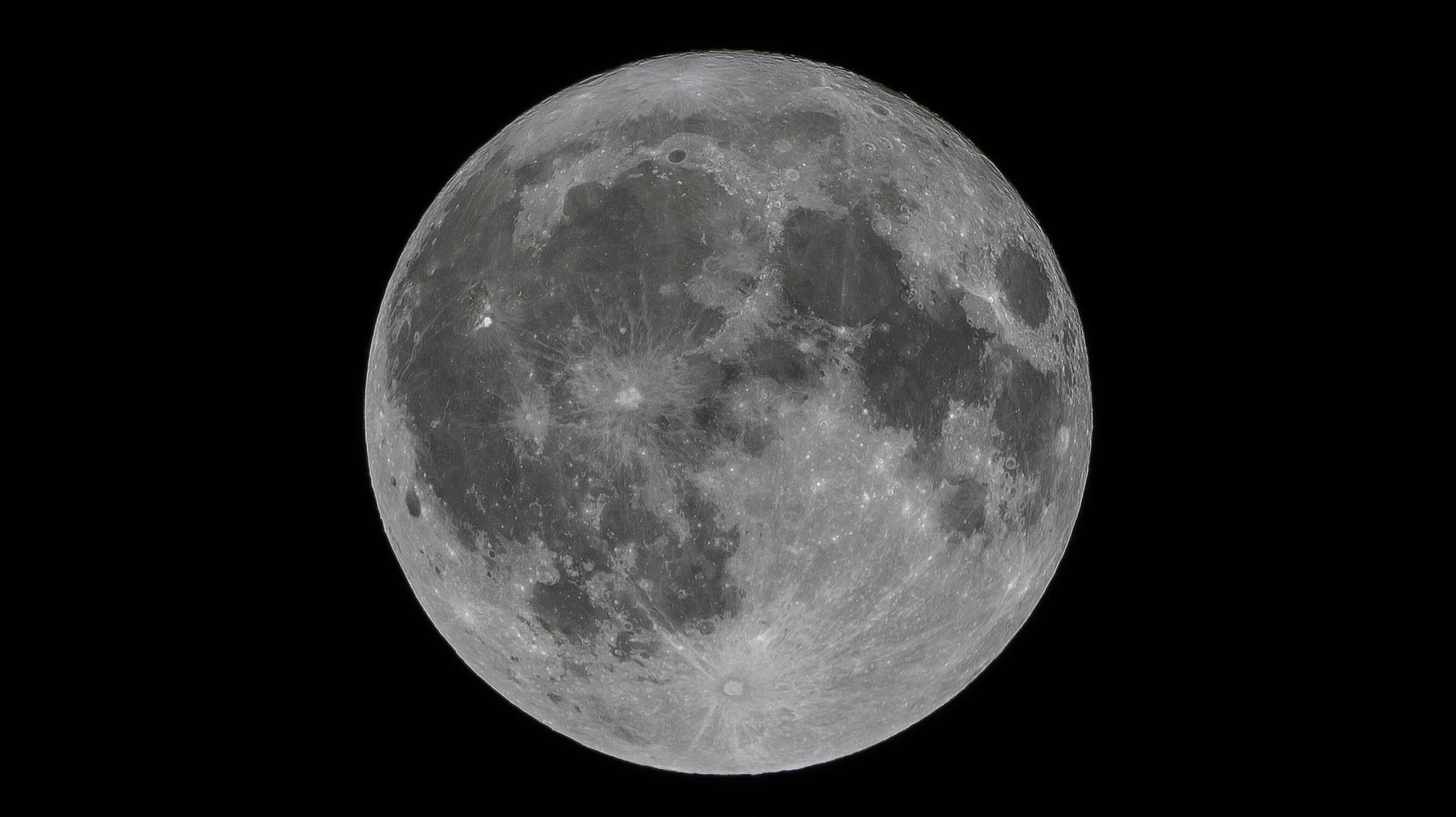
lunar regolith simulant is crucial for supporting national lunar missions. CityUHK has developed a high-fidelity version to enhance lunar exploration efforts.
What is Lunar Regolith Simulant?
Lunar regolith simulant is a synthetic material designed to mimic the properties and characteristics of the actual lunar soil found on the Moon’s surface. Scientists and engineers utilize this simulant to conduct research and develop technologies that will be essential for future lunar missions.
This material plays a crucial role in various applications, including:
- Testing equipment: Researchers can use lunar regolith simulant to assess the performance of rovers, landers, and other equipment intended for lunar exploration.
- Material science: The simulant allows scientists to study how different materials withstand the harsh lunar environment, including extreme temperatures and radiation.
- Construction techniques: Engineers explore potential building methods for habitats and other structures on the Moon using the simulant, which helps in planning sustainable environments for astronauts.
By replicating the properties of lunar soil, the lunar regolith simulant provides a valuable resource for researchers and supports the ongoing efforts of national space agencies to prepare for upcoming missions to the Moon.
Importance of Lunar Regolith in Space Missions
The significance of lunar regolith in space missions cannot be overstated. As the primary material found on the Moon’s surface, lunar regolith offers invaluable insights for both scientific research and practical applications in future missions.
Understanding the properties of lunar regolith is essential for several reasons:
- Resource Utilization: Lunar regolith can be processed to extract vital resources, such as water and metals, which are crucial for sustaining human life and supporting long-term missions on the Moon.
- Construction Material: Utilizing lunar regolith simulant can aid in the development of habitats and infrastructure on the Moon, minimizing the need to transport materials from Earth.
- Scientific Research: Studying the properties of lunar regolith helps scientists understand the Moon’s geological history and evolution, providing context for planetary formation theories.
- Technological Development: Experimenting with lunar regolith simulant allows researchers to test equipment and technologies intended for lunar exploration in a controlled environment.
Overall, the exploration and utilization of lunar regolith are pivotal for advancing national missions aimed at continued human presence on the Moon and beyond.
CityUHK’s Innovative Approach
City University of Hong Kong (CityUHK) has made significant strides in the development of a high-fidelity lunar regolith simulant designed to support national lunar missions. This innovative approach aims to replicate the physical and chemical properties of actual lunar soil, allowing researchers and engineers to better prepare for future explorations.
The team at CityUHK utilized advanced techniques to create the simulant, which closely mimics the composition of lunar regolith. This enables more accurate testing and validation of equipment that will be used on the Moon’s surface. The project not only increases the reliability of mission planning but also enhances the understanding of lunar environments.
Key benefits of this simulant include:
- Realistic Testing: Allows for the simulation of lunar conditions in laboratory settings.
- Material Development: Facilitates the testing of construction materials for potential lunar habitats.
- Cost-Effective Solutions: Reduces the need for expensive lunar sample returns by providing a substitute for experimentation.
Through this initiative, CityUHK is poised to play a crucial role in advancing lunar exploration and supporting national missions with real-world applications.
Benefits of High-Fidelity Simulants
The development of high-fidelity lunar regolith simulants offers numerous benefits for space exploration and research. These simulants are meticulously designed to mimic the physical and chemical properties of actual lunar soil, providing a realistic environment for various applications.
- Enhanced Research Opportunities: High-fidelity simulants enable scientists to conduct experiments that closely replicate conditions on the Moon, leading to better understanding of lunar geology and potential resources.
- Improved Testing for Equipment: Using lunar regolith simulants allows engineers to test and refine spacecraft and robotic systems in settings that simulate lunar conditions, ensuring reliability during actual missions.
- Cost-Effectiveness: Developing and utilizing simulants reduces the need for expensive and logistically challenging lunar sample retrieval missions, saving both time and resources.
- Education and Training: High-fidelity simulants serve as excellent tools for training astronauts and researchers, providing hands-on experience with materials that resemble what they will encounter on the Moon.
Overall, the use of lunar regolith simulants is crucial for advancing national missions and enhancing our understanding of lunar environments.
Future of Lunar Exploration
The future of lunar exploration is poised for significant advancements, driven largely by innovations in lunar regolith simulant research. As nations set their sights on returning to the Moon, the need for accurate and reliable materials to simulate lunar conditions has never been more critical.
These simulants are essential for testing equipment, conducting experiments, and preparing astronauts for the challenges they will face on the lunar surface. By closely mimicking the properties of natural lunar regolith, researchers can better understand how different technologies will perform in real lunar environments.
Furthermore, the development of high-fidelity lunar regolith simulants by institutions like CityUHK is opening new avenues for collaboration among countries and space agencies. This collaborative approach is vital in pooling resources and knowledge, which will ultimately enhance the effectiveness of international lunar missions.
As we look ahead, the integration of advanced lunar regolith simulants into mission planning will likely lead to increased efficiency and reduced risks, paving the way for sustained human presence on the Moon. The commitment to refining these materials signifies a promising step forward in the ongoing journey of lunar exploration.
Challenges in Lunar Regolith Research
The study of lunar regolith simulant presents several challenges that researchers must navigate to ensure accurate and effective applications in space missions. One primary concern is the variability in the composition of lunar soil, as it can differ significantly across various regions of the Moon. This diversity makes it difficult to create a single simulant that can replicate all characteristics of real lunar regolith.
Additionally, the process of synthesizing lunar regolith simulant requires advanced techniques to mimic the physical properties, such as grain size, shape, and density. These factors are crucial for testing equipment and conducting experiments that reflect true lunar conditions. Moreover, the simulant must remain stable under different environmental conditions, adding another layer of complexity to its development.
Another major challenge involves the validation of the simulant’s performance in real-world applications. Researchers must conduct extensive testing to ensure that the simulant behaves as expected when exposed to the elements found on the Moon. Addressing these challenges is essential for ensuring that lunar regolith simulants provide reliable support for national missions aimed at lunar exploration.
Photo by Francisco Fernández on Pexels
References
AZoM · Lunar regolith simulant
Related reading
Are Biofilm-Associated Infections the Worst Threat to Health? · NEET PG counselling 2026: Quick Guide to Round 2 Results · Is Open Fetal Surgery the Best Solution for Spinal Defects?