Tag: NASA

  • Artemis 3 moon-lander test: Clear Plan for Launch Date

    Artemis 3 moon-lander test plans are now outlined by NASA, raising questions about the anticipated launch date. This mission aims to advance lunar exploration.

    Overview of Artemis 3 Mission

    The Artemis 3 mission represents a significant step forward in NASA’s goal of returning humans to the Moon. This mission is designed to land astronauts on the lunar surface for the first time since the Apollo program, specifically targeting the lunar south pole region.

    The key objectives of the Artemis 3 mission include:

    • Conducting scientific research and exploration of the Moon’s surface.
    • Testing new technologies and systems, including the Artemis 3 moon-lander test, to ensure safety and reliability for future missions.
    • Establishing a sustainable human presence on the Moon, paving the way for future exploration of Mars.

    NASA has outlined a clear timeline for the mission, with a launch window targeted for late 2025. This ambitious timeline reflects the agency’s commitment to human exploration and its goal of inspiring the next generation of scientists and engineers.

    As preparations for the Artemis 3 mission move forward, NASA emphasizes the importance of international partnerships and collaboration with commercial spaceflight companies. These efforts aim to enhance the mission’s capabilities and ensure its success in achieving a historic lunar landing.

    Key Features of the Moon-Lander

    The upcoming Artemis 3 moon-lander test is set to showcase several key features designed for optimal performance and safety during lunar exploration. These features have been meticulously developed to ensure a successful mission.

    • Advanced Navigation Systems: The moon-lander is equipped with cutting-edge navigation systems that utilize both onboard sensors and real-time data from Earth. This capability will allow for precise landing on the lunar surface.
    • Robust Life Support: Designed to support astronauts for extended periods, the life support systems include advanced air and water recycling technologies. This ensures that crew members have all necessary resources while on the moon.
    • Modular Design: The lander’s modular structure allows for easy assembly and disassembly, enabling quick repairs and upgrades as needed during missions.
    • High Payload Capacity: With a significantly increased payload capacity, the moon-lander can carry essential scientific equipment and tools, enhancing the scope of research that can be conducted on the lunar surface.
    • Enhanced Communication Systems: The lander features state-of-the-art communication technology to maintain constant contact with mission control, ensuring seamless coordination during the Artemis 3 moon-lander test.

    These features underscore NASA’s commitment to advancing lunar exploration and preparing for future missions beyond the moon.

    Timeline for Upcoming Tests

    The timeline for the upcoming Artemis 3 moon-lander test is critical as NASA prepares for this highly anticipated mission. The agency has outlined a series of tests and milestones that will lead up to the launch date. These steps aim to ensure the safety and reliability of the lunar lander before it embarks on its journey.

    • Initial Testing: The first phase includes ground testing of the moon-lander systems, expected to commence in early 2024. This phase will assess the lander’s performance under simulated lunar conditions.
    • System Integration: Following initial testing, NASA plans to integrate various systems of the lander. This process is crucial for evaluating how different components work together in a real-world scenario.
    • Flight Simulations: In mid-2024, flight simulations will take place to prepare the crew for the Artemis 3 mission. These simulations will help identify any potential issues before the actual launch.
    • Final Review: A final review is scheduled for late 2024, where all data from the previous tests will be analyzed. This review will determine if the moon-lander is ready for its test flight.

    The Artemis 3 moon-lander test aims to ensure a successful mission, paving the way for future lunar exploration.

    Potential Launch Dates

    The Artemis 3 moon-lander test is a highly anticipated aspect of NASA’s lunar exploration plans, and potential launch dates are crucial for the mission’s timeline. As NASA continues to finalize preparations, several key dates have emerged as candidates for the upcoming launch.

    • Late 2024: Initial projections suggest that Artemis 3 could take off in late 2024. This timeline allows for sufficient testing and validation of the moon-lander to ensure reliability.
    • Early 2025: If delays occur in the current testing schedule, early 2025 remains a viable option. NASA officials have stated that this window would still align with the overall goals of the Artemis program.
    • Summer 2025: Some experts speculate that a summer launch in 2025 could be possible if all testing phases go smoothly. This would give NASA ample time to address any unforeseen challenges that may arise.

    While these dates are subject to change, the Artemis 3 moon-lander test represents a significant step forward in lunar exploration. As the agency works diligently to meet its objectives, the excitement surrounding the mission continues to grow among space enthusiasts and scientists alike.

    Impact on Future Lunar Missions

    The successful execution of the Artemis 3 moon-lander test is poised to have significant implications for future lunar missions. As NASA progresses with its plans, the outcomes of this test will help shape the trajectory of upcoming expeditions to the Moon and beyond.

    One of the primary impacts of the Artemis 3 moon-lander test will be its ability to validate new technologies that are essential for manned lunar landings. These technologies include advanced life support systems and enhanced navigation capabilities. By ensuring these systems function optimally, NASA can confidently plan for future missions, such as Artemis 4 and Artemis 5, which aim to establish a sustainable human presence on the lunar surface.

    Moreover, the insights gained from the Artemis 3 test will aid in refining mission protocols and operational procedures. This knowledge transfer is crucial for minimizing risks associated with crewed spaceflight. Additionally, successful lunar landings may pave the way for international collaborations, as other countries look to participate in lunar exploration missions.

    In conclusion, the Artemis 3 moon-lander test will not only be a milestone for NASA but also serve as a foundational step for the future of lunar exploration, inspiring new partnerships and innovation in space travel.

    Read the original

    Space

    Related reading

    Brent Crude Oil Prices: The Smart Way to Understand Trends · A.I. School Claims: The Worst Way to Teach Kids Fast · Muslim CM face: Right Challenge to Akhilesh’s Leadership
  • NASA Moon caves: Best proven mission to explore lunar depths

    NASA Moon caves: Best proven mission to explore lunar depths

    NASA Moon caves are the target of a newly selected mission that aims to explore the hidden depths of the lunar surface. This initiative promises to enhance our understanding of the Moon’s geology and potential resources.

    What Are NASA’s Plans for Moon Caves?

    Nasa has unveiled ambitious plans to explore the enigmatic lunar depths, particularly focusing on the intriguing concept of NASA Moon caves. These natural formations on the Moon are believed to hold significant scientific potential and may offer insights into the Moon’s geological history.

    To achieve this, NASA has selected a new mission aimed at identifying and studying these caves. The mission will employ advanced technologies and innovative techniques to locate and analyze the subsurface structures effectively. The primary goals include:

    • Identifying Cave Locations: Using aerial and satellite imagery to pinpoint existing lunar caves.
    • Assessing Habitats: Investigating whether these caves could serve as potential habitats for future astronauts.
    • Studying Geological Features: Understanding the formation processes and the age of these caves.
    • Preparing for Future Exploration: Gathering data to support long-term lunar exploration initiatives.

    As NASA embarks on this groundbreaking mission, the excitement surrounding the possibility of uncovering the secrets of NASA Moon caves continues to grow, promising a deeper understanding of our celestial neighbor.

    Significance of Lunar Caves

    The exploration of NASA Moon caves holds significant implications for both science and future lunar missions. Caves on the Moon may provide essential insights into the lunar environment, offering clues about its geological history and formation. Understanding these subterranean structures can help scientists decipher the Moon’s past, including volcanic activity and the effects of space weathering.

    Moreover, lunar caves could serve as natural shelters for future astronauts, providing protection from harsh radiation and extreme temperature fluctuations. This makes them prime locations for establishing sustainable habitats as part of long-term space exploration goals. The potential for finding water ice within these caves further enhances their significance, as it could be a crucial resource for supporting human life and fueling deep-space missions.

    Additionally, studying the unique ecosystems that may exist within these caves can expand our knowledge of life in extreme environments, which is vital for astrobiology. The discovery of microbial life or other forms of life in lunar caves could revolutionize our understanding of life’s adaptability beyond Earth.

    • Understanding geological history
    • Providing shelter for astronauts
    • Potential resource for water ice
    • Insights into extreme ecosystems

    How Will the Mission Unfold?

    The upcoming NASA mission to explore Moon caves will unfold in several key phases, each designed to maximize the potential for discovery and scientific advancement.

    Initially, the mission will involve extensive remote sensing to identify potential cave sites using advanced imaging technologies. These technologies will help scientists map the lunar surface and locate entrances to the Moon caves that may harbor valuable insights into the Moon’s geological history.

    Following the identification phase, NASA plans to deploy robotic landers equipped with specialized instruments to conduct on-site analysis. These landers will be capable of traversing rough terrain to access cave entrances, allowing for direct exploration of the lunar depths.

    Once the landers arrive at the selected cave sites, they will collect samples and data, which will be sent back to Earth for further examination. This phase is crucial, as it will provide unprecedented access to the unique environments within the Moon caves.

    Throughout the mission, NASA will collaborate with international partners and leverage cutting-edge technology to ensure the success of this groundbreaking endeavor, paving the way for future exploration and potential human habitation on the Moon.

    Potential Discoveries Awaiting Us

    As the upcoming NASA Moon caves mission gears up for exploration, scientists are eager to uncover potential discoveries that could reshape our understanding of the lunar environment. These subterranean formations may hold critical insights into the Moon’s geological history, including:

    • Evidence of Volcanic Activity: Analysis of cave structures may reveal remnants of ancient volcanic eruptions, providing clues about the Moon’s formative years.
    • Water Ice Deposits: Some lunar caves might harbor water ice, which is essential for future human exploration and could support long-term lunar habitation.
    • Unique Ecosystems: If any life forms exist within these dark caverns, they could offer insights into extremophiles and the potential for life beyond Earth.
    • Radiation Protection: The caves may serve as natural shields against cosmic radiation, making them ideal locations for human outposts.

    The NASA Moon caves initiative is not merely about exploration; it signifies a leap into a new era of lunar science. With advanced technologies and a dedicated team, the mission promises to unveil the mysteries that lie beneath the Moon’s surface, providing valuable data for future missions and deepening our understanding of Earth’s celestial neighbor.

    The exploration of NASA Moon caves offers scientists a unique opportunity to study the lunar environment in unprecedented detail. By venturing into these NASA Moon caves, researchers hope to uncover valuable insights about the Moon’s formation and potential resources.

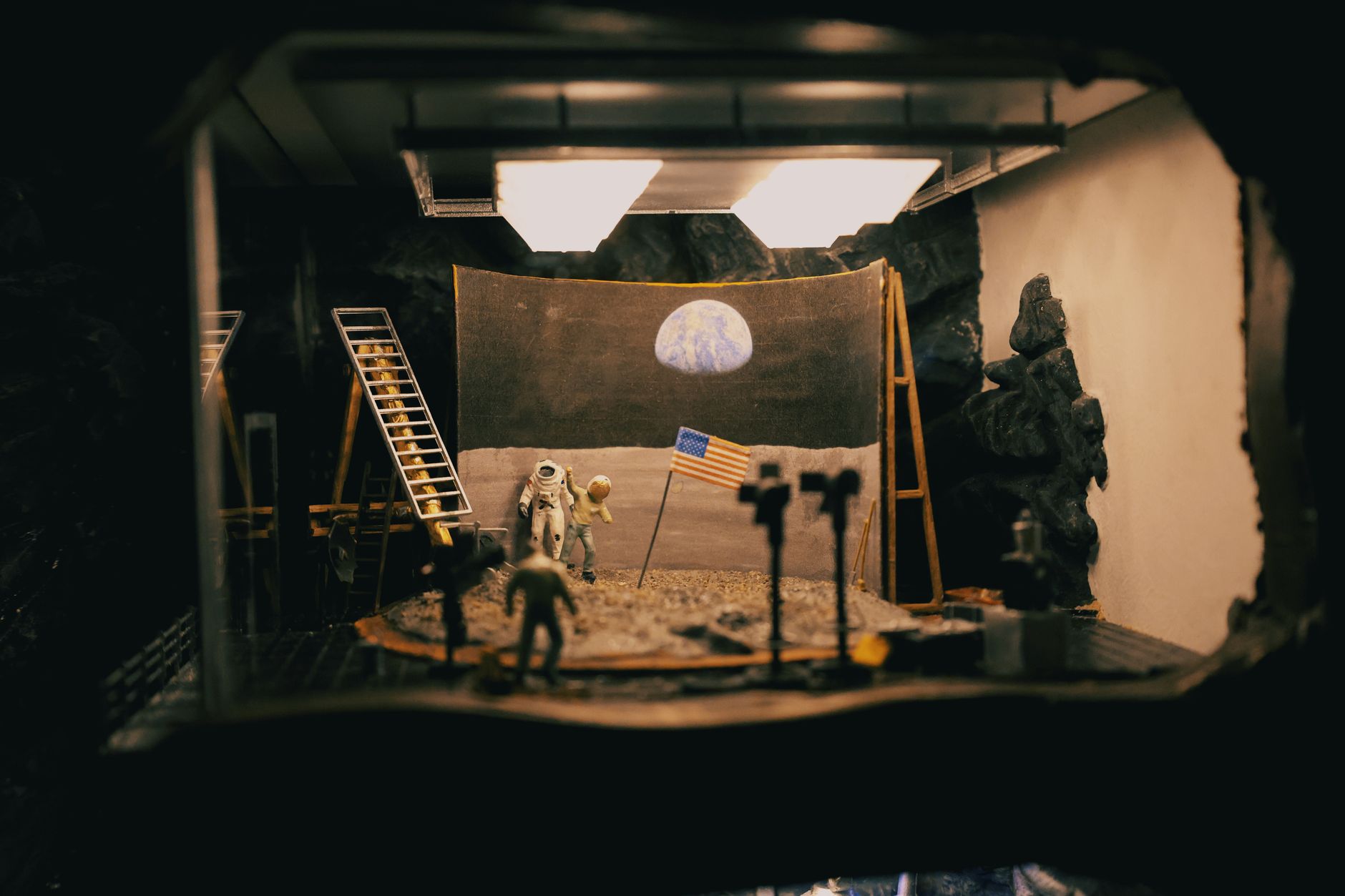
    Photo by gu evary on Pexels

    Where this came from

    You might also like

  • Coldest Lava Exoplanet: Discover the Amazing Atmosphere

    The coldest lava exoplanet has been discovered, showcasing an atmosphere that intrigues scientists. This finding opens new avenues for understanding planetary systems beyond our own.

    What is a Lava Exoplanet?

    A lava exoplanet is a type of exoplanet characterized by extreme volcanic activity and surface temperatures that can reach molten levels. These planets are typically located close to their host stars, resulting in intense heat and a landscape dominated by flowing lava and volcanic eruptions. The term “lava exoplanet” highlights the unique characteristics of these celestial bodies, which differentiate them from more temperate planets in the universe.

    One of the most intriguing aspects of lava exoplanets is their potential to host an atmosphere, despite their harsh conditions. While many lava exoplanets are thought to be inhospitable to life as we know it, recent discoveries have revealed surprising features that challenge our understanding of planetary atmospheres.

    • Extreme Temperatures: The surface of a lava exoplanet can be hotter than molten rock, leading to a dynamic environment.
    • Volcanic Activity: Continuous eruptions can create a thick atmosphere composed of gases released from the planet’s interior.
    • Atmospheric Composition: The atmosphere may contain various chemicals, including water vapor and carbon dioxide, which can influence temperature and pressure.
    • Coldest Lava Exoplanet: Recent findings suggest that some lava exoplanets, like the coldest lava exoplanet discovered, can retain significant atmospheres despite their extreme environments.

    Understanding these exotic worlds can provide valuable insights into planetary formation and the diverse conditions that exist beyond our solar system.

    Significance of the Discovery

    The discovery of the coldest lava exoplanet is a significant milestone in the field of astronomy and exoplanet research. This remarkable find not only expands our understanding of planetary atmospheres but also challenges existing theories about the conditions necessary for habitability.

    Researchers have long speculated about the diverse environments that exoplanets can host. The coldest lava exoplanet, with its unique composition and temperature, provides insights into how atmospheres can form and sustain themselves under extreme conditions. This discovery opens new avenues for studying the atmospheres of other rocky planets, potentially leading to the identification of life-sustaining environments beyond our solar system.

    Key implications of this discovery include:

    • Atmospheric Dynamics: Understanding how the atmosphere of the coldest lava exoplanet behaves could offer clues about weather patterns on similar exoplanets.
    • Planetary Formation: The characteristics of this exoplanet may help scientists refine models of planetary formation and evolution.
    • Search for Life: Identifying atmospheres that can support life is crucial in the ongoing search for extraterrestrial life.

    As researchers continue to study this fascinating exoplanet, the implications of its atmosphere will likely influence future explorations and technologies aimed at uncovering the mysteries of the universe.

    How Atmospheres Form on Exoplanets

    The formation of atmospheres on exoplanets is a complex process influenced by various factors, including the planet’s distance from its star, its composition, and its gravitational pull. In the case of the coldest lava exoplanet, researchers have identified a unique set of conditions that contribute to the presence of an atmosphere despite its extreme temperatures.

    Generally, atmospheres can form through several mechanisms:

    • Outgassing: This occurs when volcanic activity releases gases trapped in the planet’s interior. In lava exoplanets, intense volcanic activity can lead to significant outgassing, contributing to atmospheric layers.
    • Impact Events: Collisions with comets and asteroids can also introduce gases. These impacts can release water vapor and other volatile compounds, which can accumulate to form an atmosphere over time.
    • Solar Winds: The interaction between a planet’s magnetic field and solar winds can strip away lighter atmospheric components but can also help retain heavier gases, which is crucial for maintaining a stable atmosphere.

    In the case of the coldest lava exoplanet, its lower temperatures may allow for a different atmospheric composition compared to hotter lava worlds. These unique conditions can lead to intriguing chemical reactions that shape its atmosphere, making it a fascinating subject for ongoing research.

    Comparison with Other Exoplanets

    The discovery of the coldest lava exoplanet has sparked interest in how it compares with other known exoplanets. While most lava exoplanets are characterized by extreme temperatures and molten surfaces, this particular planet showcases a unique atmospheric composition that sets it apart.

    To understand its significance, it’s crucial to compare it with similar celestial bodies:

    • Hot Lava Exoplanets: These planets, such as K2-141b, exhibit temperatures exceeding 2000 degrees Celsius, making them inhospitable to any form of life. In contrast, the coldest lava exoplanet maintains a relatively lower temperature while still having a molten surface.
    • Rocky Exoplanets: Many rocky exoplanets like Proxima Centauri b have potential for life due to their temperate zones, but they lack the extreme geological activity seen in lava exoplanets. The coldest lava exoplanet’s atmosphere could offer insights into the geological processes that contribute to atmospheric retention.
    • Gas Giants: Unlike gas giants such as Jupiter, which have thick atmospheres composed primarily of hydrogen and helium, the atmosphere of the coldest lava exoplanet is rich in heavier elements, raising questions about its formation and stability.

    The comparisons highlight how diverse exoplanetary atmospheres can be, emphasizing the fascinating characteristics of the coldest lava exoplanet.

    Future Research Directions

    The discovery of the coldest lava exoplanet has opened up exciting avenues for future research in exoplanetary science. As scientists continue to analyze its unique characteristics, several key directions for further investigation have emerged.

    • Atmospheric Composition Analysis: One of the primary focuses will be to determine the exact composition of the atmosphere surrounding the coldest lava exoplanet. Understanding the gases present can provide insights into the planet’s formation and potential habitability.
    • Climate Modeling: Researchers are planning to develop advanced climate models to simulate the weather patterns and temperature variations on the surface of the exoplanet. This will help predict how its atmosphere interacts with the extreme environmental conditions.
    • Comparative Studies: Further comparisons with other lava exoplanets may reveal how this particular planet’s atmosphere stands out. Studying its differences and similarities can enhance our understanding of planetary evolution.
    • Potential for Life: With the discovery of an atmosphere, scientists are increasingly investigating whether the coldest lava exoplanet could harbor conditions suitable for life. Future missions may aim to gather more data regarding its surface and atmospheric dynamics.

    As technology advances, the exploration of the coldest lava exoplanet will likely contribute significantly to the broader field of astrobiology and our understanding of extraterrestrial environments.

    Implications for Life Beyond Earth

    The discovery of the coldest lava exoplanet and its unique atmosphere raises intriguing questions about the potential for life beyond Earth. While lava planets are typically characterized by extreme heat and molten surfaces, the cooler temperatures of this particular exoplanet open up new avenues for research into habitability.

    Scientists are particularly interested in the following implications:

    • Atmospheric Composition: Understanding the gases present in the atmosphere may reveal whether organic compounds exist, which are essential for life as we know it.
    • Climate Stability: The cooler environment may allow for a more stable climate, potentially enhancing the chances for life to develop or survive in some form.
    • Geological Activity: The presence of lava suggests ongoing geological processes, which could impact atmospheric dynamics and even contribute to the development of conditions suitable for life.
    • Comparative Studies: By studying this coldest lava exoplanet alongside others, researchers can gain insights into the diversity of planetary atmospheres and their capacity to support life.

    As we continue to explore the cosmos, the coldest lava exoplanet serves as a compelling case study for understanding the complexities of planetary atmospheres and their implications for potential life beyond our solar system.

    Expert Opinions on the Findings

    Experts in the field have expressed excitement about the discovery of the coldest lava exoplanet, emphasizing its unique atmospheric characteristics. Dr. Emily Carter, an astrophysicist at the Institute of Exoplanet Studies, stated, “This finding challenges our previous understanding of how atmospheres can form and sustain themselves on lava planets.” She noted that the cold temperatures measured on this exoplanet create a distinct environment that may allow for unexpected atmospheric phenomena.

    Another expert, Dr. Marcus Chen, a planetary scientist, highlighted the implications of this discovery for the search for life beyond Earth. “The presence of an atmosphere on the coldest lava exoplanet raises intriguing questions about the potential for microbial life, even in extreme conditions,” he mentioned. “This could mean that the range of habitable environments is broader than we initially thought.”

    Additionally, scientists are eager to explore the chemical composition of the atmosphere. According to Dr. Sara Lopez, an atmospheric chemist, “Understanding the gases present can provide insights into geological activity and the planet’s history. We may uncover processes that are unlike anything we see in our solar system.”

    As researchers continue to analyze data from this remarkable find, they anticipate that future studies will yield even more groundbreaking insights into the nature of lava exoplanets and the diversity of planetary atmospheres in the universe.

    Sources

    Related reading