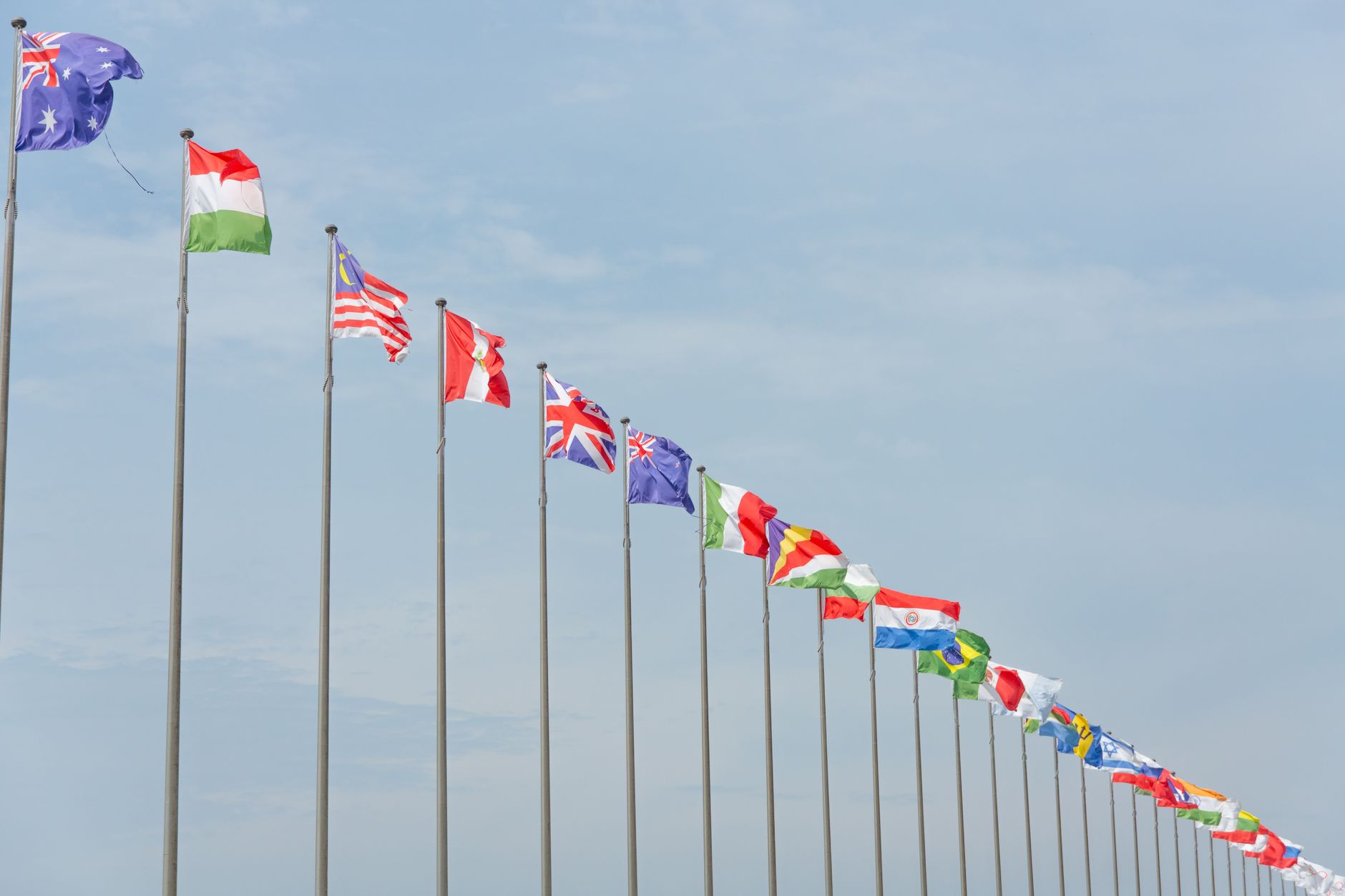
deterrence and diplomacy are essential in navigating the complex geopolitical landscape of the Middle East, as emphasized by Dr. Gargash.
Understanding Deterrence in the Middle East
In the complex landscape of the Middle East, the concepts of deterrence and diplomacy play pivotal roles in shaping regional stability. Understanding deterrence involves recognizing its function as a strategy to prevent adversaries from engaging in aggressive actions. This approach has been particularly relevant in a region characterized by ongoing conflicts and intricate power dynamics.
Dr. Anwar Gargash, a prominent UAE diplomat, emphasizes that nations must not view deterrence and diplomacy as mutually exclusive. Instead, a dual approach is essential for fostering peace. By combining military readiness with diplomatic engagement, states can create a robust framework for conflict resolution.
The following points highlight the importance of balancing deterrence and diplomacy:
- Preventing Aggression: A credible deterrence strategy can dissuade hostile actions from rival nations.
- Facilitating Negotiations: Diplomatic efforts can open channels for dialogue, addressing underlying tensions.
- Enhancing Security: A strong defense posture reassures allies and promotes regional stability.
- Building Trust: Diplomatic initiatives can foster mutual understanding, reducing the likelihood of miscalculations.
Ultimately, achieving lasting peace in the Middle East requires a nuanced approach that integrates both deterrence and diplomacy.
The Role of Diplomacy in Conflict Resolution
In the intricate landscape of the Middle East, the role of diplomacy in conflict resolution cannot be overstated. Engaging in diplomatic efforts often serves as a crucial complement to the strategic framework of deterrence. Dr. Gargash, a prominent figure in Middle Eastern politics, emphasizes that achieving enduring peace requires a dual approach of deterrence and diplomacy.
Diplomacy facilitates communication and understanding among conflicting parties, providing a platform for negotiation and compromise. Through these diplomatic channels, nations can address underlying grievances and foster trust. This proactive engagement can lead to:
- Dialogue: Initiating conversations that highlight common interests.
- Conflict Prevention: Identifying potential flashpoints before they escalate.
- Long-term Solutions: Creating frameworks for sustainable peace agreements.
Moreover, effective diplomacy can enhance the credibility of deterrence strategies. When adversaries perceive a genuine commitment to negotiation, they may be less likely to engage in aggressive actions. Thus, the balance between deterrence and diplomacy is crucial; neither can function optimally in isolation. By recognizing the interdependence of these approaches, leaders can work towards a more stable and peaceful region.
Dr. Gargash’s Perspective on Regional Stability
In a recent discussion, Dr. Anwar Gargash emphasized the importance of achieving a balance between deterrence and diplomacy for maintaining regional stability in the Middle East. He argued that both approaches are essential, asserting that neither can function effectively in isolation. According to Dr. Gargash, the complex geopolitical landscape requires a multifaceted strategy to address ongoing conflicts and tensions.
He highlighted several key points:
- Interconnectedness: Dr. Gargash noted that military strength must be complemented by diplomatic efforts to foster dialogue and understanding among nations.
- Conflict Resolution: He stressed that while deterrence serves as a critical tool for national security, it should be leveraged in conjunction with diplomatic initiatives aimed at resolving disputes.
- Long-term Peace: Dr. Gargash emphasized that sustainable peace cannot be achieved through deterrence alone; it requires persistent diplomatic engagement and negotiation.
Ultimately, Dr. Gargash’s perspective underscores the necessity of integrating deterrence and diplomacy in a cohesive strategy. Only by recognizing their interdependence can leaders effectively navigate the complexities of regional stability and work towards a peaceful future.
Challenges to Effective Diplomacy
Despite the recognized importance of both deterrence and diplomacy in maintaining peace, significant challenges remain in achieving effective diplomacy in the Middle East. One primary challenge is the persistent mistrust among regional players, which often stems from historical grievances and conflicting national interests. This mistrust complicates diplomatic negotiations, leading to skepticism about the intentions of other nations.
Additionally, the influence of non-state actors further complicates the landscape. Groups that operate outside the realm of traditional state diplomacy can undermine efforts to establish stable diplomatic channels, making it difficult to reach consensus on critical issues.
Moreover, external powers often play a role in exacerbating tensions by supporting different factions within the region. This involvement can skew the balance between deterrence and diplomacy, as alliances shift and new rivalries emerge.
Lastly, the rapid pace of geopolitical changes demands adaptability from diplomatic efforts. The need for timely responses to crises can overshadow long-term diplomatic strategies, making it challenging to build robust frameworks for negotiation.
In overcoming these challenges, a concerted effort to foster trust and engage in dialogue is essential for achieving a balanced approach to deterrence and diplomacy.
Historical Context of Deterrence Strategies
Throughout history, nations have grappled with the delicate balance between deterrence and diplomacy in their foreign policy strategies. The Cold War era, for instance, exemplified the reliance on military deterrence to prevent conflict, while simultaneously engaging in diplomatic talks to manage tensions. This period saw the establishment of various treaties aimed at nuclear non-proliferation, highlighting the necessity of negotiation even in a climate of military posturing.
In the Middle East, historical examples illustrate the complex interplay of deterrence and diplomacy. The 1979 Camp David Accords between Egypt and Israel marked a significant shift, where military deterrence was complemented by diplomatic engagement, leading to a lasting peace treaty. Similarly, the Gulf War showcased how military strength could be a deterrent while diplomatic efforts were crucial in forming coalitions against aggression.
As global dynamics evolve, the historical context underscores that effective strategies often require a dual approach. Deterrence may serve as a first line of defense, yet history demonstrates the vital role that diplomacy plays in achieving sustainable peace, particularly in volatile regions like the Middle East.
The Importance of Dialogue in Peacebuilding
In the quest for lasting peace in the Middle East, the importance of dialogue cannot be overstated. Effective communication serves as a foundation for building trust among nations, fostering an environment where deterrence and diplomacy can coexist harmoniously.
As conflict resolution experts emphasize, dialogue facilitates understanding between opposing sides. It allows parties to articulate their concerns, aspirations, and grievances, paving the way for potential compromises. Engaging in open discussions can lead to:
- Enhanced Trust: Regular communication helps to dismantle misconceptions and build confidence.
- Conflict Prevention: Addressing issues before they escalate into violence can save countless lives.
- Collaborative Solutions: Working together toward common goals can yield innovative approaches to complex problems.
Dr. Gargash’s recent remarks highlight that the choice between deterrence and diplomacy is a false dichotomy. Instead, both strategies should be seen as complementary tools in the peacebuilding toolkit. By prioritizing dialogue, nations can not only deter aggression but also foster an enduring diplomatic relationship that promotes stability and security across the region.
Future Prospects for Middle East Relations
The future of Middle East relations hinges on the delicate interplay between deterrence and diplomacy. As regional dynamics shift, the need for a balanced approach is increasingly evident. Countries in the region must navigate complex relationships, balancing military strength with diplomatic initiatives to foster stability.
Recent developments indicate that nations are beginning to recognize the value of dialogue alongside deterrent strategies. For instance, several countries are engaged in talks to resolve longstanding conflicts, demonstrating that diplomacy is not merely an alternative to military readiness, but a necessary complement. This dual approach can help de-escalate tensions and build trust among nations.
Moreover, the role of international partners cannot be overlooked. Global powers have a critical part to play in promoting both deterrence and diplomacy, ensuring that regional actors have the support needed to pursue peaceful resolutions. As Dr. Gargash emphasized, “We need both.”
Looking ahead, the successful integration of these strategies will be crucial. Governments must prioritize collaboration on economic, security, and cultural fronts to create an environment conducive to lasting peace. The ability to balance deterrence and diplomacy will define the Middle East’s trajectory in the coming years.
Conclusion: A Balanced Approach
In conclusion, achieving lasting peace in the Middle East requires a balanced approach that harmonizes deterrence and diplomacy. As highlighted throughout this discussion, both elements play crucial roles in addressing the complex dynamics of the region. Deterrence serves as a necessary safeguard against potential aggressions, while robust diplomatic efforts foster dialogue and understanding among conflicting parties.
The insights provided by Dr. Gargash emphasize that relying solely on one approach can lead to instability and conflict escalation. Instead, a dual strategy that incorporates both deterrence measures and diplomatic initiatives can create an environment conducive to peace. This balance not only helps in managing immediate threats but also paves the way for long-term resolutions.
Moreover, the historical context reveals that successful peacebuilding efforts often stem from recognizing the interdependence of these strategies. As nations grapple with their security concerns, a commitment to open communication and negotiation must not be overshadowed by military posturing.
As we look to the future, it is imperative for regional leaders to prioritize a cooperative framework that embraces both deterrence and diplomacy, ensuring a stable and peaceful Middle East for generations to come.
Photo by dom free on Pexels
Where this came from
Microsoft Employee Concerns: The Real Impact of AI Priorities · GOP win in Alaska: The Real Story Behind Trump’s Claims · Are Data Centres in India the Right Solution for America?