Tag: investment news

  • US Semiconductor Restrictions: The Worst Impact on Chip Stocks

    US Semiconductor Restrictions: The Worst Impact on Chip Stocks

    US semiconductor restrictions are leading to a notable decline in chip stocks. This article explores the reasons behind this downturn and its potential effects on the market.

    Understanding US Semiconductor Restrictions

    The recent US semiconductor restrictions have sent shockwaves through the technology sector, particularly affecting semiconductor manufacturers and related industries. These measures, aimed at curbing technology transfers to certain countries, have raised concerns about supply chain stability and market access.

    Analysts are reporting an immediate decline in chip stocks, with several major companies experiencing significant drops in their stock prices. The restrictions are seen as a response to geopolitical tensions, prompting market participants to reassess the future of semiconductor production and innovation.

    Investors are particularly focused on the following implications:

    • Supply Chain Disruption: The new regulations could lead to bottlenecks in production, affecting the availability of critical components.
    • Market Competition: Companies may struggle to compete globally if their access to foreign markets is restricted.
    • R&D Investments: The restrictions could hinder research and development efforts, slowing technological advancements in the semiconductor sector.

    As the situation develops, stakeholders are closely monitoring the potential long-term impacts of these restrictions on the semiconductor landscape.

    Impact of Restrictions on Chip Stocks

    The recent US semiconductor restrictions have sent shockwaves through the chip stock market, leading to significant declines in share prices across the sector. Investors are grappling with the implications of these new regulations, which aim to curb the export of advanced semiconductor technologies to certain countries.

    As a result of these restrictions, several key players in the semiconductor industry have reported a decrease in demand for their products. Analysts have highlighted various factors contributing to the downturn:

    • Export Limitations: Companies are facing challenges in accessing foreign markets that are crucial for growth.
    • Supply Chain Disruptions: The restrictions are causing delays and uncertainties in supply chains, affecting production timelines.
    • Investor Sentiment: The market is reacting negatively, leading to a drop in stock prices and increased volatility.
    • Long-Term Concerns: Investors are worried about the potential for prolonged impacts on revenues and profitability in the coming quarters.

    In summary, the fallout from the US semiconductor restrictions is evident, as chip stocks continue to struggle amidst an uncertain regulatory landscape.

    Investor Reactions to Market Changes

    As news of the US semiconductor restrictions continues to unfold, investor sentiment has taken a significant hit, leading to steep declines in chip stock prices. Market analysts are closely monitoring the situation, as the implications of these restrictions could reshape the semiconductor landscape for years to come.

    Reactions from investors have been mixed, with many expressing concern over the long-term viability of companies heavily reliant on exports. Some key points of concern include:

    • Short-term volatility: Investors are seeing immediate impacts on stock prices, with many companies experiencing substantial declines.
    • Long-term strategy: Firms are now re-evaluating their supply chains and market strategies in response to the restrictions.
    • Sector performance: Broader market sectors linked to technology and manufacturing have also felt the weight of these restrictions.
    • Potential for innovation: Some optimistic investors believe that these challenges may spur innovation within the domestic semiconductor industry.

    Overall, the investor reactions highlight a profound uncertainty regarding the future of the semiconductor market as stakeholders grapple with the consequences of US semiconductor restrictions.

    Future Outlook for Semiconductor Industry

    The future outlook for the semiconductor industry remains uncertain as the US semiconductor restrictions continue to shape market dynamics. Industry experts predict that these regulations will not only affect domestic companies but will also have far-reaching implications for global supply chains.

    Several key factors could influence the trajectory of the industry:

    • Innovation and Adaptation: Companies may need to pivot their strategies, focusing on new technologies and processes that comply with the restrictions.
    • International Competition: As US firms navigate these challenges, competitors from countries with less restrictive policies could gain market share, further intensifying competition.
    • Investment in R&D: Increased spending on research and development may be essential for firms to maintain a competitive edge amid evolving regulations.

    Moreover, analysts anticipate that the restrictions could accelerate the shift toward domestic manufacturing, as companies seek to mitigate risks associated with international supply chains. While some market participants remain optimistic about recovery, others express concerns about the long-term viability of affected chip stocks, highlighting a potential period of volatility ahead.

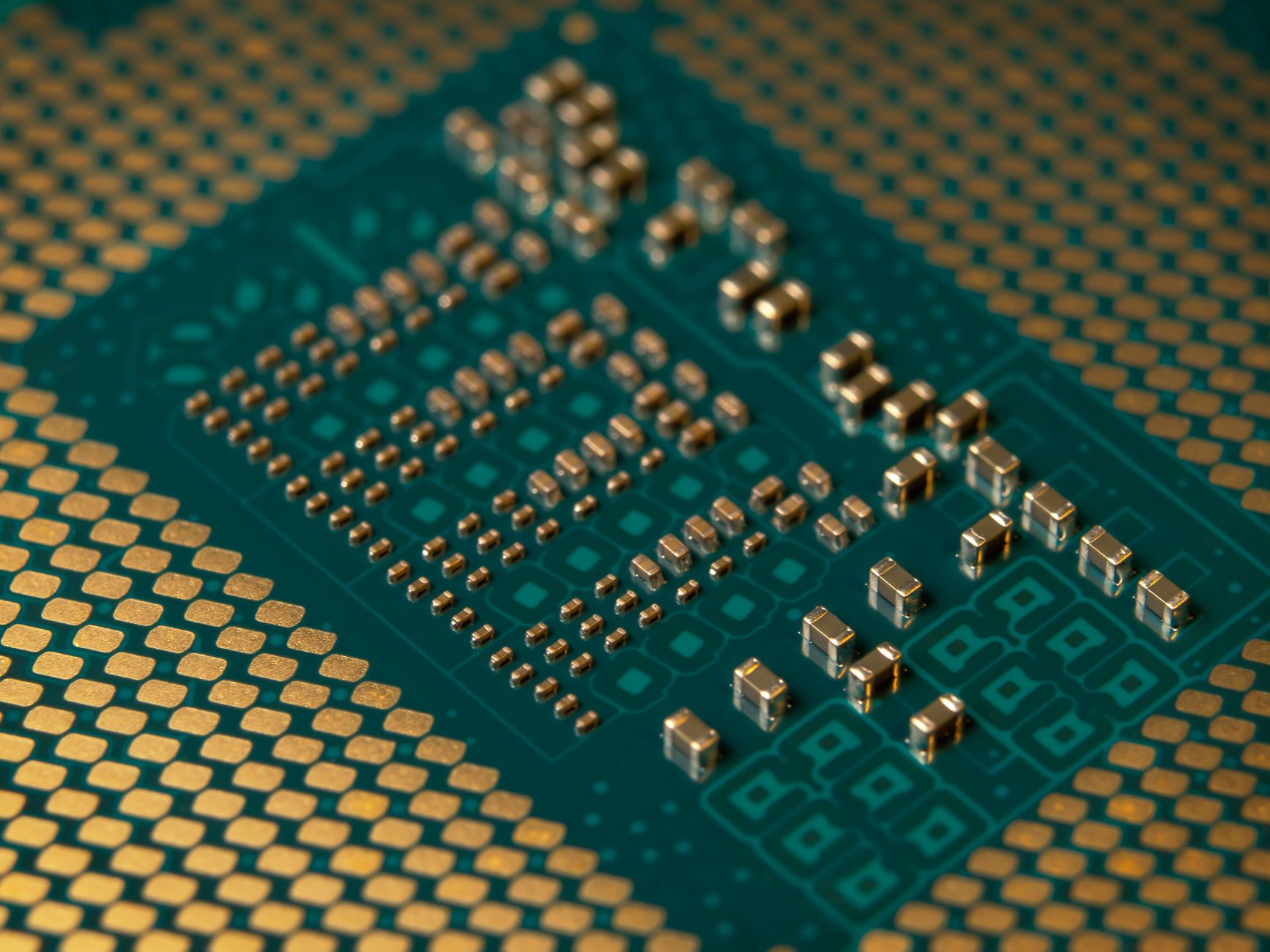
    Photo by ed br on Pexels

    Sources

    Related reading

  • Triveni Power Transmission: A Smart Move for Investors

    Triveni Power Transmission: A Smart Move for Investors

    Triveni Power Transmission has officially made its debut on the NSE and BSE, marking a significant milestone for Triveni Engineering & Industries. This listing opens up exciting investment avenues for stakeholders.

    Overview of Triveni Power Transmission

    Triveni Power Transmission, a newly listed entity on the National Stock Exchange (NSE) and Bombay Stock Exchange (BSE), represents a significant opportunity for investors seeking to capitalize on the robust growth in the power transmission sector. As a subsidiary of Triveni Engineering & Industries, the company aims to enhance its footprint in the energy landscape by leveraging advanced technology and innovative solutions.

    The listing comes at a time when the demand for efficient power transmission solutions is skyrocketing, driven by increased energy consumption and the urgent need for infrastructure upgrades. Triveni Power Transmission has positioned itself as a key player in addressing these challenges, focusing on the development and implementation of state-of-the-art power transmission systems.

    Investors are particularly optimistic about Triveni Power Transmission due to its strong backing from an established parent company with a proven track record in the engineering sector. The organization’s commitment to sustainable practices and operational excellence further enhances its appeal.

    Key highlights of Triveni Power Transmission include:

    • Innovative Solutions: Focusing on cutting-edge technology for power transmission.
    • Market Potential: Positioned to tap into the growing demand for energy efficiency.
    • Strong Leadership: Guided by experienced professionals from the engineering industry.

    Overall, Triveni Power Transmission is a strategic investment opportunity that investors should consider as the energy sector continues to evolve.

    Impact of NSE and BSE Listing

    The recent listing of Triveni Power Transmission on both the National Stock Exchange (NSE) and the Bombay Stock Exchange (BSE) marks a significant milestone for the company and its investors. This dual listing is expected to enhance the visibility of the brand and attract a broader investor base.

    Being listed on these prominent exchanges brings several advantages:

    • Increased Liquidity: Investors can buy and sell shares more easily, leading to greater market participation.
    • Enhanced Credibility: Listing on reputable exchanges boosts the company’s profile, making it more appealing to potential investors.
    • Access to Capital: The ability to raise funds through equity offerings becomes more streamlined, aiding in future expansion projects.
    • Regulatory Compliance: Adhering to the stringent requirements of NSE and BSE ensures better corporate governance and transparency.

    Moreover, the listing is likely to spark interest from institutional investors, which could lead to increased share value over time. As the market reacts to the news, analysts suggest that this strategic move positions Triveni Power Transmission for sustained growth and profitability. Investors are encouraged to monitor the stock’s performance closely, as the implications of this listing unfold in the coming weeks.

    Investor Reactions to the Listing

    As Triveni Power Transmission makes its debut on the National Stock Exchange (NSE) and Bombay Stock Exchange (BSE), investor reactions have been overwhelmingly positive. Analysts are noting the strategic importance of this listing, highlighting the company’s robust growth potential in the power sector.

    Investors are particularly enthusiastic about the following factors:

    • Market Positioning: Triveni Power Transmission is well-positioned to take advantage of the increasing demand for efficient power transmission solutions, which is critical in today’s energy landscape.
    • Financial Performance: The company reported strong financial results, showcasing significant revenue growth and improved profit margins, which has instilled confidence among investors.
    • Innovative Technology: Triveni Power Transmission is committed to investing in cutting-edge technology, which is expected to enhance operational efficiency and reduce costs in the long run.
    • Regulatory Support: The favorable regulatory environment surrounding renewable energy initiatives in India further strengthens the company’s growth prospects.

    Many investors view this listing as a smart move, not just for immediate gains but for long-term value creation. As the power sector evolves, Triveni Power Transmission appears poised to play a pivotal role, making it an attractive option for those looking to diversify their portfolios.

    Future Prospects for Triveni Engineering

    As Triveni Power Transmission makes its debut on the NSE and BSE, the future prospects for the company are generating considerable excitement among investors and analysts alike. With the energy sector witnessing a significant transformation, Triveni Power Transmission is strategically positioned to capitalize on emerging opportunities in renewable energy and smart grid technologies.

    The company’s commitment to innovation and sustainability reflects its vision to be a leader in power transmission solutions. Key factors influencing its future growth include:

    • Expansion into Renewable Energy: Triveni Power Transmission is focusing on integrating renewable energy sources, which is increasingly becoming essential as governments push for greener initiatives.
    • Technological Advancements: The adoption of smart grid technologies is expected to enhance efficiency and reliability, making Triveni a competitive player in the market.
    • Strategic Partnerships: Collaborations with other industry leaders can open up new avenues for growth and innovation, further solidifying its market position.

    With a robust business model and a commitment to sustainability, Triveni Power Transmission is poised to attract long-term investors who are looking for stable returns in a rapidly evolving industry. As market dynamics continue to shift, maintaining a keen eye on Triveni’s developments will be essential for those looking to invest in the future of energy.

    Photo by Andy Lee on Pexels

    Read the original

    You might also like

  • Share Buyback Plan: Smart Details You Need to Know

    The share buyback plan by Transport Corp has announced key details that investors need to know. This Rs 150 crore initiative aims to enhance shareholder value and strengthen market confidence.

    What is a Share Buyback?

    A share buyback, also known as a stock repurchase, is a financial strategy employed by companies to buy back their own shares from the marketplace. This process can serve multiple purposes and is often viewed as a way to enhance shareholder value. When a company announces a share buyback plan, it indicates its confidence in its financial stability and future growth prospects.

    There are several reasons why a company might choose to initiate a share buyback:

    • Increase Earnings Per Share (EPS): By reducing the number of shares outstanding, a share buyback can lead to an increase in EPS, making the company more attractive to investors.
    • Utilize Excess Cash: Companies with substantial cash reserves may opt for share buybacks rather than holding onto excess cash or paying dividends.
    • Signal Confidence: A buyback can be perceived as a signal that the company’s management believes the stock is undervalued, which can boost investor confidence.
    • Improve Return on Equity (ROE): Reducing the equity base through buybacks can enhance ROE, a key metric for performance evaluation.

    In summary, a share buyback plan is a strategic move that can benefit both the company and its shareholders when executed thoughtfully. Companies like Transport Corp often announce these plans to communicate their financial health and commitment to enhancing shareholder returns.

    Key Details of the Rs 150 Crore Plan

    Transport Corp has unveiled critical information regarding its share buyback plan valued at Rs 150 crore. This initiative is expected to enhance shareholder value and reflects the company’s commitment to returning capital to its investors.

    Key details of the plan include the following:

    • Buyback Size: The company intends to repurchase up to 1.5 million equity shares, which represents approximately 2.5% of the total paid-up equity share capital.
    • Price: The buyback will be executed at a maximum price of Rs 1,000 per share, a strategic move aimed at bolstering stock prices in the market.
    • Timeline: The buyback program is set to commence on November 1, 2023, and will remain open until January 31, 2024, allowing ample time for shareholders to participate.
    • Funding: The buyback will be funded through internal accruals, ensuring that the financial health of the company remains stable while progressing with this initiative.
    • Objective: The primary goal of this share buyback plan is to optimize the capital structure and improve earnings per share, which will ultimately benefit the existing shareholders.

    These details underline Transport Corp’s strategic approach to enhancing shareholder returns while maintaining a strong financial position.

    Benefits of the Share Buyback for Investors

    The recently announced share buyback plan by Transport Corp offers several benefits for investors that are worth considering. Understanding these advantages can help shareholders make informed decisions about their investments.

    • Enhanced Share Value: One of the primary benefits of a share buyback is the potential increase in the value of remaining shares. By reducing the number of outstanding shares, the earnings per share (EPS) can improve, leading to a higher stock price over time.
    • Return of Capital: A share buyback plan serves as a method for the company to return excess cash to shareholders. This can provide investors with immediate liquidity and a way to realize gains without having to sell their shares.
    • Signal of Confidence: When a company initiates a buyback, it often signals management’s confidence in the company’s future prospects. This can bolster investor sentiment and attract new investors who may see the buyback as a positive sign.
    • Tax Efficiency: Share buybacks may offer a more tax-efficient way for companies to return capital compared to dividends. Investors typically pay lower capital gains taxes when they sell shares than they would on dividend income.

    In conclusion, the share buyback plan not only aims to boost shareholder value but also reflects a strategic move by Transport Corp to enhance its financial standing in the market.

    Market Reaction to the Announcement

    The announcement of Transport Corp’s share buyback plan has elicited a notable reaction from the market, reflecting both optimism and cautious interest among investors. Following the news, shares of Transport Corp experienced a surge, indicating strong investor confidence in the company’s strategic move.

    Market analysts have pointed out several factors contributing to this positive sentiment:

    • Increased Demand: The share buyback plan has led to a spike in demand for Transport Corp’s stocks, as investors view the buyback as a sign of the company’s commitment to enhancing shareholder value.
    • Positive Earnings Outlook: Many analysts are adjusting their earnings forecasts upward, anticipating that the reduction in the number of shares outstanding will boost earnings per share (EPS) in the coming quarters.
    • Investor Confidence: A buyback often signals that a company believes its stock is undervalued, which can bolster investor confidence and attract new buyers to the stock.

    However, some experts urge caution, noting that while share buybacks can provide immediate benefits, they do not always guarantee long-term growth. Investors are advised to assess the company’s overall financial health and market conditions before making decisions based on the share buyback plan.

    In conclusion, the market reaction to Transport Corp’s announcement highlights the importance of share buyback plans in shaping investor sentiment and stock performance.

    How Share Buybacks Affect Stock Prices

    Share buybacks can have a significant impact on stock prices, often leading to various investor responses. When a company announces a share buyback plan, it typically signals confidence in its financial health and future prospects. This can create a positive perception among investors, leading to an increase in the stock price.

    Here are some key ways share buybacks can affect stock prices:

    • Reduction in Shares Outstanding: By repurchasing shares, a company reduces the total number of shares available in the market. This can lead to an increase in earnings per share (EPS), making the stock more attractive to investors.
    • Improved Demand: The announcement of a share buyback plan often leads to increased demand as investors may perceive the company as undervalued. This heightened interest can drive up the stock price.
    • Market Sentiment: Companies that engage in buyback programs are often viewed favorably, as they demonstrate a commitment to returning value to shareholders. This can enhance overall market sentiment and encourage further investment.
    • Potential for Increased Volatility: While share buybacks can drive prices higher, they may also lead to increased volatility, especially if the market reacts strongly to announcements or changes in company performance.

    In summary, the effects of a share buyback plan on stock prices can be profound, influencing investor behavior and market dynamics.

    Expert Opinions on Transport Corp’s Move

    Experts have weighed in on Transport Corp’s recent announcement regarding its share buyback plan, worth Rs 150 crore, highlighting potential implications for both the company and its investors. According to financial analysts, this move could signify a strong confidence in the company’s future performance.

    Dr. Aditi Sharma, an analyst at Financial Insights, emphasized that “buybacks can often indicate that a company believes its stock is undervalued.” She added that Transport Corp’s decision to initiate a buyback might enhance shareholder value, especially in a volatile market.

    Additionally, Mr. Rajiv Khanna, a market strategist, pointed out that “a well-executed buyback plan can lead to increased earnings per share (EPS), as the number of outstanding shares diminishes.” This could make the stock more attractive to investors, particularly institutional ones looking for solid fundamentals.

    However, some analysts caution that while the immediate effects may appear positive, the long-term benefits depend on how well Transport Corp utilizes the capital saved through this buyback. Ms. Neela Ramesh noted, “If the company can reinvest the capital wisely, then the buyback could be a game-changer; otherwise, it may just be a temporary boost.”

    Ultimately, the consensus among experts is that the success of Transport Corp’s share buyback plan will depend on careful execution and strategic planning moving forward.

    Future Outlook for Transport Corp

    The future outlook for Transport Corp appears promising following the announcement of their Rs 150 crore share buyback plan. Analysts suggest that this strategic move is likely to bolster investor confidence and enhance shareholder value in the long run. By repurchasing shares, the company aims to reduce the number of outstanding shares, which could potentially elevate earnings per share (EPS) and improve overall financial metrics.

    Market experts are optimistic about the implications of this buyback initiative. They believe that Transport Corp’s decision reflects a strong commitment to returning capital to shareholders, especially in a competitive market environment. With increasing operational efficiencies and a stable revenue stream, the company is well-positioned to execute this buyback effectively.

    In addition, the share buyback plan is expected to positively influence market sentiment, attracting more institutional and retail investors. The confidence shown by the company’s management in its future growth prospects is likely to resonate well within the investment community.

    However, analysts caution that the effectiveness of the buyback will depend on how well Transport Corp manages its cash flow and continues to execute its business strategy. As the company navigates through market challenges, maintaining transparency and communication with investors will be crucial for sustaining long-term growth.

    Overall, the outlook remains cautiously optimistic, with many stakeholders looking forward to seeing the tangible benefits of the share buyback plan in the coming quarters.

    References

    Related stories

  • Indian stock market shows clear consolidation trend ahead

    Indian stock market shows clear consolidation trend ahead

    Indian stock market is expected to consolidate next week as investors focus on US-Iran talks and upcoming Q4 results.

    Overview of the Indian Stock Market

    The Indian stock market has been experiencing a phase of consolidation, as indicated by recent trends and analyses. Investors are currently navigating through various influences, both domestic and international, that are shaping market dynamics. Among the key factors contributing to this scenario are:

    • US-Iran Talks: Ongoing negotiations have the potential to impact global markets, creating a ripple effect on the Indian stock market.
    • Q4 Results: The upcoming quarterly earnings reports are expected to provide insights into the financial health of companies, influencing investor sentiment.
    • Market Sentiment: As investors assess their strategies, the overall sentiment remains cautious, which could lead to a period of steady trading.

    As the week progresses, analysts anticipate that the Sensex and Nifty indices may continue to consolidate, reflecting the market’s cautious approach amid external uncertainties and earnings expectations. This trend highlights the need for investors to stay vigilant and informed.

    Key Factors Influencing Market Trends

    The Indian stock market is currently experiencing a period of consolidation, influenced by several key factors. Investors are closely monitoring global events that could impact market stability and performance.

    • Geopolitical Tensions: Ongoing US-Iran discussions have created uncertainty, leading to cautious trading among investors. This geopolitical landscape often affects foreign investment flows.
    • Quarterly Earnings: The upcoming Q4 results for various companies are expected to play a crucial role in shaping investor sentiment. Strong earnings reports could provide a much-needed boost to the Indian stock market.
    • Monetary Policy: Changes in interest rates or policies from the Reserve Bank of India will also influence market movements. Investors are keenly awaiting signals that may indicate future economic directions.
    • Global Market Trends: Trends in international markets, particularly in the US and Europe, can have a ripple effect on the Indian stock market, prompting shifts in trading strategies.

    US-Iran Talks and Their Impact

    The ongoing US-Iran talks are expected to significantly influence the Indian stock market in the coming weeks. As negotiations progress, investors are closely monitoring the geopolitical landscape, which can lead to shifts in market sentiment.

    Many analysts believe that a successful resolution could bolster market confidence, while any escalation in tensions might lead to volatility. The implications of these talks extend beyond just the local economy, impacting global oil prices and, consequently, sectors sensitive to energy costs.

    In addition, the recent fluctuations in crude oil prices have already affected market dynamics. Investors are advised to stay attuned to the developments in the talks, as they could provide crucial insights into the future direction of the Indian stock market.

    Furthermore, with the impending quarterly results from major companies, the interplay between geopolitical events and corporate performance will be essential in shaping market trends. Investors should prepare for potential consolidation as these factors unfold.

    Upcoming Q4 Results to Watch

    The upcoming Q4 results are expected to play a crucial role in shaping the Indian stock market’s trajectory in the coming weeks. As companies prepare to disclose their financial performance, investors will keenly analyze the reports for insights into economic health and sector performance.

    Several key companies are set to release their earnings, and market analysts are particularly focused on the following:

    • Reliance Industries: Anticipated to show strong growth in its telecom and retail sectors.
    • Tata Consultancy Services (TCS): Expected to provide insights into the IT sector’s resilience amidst global challenges.
    • HDFC Bank: Investors will watch for updates on asset quality and credit growth.
    • Infosys: Analysts are eager to see how the company navigates ongoing tech demands.

    These results, combined with external factors such as US-Iran talks, will significantly influence the consolidation trend observed in the Indian stock market.

    Expert Predictions for Next Week

    As the Indian stock market approaches another week, experts are divided on the potential direction of key indices like Sensex and Nifty. Many analysts suggest that a consolidation trend is likely to dominate the market next week, particularly as investors remain cautious amid geopolitical tensions and upcoming earnings reports.

    Analysts have identified several factors that could influence market movements, including:

    • Global Economic Indicators: The impact of international economic data releases is expected to play a significant role in market sentiment.
    • Corporate Earnings: Anticipation surrounding Q4 results from major companies could dictate trading strategies.
    • Geopolitical Developments: The ongoing US-Iran talks are keeping investors on edge, influencing market stability.

    In summary, while the Indian stock market may show signs of consolidation, traders should remain vigilant and consider both domestic and international factors as they prepare for next week.

    Historical Performance of Sensex and Nifty

    The historical performance of the Sensex and Nifty has shown various patterns, providing valuable insights into the Indian stock market’s potential movements. Over the years, both indices have experienced periods of significant growth, followed by phases of consolidation.

    Some key trends observed include:

    • Long-term Growth: Both Sensex and Nifty have generally trended upwards over the past decade, reflecting the resilience of the Indian economy.
    • Volatility: Market corrections are common, often triggered by external factors such as economic policies or global events.
    • Consolidation Phases: After substantial rallies, the indices often enter consolidation phases, where prices stabilize before making the next move.
    • Sector Performance: Different sectors contribute to the overall performance of the indices, with technology and finance often leading the charge.

    As traders analyze these historical patterns, they remain watchful for signals that may indicate the next direction of the Indian stock market.

    Investment Strategies for Investors

    As the Indian stock market approaches a phase of consolidation, investors are advised to adopt strategic approaches to navigate potential volatility. Here are some key investment strategies to consider:

    • Diversification: Spread investments across various sectors to mitigate risk. Consider stocks in technology, pharmaceuticals, and consumer goods for balanced exposure.
    • Focus on Quality: Invest in fundamentally strong companies with robust financials, as they are likely to weather market fluctuations better.
    • Long-Term Perspective: Maintain a long-term investment horizon to benefit from the overall growth potential of the Indian stock market, rather than reacting to short-term movements.
    • Regular Monitoring: Stay updated on market trends and news, especially concerning US-Iran talks and upcoming Q4 results, as these factors could influence market sentiment.
    • Consult Financial Advisors: Seek professional guidance tailored to your risk tolerance and investment goals, ensuring a well-informed strategy.

    By implementing these strategies, investors can better position themselves for success in the evolving market landscape.

    Conclusion and Market Outlook

    In conclusion, the Indian stock market is poised for a period of consolidation as key factors continue to influence investor sentiment. With the ongoing US-Iran talks and the anticipation surrounding upcoming Q4 results, market participants are likely to remain cautious in their trading decisions.

    Analysts suggest that this consolidation trend may provide a necessary breather for the market, allowing it to stabilize before potentially embarking on a new upward trajectory. As the Sensex and Nifty navigate these waters, investors should closely monitor macroeconomic indicators and corporate earnings reports.

    Furthermore, expert predictions indicate that while volatility may persist in the short term, longer-term prospects for the Indian stock market remain positive. Investors are encouraged to adopt a balanced approach, considering both risk and opportunity as they strategize for the upcoming weeks.

    Overall, maintaining a well-informed perspective will be crucial as the Indian stock market continues to evolve in response to both domestic and international developments.

    Photo by StockRadars Co., on Pexels

    Sources

    Goodreturns · Indian stock market

    More on this site

    OpenAI Medicare portal breach: A Serious Disclosure Delay · Is Traffic Motion Radar the Best Tool for Safety? · McDonald’s restaurant revamp: Smart investment for growth