Laser Gum Treatment can improve A1C in Type 2 diabetes patients, offering a promising solution for better blood sugar management. This article explores the impact of such treatments on diabetes care.
What is Laser Gum Treatment?
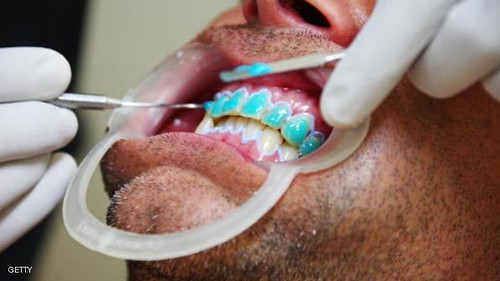
Laser gum treatment is an innovative dental procedure that utilizes focused laser energy to address various gum issues, including periodontal disease. This method offers a minimally invasive alternative to traditional surgical approaches, providing patients with a quicker recovery time and less discomfort.
The procedure involves the use of a specialized laser that targets infected gum tissue while preserving healthy tissue. By removing harmful bacteria and promoting healing, laser gum treatment not only helps improve oral health but also contributes to overall wellness.
Research has shown a significant connection between oral health and systemic conditions, such as type 2 diabetes. Poor gum health can exacerbate insulin resistance and lead to higher A1C levels, making effective gum treatment essential for diabetic patients. The precision of laser technology enables dental professionals to effectively treat gum disease, which may, in turn, assist in better managing blood sugar levels.
Patients undergoing laser gum treatment often report reduced bleeding and swelling, along with a decrease in gum sensitivity. Moreover, the treatment can create a healthier environment in the mouth, which is crucial for those managing chronic conditions. As the relationship between oral health and diabetes becomes increasingly recognized, laser gum treatment emerges as a vital component in the holistic management of type 2 diabetes.
How Does Laser Treatment Work?
Laser gum treatment involves a precise and minimally invasive technique that targets gum disease and promotes healing. The procedure uses a focused beam of light to remove infected tissue while preserving healthy gum structures. This targeted approach helps reduce inflammation and can lead to significant improvements in oral health.
During the treatment, a dental professional will use a laser to eliminate bacteria and debris from the gum pockets. The process is generally quick and often requires little to no downtime, making it an appealing option for those with busy lifestyles. Patients may experience minimal discomfort compared to traditional methods of gum surgery.
Laser gum treatment not only addresses the immediate issues associated with gum disease but also contributes to the overall well-being of patients, especially those managing chronic conditions such as diabetes. Research indicates that effective gum care can lead to improved A1C levels, which is crucial for individuals with type 2 diabetes. By enhancing gum health, patients may experience better control over their blood sugar levels.
In summary, laser gum treatment offers a modern solution for gum disease, combining efficacy with patient comfort. Its role in improving A1C levels highlights the interconnectedness of oral health and systemic conditions, underscoring the importance of maintaining good dental hygiene.
Benefits of Laser Gum Treatment
Laser gum treatment offers several advantages for individuals looking to improve their oral health and overall well-being. This innovative approach not only targets gum disease but also has potential benefits for systemic health, particularly for those with diabetes.
One of the main benefits of laser gum treatment is its precision. The laser selectively removes diseased tissue while preserving healthy gum, leading to quicker recovery times and less discomfort compared to traditional surgical methods. Patients often report minimal bleeding and reduced pain during and after the procedure.
Additionally, laser gum treatment can significantly improve the effectiveness of oral hygiene. By eliminating bacteria and infected tissue, the treatment enhances the healing of gums, making it easier for patients to maintain good oral hygiene practices. This is particularly beneficial for individuals with diabetes, as maintaining healthy gums can help in managing blood sugar levels.
Research has suggested that patients who undergo laser gum treatment may experience improvements in their A1C levels, which is crucial for those with type 2 diabetes. By addressing gum disease, individuals may notice a positive impact on their overall health, demonstrating the interconnectedness of oral health and systemic health.
In summary, the benefits of laser gum treatment extend beyond the mouth, potentially improving A1C levels and promoting better health outcomes for patients with diabetes.
Impact on A1C Levels
The relationship between Laser Gum Treatment and A1C levels has garnered significant attention in recent studies, particularly in individuals with type 2 diabetes. Research indicates that managing oral health can play a crucial role in controlling blood sugar levels. Poor gum health often leads to systemic inflammation, which can complicate diabetes management.
A1C tests measure the average blood glucose levels over a period of 2 to 3 months, and elevated levels are a concern for diabetic patients. When patients undergo laser gum treatment, the reduction of gum inflammation can have a positive ripple effect on overall health. The precise targeting of infected tissue helps to promote healing and reduces the bacterial load in the mouth, leading to improved oral hygiene.
Several studies have suggested that patients who receive laser gum treatment may experience a notable decrease in their A1C levels. In one study, participants reported an average reduction of 1% in A1C after undergoing the procedure. This improvement can be critical for individuals striving to maintain their diabetes management plan.
In summary, incorporating Laser Gum Treatment into a comprehensive diabetes care strategy may not only enhance oral health but also contribute to better control of A1C levels, underscoring the importance of a holistic approach to managing type 2 diabetes.
Patient Experiences and Testimonials
Many patients have reported significant improvements in their overall health after undergoing laser gum treatment. These testimonials highlight not only the effectiveness of the procedure but also the positive changes in their diabetes management.
One patient, Sarah, shared her journey: “After my laser gum treatment, I noticed a dramatic decrease in my A1C levels. I never expected that my gum health would have such a direct impact on my diabetes.” Her experience echoes the sentiments of many who have undergone this innovative therapy.
Another patient, John, emphasized the dual benefits he received: “Not only did my gums feel better, but I also saw my blood sugar levels stabilize. It was a relief to find a treatment that helped both my dental health and my diabetes.”
Many patients have experienced similar outcomes, leading to a growing interest in laser treatments among those managing type 2 diabetes. The minimally invasive nature of the procedure has made it an attractive option for those looking to improve their oral health without extensive recovery times.
As more individuals share their success stories, the evidence supporting the link between laser gum treatment and improved A1C levels continues to accumulate. This promising approach is transforming how patients tackle diabetes management while simultaneously enhancing their dental well-being.
Comparing Traditional Treatments
When evaluating options for managing gum disease, it is crucial to compare traditional treatments with innovative approaches like laser gum treatment. Traditional methods primarily include scaling and root planing, which involves deep cleaning of the gums and teeth to remove plaque and tartar buildup. While effective, these methods can be invasive and often lead to discomfort during and after the procedure.
In contrast, laser gum treatment utilizes precise laser technology to target and eliminate diseased gum tissue while preserving healthy tissue. This non-invasive technique typically results in less bleeding and swelling, leading to a quicker recovery time for patients. Additionally, the laser promotes healing by encouraging tissue regeneration, which is a significant advantage over traditional treatments.
Moreover, traditional treatments may require multiple visits and extended downtime, whereas laser treatments can often be completed in one session, allowing patients to resume their daily activities sooner. The enhanced precision of laser therapy also minimizes the risk of infection post-treatment, a common concern with traditional methods.
In conclusion, while traditional treatments have their merits, laser gum treatment offers a modern, efficient alternative that not only improves oral health but may also have a positive impact on systemic health, such as A1C levels in individuals with diabetes.
Future of Diabetes Care
The future of diabetes care is increasingly leaning towards innovative treatments that offer more effective solutions for managing the condition. One such advancement is the integration of laser gum treatment into diabetes management protocols. As research continues to uncover the links between oral health and systemic diseases, the importance of maintaining healthy gums has never been more apparent.
Studies suggest that inflammation in the gums can exacerbate insulin resistance and affect blood sugar levels. Therefore, employing laser gum treatment not only addresses periodontal issues but may also play a pivotal role in improving overall metabolic health. This is particularly significant for individuals with Type 2 diabetes, who often face complications arising from poor oral hygiene.
In the coming years, we can expect greater emphasis on interdisciplinary approaches that combine dental care with diabetes management. Health professionals may begin to routinely recommend laser gum treatment as part of a comprehensive care plan aimed at controlling A1C levels and reducing the risks associated with diabetes.
Moreover, advancements in technology will likely make these treatments more accessible and affordable, allowing more patients to benefit from them. The future holds promise for patients looking to enhance their quality of life while managing diabetes more effectively through innovative treatments like laser gum therapy.
Consulting Your Healthcare Provider
Before considering Laser Gum Treatment as a viable option for improving A1C levels, it is essential to consult your healthcare provider. Your provider can help determine if this treatment aligns with your overall health strategy, especially if you manage diabetes or other related conditions.
During your consultation, be prepared to discuss the following:
- Your medical history: Inform your provider about any pre-existing conditions, dental issues, or medications you are currently taking.
- Current A1C levels: Understanding your baseline A1C levels will help gauge the effectiveness of the treatment over time.
- Diet and lifestyle: Share details about your diet, exercise routine, and any lifestyle changes you have made to manage your diabetes.
- Other treatments: Discuss any other dental or diabetes treatments you are currently undergoing, as this may influence the decision to proceed with laser therapy.
It’s also important to ask questions about what to expect from the procedure, recovery time, and how it may interact with your diabetes management plan. Your healthcare provider can provide tailored advice and help you weigh the potential benefits against any risks, ensuring that you make an informed decision that promotes your overall health.
By mahmoud99725 via Openverse