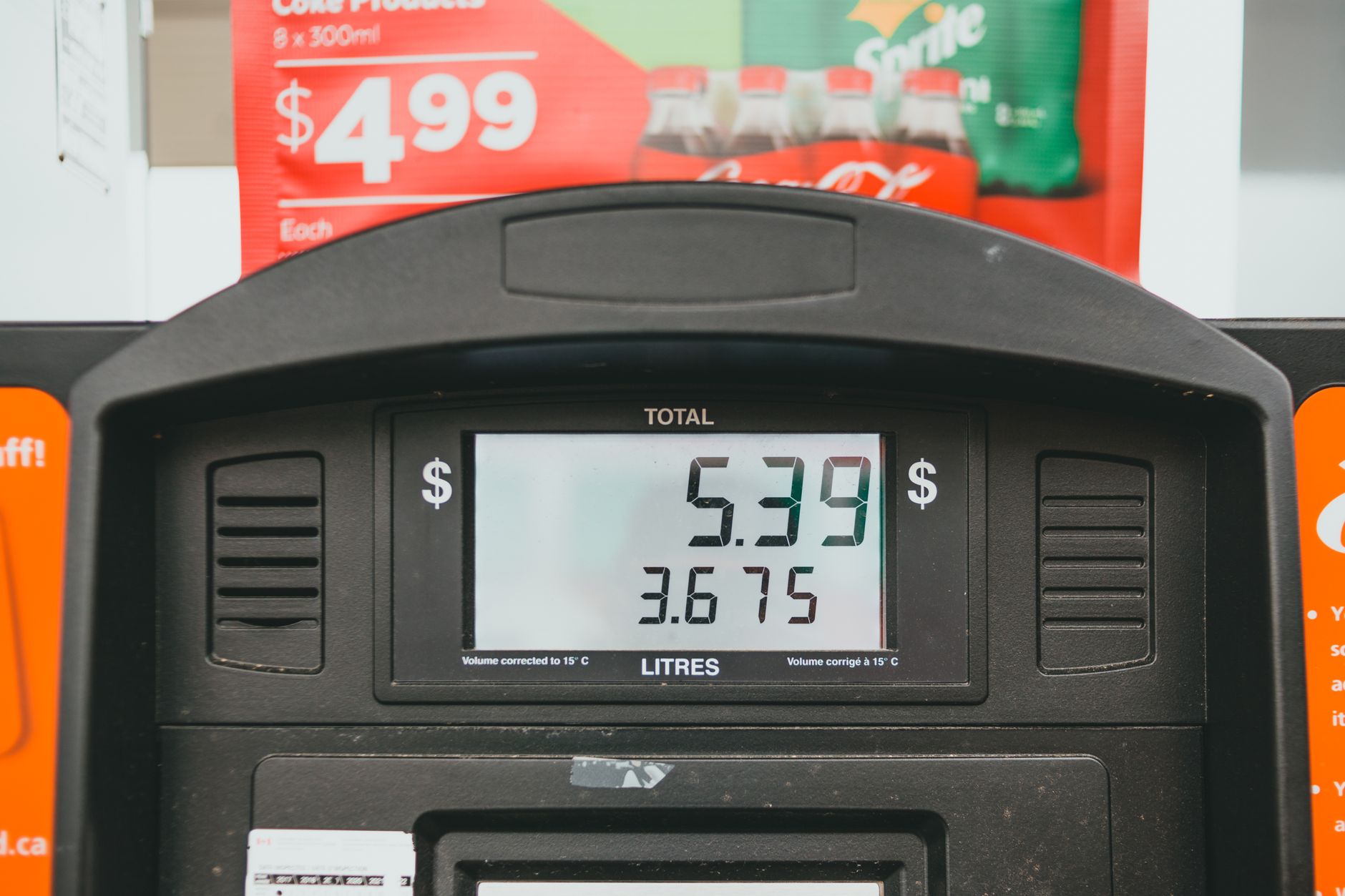
affordable fuel prices have been a priority in India, and recent tax cuts have played a significant role in achieving this stability amid global turmoil.
Impact of Global Turmoil on Fuel Prices
The global landscape has been tumultuous, with various geopolitical tensions and economic disruptions impacting fuel prices worldwide. However, India has managed to keep affordable fuel prices stable, primarily due to strategic tax cuts implemented by the government. According to Hardeep Puri, these tax measures have played a significant role in shielding consumers from the volatile fluctuations of international oil markets.
As countries grapple with rising fuel costs driven by ongoing conflicts, supply chain challenges, and inflationary pressures, India’s approach stands out. The government has adopted a proactive stance in adjusting taxes, which has helped maintain a balance between revenue generation and consumer relief.
- Tax reductions have been crucial in curbing inflation, allowing families to manage their budgets more effectively.
- Maintaining affordability in fuel prices supports economic growth and stability.
- These measures also contribute to energy security, as they encourage investments in local energy resources.
By prioritizing affordable fuel prices, the Indian government demonstrates how effective policy decisions can alleviate the adverse effects of global instability on everyday citizens.
How India Achieved Affordable Fuel Prices
India’s journey towards achieving affordable fuel prices has been marked by strategic decisions aimed at stabilizing the economy amidst global fluctuations. The government, under the guidance of key officials, has implemented a series of tax cuts that have significantly impacted fuel pricing.
Among the measures taken, the following tax cuts have proven effective:
- Reduction in Excise Duty: The government reduced excise duty on petrol and diesel, which directly lowered the prices consumers pay at the pump.
- State-Level Tax Adjustments: Various state governments have also opted to cut value-added tax (VAT) on fuels, further alleviating the financial burden on citizens.
- Subsidies for Essential Commodities: Targeted subsidies have been introduced for essential fuels, ensuring that lower-income households can access affordable fuel prices without significant strain on their budgets.
These actions reflect India’s commitment to maintaining stability in its fuel market, despite external pressures. With continued vigilance and responsive policies, the country aims to sustain these affordable fuel prices for the foreseeable future.
The Role of Tax Cuts in Fuel Affordability
The recent discourse surrounding affordable fuel prices has shed light on the significant role of tax cuts in achieving this economic goal. Governments worldwide are continually exploring measures to alleviate the financial burden on consumers, and tax reductions have proven to be a viable strategy.
In the context of India, the government has implemented a series of tax cuts that directly contribute to keeping fuel prices manageable. These measures have not only stabilized costs but have also encouraged economic growth in various sectors. The approach has been particularly effective in the face of fluctuating global oil prices and geopolitical tensions.
Key aspects of the tax cuts that have influenced fuel affordability include:
- Reduction of excise duties: Lower excise taxes on fuel have resulted in immediate price reductions at the pump.
- Targeted subsidies: Providing subsidies to specific demographics has helped ensure that lower-income families can still access affordable fuel prices.
- Incentives for renewable energy: Encouraging alternative energy sources through tax incentives has the potential to reduce reliance on traditional fuel.
Ultimately, tax cuts play a crucial role in maintaining affordable fuel prices, allowing consumers to navigate the complexities of the global economy more effectively.
Comparing Fuel Prices Globally
As countries grapple with fluctuating oil prices and economic uncertainties, the quest for affordable fuel prices has become increasingly relevant. A comparative analysis reveals significant disparities in fuel costs across the globe.
In several nations, government policies and taxation impact fuel prices substantially:
- United States: Fuel prices are highly influenced by state taxes, with some states implementing higher gasoline taxes, which can lead to significant price variations.
- European Union: Most EU countries enforce strict environmental taxes, leading to higher fuel prices, though some nations provide subsidies to alleviate the burden on consumers.
- Middle East: Countries like Saudi Arabia and the UAE benefit from state-controlled fuel prices due to abundant oil reserves, allowing for lower costs for their citizens.
- India: Despite global turmoil, India has managed to maintain affordable fuel prices through strategic tax cuts, showcasing a model that balances revenue generation with consumer affordability.
These comparisons illustrate how different tax policies and market strategies can shape the fuel landscape, directly impacting the affordability of fuel for consumers worldwide.
Economic Strategies for Fuel Stability
In the quest for affordable fuel prices, various economic strategies have proven effective in stabilizing fuel costs. Governments around the world have implemented a range of measures designed to cushion consumers from the volatility of global oil markets.
One successful approach has been the introduction of targeted tax cuts, which can significantly lower the price at the pump without compromising government revenue. By reducing excise duties and value-added tax (VAT) on fuel, countries can directly influence fuel affordability for citizens.
Additionally, some nations have invested in alternative energy sources, decreasing dependency on imported fossil fuels. This diversification not only helps in maintaining stable prices but also promotes energy security.
Furthermore, strategic reserves play a crucial role. By maintaining a buffer stock, governments can manage supply disruptions caused by geopolitical tensions or natural disasters, thereby stabilizing prices during crises.
Finally, public transportation initiatives encourage the use of mass transit systems, alleviating pressure on fuel demand. These combined strategies create a robust framework for ensuring affordable fuel prices while also promoting sustainable energy practices for the future.
Public Response to Fuel Price Management
The management of fuel prices has sparked considerable public discourse, particularly in the context of India’s recent efforts to maintain affordable fuel prices. Citizens have expressed a mix of appreciation and skepticism regarding the government’s role in stabilizing fuel costs amidst global instability.
A survey conducted by a leading research firm revealed that:
- 65% of respondents believe that tax cuts have positively impacted fuel affordability.
- 20% feel that the government’s policies are not enough to sustain these prices in the long run.
- 15% remain undecided on the effectiveness of these measures.
Public sentiment has also been influenced by rising costs in other sectors, leading to calls for a comprehensive approach to economic stability. Many citizens advocate for continued transparency in fuel pricing and regular updates on government tax policies.
Moreover, as fuel prices fluctuate, there is a growing demand for innovations in energy efficiency and alternative fuels. The public’s engagement in discussions about energy policies underscores the importance of consumer awareness and the need for ongoing dialogue between the government and its citizens.
Future of Fuel Prices in India
The future of fuel prices in India remains a topic of significant interest, especially in light of the recent commitment to maintain affordable fuel prices. As global markets continue to experience volatility, experts suggest that India’s approach to fuel pricing may evolve in response to both domestic and international factors.
One potential avenue for sustaining affordable prices is through continued government intervention. This could involve:
- Innovative tax policies: Maintaining or adjusting tax cuts to buffer against international price fluctuations.
- Investment in renewable energy: Expanding alternative energy sources could reduce dependence on imported fuels, stabilizing prices.
- Strategic reserves: Increasing buffer stock levels to manage supply disruptions and stabilize the market.
Furthermore, public sentiment plays a crucial role. As consumers express their expectations regarding price stability, the government may be prompted to take more proactive measures. The intersection of domestic policy, global market dynamics, and public response will ultimately shape the future landscape of fuel pricing in India. Ensuring that fuel remains affordable will be a continual challenge, but the commitment to this goal is evident in current policies.
Photo by Erik Mclean on Pexels
References
India US partnership: What makes it a smart move? · Simon Harmer’s Proven Impact: South Africa Leads 1-0 · BMW Motorrad R 12 G/S: The Best New Bike Launch in India