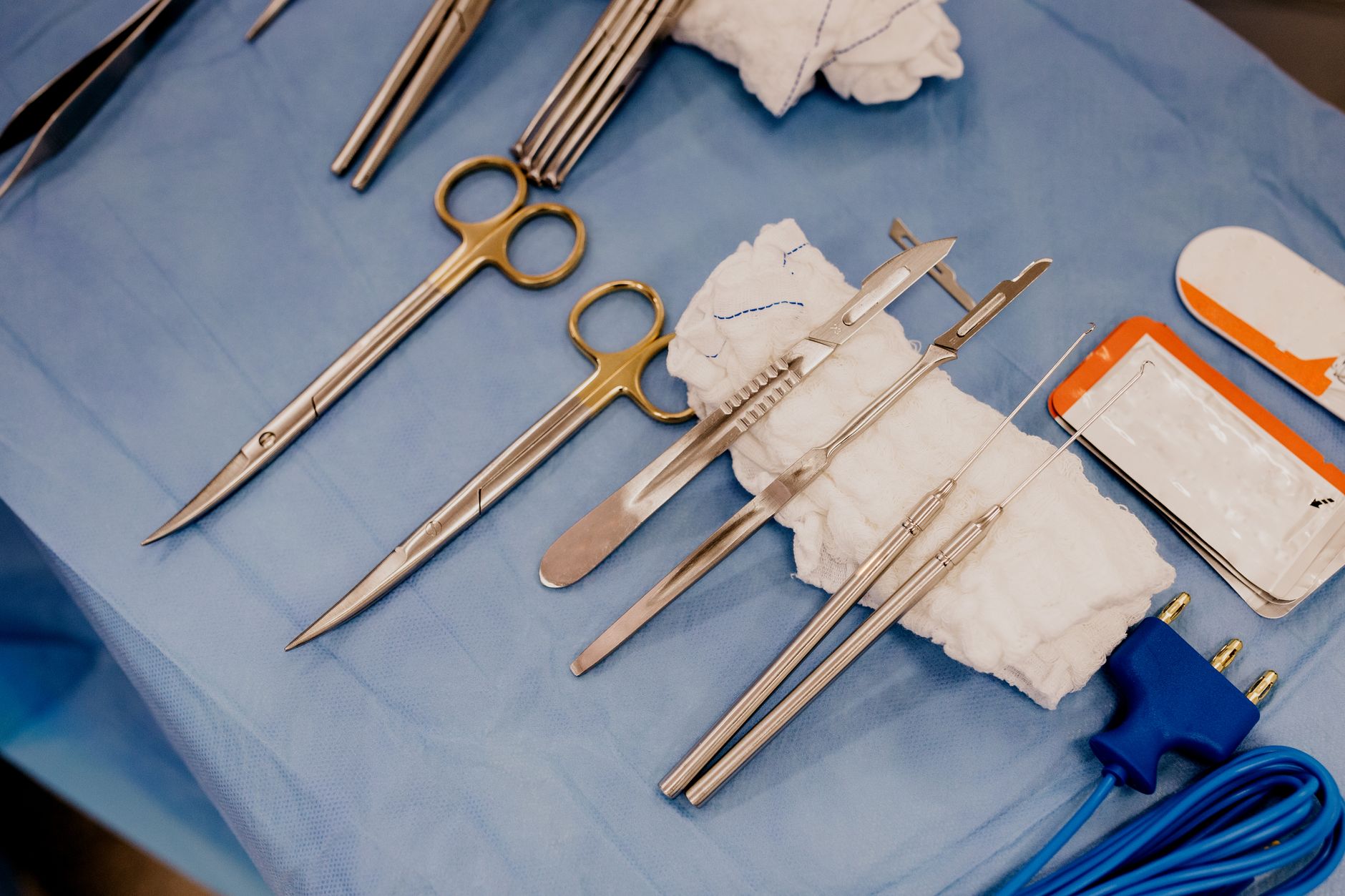
Open fetal surgery is a groundbreaking procedure that has been performed for the first time in India to repair severe spinal defects in unborn babies.
What is Open Fetal Surgery?
Open fetal surgery is an advanced medical procedure designed to treat severe congenital conditions in unborn children. This technique involves performing surgery on a fetus while still in the mother’s womb, allowing for immediate intervention to address critical health issues.
One of the primary applications of open fetal surgery is to correct spinal defects, such as spina bifida. During this procedure, surgeons make an incision in the mother’s abdomen and uterus to access the fetus. Once the fetus is safely reached, the surgical team can repair the spinal defect, which may significantly improve the child’s quality of life after birth.
This approach has gained attention due to its potential to reduce the severity of disabilities that may arise from untreated spinal defects. By intervening early, the hope is to enhance neurological function and improve developmental outcomes for affected infants.
However, open fetal surgery is not without risks. It requires a skilled surgical team and carries potential complications for both the mother and the fetus. As with any medical procedure, thorough discussions between healthcare providers and expectant parents are essential to making informed decisions.
The Procedure Explained
Open fetal surgery is a complex procedure that aims to address severe spinal defects in unborn children. The process typically begins with a thorough evaluation of the fetus through advanced imaging techniques, which helps in determining the viability of the surgery.
Once the decision is made to proceed, the mother is prepared for surgery under general anesthesia. The surgical team makes an incision in the mother’s abdomen and uterus to access the fetus. This allows the surgeons to directly operate on the spinal defect, which may involve repairing damaged nerves and tissues.
The procedure requires a highly skilled team, including obstetricians, neonatologists, and pediatric surgeons, working collaboratively to ensure the best possible outcome for both the mother and the child.
Post-surgery, both the mother and fetus are closely monitored to manage any potential complications. After successful open fetal surgery, the aim is to improve the quality of life for the child and enhance developmental outcomes.
While open fetal surgery can be life-changing, it carries risks and is not suitable for all cases. Parents must consult with medical experts to determine the best course of action.
Benefits of Open Fetal Surgery
Open fetal surgery offers several significant benefits for treating spinal defects in unborn children. With advancements in medical technology, this innovative approach allows surgeons to intervene before birth, potentially altering the course of congenital conditions.
Some of the key benefits include:
- Early Intervention: By performing surgery in utero, medical professionals can address spinal defects earlier, which may lead to improved outcomes.
- Increased Survival Rates: Studies indicate that open fetal surgery can enhance the chances of survival for fetuses with severe spinal issues, providing a better quality of life after birth.
- Reduced Neurological Damage: Timely correction of spinal defects may minimize neurological impairments, allowing for better motor function and cognitive development.
- Parental Peace of Mind: Knowing that an intervention has taken place can alleviate some of the emotional stress faced by expectant parents dealing with severe prenatal diagnoses.
As with any medical procedure, it is crucial for parents to discuss the potential risks and benefits of open fetal surgery with their healthcare providers to make informed decisions.
Success Stories from AIIMS Delhi
Recent success stories from AIIMS Delhi highlight the potential of open fetal surgery in addressing severe spinal defects. In a groundbreaking procedure, the medical team successfully performed India’s first open fetal surgery to repair a critical spinal condition known as myelomeningocele. This rare condition, often leading to debilitating outcomes, has been effectively managed through this innovative surgical approach.
One notable case involved a mother carrying a fetus diagnosed with a significant spinal defect. The surgical team intervened early, conducting the open fetal surgery at just 26 weeks of gestation. Following the procedure, the fetus showed remarkable improvement, with a reduction in the size of the spinal defect and enhanced neurological development.
Parents expressed overwhelming gratitude for the expertise and dedication of the medical professionals involved. They emphasized how the surgery not only improved their child’s chances of a better quality of life but also offered hope in a challenging situation.
As AIIMS Delhi continues to pioneer this field, the success stories emerging from these surgeries indicate that open fetal surgery could indeed be a transformative solution for spinal defects, providing new avenues for affected families.
Future of Fetal Surgery in India
The future of fetal surgery in India appears promising, particularly with the advent of open fetal surgery techniques. As awareness grows, more medical institutions are likely to adopt these innovative procedures, enabling better outcomes for unborn children with spinal defects.
Several factors will influence the expansion of open fetal surgery in the country:
- Increased Awareness: As success stories from institutions like AIIMS Delhi circulate, expectant parents will seek information about advanced surgical options for fetal anomalies.
- Training and Expertise: Ongoing training for healthcare professionals is essential. Enhanced skills and knowledge will empower surgeons to perform these complex procedures with confidence.
- Technological Advancements: The integration of cutting-edge technology will further refine surgical techniques, allowing for safer and more effective interventions.
- Policy Support: Government initiatives and healthcare policies that support research and funding for fetal surgery will be crucial in building a robust framework for these procedures.
As open fetal surgery gains traction, it holds the potential to revolutionize the management of spinal defects in India, ultimately improving the quality of life for numerous families.
Photo by Jonathan Borba on Pexels