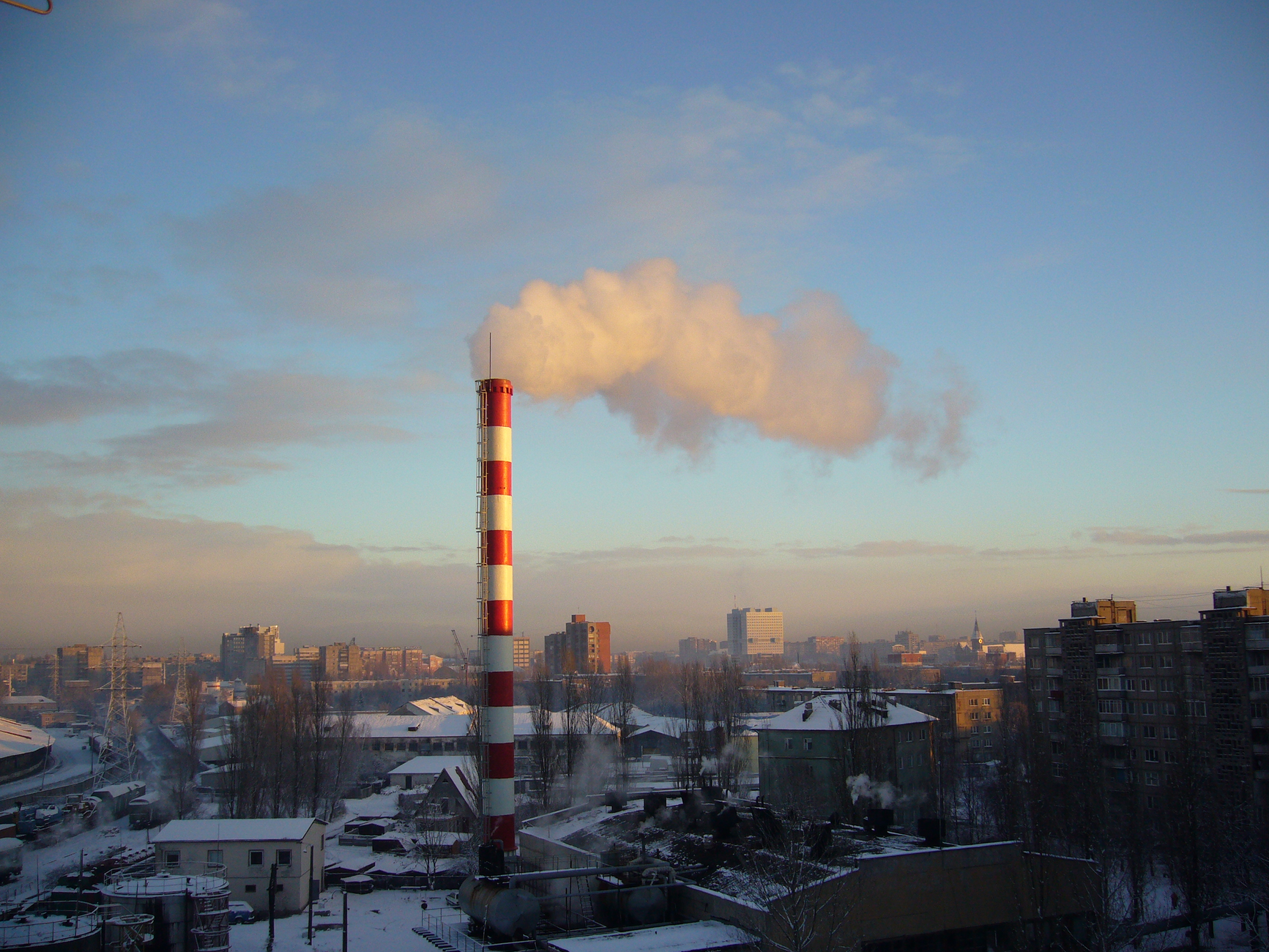
Delhi vehicle entry ban will come into effect from November 1, 2023, impacting non-BS6 compliant vehicles. This regulation aims to improve air quality in the city.
What is the Delhi vehicle entry ban?
The Delhi vehicle entry ban is a regulatory measure aimed at improving air quality in the national capital by restricting the entry of non-BS6 vehicles into the city. Starting from November 1, all vehicles that do not meet the Bharat Stage 6 (BS6) emission standards will be prohibited from entering certain areas of Delhi. This initiative is part of a broader effort to combat pollution and its detrimental effects on public health.
The ban targets a significant number of older vehicles that contribute to the worsening air quality in the region. Under this regulation, only vehicles equipped with BS6 engines, which are designed to produce fewer emissions, will be allowed to operate within the affected zones. This move is expected to have mixed consequences for commuters.
While the government aims to reduce pollution levels, many residents are concerned about the practical implications of the ban. Commuters who rely on non-BS6 vehicles may face significant inconveniences, including increased transport costs and limited mobility. The implementation of this ban is likely to lead to protests from affected vehicle owners and a broader discussion about sustainable transportation options in the city.
Authorities urge citizens to consider alternative modes of transport, such as public transit, to mitigate the effects of the Delhi vehicle entry ban.
Reasons behind the ban
The Delhi vehicle entry ban, which targets non-BS6 vehicles, aims to address the escalating pollution levels in the capital. Several reasons underscore the necessity of this stringent measure:
- Air Quality Concerns: Delhi consistently ranks among the most polluted cities globally. The presence of older, more polluting vehicles contributes significantly to the deteriorating air quality.
- Health Implications: Poor air quality has been linked to numerous health issues, including respiratory diseases and cardiovascular problems. The ban seeks to mitigate these risks, especially for vulnerable populations.
- Government Initiatives: The Delhi government has introduced various initiatives over the years to combat pollution. The vehicle entry ban is a continuation of these efforts, promoting cleaner alternatives and encouraging the use of public transport.
- Regulatory Compliance: The transition to BS6 compliant vehicles is part of a broader national strategy to reduce emissions. The ban emphasizes the importance of adhering to these standards to improve overall vehicular emissions.
While the Delhi vehicle entry ban may pose challenges for some commuters, it is crucial for long-term environmental sustainability and public health in the region.
Impact on commuters and traffic
The recent Delhi vehicle entry ban has had a significant impact on commuters across the city. As non-BS6 vehicles are prohibited from entering certain areas, many residents are experiencing increased travel times and inconvenience. The ban, which took effect on November 1, aims to combat pollution but has inadvertently caused chaos for daily travelers.
Commuters are now facing a host of challenges:
- Longer commutes: With fewer vehicles allowed on the roads, traffic congestion has worsened, leading to delays.
- Increased transportation costs: Many are forced to rely on alternative modes of transport such as auto-rickshaws or cabs, which can be more expensive.
- Limited vehicle options: Those who own older vehicles face restrictions, forcing them to invest in new, compliant models or public transport.
- Environmental concerns: While the aim is to reduce pollution, the sudden shift has led to confusion and frustration among citizens.
Overall, the Delhi vehicle entry ban has created a challenging environment for commuters, affecting their daily routines and prompting discussions on the effectiveness of such measures in improving air quality.
Alternatives for non-BS6 vehicles
The Delhi vehicle entry ban has left many drivers searching for alternatives, particularly those who own non-BS6 vehicles. As the ban takes effect from November 1, residents must adapt to ensure they can still navigate the city efficiently.
For those affected, several options can help mitigate the disruption:
- Public Transport: Utilizing the extensive metro network and buses can be a practical solution. The Delhi Metro offers a reliable and efficient mode of transportation, while buses cover a vast number of routes.
- Carpooling: Sharing rides with friends or colleagues can reduce the number of vehicles on the road. This not only helps in adhering to the vehicle entry ban but also promotes eco-friendly practices.
- Bicycles and E-scooters: For shorter distances, cycling or using electric scooters can be a quick and cost-effective option. Many areas of Delhi are becoming more bike-friendly, making this a viable alternative.
- Walking: For those living nearby, walking can be a healthy and environmentally friendly way to commute, especially in areas with heavy traffic.
As the city implements the Delhi vehicle entry ban, commuters must explore these alternatives to maintain mobility and convenience.
Government response and enforcement
The Delhi government has outlined a series of measures to enforce the vehicle entry ban, particularly targeting non-BS6 vehicles. This initiative is part of a broader strategy aimed at combating air pollution in the capital. Authorities have stressed the necessity of compliance, particularly as the ban is set to take effect from November 1.
To facilitate enforcement, the government plans to deploy additional traffic police and surveillance cameras at key entry points into the city. Officials have indicated that vehicles failing to adhere to the ban will face hefty fines and other penalties. The Transport Department is also working on a public awareness campaign to inform residents about the implications of the vehicle entry ban.
Moreover, the government is collaborating with various stakeholders, including local businesses and transport unions, to ease the transition for affected commuters. Officials have emphasized that the aim is not merely regulation but improving overall air quality for the health of all residents.
Critics of the ban argue that the government must provide better public transport options to accommodate the influx of commuters who will be affected. As the deadline approaches, the focus remains on how effectively these measures will be implemented and their potential repercussions for daily travel in Delhi.
Future of vehicle regulations in Delhi
The future of vehicle regulations in Delhi is poised for significant changes as the government aims to tackle air quality issues and reduce traffic congestion. The recent Delhi vehicle entry ban has sparked discussions about sustainable transportation and the role of technology in shaping urban mobility.
As the ban on non-BS6 vehicles takes effect from November 1, officials are exploring additional measures to further regulate vehicle emissions and promote cleaner alternatives. The potential introduction of a congestion charge in highly congested areas is being considered, which could encourage commuters to use public transport or carpooling options.
Moreover, advancements in electric vehicle (EV) infrastructure are expected to play a pivotal role in the future of vehicle regulations. The government is keen on incentivizing EV adoption, which may lead to a gradual phase-out of older, polluting vehicles. In conjunction with the vehicle entry ban, these initiatives aim to create a cleaner, healthier environment for Delhi’s residents.
However, the success of these regulations hinges on public acceptance and the availability of reliable alternatives. Continuous dialogue between the government, transportation authorities, and citizens is essential to ensure that the transition to stricter vehicle regulations does not disproportionately affect commuters while achieving the desired environmental goals.
The Delhi vehicle entry ban has led to significant delays for daily commuters, forcing many to seek alternative routes. As a result, the impact of the Delhi vehicle entry ban is felt most acutely during peak travel hours.