
Tag: energy policy

  • Affordable fuel prices: What are the proven tax cuts?

    Affordable fuel prices: What are the proven tax cuts?

    affordable fuel prices have been a priority in India, and recent tax cuts have played a significant role in achieving this stability amid global turmoil.

    Impact of Global Turmoil on Fuel Prices

    The global landscape has been tumultuous, with various geopolitical tensions and economic disruptions impacting fuel prices worldwide. However, India has managed to keep affordable fuel prices stable, primarily due to strategic tax cuts implemented by the government. According to Hardeep Puri, these tax measures have played a significant role in shielding consumers from the volatile fluctuations of international oil markets.

    As countries grapple with rising fuel costs driven by ongoing conflicts, supply chain challenges, and inflationary pressures, India’s approach stands out. The government has adopted a proactive stance in adjusting taxes, which has helped maintain a balance between revenue generation and consumer relief.

    • Tax reductions have been crucial in curbing inflation, allowing families to manage their budgets more effectively.
    • Maintaining affordability in fuel prices supports economic growth and stability.
    • These measures also contribute to energy security, as they encourage investments in local energy resources.

    By prioritizing affordable fuel prices, the Indian government demonstrates how effective policy decisions can alleviate the adverse effects of global instability on everyday citizens.

    How India Achieved Affordable Fuel Prices

    India’s journey towards achieving affordable fuel prices has been marked by strategic decisions aimed at stabilizing the economy amidst global fluctuations. The government, under the guidance of key officials, has implemented a series of tax cuts that have significantly impacted fuel pricing.

    Among the measures taken, the following tax cuts have proven effective:

    • Reduction in Excise Duty: The government reduced excise duty on petrol and diesel, which directly lowered the prices consumers pay at the pump.
    • State-Level Tax Adjustments: Various state governments have also opted to cut value-added tax (VAT) on fuels, further alleviating the financial burden on citizens.
    • Subsidies for Essential Commodities: Targeted subsidies have been introduced for essential fuels, ensuring that lower-income households can access affordable fuel prices without significant strain on their budgets.

    These actions reflect India’s commitment to maintaining stability in its fuel market, despite external pressures. With continued vigilance and responsive policies, the country aims to sustain these affordable fuel prices for the foreseeable future.

    The Role of Tax Cuts in Fuel Affordability

    The recent discourse surrounding affordable fuel prices has shed light on the significant role of tax cuts in achieving this economic goal. Governments worldwide are continually exploring measures to alleviate the financial burden on consumers, and tax reductions have proven to be a viable strategy.

    In the context of India, the government has implemented a series of tax cuts that directly contribute to keeping fuel prices manageable. These measures have not only stabilized costs but have also encouraged economic growth in various sectors. The approach has been particularly effective in the face of fluctuating global oil prices and geopolitical tensions.

    Key aspects of the tax cuts that have influenced fuel affordability include:

    • Reduction of excise duties: Lower excise taxes on fuel have resulted in immediate price reductions at the pump.
    • Targeted subsidies: Providing subsidies to specific demographics has helped ensure that lower-income families can still access affordable fuel prices.
    • Incentives for renewable energy: Encouraging alternative energy sources through tax incentives has the potential to reduce reliance on traditional fuel.

    Ultimately, tax cuts play a crucial role in maintaining affordable fuel prices, allowing consumers to navigate the complexities of the global economy more effectively.

    Comparing Fuel Prices Globally

    As countries grapple with fluctuating oil prices and economic uncertainties, the quest for affordable fuel prices has become increasingly relevant. A comparative analysis reveals significant disparities in fuel costs across the globe.

    In several nations, government policies and taxation impact fuel prices substantially:

    • United States: Fuel prices are highly influenced by state taxes, with some states implementing higher gasoline taxes, which can lead to significant price variations.
    • European Union: Most EU countries enforce strict environmental taxes, leading to higher fuel prices, though some nations provide subsidies to alleviate the burden on consumers.
    • Middle East: Countries like Saudi Arabia and the UAE benefit from state-controlled fuel prices due to abundant oil reserves, allowing for lower costs for their citizens.
    • India: Despite global turmoil, India has managed to maintain affordable fuel prices through strategic tax cuts, showcasing a model that balances revenue generation with consumer affordability.

    These comparisons illustrate how different tax policies and market strategies can shape the fuel landscape, directly impacting the affordability of fuel for consumers worldwide.

    Economic Strategies for Fuel Stability

    In the quest for affordable fuel prices, various economic strategies have proven effective in stabilizing fuel costs. Governments around the world have implemented a range of measures designed to cushion consumers from the volatility of global oil markets.

    One successful approach has been the introduction of targeted tax cuts, which can significantly lower the price at the pump without compromising government revenue. By reducing excise duties and value-added tax (VAT) on fuel, countries can directly influence fuel affordability for citizens.

    Additionally, some nations have invested in alternative energy sources, decreasing dependency on imported fossil fuels. This diversification not only helps in maintaining stable prices but also promotes energy security.

    Furthermore, strategic reserves play a crucial role. By maintaining a buffer stock, governments can manage supply disruptions caused by geopolitical tensions or natural disasters, thereby stabilizing prices during crises.

    Finally, public transportation initiatives encourage the use of mass transit systems, alleviating pressure on fuel demand. These combined strategies create a robust framework for ensuring affordable fuel prices while also promoting sustainable energy practices for the future.

    Public Response to Fuel Price Management

    The management of fuel prices has sparked considerable public discourse, particularly in the context of India’s recent efforts to maintain affordable fuel prices. Citizens have expressed a mix of appreciation and skepticism regarding the government’s role in stabilizing fuel costs amidst global instability.

    A survey conducted by a leading research firm revealed that:

    • 65% of respondents believe that tax cuts have positively impacted fuel affordability.
    • 20% feel that the government’s policies are not enough to sustain these prices in the long run.
    • 15% remain undecided on the effectiveness of these measures.

    Public sentiment has also been influenced by rising costs in other sectors, leading to calls for a comprehensive approach to economic stability. Many citizens advocate for continued transparency in fuel pricing and regular updates on government tax policies.

    Moreover, as fuel prices fluctuate, there is a growing demand for innovations in energy efficiency and alternative fuels. The public’s engagement in discussions about energy policies underscores the importance of consumer awareness and the need for ongoing dialogue between the government and its citizens.

    Future of Fuel Prices in India

    The future of fuel prices in India remains a topic of significant interest, especially in light of the recent commitment to maintain affordable fuel prices. As global markets continue to experience volatility, experts suggest that India’s approach to fuel pricing may evolve in response to both domestic and international factors.

    One potential avenue for sustaining affordable prices is through continued government intervention. This could involve:

    • Innovative tax policies: Maintaining or adjusting tax cuts to buffer against international price fluctuations.
    • Investment in renewable energy: Expanding alternative energy sources could reduce dependence on imported fuels, stabilizing prices.
    • Strategic reserves: Increasing buffer stock levels to manage supply disruptions and stabilize the market.

    Furthermore, public sentiment plays a crucial role. As consumers express their expectations regarding price stability, the government may be prompted to take more proactive measures. The intersection of domestic policy, global market dynamics, and public response will ultimately shape the future landscape of fuel pricing in India. Ensuring that fuel remains affordable will be a continual challenge, but the commitment to this goal is evident in current policies.

    Photo by Erik Mclean on Pexels

    References

    Lokmat Times

    More on this site

    India US partnership: What makes it a smart move? · Simon Harmer’s Proven Impact: South Africa Leads 1-0 · BMW Motorrad R 12 G/S: The Best New Bike Launch in India
  • Grid storage investment: Is it the best move for India?

    Grid storage investment: Is it the best move for India?

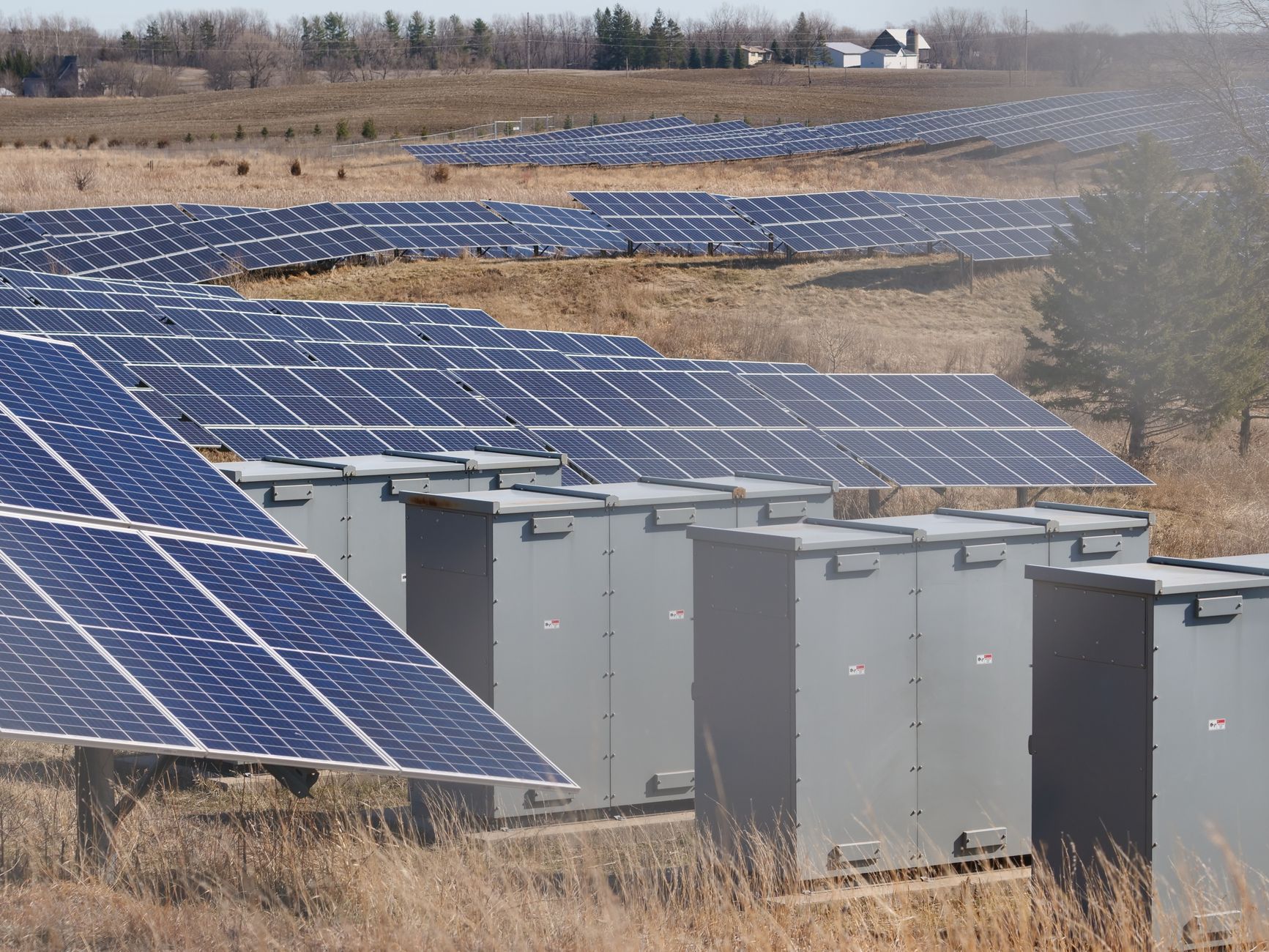
    grid storage investment is becoming a key focus for India as the country seeks to enhance its clean energy capabilities. The recent approval of a $1.5 billion initiative signals a significant step forward in this direction.

    Overview of India’s energy strategy

    India’s energy strategy has been undergoing a significant transformation as the country aims to transition towards cleaner energy sources. The government’s recent approval of a $1.5 billion grid storage investment demonstrates its commitment to enhancing the reliability and efficiency of renewable energy systems. This investment is expected to bolster India’s capacity to store and manage energy generated from renewable sources such as solar and wind.

    As part of its long-term vision, India is focusing on several key areas to ensure a sustainable energy future:

    • Renewable Energy Expansion: India plans to significantly increase its renewable energy capacity, with a target of achieving 500 GW by 2030.
    • Grid Modernization: Upgrading existing grid infrastructure is crucial for accommodating the increasing share of renewables.
    • Energy Storage Solutions: Investing in grid storage technologies will help to address the intermittency challenges faced by renewable energy sources.
    • Policy and Regulation: The government is formulating policies that incentivize private investment in grid storage and renewable energy projects.

    By prioritizing grid storage investment, India aims to not only enhance energy security but also support its ambitious clean energy goals, positioning itself as a leader in sustainable energy practices on the global stage.

    Importance of grid storage

    The importance of grid storage cannot be overstated in the context of India’s evolving energy landscape. As the country aims to transition to cleaner energy sources, effective grid storage investment becomes crucial for ensuring stability and reliability in energy supply.

    Grid storage systems serve multiple vital functions:

    • Energy Management: They allow for the efficient management of energy generated from renewable sources, such as solar and wind, which are often intermittent.
    • Grid Stability: By storing excess energy during periods of low demand, these systems help balance load and prevent outages during peak usage times.
    • Cost Efficiency: With advancements in technology, grid storage can help reduce electricity costs over time by optimizing energy usage and minimizing reliance on fossil fuels.
    • Environmental Impact: Effective grid storage supports the integration of renewable energy, reducing carbon footprints and contributing to India’s commitment to climate goals.

    As India moves forward with its $1.5 billion grid storage push, the focus on these technologies reflects a broader strategy towards sustainable development. Investing in grid storage is not just a financial decision but a critical step towards a resilient and eco-friendly energy future for the nation.

    Financial implications of the investment

    The recent approval of a $1.5 billion grid storage investment marks a significant step in India’s clean energy transition. This financial commitment is expected to yield substantial returns, both economically and environmentally. As the country aims to enhance its renewable energy capacity, effective grid storage solutions will play a crucial role in stabilizing supply and demand.

    Investing in grid storage can lead to various financial implications:

    • Cost Savings: By integrating advanced storage technologies, India can reduce reliance on fossil fuels, leading to lower operational costs in the long run.
    • Job Creation: The development and maintenance of grid storage facilities are likely to generate new employment opportunities in the energy sector.
    • Attracting Investment: A robust grid storage system may attract further investments from both domestic and international stakeholders interested in renewable energy projects.
    • Energy Stability: With enhanced storage capabilities, the grid can better manage fluctuations in energy supply, ensuring a reliable power source for consumers.

    Overall, the grid storage investment is not just a financial maneuver but a strategic move towards a sustainable energy future for India, promoting economic growth while addressing pressing environmental concerns.

    Technological advancements in energy storage

    Recent technological advancements in energy storage have positioned India to capitalize on the growing demand for renewable energy sources. As the country moves towards a more sustainable energy future, grid storage investment has emerged as a crucial component in managing energy supply and demand effectively.

    Innovations in battery technology, particularly in lithium-ion and solid-state batteries, have significantly enhanced storage capacity and efficiency. These advancements allow for longer storage durations and quicker energy discharge, making them ideal for integrating renewable energy sources such as solar and wind into the grid.

    Moreover, the development of advanced software solutions for energy management systems has improved the ability to forecast energy consumption patterns and optimize the use of stored energy. This integration helps in stabilizing the grid, reducing reliance on fossil fuels, and ultimately lowering greenhouse gas emissions.

    Furthermore, as costs for energy storage technologies continue to decline, the financial feasibility of grid storage investments becomes increasingly attractive. This trend not only supports India’s clean energy drive but also encourages private sector participation in the energy market.

    In summary, the convergence of technological advancements and economic incentives makes grid storage investment a promising avenue for India’s energy transition.

    Potential impact on renewable energy

    The recent approval of a $1.5 billion grid storage investment in India is poised to significantly enhance the country’s renewable energy landscape. By integrating advanced storage solutions, India aims to address the inherent challenges associated with intermittent energy sources like solar and wind. This strategic move is expected to ensure a more stable and reliable power supply, effectively balancing demand and supply fluctuations.

    One of the most promising impacts of this investment is the potential increase in renewable energy adoption. With improved storage capabilities, renewable energy can be harnessed more efficiently, leading to a decrease in reliance on fossil fuels. Additionally, the implementation of grid storage can facilitate the integration of larger renewable energy projects, making them more viable and attractive to investors.

    Moreover, this initiative may catalyze job creation in the energy sector, from manufacturing to maintenance of storage technologies. As India continues to expand its renewable energy portfolio, the grid storage investment can serve as a backbone for this transition, ultimately leading to a more sustainable energy future.

    In summary, the potential impact on renewable energy is substantial, making grid storage investment a critical component of India’s energy strategy moving forward.

    Challenges facing grid storage implementation

    The journey towards successful grid storage implementation in India is fraught with several challenges that could impact the overall effectiveness of this substantial investment in energy infrastructure.

    • Regulatory Hurdles: Navigating the complex regulatory environment remains a significant barrier. The lack of clear policies and guidelines for grid storage can lead to uncertainties that deter investors.
    • Infrastructure Limitations: Existing grid infrastructure may not be equipped to accommodate new storage technologies. Upgrading the grid to support advanced storage systems requires additional investment and time.
    • High Initial Costs: While the long-term benefits of grid storage investment are evident, the initial capital required can be daunting for many stakeholders, potentially slowing down project initiation.
    • Technological Maturity: The technology behind grid storage is still evolving. Concerns about the long-term reliability and efficiency of various storage solutions can hinder widespread adoption.
    • Public Awareness: There is a general lack of awareness regarding the benefits of grid storage among consumers and businesses, which can affect market demand and support for such initiatives.

    Addressing these challenges is essential for making grid storage a viable and effective solution in India’s energy landscape.

    Future of clean energy in India

    The future of clean energy in India is closely tied to the nation’s commitment to enhancing grid storage investment. As India sets ambitious targets for renewable energy generation, effective energy storage solutions will play a crucial role in achieving these goals. The integration of grid storage systems can help manage the intermittency of renewable sources like solar and wind, ensuring a stable energy supply.

    With the government’s recent approval of a $1.5 billion push for grid storage, the landscape of energy management in India is poised for transformation. This investment aims to bolster the capacity of the national grid, allowing for more significant incorporation of renewable energy while reducing reliance on fossil fuels.

    Moreover, the development of grid storage technologies is expected to foster innovation and attract further investments in clean energy. By enhancing energy resilience and reliability, grid storage can enable a smoother transition to a sustainable energy future.

    However, this transition will not come without its challenges. Key considerations include the need for substantial infrastructure upgrades and regulatory frameworks that can support this technological shift. Overall, the focus on grid storage investment represents a promising step toward a greener, more sustainable energy landscape in India.

    Conclusion and next steps

    In conclusion, the decision to invest in grid storage presents a pivotal opportunity for India as it seeks to enhance its energy strategy and bolster the clean energy transition. The substantial $1.5 billion investment approved by the government is a clear indication of its commitment to modernizing the energy infrastructure and embracing renewable sources.

    The potential benefits of grid storage investment are manifold, including improved energy reliability and efficiency, reduced dependency on fossil fuels, and the facilitation of a smoother integration of renewable energy sources into the national grid. However, realizing these benefits will require a concerted effort to address the challenges identified in earlier discussions, such as technological barriers, financing mechanisms, and regulatory frameworks.

    Moving forward, stakeholders must focus on:

    • Developing a robust policy framework that supports innovation in storage technologies.
    • Encouraging public-private partnerships to leverage expertise and capital in the energy sector.
    • Investing in research and development to enhance the efficiency and cost-effectiveness of grid storage solutions.

    By strategically navigating these next steps, India can position itself as a leader in clean energy and effectively harness the full potential of grid storage investment.

    Photo by Giant Asparagus on Pexels

    Read the original

    Related stories