Tag: Congress party

  • Insaaf Rally Punjab: Rahul Gandhi’s Bold Move Today

    Insaaf Rally Punjab is set to take place today in Sangrur, led by Rahul Gandhi. This event aims to unite supporters and address key issues facing the region.

    Overview of the Insaaf Rally

    The Insaaf Rally Punjab, led by Congress leader Rahul Gandhi, is set to take place today in Sangrur, a significant event in the party’s campaign strategy. This rally aims to address various issues affecting the region, highlighting the need for justice and accountability in governance.

    Gandhi is expected to focus on several key topics during the rally, including:

    • Farmers’ Rights: Emphasizing the struggles faced by farmers and advocating for their rights and fair compensation.
    • Unemployment: Addressing the rising unemployment rates and proposing solutions to create job opportunities for the youth.
    • Corruption: Calling for transparency and integrity within local governance to restore public trust.

    As the Insaaf Rally Punjab unfolds, it is anticipated to draw significant crowds, with supporters eager to hear Gandhi’s vision for a better future in Punjab. This rally marks a bold move by the Congress party to regain influence in the region.

    Key Issues Addressed at the Rally

    During the Insaaf Rally Punjab, several key issues were brought to the forefront by Rahul Gandhi, resonating with the concerns of local citizens. The rally served as a platform to address pressing matters that have affected the state and its inhabitants.

    • Agricultural Distress: Farmers’ rights and the ongoing agrarian crisis were major topics, with Gandhi emphasizing the need for fair prices and better support.
    • Unemployment: The rally highlighted the growing unemployment rates among the youth, with calls for job creation and skill development initiatives.
    • Women’s Safety: Issues surrounding women’s safety and empowerment were also discussed, with Gandhi advocating for stronger protective measures and support systems.
    • Health Infrastructure: The need for improved healthcare facilities was addressed, particularly in rural areas, where access remains limited.
    • Education: Gandhi stressed the importance of quality education and the need for reform in the educational sector to prepare future generations.

    Through these discussions, the Insaaf Rally Punjab aims to connect with the electorate and propel a movement for change.

    Rahul Gandhi’s Previous Rallies

    Rahul Gandhi has a history of impactful rallies, each aimed at mobilizing support and addressing critical issues facing the nation. His previous gatherings have often focused on themes of justice and social reform, resonating strongly with the public. The Insaaf Rally Punjab is expected to reflect this trend.

    Some of his notable rallies include:

    • Jan Akrosh Rally: Held in 2019, this event highlighted agrarian distress and demanded fair prices for farmers’ produce.
    • United Against Hate Rally: Conducted in 2020, this rally focused on communal harmony and condemned divisive politics.
    • Employment and Education Rally: In 2021, Gandhi addressed youth unemployment and the need for educational reforms.

    Each rally has built momentum towards his vision of a more equitable society. As he prepares for the Insaaf Rally Punjab, observers are eager to see how his message will evolve in response to the current political landscape.

    Public Reaction to the Insaaf Rally

    The Insaaf Rally Punjab has sparked a wave of reactions from the public, revealing a diverse array of opinions regarding Rahul Gandhi’s bold move. Many supporters have expressed enthusiasm for the rally, viewing it as a much-needed platform to address pressing issues in the region.

    • Support for Gandhi: A significant portion of the crowd applauded Gandhi’s commitment to justice and accountability, hoping that the Insaaf Rally Punjab would bring attention to their concerns.
    • Criticism from Opponents: Conversely, detractors criticized the rally, arguing that it is merely a political stunt aimed at gaining traction in a crucial electoral battleground.
    • Younger Voters: Among the younger demographic, there is a palpable excitement, with many believing that Gandhi’s message resonates with their aspirations for change.
    • Community Engagement: Local leaders have highlighted the importance of community engagement, suggesting that the Insaaf Rally Punjab could unify voices for a collective cause.

    As the day unfolds, public sentiment continues to evolve, reflecting the dynamic nature of Punjab’s political landscape.

    Impact on Punjab Politics

    The Insaaf Rally Punjab has the potential to significantly alter the political landscape of the state. With Rahul Gandhi at the forefront, the rally aims to strengthen the Congress Party’s position, especially in light of recent electoral challenges. Observers believe that Gandhi’s direct engagement with the people may revitalize the party’s base and attract disillusioned voters.

    Political analysts are closely watching the outcomes of this rally, as it occurs against a backdrop of increasing dissent against the ruling party. The mobilization of supporters during the Insaaf Rally Punjab could signal a shift in voter sentiment if key issues resonate with the electorate.

    Additionally, local leaders and party workers are expected to leverage the momentum generated by the rally to enhance grassroots support. The potential for a united front among opposition parties may also emerge, as they seek to capitalize on any perceived weaknesses in the current administration.

    As the political atmosphere heats up, the implications of today’s rally could extend well beyond Punjab, influencing national dynamics as well.

    Expectations from Today’s Event

    As the Insaaf Rally Punjab approaches, expectations are running high among supporters and political analysts alike. Many are eager to see how Rahul Gandhi will address the pressing concerns of the people in the region. Attendees anticipate a speech that not only resonates with the local populace but also outlines a clear vision for Punjab’s future.

    Key expectations include:

    • A focus on farmers’ issues: Given the agricultural backdrop of Punjab, many hope Gandhi will prioritize policies aimed at improving farmers’ livelihoods and addressing their grievances.
    • Employment opportunities: With unemployment rates rising, there is a significant demand for strategies to create jobs and boost the local economy.
    • Social justice: Many attendees are looking for assurances that the Congress party will work towards equality and fairness for all communities within Punjab.

    Overall, today’s event is seen as a critical moment for Rahul Gandhi to solidify support and articulate a compelling narrative for the Congress party in Punjab.

    Future of Congress in Punjab

    The future of Congress in Punjab hinges significantly on the outcome of the Insaaf Rally Punjab held today. With a landscape marked by shifting political allegiances and rising regional parties, the Congress party aims to reclaim its lost ground through this bold initiative led by Rahul Gandhi.

    As the rally unfolded, party leaders emphasized the need for unity and a renewed commitment to addressing the concerns of Punjab’s citizens. The session featured discussions on crucial topics such as agriculture reform, youth employment, and social justice, which resonate deeply with the electorate.

    In light of recent electoral challenges, this rally represents a pivotal moment for Congress. The party hopes to galvanize support, particularly among younger voters who seek change. Members of the Congress party believe that the success of the Insaaf Rally Punjab could rejuvenate their base and signal a resurgence in the upcoming elections.

    Ultimately, how effectively the party translates the rally’s momentum into tangible support will determine its trajectory in Punjab’s dynamic political arena.

    References

    The Hawk

    Related stories

    AMD Stock Earnings: Proven Boost After Big Beat · Madhya Pradesh Cabinet Meeting: Important Updates You Need · SBI Q2 results show 14% profit growth: A Proven Analysis
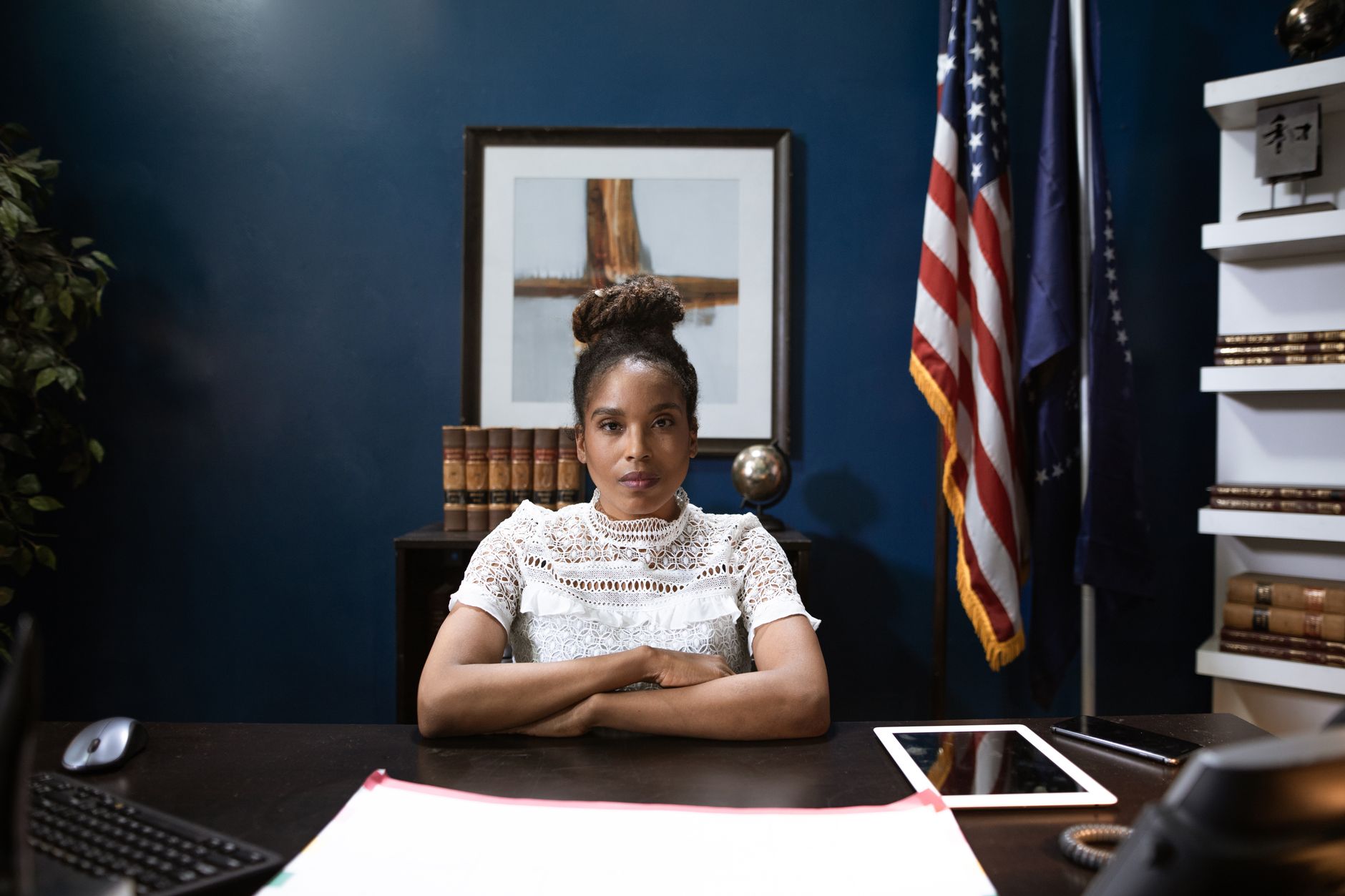
  • Dalit woman leader: What is the Right Response?

    Dalit woman leader: What is the Right Response?

    Dalit woman leader has become a focal point in the ongoing UP Congress row, sparking discussions about representation and leadership within the party.

    Background of the UP Congress Row

    The recent controversy surrounding the Congress party in Uttar Pradesh has brought to light the voice of a prominent Dalit woman leader, who has become a central figure in the ongoing row. This incident highlights the complexities of political dynamics within the party and raises questions about representation and respect.

    At the heart of the issue is a statement made by the Dalit woman leader, which was perceived as a call for accountability and respect among party members. Her assertion, “Aukaat mein baat karo,” which translates to “Speak within your limits,” resonated with many supporters who believe that leadership should reflect the voices and concerns of marginalized communities.

    As discussions unfold, several key points have emerged:

    • The need for greater representation of Dalit voices within mainstream politics.
    • How political parties can address internal conflicts while maintaining unity.
    • Public reactions to the comments made by the Dalit woman leader and their implications for the Congress party’s image.

    This situation serves as a critical reminder of the ongoing challenges faced by Dalit leaders in asserting their rights and demanding respect within political frameworks traditionally dominated by upper-caste individuals. The outcome of this controversy may significantly impact the Congress party’s strategy in Uttar Pradesh moving forward.

    Role of Dalit Women in Politics

    In recent years, the role of Dalit women leaders in politics has gained significant attention. Their influence is increasingly recognized as essential in shaping policies and addressing social justice issues within the framework of the Indian political landscape.

    Dalit women have often faced multiple layers of discrimination, both as members of the Dalit community and as women in a patriarchal society. Their participation in politics not only empowers them but also brings to light the specific challenges faced by their communities. Here are some key aspects of their role:

    • Advocacy for Rights: Dalit women leaders are at the forefront of advocating for the rights and welfare of marginalized communities, ensuring their voices are heard in legislative matters.
    • Breaking Barriers: By entering political spaces traditionally dominated by upper-caste men, these leaders challenge societal norms and inspire future generations of women.
    • Building Alliances: They play a crucial role in forming coalitions with other marginalized groups, fostering solidarity and collective action for social reform.
    • Raising Awareness: Through their political activism, Dalit women leaders highlight issues such as caste discrimination, gender inequality, and economic disparity.

    As the political landscape continues to evolve, the contributions of Dalit woman leaders are becoming increasingly vital in advocating for an inclusive and equitable society.

    Public Reactions to the Controversy

    The recent controversy surrounding the Dalit woman leader has sparked a wave of public reactions, highlighting the complexities of caste and gender dynamics in Indian politics. Many supporters of the leader have taken to social media to express their outrage over the remarks made by political opponents, emphasizing the need for respect and recognition of Dalit women in leadership roles.

    Social media platforms have become a battleground for opinions, with hashtags trending in support of the Dalit woman leader. Advocates argue that such leaders are crucial in representing marginalized communities and challenging systemic inequalities. They emphasize that the remarks made against her are not just an attack on one individual but a broader insult to the Dalit community and women’s empowerment.

    On the other hand, critics of the Dalit woman leader have expressed concerns about her approach and the implications of her statements. Some have labeled her rhetoric as divisive, arguing that it undermines collaborative efforts necessary for political progress in a diverse society.

    As discussions continue, the focus remains on how the political landscape will evolve in response to these events. The public’s reaction underscores the importance of dialogue and understanding, particularly regarding the representation of Dalit women leaders and their pivotal roles in reshaping societal narratives.

    Historical Context of Dalit Leadership

    The historical context of Dalit leadership in India is deeply intertwined with the struggles against social injustice and inequality. Since the early 20th century, Dalit leaders have emerged as crucial figures in the fight for rights and representation. Prominent figures like B.R. Ambedkar paved the way for political awakening among Dalits, advocating for their rights and social upliftment.

    In recent years, the rise of Dalit woman leaders has brought a new dimension to this ongoing struggle. These leaders not only challenge traditional patriarchal norms within their communities but also confront the broader societal issues of caste discrimination. The emergence of a Dalit woman leader in the UP Congress row highlights the critical role that women play in shaping political discourse and advocating for Dalit rights.

    Despite facing systemic barriers, many Dalit woman leaders have managed to carve out a space for themselves in political arenas. Their experiences often reflect the intersectionality of caste and gender, which shapes their political narratives and strategies. The challenges they face are immense, but their resilience continues to inspire many. As the current controversy unfolds, the response to the Dalit woman leader’s statements may set a precedent for future political engagement among Dalit women, marking a significant step towards greater representation and empowerment.

    Implications for the Congress Party

    The recent controversy surrounding the Dalit woman leader has significant implications for the Congress Party, particularly in Uttar Pradesh, where the political landscape is rapidly evolving. As the party strives to regain its foothold in a region dominated by caste dynamics, the Congress must navigate the complexities of representation and identity politics.

    Firstly, the party’s response to the incident reflects its commitment to addressing the concerns of marginalized communities. By standing behind the Dalit woman leader, Congress can strengthen its ties with Dalit voters, who have historically been pivotal in determining electoral outcomes. However, failure to adequately support her could alienate this crucial demographic, leading to further erosion of the party’s base.

    Secondly, the Congress Party faces a challenge in balancing its traditional leadership with the emerging voices of Dalit women. Acknowledging and promoting leaders from these communities could rejuvenate the party’s image and resonate with younger voters looking for representation that reflects their values.

    Moreover, the growing public discourse around caste and gender necessitates a more nuanced approach. The Congress must engage in meaningful dialogue with constituents while crafting policies that address the socio-economic challenges faced by Dalit women. Ultimately, the party’s ability to respond effectively to this situation will determine its relevance and electoral success in the years to come.

    Future of Dalit Representation

    The future of Dalit representation in Indian politics hinges on the ability of leaders to advocate for the rights and empowerment of marginalized communities. As the spotlight shines on the Dalit woman leader at the center of the UP Congress row, her actions and influence may set a precedent for upcoming political movements.

    In recent years, there has been a noticeable increase in the visibility of Dalit leaders, particularly women, who are challenging traditional power dynamics. These leaders often highlight critical issues such as:

    • Access to education
    • Economic opportunities
    • Gender equality
    • Social justice

    As the political landscape evolves, it is essential for parties like the Congress to recognize the significance of Dalit representation. Engaging with and elevating the voices of Dalit women leaders can foster a more inclusive political environment. Moreover, the growing acknowledgment of intersectionality in politics emphasizes the need for diverse leadership that reflects the complexities of Indian society.

    Moving forward, it is crucial for political parties to not only include Dalit women leaders in their ranks but also to ensure that their narratives and experiences shape policy discussions. This commitment will be pivotal in redefining the future of Dalit representation and enhancing the overall democratic fabric of the nation.

    Conclusion on Political Dynamics

    In light of the recent controversy surrounding the Dalit woman leader involved in the UP Congress row, it is evident that the political dynamics are shifting within the Indian political landscape. The intersectionality of caste and gender has become increasingly prominent, highlighting the need for more inclusive leadership. As Dalit women leaders rise to prominence, their voices can no longer be ignored, reshaping traditional power structures.

    The reactions from various political factions emphasize the urgency of addressing the concerns raised by this controversy. Many argue that the dismissive attitudes toward Dalit women in politics reflect deeply entrenched societal biases. The call for recognition and respect, as articulated by the Dalit woman leader, resonates with a broader demand for equity and representation.

    Furthermore, the implications for the Congress party are significant. As public sentiment evolves, the party must adapt its strategies to engage with marginalized communities authentically. The future of Dalit representation hinges on the ability of political entities to embrace diversity and foster environments where leaders from all backgrounds can thrive.

    Ultimately, the dialogue surrounding the Dalit woman leader is not just about one individual; it is indicative of a larger movement. It urges political parties to reassess their values and approaches, ensuring that the voices of all constituents are heard and valued.

    Photo by RDNE Stock project on Pexels

    References

    The Indian Express

    More on this site

    Injured Pant news: What’s the Real Impact on India A? · Are Pro-Trump Ads Worth the $10 Million Investment? · Northern Lights forecast: Best places to see the aurora