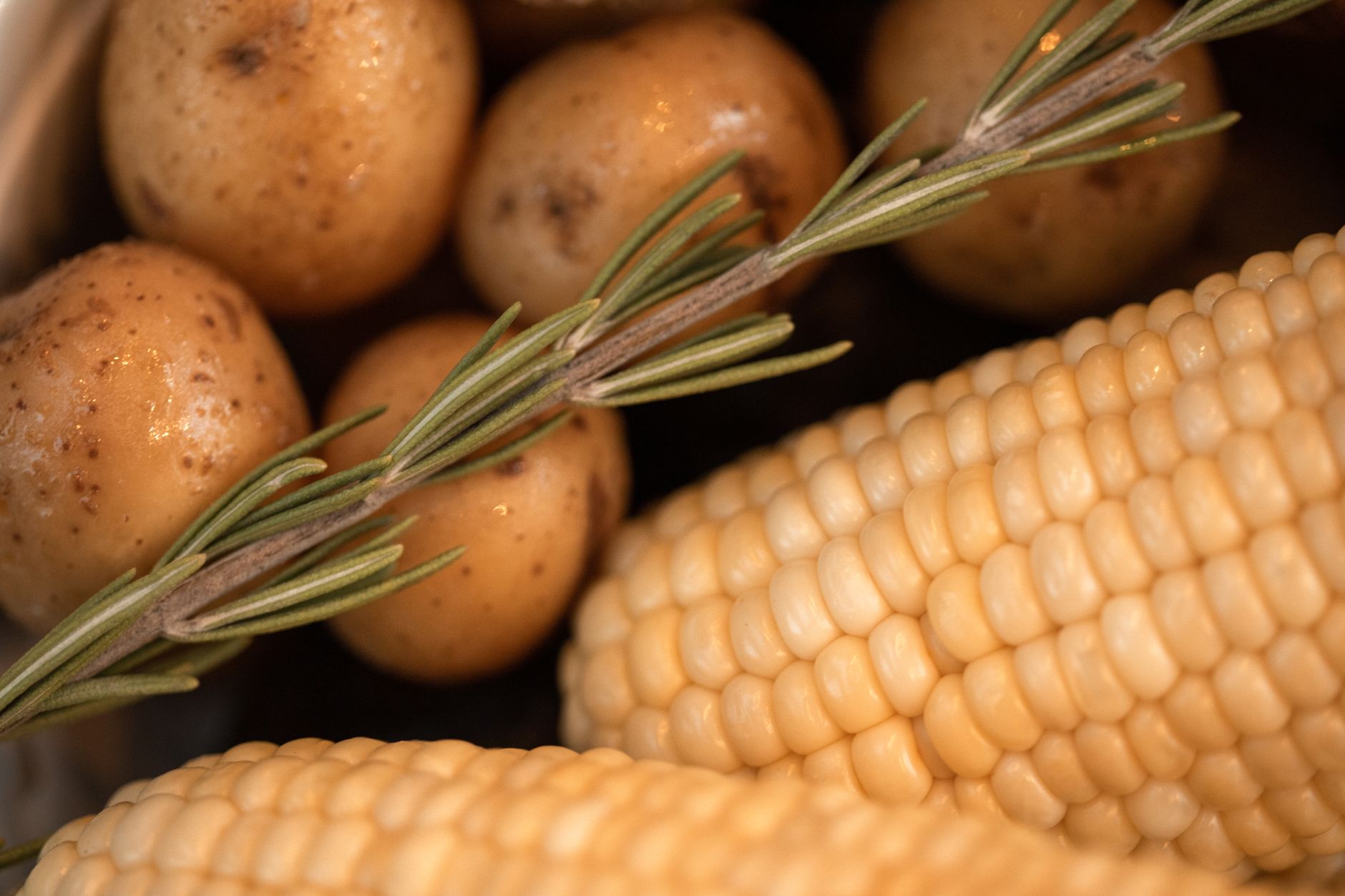
Wet climate corn has been found to thrive in the Mexican highlands, potentially aiding in its crossbreeding with wild grass species.
Understanding Wet Climate Corn
In recent years, the challenges posed by changing weather patterns have prompted researchers to explore the potential of wet climate corn. This type of corn, which thrives in high moisture environments, is gaining attention for its adaptability and resilience in the face of climate variability.
Wet climate corn has several notable benefits for agriculture:
- Increased Yield: Corn varieties developed for wet climates often exhibit higher yields compared to their counterparts in drier regions. This is crucial for farmers aiming to maximize productivity.
- Disease Resistance: Many wet climate corn varieties have been bred to resist common diseases that thrive in humid conditions, reducing the need for chemical interventions.
- Soil Conservation: The deep rooting systems of these corn plants help improve soil structure and prevent erosion, allowing for better water retention and nutrient cycling.
- Crossbreeding Potential: Recent studies suggest that wet climate conditions may have facilitated the crossbreeding of corn with wild grasses in regions like the Mexican highlands, leading to enhanced genetic diversity.
As global climates continue to shift, understanding and harnessing the advantages of wet climate corn could play a pivotal role in ensuring food security and sustainable farming practices in affected regions.
The Role of Climate in Agriculture
The relationship between climate and agriculture is profound, influencing not only the types of crops that can be cultivated but also their yields and resilience. In regions characterized by a wet climate, corn has demonstrated remarkable adaptability, thriving in conditions that may challenge other crops. This adaptability is largely due to the plant’s ability to manage water intake and nutrient absorption effectively.
Wet climate corn varieties have been developed to withstand excessive moisture, making them suitable for areas prone to heavy rainfall. These varieties often showcase several benefits:
- Increased Yield: Corn grown in a wet climate can achieve higher productivity when management practices are optimized.
- Disease Resistance: Wet climate corn is often bred to resist diseases that thrive in humid conditions, reducing crop loss.
- Soil Health Improvement: The extensive root systems of corn help in enhancing soil structure and fertility, promoting a healthier ecosystem.
Moreover, the interaction between corn and its environment is essential for sustainable agriculture. Utilizing wet climate corn can lead to improved crop rotation practices, enhancing biodiversity and reducing the reliance on chemical inputs.
As researchers continue to explore the potential of corn in varying climate conditions, the benefits of cultivating wet climate corn will undoubtedly become more prominent in agricultural discussions.
Crossbreeding with Wild Grass
Recent studies have revealed that the wet climate in certain regions may have played a crucial role in the evolution of corn through crossbreeding with wild grass varieties. This natural hybridization has provided significant advantages for agriculture, particularly in areas characterized by high moisture levels.
Crossbreeding with wild grass has not only enhanced the genetic diversity of corn but also contributed to its resilience against climatic challenges. The wet climate corn that emerges from these genetic interactions tends to exhibit traits that are beneficial for farmers, such as:
- Increased yield: The adaptability of crossbred corn varieties often leads to higher productivity in humid environments.
- Improved disease resistance: Wild grass genes can introduce resistance to pathogens that are more prevalent in wet conditions.
- Enhanced nutrient uptake: Corn that has crossbred with wild grasses may develop better root systems, allowing for greater absorption of water and nutrients.
The implications of these findings suggest that the wet climate not only facilitated the spread of corn into new territories but also fostered the development of more robust varieties. As agricultural practices evolve, understanding the benefits of wet climate corn could be a pivotal factor for future crop development strategies.
Impacts on Biodiversity
The cultivation of corn in wet climates has significant implications for biodiversity, particularly in regions where traditional agricultural practices may threaten native ecosystems. As farmers adapt to wetter conditions, they often explore diverse corn varieties that can thrive in these environments, which can enhance genetic diversity.
One of the key benefits of wet climate corn is its ability to support various organisms in the agricultural landscape. These corn varieties, when integrated into farming systems, provide habitats for numerous species, including:
- Pollinators, such as bees and butterflies, which are crucial for crop production.
- Beneficial insects that help control pests and reduce the need for chemical pesticides.
- Soil microorganisms that improve soil health and nutrient availability.
Furthermore, the adaptation of corn to wetter conditions can lead to the conservation of local plant species, as farmers may implement agroecological practices that promote a richer flora. By crossbreeding with wild grasses, farmers not only enhance the resilience of wet climate corn but also contribute to the preservation of genetic resources that are vital for future agricultural advancements.
In addition, diverse agroecosystems foster resilience against climate change by maintaining ecological balance and ensuring food security. Thus, embracing wet climate corn can yield benefits that extend beyond crop yields, positively impacting biodiversity in agricultural landscapes.
Future of Corn in Changing Climates
The future of corn cultivation in wet climates presents both challenges and opportunities for farmers and researchers alike. As global temperatures rise and precipitation patterns shift, understanding the adaptation of corn varieties to these new conditions becomes increasingly critical.
One significant advantage of wet climate corn is its potential for increased yield in regions previously deemed unsuitable for traditional corn farming. This adaptability can lead to enhanced food security as it allows for more consistent production despite erratic weather patterns. Farmers are already seeing the benefits of utilizing strains that thrive in higher moisture levels, which may help mitigate the adverse effects of climate change.
Furthermore, ongoing research into the genetic traits of wet climate corn is paving the way for innovations in agricultural practices. Some of the promising traits include:
- Improved drought resistance: Breeding programs are focusing on varieties that can withstand dry spells that often follow periods of heavy rainfall.
- Enhanced disease resistance: Wet conditions can foster the growth of pathogens, making it crucial for new strains to resist common diseases.
- Better nutrient utilization: Efficient uptake of soil nutrients can optimize growth, helping farmers achieve higher yields.
In conclusion, as the climate continues to evolve, the development of wet climate corn could be a game changer for sustainable agriculture in the face of changing environmental conditions.
Photo by RDNE Stock project on Pexels