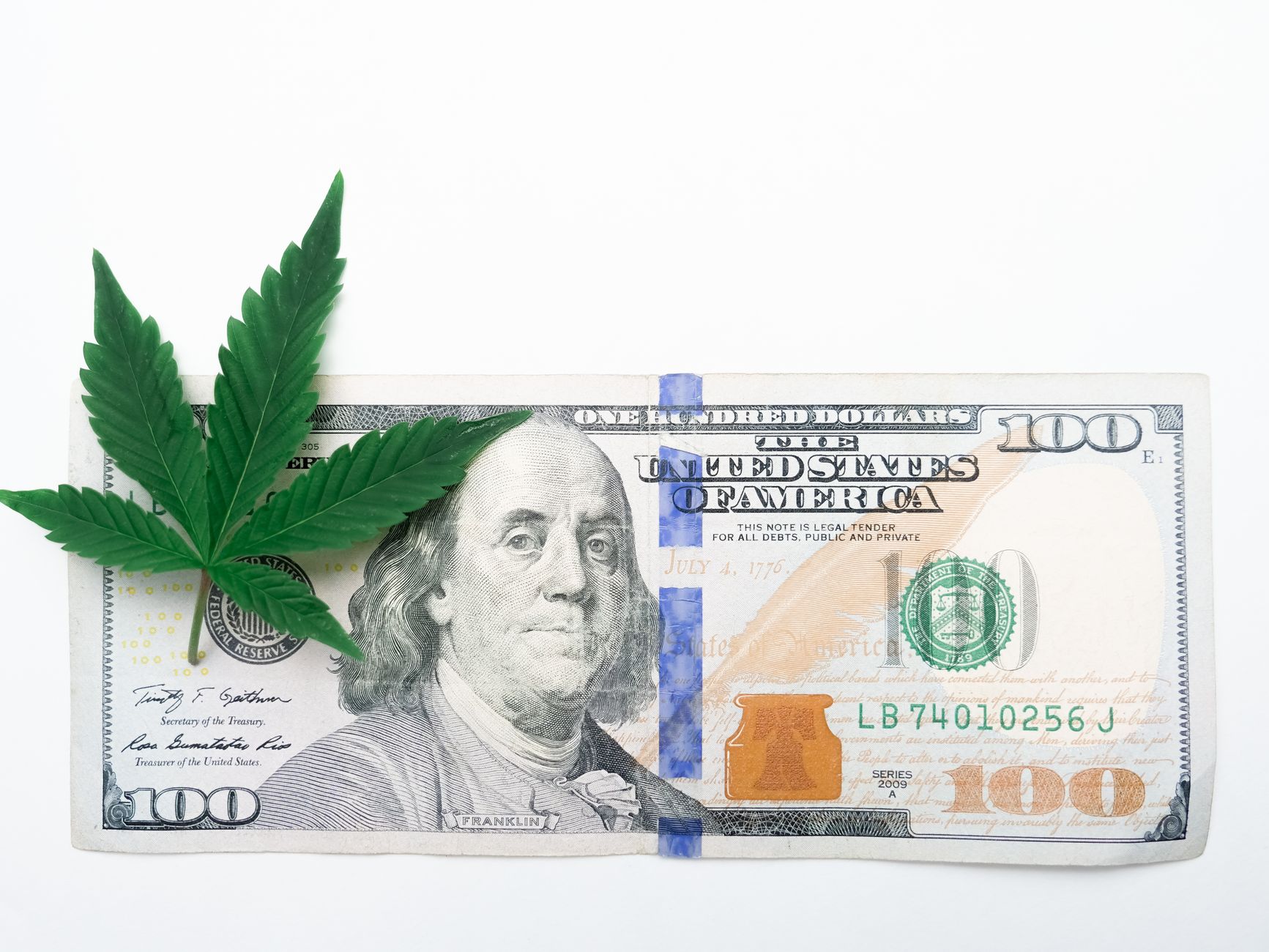
Hemp Ban Phase One is making headlines today as new regulations come into effect. This pivotal moment could change the cannabis industry dramatically.
Understanding the Hemp Ban
The recent implementation of the Hemp Ban Phase One has sparked significant discussions within the cannabis industry. This initial phase targets the regulation of hemp-derived products, leading to potential shifts in market dynamics.
As stakeholders assess the implications, several key areas of concern have emerged:
- Market Disruption: Many businesses that rely on hemp for their products may face challenges in sourcing materials, which could lead to increased prices for consumers.
- Legal Ambiguity: The specifics of the ban are still being clarified, leaving many companies uncertain about compliance and operational adjustments.
- Impact on Innovation: Restrictions could stifle research and development efforts, potentially hindering advancements in hemp-based technologies.
- Consumer Confusion: With changing regulations, consumers may struggle to understand the legality and availability of hemp products in their areas.
Overall, the Hemp Ban Phase One is poised to reshape the landscape of the cannabis industry, necessitating adaptation and resilience among businesses and consumers alike.
Implications for Hemp Producers
The implications of the Hemp Ban Phase One are significant for hemp producers across the country. As regulations tighten, many growers are forced to reevaluate their business practices and sustainability strategies.
Key concerns include:
- Market Access: Producers may face restrictions on selling their products, impacting both domestic and international markets.
- Financial Strain: The increased costs of compliance with new regulations could lead to financial difficulties for smaller farms.
- Crop Viability: Some hemp varieties that were once popular may become less viable due to the ban, forcing producers to adapt or switch crops.
- Innovation Stifling: New product development may slow as companies focus on navigating the regulatory landscape rather than expanding their offerings.
In addition, the Hemp Ban Phase One could lead to a consolidation of the industry, with larger companies potentially buying out struggling smaller producers. This shift may reshape the landscape of the cannabis industry for years to come.
What Consumers Need to Know
The recent implementation of the Hemp Ban Phase One has raised concerns among consumers regarding the availability and legality of hemp-derived products. As regulations tighten, it is essential for consumers to stay informed about the changes affecting their purchasing options.
Here are some key points that consumers need to consider:
- Product Availability: Many hemp-derived products may soon become harder to find, particularly in states that have strict enforcement of the ban.
- Quality Concerns: With the potential for increased black-market activity, consumers should be cautious about the sources of their hemp products to ensure safety and quality.
- Legal Implications: Understanding the legal status of hemp products in your state is crucial, as penalties for possession of banned items could increase.
- Consumer Rights: Advocacy groups are working to protect consumer rights; staying engaged can help influence future regulations.
Being informed is the best way for consumers to navigate the evolving landscape of the cannabis industry during this transition.
Expert Opinions on the Ban
As the Hemp Ban Phase One takes effect, industry experts are weighing in on its potential ramifications for the cannabis sector. Many believe that the ban could stifle innovation and growth within the hemp market, which has seen significant advancements in recent years.
Dr. Emily Carter, a leading cannabis researcher, stated, “This ban not only affects hemp producers but also threatens the entire ecosystem that has developed around hemp-derived products. We risk losing valuable research and development that could benefit both the industry and consumers.”
Furthermore, James Liu, an industry analyst, emphasized the economic consequences: “Hemp Ban Phase One could lead to job losses and decreased revenue for businesses that depend on hemp. This is especially concerning for small enterprises that have invested heavily in hemp production.”
Amidst these concerns, some advocates argue that the ban could lead to a more regulated market, ultimately ensuring safety and quality for consumers. However, the debate continues as stakeholders assess the long-term implications of the ban.
Future of Hemp in the Market
The future of hemp in the market remains uncertain as stakeholders navigate the implications of the Hemp Ban Phase One. This initial phase has prompted a reevaluation of strategies among producers, retailers, and consumers alike. Many industry experts are analyzing potential pathways for adaptation, focusing on innovation and compliance with new regulations.
As the market adjusts, several key factors will influence the future of hemp:
- Consumer Demand: The appetite for hemp-derived products continues to grow, but the ban may limit availability and drive prices up.
- Regulatory Changes: Ongoing discussions among policymakers could lead to further adjustments in regulations, impacting how hemp is cultivated and sold.
- Market Diversification: Producers may look to diversify their offerings, exploring new markets and product lines to stay competitive.
Ultimately, the impact of Hemp Ban Phase One on the cannabis industry will depend on how quickly and effectively stakeholders can adapt to the changing landscape.
Hemp Ban Phase One Explained
The Hemp Ban Phase One represents a significant shift in regulatory measures impacting the cannabis industry. This initial phase aims to address concerns related to the quality and safety of hemp products in the market.
Under this new regulation, several key changes are being implemented:
- Stricter testing requirements: All hemp-derived products must undergo rigorous testing to ensure they meet safety standards.
- Increased oversight: Regulatory bodies will conduct more frequent inspections of hemp production facilities.
- Clear labeling mandates: Producers are required to provide detailed information about their products, including THC content.
These measures aim to protect consumers and promote industry integrity, yet they also pose challenges for producers adapting to the new landscape. As the cannabis sector continues to evolve, the Hemp Ban Phase One serves as a crucial step in establishing a more regulated environment, fostering both confidence and compliance among stakeholders.
Government Response to Industry Concerns
In response to the mounting concerns from industry stakeholders, government officials have outlined their strategy regarding the Hemp Ban Phase One. This initiative has sparked a range of reactions, particularly among producers and consumers who rely on hemp for various applications.
The government emphasized the need for stricter regulations to ensure safety and compliance within the cannabis industry. A spokesperson stated, “We are committed to balancing public health and economic interests, and the Hemp Ban Phase One is a step toward achieving that.”
In light of this announcement, several industry groups have voiced their apprehension. They argue that the ban could lead to unintended consequences, such as job losses and reduced innovation. Key concerns include:
- The potential disruption of supply chains
- Increased costs for consumers
- Challenges in compliance for small businesses
As the government prepares to implement these measures, the industry remains on high alert, anticipating further developments and potential adjustments to the proposed regulations.
Photo by Kindel Media on Pexels