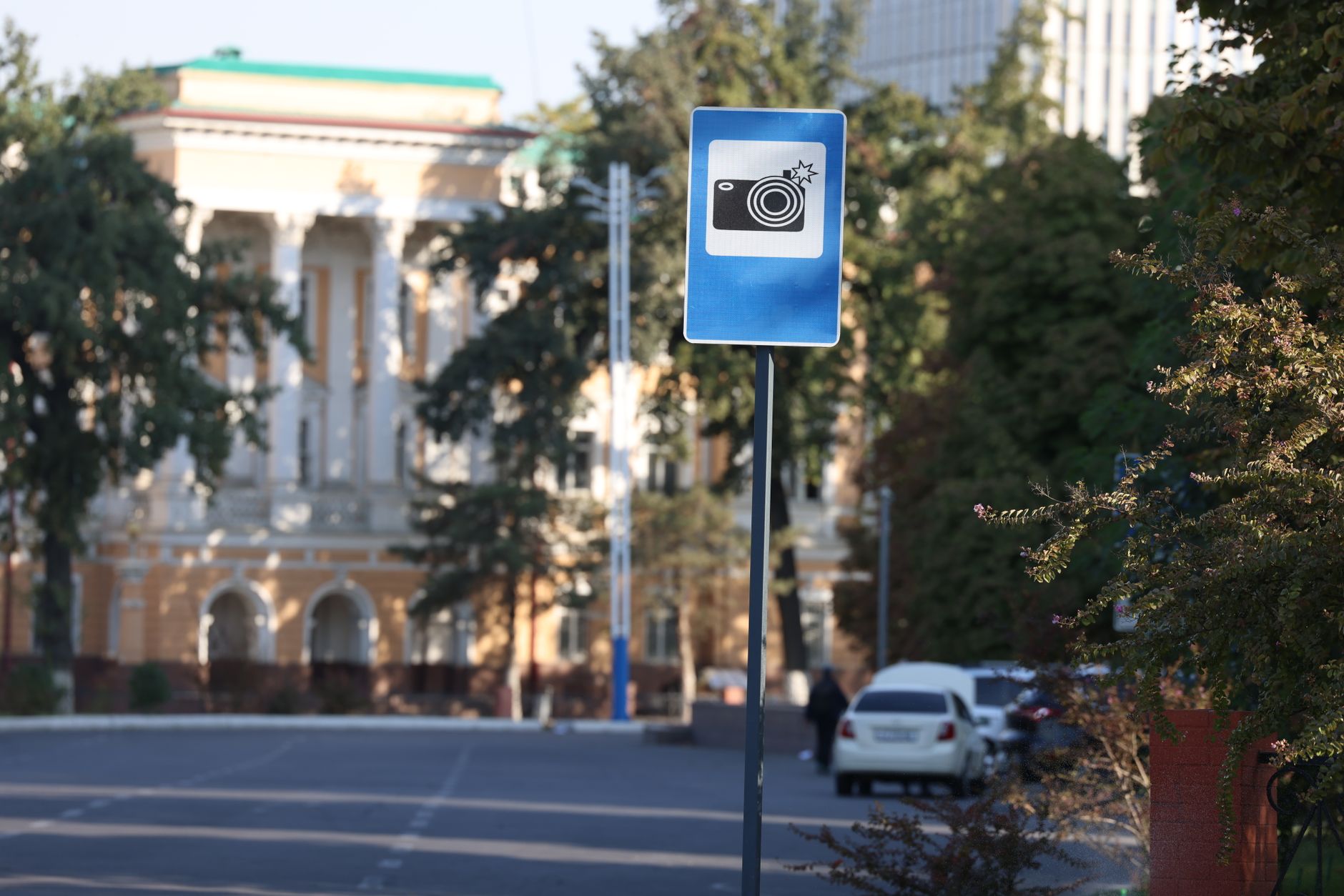
traffic motion radar is a groundbreaking technology that enhances our ability to read motion in traffic scenes. This innovative approach promises to improve safety and efficiency on our roads.
How Does Traffic Motion Radar Work?
Traffic motion radar is a sophisticated technology designed to monitor and analyze the movement of vehicles on the road. It operates by emitting radio waves that bounce off moving objects, such as cars and trucks, and return to the radar system. By measuring the time it takes for the waves to return, the system can determine the speed and distance of the vehicles.
The radar system processes the reflected signals to create a real-time picture of traffic conditions. Its ability to track multiple vehicles simultaneously makes it an invaluable tool for traffic management. Here’s how it works:
- Signal Emission: The radar emits electromagnetic waves at a specific frequency.
- Wave Reflection: These waves hit moving vehicles and reflect back to the radar.
- Data Processing: The system analyzes the returned signals to calculate speed, direction, and distance.
- Traffic Analysis: The collected data can be used to assess traffic patterns, detect congestion, and improve road safety.
Overall, traffic motion radar provides accurate, real-time data that can help enhance safety measures on the roads, making it a critical component in modern traffic management systems.
Benefits of Using Traffic Motion Radar
The use of traffic motion radar technology offers several significant benefits that enhance road safety and traffic management. By accurately detecting vehicle speed and movement patterns, it allows for real-time monitoring of traffic conditions.
Some key advantages include:
- Increased Accuracy: Traffic motion radar systems can provide precise measurements of vehicle speed, reducing the chance of false readings that can occur with traditional methods.
- Real-Time Data: These systems offer immediate feedback to both drivers and traffic management systems, enabling quick responses to changing traffic conditions.
- Enhanced Safety: By identifying high-speed vehicles or erratic driving behavior, traffic motion radar can help law enforcement and traffic agencies take proactive measures to improve safety.
- Cost-Effective Solutions: Traffic motion radar can reduce the need for extensive physical infrastructure, such as speed bumps or additional signage, leading to lower maintenance costs over time.
- Versatility: This technology can be applied in various settings, including urban environments, highways, and construction zones, making it adaptable for different traffic scenarios.
Overall, the adoption of traffic motion radar promises to create safer driving environments and streamline traffic flow.
Challenges in Implementing Traffic Motion Radar
Despite the numerous benefits of traffic motion radar, several challenges hinder its widespread implementation. One major challenge is the cost of installation and maintenance. While the technology has advanced significantly, the initial investment required for purchasing and installing radar systems can be substantial for many municipalities.
Another challenge is integration with existing infrastructure. Many cities have outdated traffic management systems that may not easily accommodate new radar technology. This can lead to complications in data sharing and system compatibility, making it difficult to fully leverage the capabilities of traffic motion radar.
Additionally, there are concerns regarding data privacy. As radar systems collect information about vehicle movements, there is a growing apprehension about how this data is stored and used. Ensuring that data collection complies with privacy laws and regulations is crucial for maintaining public trust.
Finally, there is the issue of public awareness and acceptance. Many drivers may not be familiar with how traffic motion radar works and could misinterpret its presence as an invasive measure. Educating the public about the safety benefits of this technology is essential to garnering support for its implementation.
Future of Traffic Safety Technology
The future of traffic safety technology is poised for significant advancements, with traffic motion radar leading the charge. As urban areas continue to grow, the need for efficient and reliable traffic management systems has never been more critical. Experts believe that integrating traffic motion radar into smart city infrastructures could revolutionize how we monitor and manage road safety.
Emerging technologies, such as artificial intelligence and machine learning, are also expected to enhance the capabilities of traffic motion radar. By processing vast amounts of data in real-time, these systems can predict traffic patterns, identify potential hazards, and even assist in accident prevention. This proactive approach aims to create safer driving conditions for everyone.
Additionally, the collaboration between government agencies and technology companies will play a crucial role in shaping the future of traffic safety. Investment in research and development will lead to innovative solutions that address current challenges and improve the overall effectiveness of traffic motion radar systems.
As we move forward, the integration of traffic motion radar with other technologies, such as connected vehicles and smart infrastructure, will be essential. This holistic approach promises to enhance road safety and pave the way for a future where traffic accidents are significantly reduced.
Photo by Xayriddin Baxromxo’jayev on Pexels