Tag: astronomy

  • Star Common Envelope: The Best Proven Insights Unveiled

    Star Common Envelope: The Best Proven Insights Unveiled

    star common envelope dynamics provide fascinating insights into stellar interactions. This phenomenon showcases the intricate relationship between a star and its giant companion, offering a deeper understanding of cosmic evolution.

    What is a Common Envelope?

    A common envelope is a crucial phase in the evolution of binary star systems. During this phase, one star expands and engulfs its companion, leading to a complex interaction governed by gravitational forces. This process plays a significant role in the formation of various astronomical phenomena.

    The common envelope phase can be described as follows:

    • Inspiration: When a giant star expands, it creates a shared envelope of gas surrounding both stars.
    • Gravitational Interaction: The inner star spirals into the outer star’s envelope, losing energy and angular momentum.
    • Outcome: This interaction can lead to the merger of the two stars or the ejection of the envelope, resulting in a tighter binary system.

    This phenomenon is particularly significant in the study of stellar evolution and the formation of neutron stars and black holes. The insights gained from understanding the star common envelope help astronomers predict the behavior of binary systems and the eventual fate of stars. As research continues, the implications of common envelopes may shed light on the broader mechanics of the universe.

    Understanding Stellar Interactions

    Understanding stellar interactions is crucial to comprehending the dynamics of celestial bodies. When two stars find themselves in close proximity, their gravitational forces can lead to significant phenomena, one of which is the formation of a star common envelope. This event occurs when a massive star begins to lose its outer layers, enveloping a smaller companion within its expanding atmosphere.

    The interactions within this common envelope can be quite complex. Key processes involved include:

    • Mass Transfer: The larger star transfers mass to its companion, altering both stars’ evolution.
    • Orbital Decay: As the stars spiral inward, their orbital distance decreases, leading to a faster inspiral.
    • Energy Generation: The friction generated within the envelope can produce significant energy, impacting the stars’ lifecycle.

    Such interactions are not only fascinating but are also essential for understanding the eventual fate of binary star systems. The study of a star common envelope provides insights into phenomena like supernovae and the formation of neutron stars.

    The Role of Giant Companions

    The role of giant companions in the formation of a star common envelope is pivotal in understanding stellar evolution. These massive companions influence the dynamics of their smaller counterparts, leading to fascinating interactions.

    When a giant star expands during its later stages, it can engulf a smaller companion star, creating a common envelope. This process significantly alters the life cycle of both stars involved. The gravitational pull and mass transfer can result in:

    • Increased luminosity: The interaction often leads to a surge in brightness, making the system more detectable.
    • Orbital decay: The smaller star spirals inward, losing energy through friction with the envelope, which can ultimately lead to the merging of the two stars.
    • Formation of binary systems: In some cases, the common envelope phase can lead to the establishment of a stable binary system after the envelope is ejected.

    These processes not only shed light on individual star systems but also contribute to our broader understanding of galactic evolution and the diverse outcomes of stellar interactions.

    Star Common Envelope Dynamics Explained

    The dynamics of a star common envelope involve complex interactions between a giant star and its companion, leading to intriguing astrophysical phenomena. When a companion star spirals into the outer layers of the giant, the common envelope phase begins, creating a shared environment where significant gravitational forces come into play.

    During this phase, several key processes occur:

    • Energy Transfer: The gravitational energy from the inspiraling star is converted into heat, which can lead to the inflation of the envelope and increase its luminosity.
    • Orbital Decay: As the companion star loses energy due to friction within the envelope, it spirals inward, resulting in a rapid decrease in the orbital separation.
    • Mass Loss: The interaction can trigger mass ejection from the envelope, enriching the surrounding environment with heavy elements.
    • Formation of Binary Systems: The end result of this process may lead to the formation of close binary systems, influencing the evolution of both stars.

    Understanding the dynamics of a star common envelope is crucial for unraveling the mysteries of stellar evolution and the formation of various astronomical objects.

    Photo by https://kaboompics.com/ on Pexels

    References

    You might also like

  • Solar System Future: Chilling Preview of What’s Ahead

    Solar System Future: Chilling Preview of What’s Ahead

    solar system future is a topic that has captivated astronomers as they uncover a chilling preview of what lies ahead for our cosmic home.

    What the Discovery Means for Earth

    The recent discovery by astronomers has significant implications for the solar system future, offering a chilling preview of the changes that lie ahead. Researchers have identified patterns in the movements and activities of celestial bodies that suggest potential shifts in our solar system’s dynamics.

    This discovery could mean:

    • Increased asteroid activity: As gravitational forces evolve, the likelihood of asteroid encounters may rise, posing a threat to Earth.
    • Planetary climate changes: Shifts in the solar system’s configuration could lead to alterations in climate patterns on Earth and other planets.
    • Impact on space exploration: Understanding these future changes is crucial for planning safe and effective missions beyond our planet.

    As we look to the future, it is vital to take these findings into account to prepare for the inevitable transformations in our solar system.

    Key Findings from the Research

    Recent research offers significant insights into the solar system future as astronomers unveil their findings. Among the key discoveries are:

    • Orbital Changes: The study highlights potential shifts in planetary orbits, suggesting that gravitational interactions could alter paths over millennia.
    • Increased Solar Activity: Predictions indicate that the Sun may enter a phase of heightened activity, impacting solar radiation and planetary climates.
    • Potential for Planetary Collisions: The research warns of possible collisions between celestial bodies, which could reshape the solar system.
    • Emerging Moons: Some planets may capture new moons, altering their natural satellites and dynamics.

    As our understanding of the solar system future evolves, these findings could provide crucial insights into the long-term stability and habitability of our cosmic neighborhood.

    Implications for Future Generations

    The implications of recent discoveries about our solar system future are significant for upcoming generations. As astronomers uncover the chilling realities of celestial dynamics, it becomes clear that humanity must adapt to a rapidly changing cosmic landscape.

    Future generations will face challenges that may include:

    • Increased Space Weather Events: The sun’s activity could intensify, impacting satellite communications and power grids on Earth.
    • Long-term Climate Changes: Shifts in solar radiation could affect global climate patterns, necessitating new environmental strategies.
    • Exploration Opportunities: With evolving planetary conditions, the potential for colonization of other celestial bodies may arise, shaping the future of humanity.

    As we look to the solar system future, it is imperative to prepare for these transformations, ensuring sustainability and resilience for those yet to come.

    How Astronomers Made This Discovery

    Astronomers have uncovered a chilling preview of our solar system future through a combination of advanced telescopic technology and innovative modeling techniques. Using the latest space-based observatories, researchers were able to gather extensive data on the movement and composition of celestial bodies within our solar system.

    Key to this discovery was the analysis of gravitational interactions among planets and asteroids, which revealed patterns that suggest significant shifts in our solar system’s dynamics over the coming millennia. These findings were bolstered by simulations that incorporated variables such as solar radiation and the influence of exoplanets in nearby systems.

    Moreover, collaboration among international teams allowed for a comprehensive approach, pooling resources and expertise. As a result, the researchers were able to predict potential scenarios for the future, providing crucial insights into what humanity might expect as the solar system evolves.

    Understanding Cosmic Evolution

    As we delve deeper into understanding cosmic evolution, the implications for our solar system future become increasingly evident. Astronomers have uncovered a variety of phenomena that reveal how celestial bodies evolve over time. These findings highlight key processes, including:

    • Planetary Formation: The birth and development of planets from cosmic dust and gas.
    • Stellar Evolution: The life cycles of stars and their impact on surrounding planets.
    • Galactic Interactions: How gravitational forces between galaxies can lead to significant changes within solar systems.

    By examining these elements, researchers gain insight into the long-term fate of our solar system. The chilling preview of what’s ahead raises important questions about the future of Earth and its neighboring planets, urging humanity to consider its place in this vast and ever-evolving cosmos.

    The Role of Technology in Astronomy

    The advancements in technology play a crucial role in understanding the solar system future. With state-of-the-art telescopes and satellite systems, astronomers can now observe distant celestial bodies with unprecedented detail. These tools not only enhance our knowledge of planetary systems but also help predict potential changes that may affect our own solar system.

    Recent developments in artificial intelligence and data analysis have further revolutionized how researchers interpret astronomical data. Machine learning algorithms can analyze vast amounts of information, identifying patterns that were previously undetectable. This capability allows scientists to make more accurate predictions about cosmic events.

    As we look to the future, the integration of technology in astronomy will be pivotal. It will not only deepen our understanding of the solar system future but also prepare us for any challenges that may arise from cosmic phenomena.

    Public Interest in Space Research

    The excitement surrounding the solar system future has reached new heights as public interest in space research grows. Recent discoveries have sparked curiosity and engagement, encouraging more individuals to look toward the skies.

    Surveys indicate that a significant portion of the population is eager to learn about cosmic phenomena and how they might affect Earth. This increased interest can be attributed to:

    • Educational Initiatives: Schools and organizations are integrating astronomy into their curricula.
    • Media Coverage: Documentaries and articles highlight groundbreaking discoveries and their implications.
    • Community Events: Star-gazing nights and lectures attract enthusiasts of all ages.

    As more people become aware of the solar system future and its potential challenges, public support for space exploration and research is likely to grow, paving the way for advancements in our understanding of the universe.

    Photo by Los Muertos Crew on Pexels

    References

    SciTechDaily · Solar system future

    More on this site

    Jharkhand job aspirants face worst betrayal from government · Ukraine news today: What are the latest updates and insights? · Apple Google outage: Worst services downtime with proven impact

  • Northern Lights forecast: Best places to see the aurora

    Northern Lights forecast: Best places to see the aurora

    Northern Lights forecast indicates that the aurora could be visible from these 10 states on Monday, offering a stunning celestial display for skywatchers.

    What are the Northern Lights?

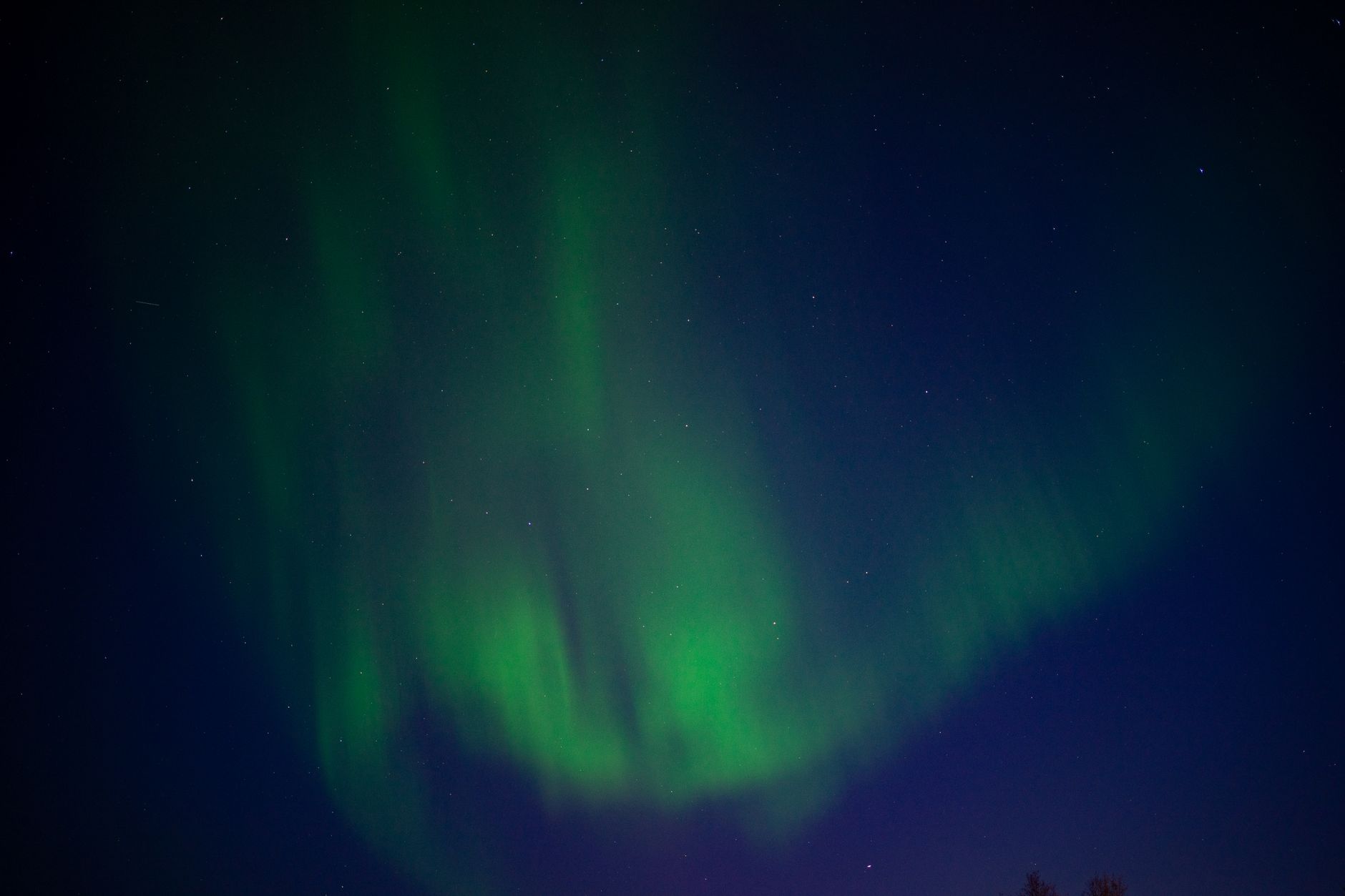
    The Northern Lights, also known as the aurora borealis, are a spectacular natural phenomenon that occurs when charged particles from the sun collide with gases in Earth’s atmosphere. This interaction results in vibrant displays of light that can be seen in the night sky, typically near the polar regions. The colors of the aurora can range from greens and yellows to reds and purples, creating a breathtaking spectacle that draws viewers from around the world.

    The best chances to witness the Northern Lights are during the winter months when nights are longest and skies are darkest. However, they can occur at any time of the year, depending on solar activity. The strength of the aurora is influenced by solar flares and coronal mass ejections, which can enhance the visibility of the lights, making them appear brighter and more colorful.

    For those eager to catch a glimpse, a Northern Lights forecast can be invaluable. It provides information on solar activity and predicts the likelihood of sightings in specific areas. Understanding where and when to look can significantly enhance the chances of experiencing this mesmerizing display.

    In addition to natural beauty, the Northern Lights hold cultural significance for many indigenous peoples, who often incorporate the auroras into their folklore and traditions, further enriching the experience of this stunning celestial event.

    When to see the aurora this week

    This week, the Northern Lights forecast indicates an exciting opportunity for enthusiasts and casual observers alike to witness the spectacular aurora borealis. The best chances to catch a glimpse of this natural phenomenon will occur on Monday night, when conditions align perfectly for visibility in select regions.

    Experts suggest that solar activity is peaking, leading to enhanced auroral displays. Here are some of the best places to see the Northern Lights this week:

    • Alaska: Areas like Fairbanks have consistently been top spots for aurora viewing.
    • Washington: The northern regions are expected to provide clear skies and optimal conditions.
    • Montana: Look towards Glacier National Park for stunning views of the aurora.
    • Maine: The state’s remote areas are perfect for unobstructed views.
    • North Dakota: Clear winter nights make this a prime location for sightings.

    To increase your chances of witnessing the Northern Lights, find a dark spot away from city lights and ensure the skies are clear. The best times to observe are typically between 10 PM and 2 AM. Stay warm and be patient, as the aurora can be unpredictable. Prepare for an unforgettable experience!

    Top 10 states for viewing

    The recent Northern Lights forecast has generated excitement among aurora enthusiasts, highlighting the best locations to witness this stunning natural phenomenon. Here are the top 10 states where you might catch a glimpse of the breathtaking Northern Lights:

    • Alaska – Renowned for its spectacular displays, Alaska offers some of the most consistent views of the aurora.
    • Maine – With dark skies and northern latitude, Maine is a prime spot for seeing the colorful lights.
    • Montana – The wide-open spaces provide unobstructed views of the night sky, making it ideal for aurora sightings.
    • North Dakota – This state frequently experiences clear skies and is a hotspot for aurora activity.
    • Wisconsin – Northern regions of Wisconsin can yield stunning displays of the Northern Lights.
    • Michigan – The Upper Peninsula is known for its excellent visibility of the aurora.
    • Idaho – Less populated areas in Idaho allow for dark nights perfect for viewing the lights.
    • Vermont – Remote locations in Vermont provide great opportunities for aurora watching.
    • New Hampshire – With its serene landscapes, New Hampshire offers enchanting views of the aurora.
    • Washington – While less common, the Northern Lights can occasionally be spotted in the northern parts of the state.

    Tips for observing the Northern Lights

    For those eager to catch a glimpse of the stunning aurora borealis, following a few tips can enhance your chances of witnessing this natural wonder. The Northern Lights forecast can often change, so staying informed is essential.

    • Choose the Right Location: Seek out areas with minimal light pollution. National parks or remote locations are ideal for observing the Northern Lights.
    • Check the Weather: Cloud cover can obstruct your view, so a clear night sky is crucial. Use weather apps to gauge local conditions.
    • Timing is Everything: The best times to view the lights are typically between 10 PM and 2 AM. Plan your outings during these hours for maximum visibility.
    • Dress Appropriately: Temperatures can drop significantly at night, especially in winter. Wear layers to stay warm while you wait for the lights to appear.
    • Be Patient: The Northern Lights are unpredictable. It might take some time before they reveal themselves, so bring snacks and a camera to capture the moment.
    • Use Technology: Download apps that provide real-time alerts on aurora activity. These can help you determine the best times to head out based on the latest Northern Lights forecast.

    By following these tips, you can increase your odds of witnessing the breathtaking display of the aurora borealis.

    How to photograph the aurora

    Capturing the mesmerizing beauty of the Northern Lights can be a rewarding experience for photographers. With the right techniques, you can immortalize this natural wonder in your images.

    First, it’s essential to have the right equipment. A DSLR or mirrorless camera is recommended for its manual settings and the ability to use interchangeable lenses. Additionally, a sturdy tripod is crucial to keep your camera steady during long exposures.

    When planning your shoot, consider these tips:

    • Choose the right location: Find a spot with minimal light pollution to enhance your chances of a great shot. Areas recommended in the Northern Lights forecast should be prioritized.
    • Use a wide aperture: Set your lens to the widest setting (f/2.8 or lower) to allow as much light in as possible.
    • Adjust your ISO: Start with an ISO setting between 800 and 3200. You may need to experiment to find the right balance for your camera.
    • Experiment with exposure times: Start with exposures of 5 to 30 seconds. Too long can lead to overexposure, while too short may not capture the details.
    • Focus manually: Autofocus can struggle in low light. Switch to manual focus and adjust to infinity.

    With practice and patience, you can create stunning photographs of the aurora that capture the magic of this natural phenomenon.

    For those eager to witness this natural spectacle, the Northern Lights forecast can guide travelers to the most promising locations. Always check the Northern Lights forecast before planning your trip to ensure optimal viewing conditions.

    Photo by Oliver Schröder on Pexels

    Where this came from

    Forbes

    Related stories

    S&P 500 updates: Worst week for tech stocks ahead? · Renault Duster Discounts: Save Over Rs 1.5 Lakh Now! · Best Horoscopes: Proven Insights for Your Week Ahead

  • Phoenix planet discovery: The real story behind a star’s ashes

    Phoenix planet discovery: The real story behind a star’s ashes

    The phoenix planet discovery is a groundbreaking finding that showcases how a dying star can give birth to new celestial bodies. This remarkable phenomenon has captured the attention of astronomers worldwide.

    What is a Phoenix Planet?

    The discovery of the so-called Phoenix planet has captivated astronomers and space enthusiasts alike. But what exactly is a Phoenix planet? In simple terms, it refers to a type of exoplanet that emerges from the remnants of a dying star. This phenomenon occurs when a star exhausts its nuclear fuel and undergoes a dramatic transformation, often shedding its outer layers in a spectacular display.

    As the star evolves into a red giant, the intense heat and pressure can lead to the formation of new celestial bodies from the materials it expels. The process is akin to a cosmic rebirth, where the ashes of a star give rise to new planets, hence the name “Phoenix.” This term draws parallels to the mythical bird that rises from its own ashes, symbolizing renewal and transformation.

    Researchers have identified several key characteristics of these intriguing planets:

    • Composition: Phoenix planets are often rich in heavy elements, a result of their formation from stellar debris.
    • Size: They can vary significantly in size, but many are comparable to or larger than Jupiter.
    • Orbit: Their orbits may be unstable, influenced by the remnants of the star they originated from.

    This groundbreaking discovery offers new insights into the life cycle of stars and the formation of planetary systems, opening exciting avenues for further research.

    How Do Stars Die?

    The life cycle of a star is a fascinating process that ultimately leads to its demise. Understanding how stars die is crucial to comprehending the phenomena surrounding the recent phoenix planet discovery. Stars like our sun spend billions of years in a stable state, fusing hydrogen into helium through nuclear fusion. However, once their hydrogen supply is exhausted, their core contracts and heats up, leading to dramatic changes.

    As the core continues to collapse, the outer layers of the star expand and cool, often transforming into a red giant. This stage is marked by intense energy output and the shedding of outer materials into space. The fate of the star at this point can vary:

    • Low-Mass Stars: These stars, such as our sun, will eventually shed their outer layers and leave behind a hot core, known as a white dwarf. The ejected material forms a planetary nebula, enriching the surrounding space with elements.
    • High-Mass Stars: In contrast, larger stars may undergo a supernova explosion, resulting in a neutron star or even a black hole. This explosive death also disperses heavy elements across the cosmos.

    The ashes left behind by these dying stars can serve as the building blocks for new celestial bodies, including the recently discovered phoenix planet, reborn from the remnants of its stellar predecessor.

    The Significance of This Discovery

    The discovery of the so-called phoenix planet holds profound significance for the field of astronomy and our understanding of planetary formation. This unique celestial body emerges from the remnants of a dying star, providing scientists with invaluable insights into the processes that govern the universe.

    One of the most crucial aspects of this discovery is its implications for the life cycle of stars. As stars exhaust their nuclear fuel, they often shed their outer layers, leaving behind a core that eventually cools and forms a variety of remnants, including white dwarfs and neutron stars. The phoenix planet offers a tangible example of how planets can form in the aftermath of such stellar death, challenging long-held beliefs about the conditions necessary for planet formation.

    Additionally, this finding opens up new avenues for research regarding the chemical composition of exoplanets. As the phoenix planet is born from stellar ashes, it carries with it elements forged in the core of its progenitor star, which can help scientists better understand the abundance of heavy elements in the universe.

    Finally, the discovery enhances our quest to find habitable worlds beyond our solar system. By studying the characteristics of the phoenix planet, astronomers can refine their models of planetary environments, leading to a deeper understanding of where life might exist in the cosmos.

    Future Research on Stellar Rebirth

    As scientists continue to unravel the mysteries surrounding the phoenix planet discovery, future research is poised to delve deeper into the processes that govern stellar rebirth. This groundbreaking finding opens a new chapter in our understanding of planetary formation and the lifecycle of stars.

    Upcoming studies will aim to investigate several intriguing questions:

    • What mechanisms allow planets to form in the aftermath of a dying star? Understanding the physical and chemical processes at play will be crucial in shedding light on how these celestial bodies emerge from stellar remnants.
    • How common are phoenix planets in the universe? Determining the prevalence of these planets could redefine our expectations about planetary systems and their origins.
    • What can phoenix planets tell us about the conditions for life? By studying their atmospheres and compositions, researchers hope to uncover clues about the potential for habitability in extreme environments.

    Additionally, advancements in telescope technology and observational methods will enhance our ability to detect and analyze these extraordinary planets. As astronomers refine their tools and techniques, the hope is to locate more phoenix planets and draw connections to their progenitor stars.

    Ultimately, the phoenix planet discovery not only captivates our imagination but also serves as a springboard for future inquiries into the cosmos.

    The phoenix planet discovery has sparked a renewed interest in the potential for life beyond our solar system. Scientists are now examining the implications of the phoenix planet discovery for our understanding of stellar evolution.

    By Grand Canyon NPS via Openverse

    References

    You might also like

  • September equinox India: What makes nights longer this year?

    September equinox India: What makes nights longer this year?

    September equinox India marks a fascinating celestial event where day and night are equal. This phenomenon will lead to longer nights across the country.

    What is the September equinox?

    The September equinox marks a significant astronomical event that occurs twice a year, when day and night are approximately equal in length. This year, in India, the equinox will take place on September 23. During this time, the sun crosses the celestial equator, leading to a fascinating balance between daylight and darkness.

    As the equinox approaches, people in India will experience a gradual shift in their daily routines. The lengthening of nights can be attributed to the tilt of the Earth’s axis and its orbit around the sun. Following the equinox, nights will continue to grow longer until the winter solstice.

    Understanding the September equinox is essential not only for astronomers but also for those interested in the cultural significance it holds across various regions. It is a time that signifies change, marking the transition from the warmth of summer to the cooler months ahead.

    Significance of the equinox in India

    The September equinox holds significant importance in India, marking a transition in the seasons. This event occurs when the sun crosses the celestial equator, resulting in almost equal durations of day and night across the globe. In India, it signifies the onset of the autumn season, leading to changes in weather patterns that affect agriculture and daily life.

    During the September equinox, the country experiences a shift in the balance of daylight and darkness. As the days grow shorter, nights become longer, which is particularly noticeable this year. The cooler temperatures and increased nighttime hours are beneficial for various crops, allowing farmers to prepare for the harvest season.

    Moreover, the September equinox in India is also a time for cultural celebrations and rituals, with many communities taking the opportunity to honor the changing seasons and express gratitude for the harvest. This year, the significance of the September equinox is amplified as people embrace the longer nights and the beauty of nature’s transition.

    How does the equinox affect night duration?

    The September equinox marks a pivotal moment in the annual solar cycle, significantly influencing night duration in India. On this day, the sun crosses the celestial equator, resulting in nearly equal lengths of day and night worldwide. However, the effects extend beyond mere equality.

    As the days grow shorter following the equinox, nights become noticeably longer. This phenomenon occurs because of the tilt of the Earth’s axis and its orbit around the sun. In India, the gradual transition into longer nights begins after September 23. The shift is particularly pronounced in northern regions, where the decrease in daylight hours can be more noticeable.

    Factors contributing to the perception of longer nights include:

    • Geographical location: Different latitudes experience varying changes in day length.
    • Climate: Seasonal weather patterns can enhance the sensation of longer nights.
    • Cultural significance: Many festivals and traditions in India celebrate the onset of longer nights.

    This year, the September equinox will set the stage for a fascinating transition into autumn.

    Cultural celebrations during the equinox

    The September equinox in India marks a time of cultural significance, as various communities celebrate the balance between day and night. This year, as nights begin to lengthen, festivities are observed across the country.

    Several regions host traditional events, including:

    • Navratri: This nine-night festival symbolizes the triumph of good over evil and is celebrated with dance, music, and devotion.
    • Harvest Festivals: Various states celebrate the harvest, with rituals that express gratitude for nature’s bounty and welcome the changing season.
    • Diwali Preparations: As the days shorten, many begin preparations for Diwali, focusing on light and the spiritual significance of overcoming darkness.

    These celebrations during the September equinox reflect the rich tapestry of Indian culture, emphasizing harmony with nature and the changing rhythms of life.

    Historical perspective on the equinox

    The September equinox has held a significant place in history, marking a time when day and night are approximately equal. In India, this phenomenon has been observed for centuries, influencing various cultural and agricultural practices.

    Historically, the equinox was celebrated by ancient civilizations, who used it as a guide for planting and harvesting crops. The changing seasons, heralded by the September equinox, signified a crucial transition in agricultural calendars.

    • The Vedic period: Texts from this era mention the equinox, linking it to rituals and seasonal changes.
    • Festivals: Many regional celebrations in India, such as Navratri, coincide with this time, emphasizing the importance of the equinox.
    • Astronomy: Ancient Indian astronomers meticulously documented the equinox, showcasing their advanced understanding of celestial events.

    This year, as the September equinox occurs, it serves as a reminder of the rich historical connections that continue to shape our understanding of this astronomical event in India.

    Scientific explanation of day and night equality

    The September equinox, which occurs around September 23, marks a significant astronomical event when day and night are nearly equal in duration across the globe. This phenomenon is primarily due to the tilt of the Earth’s axis and its orbit around the Sun. During the equinox, the Sun is positioned directly above the equator, causing sunlight to reach both hemispheres equally.

    As a result, in India, the lengthening of nights begins as the days gradually shorten after the equinox. This shift is attributed to the decreasing angle of sunlight as the Earth continues its orbit, leading to longer periods of darkness. The scientific explanation for this transformation involves:

    • The Earth’s axial tilt of approximately 23.5 degrees.
    • The orbital position of Earth relative to the Sun.
    • The resulting change in solar radiation distribution across the planet.

    These factors contribute to the characteristic lengthening of nights observed during the September equinox in India.

    Impact of equinox on weather patterns

    The September equinox in India brings significant changes to weather patterns across the country. As day and night become nearly equal, several climatic shifts can be observed.

    The transition from the monsoon to the post-monsoon season typically begins around this time. This shift is marked by a decrease in humidity levels and the onset of cooler temperatures, which are welcomed by many.

    • Temperature Changes: With the arrival of autumn, temperatures start to drop, providing relief from the lingering heat of summer.
    • Rainfall Patterns: The September equinox often influences the withdrawal of the southwest monsoon, leading to decreased rainfall.
    • Air Quality: Improved air quality is commonly noted as dust and particulate matter settle with reduced rainfall.

    This year, the September equinox in India not only marks a balance in day and night but also heralds a refreshing change in weather, enhancing the experience of longer nights.

    What to expect after the equinox?

    As the September equinox approaches, India can expect significant changes in night duration. This astronomical event, occurring on September 23, marks the transition into longer nights as days gradually shorten. Following the equinox, several phenomena will become noticeable.

    In the weeks after the September equinox, India will experience:

    • Cooler evenings: With night temperatures dropping, residents can look forward to more pleasant evenings.
    • Increased visibility of stars: Longer nights provide an excellent opportunity for stargazing and observing celestial events.
    • Changes in wildlife behavior: Many animals are affected by the lengthening nights, which can alter their activity patterns.
    • Cultural shifts: Communities may adjust their schedules, embracing evening activities and festivals that celebrate the change in seasons.

    Overall, the September equinox in India heralds a time of transformation, with cultural and natural changes shaping the experience of both day and night.

    The September equinox India marks a significant shift in the balance of day and night across the country. As we approach this celestial event, the nights will gradually become longer, creating a unique experience for many regions in India.

    Photo by John Baker on Pexels

    References

    More on this site

  • Lunar Occultation Event: Easy Tips to See Venus Disappear

    Lunar Occultation Event: Easy Tips to See Venus Disappear

    The lunar occultation event on September 14, 2026, offers a unique opportunity to see Venus disappear behind the Moon. This rare occurrence promises to be a spectacular sight for stargazers.

    What is a lunar occultation?

    A lunar occultation event occurs when the Moon passes in front of a celestial object, temporarily obscuring it from view. This fascinating astronomical phenomenon can happen with various objects, including stars and planets. One of the most captivating instances is when bright planets like Venus are involved.

    During a lunar occultation, observers on Earth may see the object disappear behind the Moon’s silhouette and then reappear after a short period. The duration of the disappearance varies depending on the size of the Moon and the distance of the object being obscured. For instance, when Venus disappears behind the Moon, it creates a stunning visual display that captures the attention of stargazers.

    To witness a lunar occultation, certain conditions need to be met:

    • Clear Skies: A lack of clouds is essential for optimal viewing.
    • Right Timing: Accurate timing of the event is crucial, as the disappearance and reappearance happen quickly.
    • Location: Being in a spot with minimal light pollution will enhance visibility.

    Those who plan ahead can experience the wonder of a lunar occultation event, making it a rewarding experience for both amateur and seasoned astronomers alike.

    When to see the lunar occultation

    The upcoming lunar occultation event is set to take place on 14 September 2026, providing a unique opportunity for skywatchers to witness Venus disappearing behind the Moon. This astronomical phenomenon will be visible in various locations around the world, making it an exciting moment for both amateur astronomers and casual stargazers alike.

    To enhance your viewing experience, consider the following tips:

    • Timing is crucial: The event will begin shortly after sunset, so make sure to arrive at your viewing spot early to set up your equipment.
    • Find a clear location: Look for a place with minimal light pollution and an unobstructed view of the horizon to maximize your chances of seeing the lunar occultation.
    • Use binoculars or a telescope: While Venus will be visible to the naked eye, using binoculars or a telescope can enhance the experience and detail of the event.
    • Check local weather conditions: Ensure that the skies are clear on the day of the event to avoid clouds obscuring your view.
    • Join a local astronomy group: Engaging with fellow enthusiasts can provide valuable insights and tips for the best viewing experience.

    With the right preparation, you will be able to witness this spectacular lunar occultation event and enjoy the wonder of the cosmos.

    Best viewing locations

    For those eager to witness the lunar occultation event where Venus will disappear behind the Moon, selecting the right viewing location is crucial for an optimal experience. Here are some suggestions to help you find the best spots:

    • Open Areas: Seek out parks, fields, or open spaces away from city lights. These locations provide an unobstructed view of the sky and enhance visibility.
    • High Elevations: Consider heading to a hilltop or a mountain. Higher elevations can reduce atmospheric interference and offer a clearer view of the celestial event.
    • Clear Skies: Monitor local weather reports ahead of the event. Choose a location that is forecasted to have clear skies for the best chance to see the lunar occultation event.
    • Dark Sky Sites: Look for designated dark sky reserves or places with minimal light pollution. These areas are ideal for stargazing and will allow you to see Venus’s disappearance more vividly.
    • Community Events: Check for local astronomy clubs or observatories that may host viewing events. They often provide telescopes and expert guidance to enhance your experience.

    By carefully selecting your viewing location, you can ensure that you have an unforgettable experience during this remarkable lunar occultation event.

    How to prepare for the event

    As the highly anticipated lunar occultation event approaches, it’s essential to prepare adequately to ensure you don’t miss the enchanting sight of Venus disappearing behind the Moon. Here are some helpful tips to enhance your viewing experience:

    • Choose the right location: Find a spot with minimal light pollution. Parks or open fields away from city lights can provide a clearer view of the sky.
    • Check the weather: Clear skies are crucial for observing the lunar occultation. Monitor weather forecasts leading up to the event to select the best day for viewing.
    • Gather your equipment: While the event can be enjoyed with the naked eye, binoculars or a telescope will offer a closer look at Venus and the Moon. Consider using a tripod for stability if you plan to take photos.
    • Timing is key: Be aware of the exact time for the occultation. Setting reminders can help ensure you’re ready to witness the moment when Venus disappears.
    • Invite friends or family: Sharing this celestial experience can enhance the excitement. Organize a small gathering to enjoy the event together.

    By following these tips, you can make the most of the lunar occultation event and create lasting memories while witnessing this astronomical phenomenon.

    Safety tips for stargazing

    As you prepare to witness the lunar occultation event where Venus will disappear behind the Moon, keeping safety in mind is crucial for an enjoyable stargazing experience. Here are some helpful tips to ensure you make the most of this celestial phenomenon:

    • Use appropriate eye protection: While the lunar occultation itself does not pose a threat to your eyesight, it’s wise to avoid looking directly at the Sun during the day if you’re out beforehand. Use eclipse glasses or solar viewers if you plan to observe any daytime celestial events leading up to the evening.
    • Choose a safe viewing location: Find a spot that is away from bright lights and obstructions like trees or buildings. Being in a dark area will enhance your visibility of the Moon and Venus, making the experience more rewarding.
    • Bring a star chart or app: Familiarize yourself with the night sky using a star chart or a stargazing app. This will help you locate Venus and the Moon more easily, ensuring you don’t miss the exciting moment of the occultation.
    • Dress appropriately: Depending on the time of year, it can get chilly at night. Dress in layers and bring blankets or chairs for comfort as you wait for the event.

    With these safety tips in mind, you’ll be ready to enjoy the stunning lunar occultation event and the magic of the night sky.

    Historical significance of lunar occultations

    The phenomenon of lunar occultation events has captivated astronomers and stargazers for centuries. These events occur when the Moon passes in front of a celestial body, obscuring it from our view. Historically, lunar occultations have been significant for several reasons.

    • Cultural Impact: Many ancient civilizations viewed lunar occultations as omens or messages from the gods. The disappearance of bright planets like Venus was often interpreted as a sign of impending change.
    • Astronomical Discoveries: Lunar occultations have played a crucial role in advancing our understanding of the solar system. Observations made during these events have helped scientists measure the size and distance of celestial bodies, leading to discoveries about their physical characteristics.
    • Timekeeping: Before the advent of modern timekeeping, lunar occultations were used by astronomers to develop more accurate calendars. By tracking these events, they could predict the positions of celestial bodies, which was vital for navigation and agriculture.
    • Public Engagement: Events like the upcoming lunar occultation are opportunities for public engagement in astronomy. They encourage individuals to look up and appreciate the wonders of the night sky, fostering a deeper connection with the universe.

    As we prepare for the lunar occultation event featuring Venus, it’s a chance to reflect on the rich history and significance of such occurrences in our understanding of the cosmos.

    What to expect during the event

    During the upcoming lunar occultation event, stargazers can anticipate a captivating celestial display as Venus gradually disappears behind the Moon. This phenomenon occurs when the Moon passes in front of the planet, blocking it from view for a brief period. Here are some key points to keep in mind:

    • Timing: The event will unfold over a short span, so be prepared to observe the precise moment Venus begins to fade away.
    • Visibility: Depending on your location, the clarity of the event may vary. Areas with minimal light pollution will enhance your experience.
    • Equipment: While the event can be enjoyed with the naked eye, using binoculars or a telescope can provide an even more spectacular view.
    • Weather Conditions: Cloud cover can obstruct your view, so monitor weather forecasts leading up to the event. Clear skies will offer the best visibility.
    • Photography: If you plan to capture the moment, practice beforehand. Long exposure settings can help you photograph the transition effectively.

    As the lunar occultation progresses, the changing position of Venus will provide a unique opportunity to witness the intricate dance between celestial bodies. Don’t miss the chance to experience this astronomical event firsthand!

    Post-event observations

    After the lunar occultation event occurs, skywatchers have the opportunity to observe Venus as it re-emerges from behind the Moon. This phase can be just as captivating as the disappearance, providing a unique chance to see the planet’s brightness returning to the night sky.

    To enhance your post-event observations, consider the following tips:

    • Timing is crucial: Be prepared to look for Venus shortly after it reappears. The timing can vary based on your location, so check local astronomical resources for precise timings.
    • Use binoculars or a telescope: While Venus will be visible to the naked eye, using binoculars or a telescope can enhance the experience, allowing you to see details that are otherwise missed.
    • Observe the surroundings: Take a moment to notice the Moon’s position relative to Venus and other celestial objects. This can create a stunning visual tableau in the night sky.
    • Join a community: Engaging with local astronomy clubs or online forums can enrich your post-event experience. Share your observations and tips with fellow enthusiasts.

    Documenting your experience during this lunar occultation event can also provide valuable insights for future observations. Whether through photography or notes, capturing this celestial event can contribute to your understanding of the night sky.

    During the lunar occultation event, it is essential to find a location with minimal light pollution for the best viewing experience. Additionally, planning ahead can enhance your enjoyment of this lunar occultation event, allowing you to fully appreciate the beauty of the night sky.

    Photo by Tom Swinnen on Pexels

    Sources

    BBC Sky at Night Magazine · Lunar occultation of Venus

    Related reading

    Is the Apple iPhone Duo the Best Smartphone for 2023? · Stock futures update: Worst session with proven insights · Air quality after 9/11: Proven evidence reveals dangers