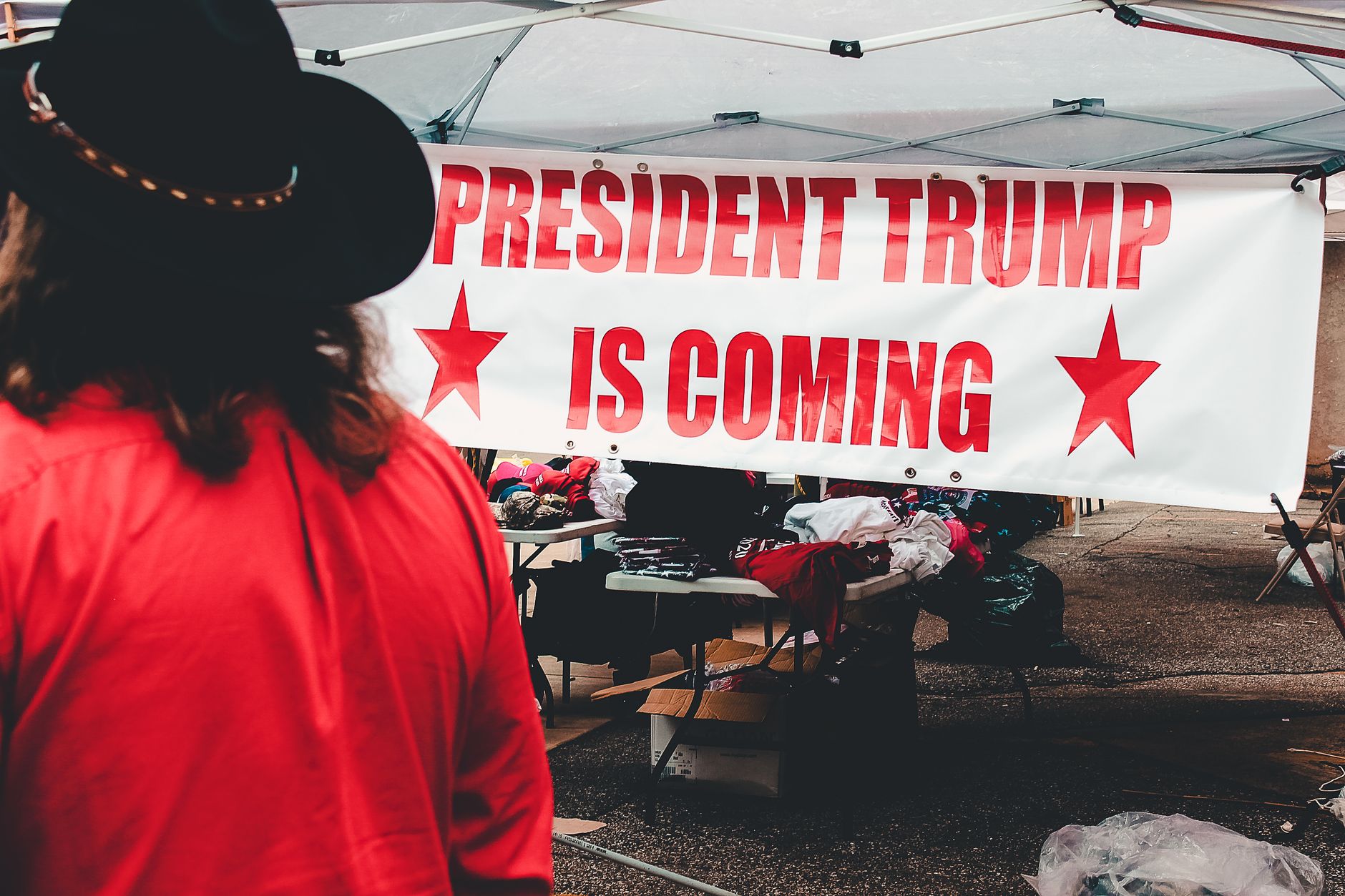
Pro-Trump ads have become a significant topic of discussion following the government’s recent $10 million expenditure. This investment raises questions about the effectiveness and implications of such political advertising.
Understanding the Cost of Political Advertising
The landscape of political advertising is constantly evolving, with parties and candidates seeking innovative ways to engage voters. Recently, the government allocated $10 million toward pro-Trump ads, a significant investment that raises questions about the effectiveness of such expenditures.
Understanding the cost of political advertising involves analyzing several factors:
- Target Audience: Identifying and reaching the right demographic can significantly influence the success of an ad campaign.
- Media Channels: The choice of platforms, such as television, online, or social media, impacts overall costs and outreach.
- Creative Production: High-quality content can require substantial resources, contributing to the overall investment.
- Timing: Strategic placement of ads during critical periods can amplify their effectiveness.
Ultimately, the question remains: are these pro-Trump ads worth the hefty investment?
The Impact of Super PAC Funding
The recent investment of $10 million in pro-Trump ads has sparked discussions about the effectiveness of such funding. Super PACs, which are known for their ability to raise unlimited funds, play a crucial role in shaping political narratives. With this significant financial backing, questions arise regarding the impact on voter sentiment and election outcomes.
Supporters argue that pro-Trump ads can effectively mobilize the base and sway undecided voters. However, critics caution that the saturation of political advertisements may lead to voter fatigue. The following points illustrate the potential consequences of super PAC funding:
- Increased Visibility: Pro-Trump ads can enhance the candidate’s visibility in key demographics.
- Voter Engagement: Targeted ads may increase engagement among supporters.
- Polarization: Excessive funding can deepen political divides among the electorate.
Ultimately, the true worth of such an investment remains to be seen as the election approaches.
Are Pro-Trump Ads Effective?
As the political landscape shifts, the effectiveness of pro-Trump ads remains a topic of debate among analysts and campaign strategists. Many argue that the substantial investment of $10 million in these advertisements could yield significant returns in voter engagement and support.
However, the success of pro-Trump ads often hinges on specific factors, including:
- Target Audience: Ads must resonate with key demographics to maximize impact.
- Message Clarity: A clear and compelling message can enhance viewer retention and response.
- Medium of Distribution: The platforms used to disseminate the ads play a critical role in their reach and effectiveness.
Ultimately, while the financial commitment is substantial, the potential for these pro-Trump ads to sway public opinion and mobilize supporters cannot be underestimated.
Government Spending on Campaigns
The recent decision by the government to allocate $10 million towards pro-Trump ads has raised questions about the implications of such spending on political campaigns. Critics argue that this significant investment could be better utilized in areas such as education and healthcare, rather than funding political advertising. Moreover, the effectiveness of pro-Trump ads remains a topic of debate, as some believe that these advertisements may not resonate with all voter demographics.
Supporters of the ads contend that they play a crucial role in shaping public opinion and maintaining the president’s visibility. They argue that the rapid dissemination of pro-Trump content can galvanize support among his base. However, it raises ethical concerns regarding the use of taxpayer money for political purposes.
Ultimately, the decision to invest in pro-Trump ads reflects a complex intersection of government spending and political strategy.
Public Reaction to Political Ads
Public reaction to the recent investment of $10 million in pro-Trump ads has been mixed, reflecting the polarized political climate. Supporters of the ads argue that they are essential for rallying the base and countering opposition narratives. They believe that such financial commitments highlight the ongoing support for the former president and his policies.
Conversely, critics question the effectiveness and ethics of spending such a substantial amount on political advertising. Many feel that these pro-Trump ads could be better utilized in addressing pressing social issues or local needs.
Moreover, some analysts note that the saturation of pro-Trump ads may lead to viewer fatigue, diminishing their overall impact. As the election approaches, the debate continues over whether this hefty expenditure will translate into tangible electoral gains or simply add to the already contentious political landscape.
The Role of Media in Politics
The landscape of modern politics has been significantly shaped by media, where the strategic use of advertising can influence public perception and voter behavior. In recent elections, pro-Trump ads have emerged as a powerful tool for mobilizing support and reinforcing party loyalty.
Political campaigns increasingly rely on media to convey their messages effectively, often utilizing various platforms to reach diverse audiences. The rise of social media has amplified the reach of pro-Trump ads, allowing them to penetrate demographics that traditional media might overlook.
Moreover, the intertwining of media and politics has raised questions about the credibility of information being disseminated. Voters must navigate a complex media environment where advertisements can blur the lines between fact and opinion.
Ultimately, the investment in pro-Trump ads reflects a broader trend of leveraging media power to sway electoral outcomes, making it a critical component of contemporary political strategy.
Analyzing the Future of Political Advertising
The landscape of political advertising is rapidly evolving, and the hefty $10 million investment in pro-Trump ads raises important questions about its future. As candidates increasingly rely on digital platforms, traditional advertising methods may become less effective.
Experts suggest that the success of these ads hinges on several factors:
- Target Audience: Identifying and reaching the right demographic is crucial for maximizing impact.
- Message Clarity: Clear and concise messaging can enhance engagement and resonate with voters.
- Ad Placement: Strategic placement on various media platforms can increase visibility and effectiveness.
- Response Measurement: Analyzing viewer responses will provide insights into the effectiveness of the campaign.
As the political climate shifts, the approach to pro-Trump ads must also adapt to ensure a worthwhile return on investment.
Photo by Rosemary Ketchum on Pexels