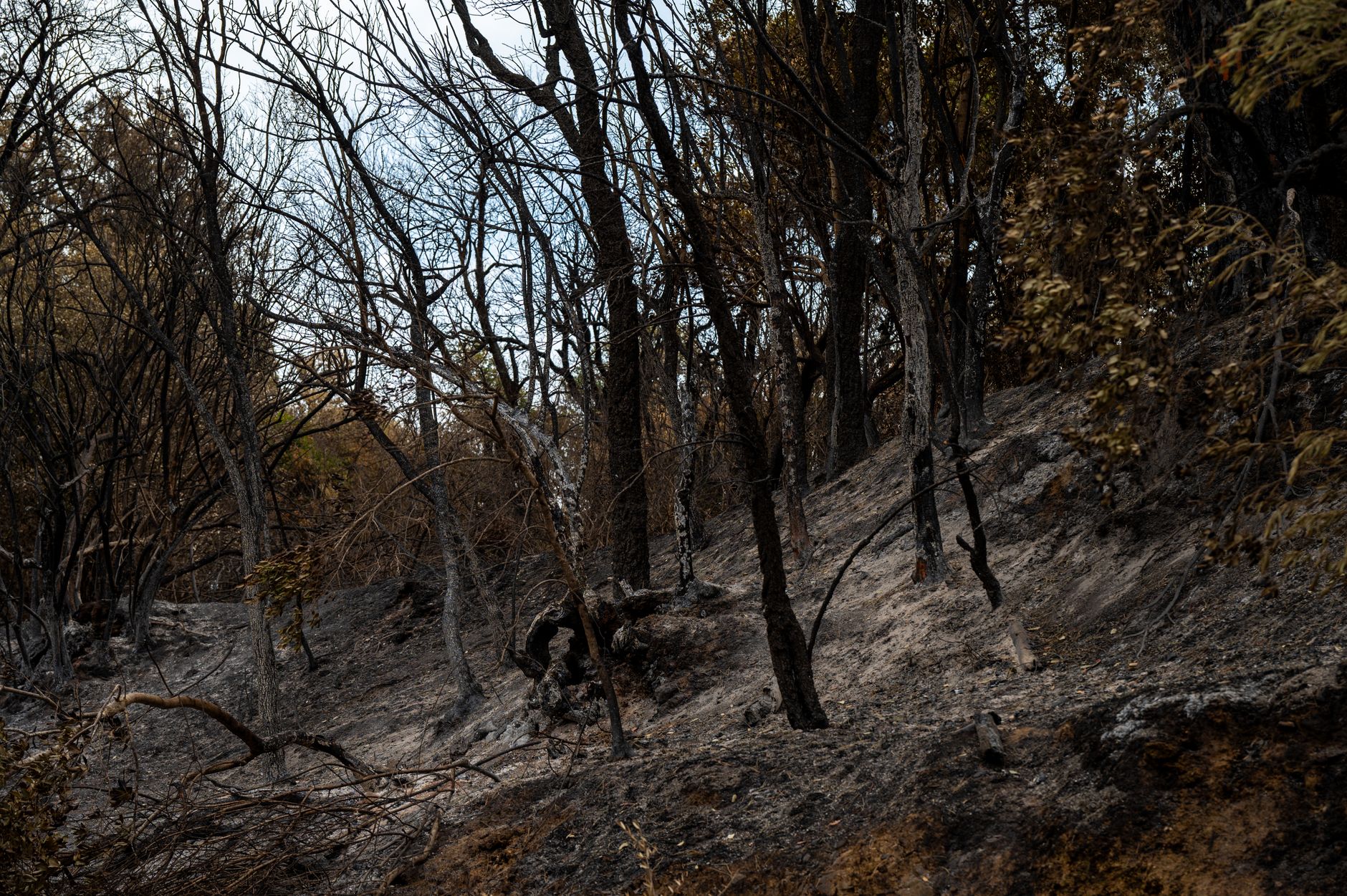
The Burnett Gulch fire remains small with 20% containment, according to reports from local authorities. Firefighters are actively working to manage the situation and prevent further spread.
Current Status of the Burnett Gulch Fire
The Burnett Gulch fire, located north of Lyons, has shown promising progress in its containment efforts. As of the latest reports, the fire is currently at 20% containment, with firefighting teams working diligently to secure the area. While the fire remains relatively small, the situation is being closely monitored due to the potential for unpredictable weather conditions.
Fire officials have outlined several factors contributing to the containment success:
- Cooperation from local agencies: Various firefighting teams are collaborating to implement effective strategies.
- Weather conditions: Cooler temperatures and higher humidity levels have aided in reducing fire activity.
- Preventative measures: Fire crews are actively clearing brush and creating firebreaks to limit the spread.
While the Burnett Gulch fire is under control, residents are advised to remain vigilant and stay informed about any updates or evacuation orders as conditions may change rapidly.
Firefighting Efforts Underway
Firefighting efforts are currently underway to combat the Burnett Gulch fire, which has sparked concern among residents north of Lyons. Teams are working diligently to increase containment levels, which currently stand at 20%. The fire has been relatively small, but dry conditions and varying winds have posed challenges for crews on the ground.
According to officials, several strategies are being implemented:
- Ground Crews: Firefighters are actively creating fire lines to prevent further spread.
- Aerial Support: Helicopters and planes are being utilized to drop water and retardant on the most active sections of the fire.
- Community Coordination: Local agencies are working closely with residents to keep them informed and safe.
The situation remains fluid, and authorities urge the public to stay vigilant as they monitor the Burnett Gulch fire and its impact on the surrounding area.
Impact on Local Communities
The Burnett Gulch fire has significantly impacted local communities, prompting evacuations and heightened awareness among residents. As firefighting efforts continue, many families are on alert, closely monitoring the evolving situation.
Local officials have implemented several measures to ensure community safety, including:
- Evacuation Orders: Residents in the immediate vicinity of the fire have been advised to evacuate to safer areas.
- Community Meetings: Authorities are holding regular briefings to keep residents informed about the fire’s status and safety precautions.
- Resource Distribution: Local organizations are providing support, including food and shelter for evacuees.
Despite the current 20% containment of the Burnett Gulch fire, the uncertainty of changing weather conditions raises concerns. Community members are urged to stay vigilant, follow official guidance, and remain prepared for any further developments.
Weather Conditions Affecting Fire
Weather conditions have played a crucial role in the progression of the Burnett Gulch fire. In recent days, the region has experienced fluctuating temperatures and varying humidity levels that have impacted containment efforts.
Firefighters are closely monitoring the following weather factors:
- Wind Speed: High winds can rapidly spread flames, making it challenging for crews to maintain control.
- Humidity Levels: Low humidity can dry out vegetation, increasing the fire’s intensity and making suppression efforts more difficult.
- Temperature: Elevated temperatures contribute to the fire’s potential growth and the stress on firefighting personnel.
As the Burnett Gulch fire continues to burn, meteorologists are predicting a shift in weather patterns that may bring cooler temperatures and possible rain. Such changes could significantly aid in containment efforts and provide some relief to the dedicated teams working tirelessly on the ground.
Safety Precautions for Residents
As the Burnett Gulch fire continues to be monitored, local authorities are emphasizing the importance of safety precautions for residents in the surrounding areas. With the fire currently at 20% containment, it is crucial for individuals to remain vigilant and prepared.
- Stay Informed: Residents should regularly check updates from local news and official fire management agencies to stay aware of any changes in containment status.
- Create an Evacuation Plan: Families should have a clear evacuation plan in place, including designated meeting points and emergency contacts.
- Prepare an Emergency Kit: Essential items such as water, non-perishable food, and medical supplies should be readily available.
- Clear Surrounding Areas: Homeowners are advised to maintain defensible space by clearing flammable materials within at least 30 feet of their property.
By following these guidelines, residents can better protect themselves and their homes as the situation with the Burnett Gulch fire evolves.
Historical Context of Wildfires in Colorado
Wildfires have long been a significant concern in Colorado, with the Burnett Gulch fire serving as a reminder of the state’s ongoing battle with these natural disasters. Historically, Colorado has experienced devastating wildfires, particularly during the dry summer months when conditions are ripe for outbreaks. Since the early 2000s, the state has seen an increase in both the frequency and severity of wildfires, driven by factors such as climate change, drought, and forest management practices.
Notable past incidents, like the Hayman Fire in 2002 and the Waldo Canyon Fire in 2012, highlight the escalating challenge of wildfires in the region. These events have forced local governments to adapt their emergency response strategies and invest in firefighting resources. Furthermore, the evolving landscape of wildfires has sparked discussions about the need for stronger community preparedness and education on fire safety.
The Burnett Gulch fire exemplifies these challenges, as residents reflect on the lessons learned from historical fires to bolster their resilience against future threats.
Future Outlook for the Burnett Gulch Fire
As the Burnett Gulch fire continues to be a concern for local residents, the outlook for the coming days remains cautiously optimistic. With current containment efforts at 20%, firefighters are implementing strategic plans to increase this percentage, taking advantage of favorable weather conditions.
Experts predict that if temperatures remain moderate and humidity levels rise, there could be a significant reduction in fire activity. However, they caution that unpredictable weather patterns could still pose challenges. Local authorities emphasize the importance of staying informed and prepared as the situation evolves.
In addition, community resources are being mobilized to support residents affected by the fire. Emergency services are prepared to assist with evacuation plans if necessary, and residents are encouraged to follow safety protocols. Engagement with local fire management teams will be vital in ensuring a coordinated response as the fire continues to be monitored.
Overall, the future outlook for the Burnett Gulch fire hinges on both weather developments and the effectiveness of ongoing firefighting efforts.
Resources for Fire Information
As the Burnett Gulch fire continues to burn north of Lyons, accurate information is crucial for residents and concerned citizens. Several resources are available to stay updated on the latest developments regarding the fire’s containment and safety measures.
Local officials recommend the following resources:
- Colorado Division of Fire Prevention and Control: A reliable source for official updates and firefighting resources.
- InciWeb: This incident information system provides real-time updates on fire incidents, including the Burnett Gulch fire.
- Local News Outlets: Stay informed through local news websites and broadcasts for community-specific information and safety alerts.
- Social Media: Follow local fire departments and emergency services on platforms like Twitter and Facebook for immediate updates.
Residents are encouraged to utilize these resources to remain informed and prepared as the situation evolves.
Photo by Christian Palau on Pexels