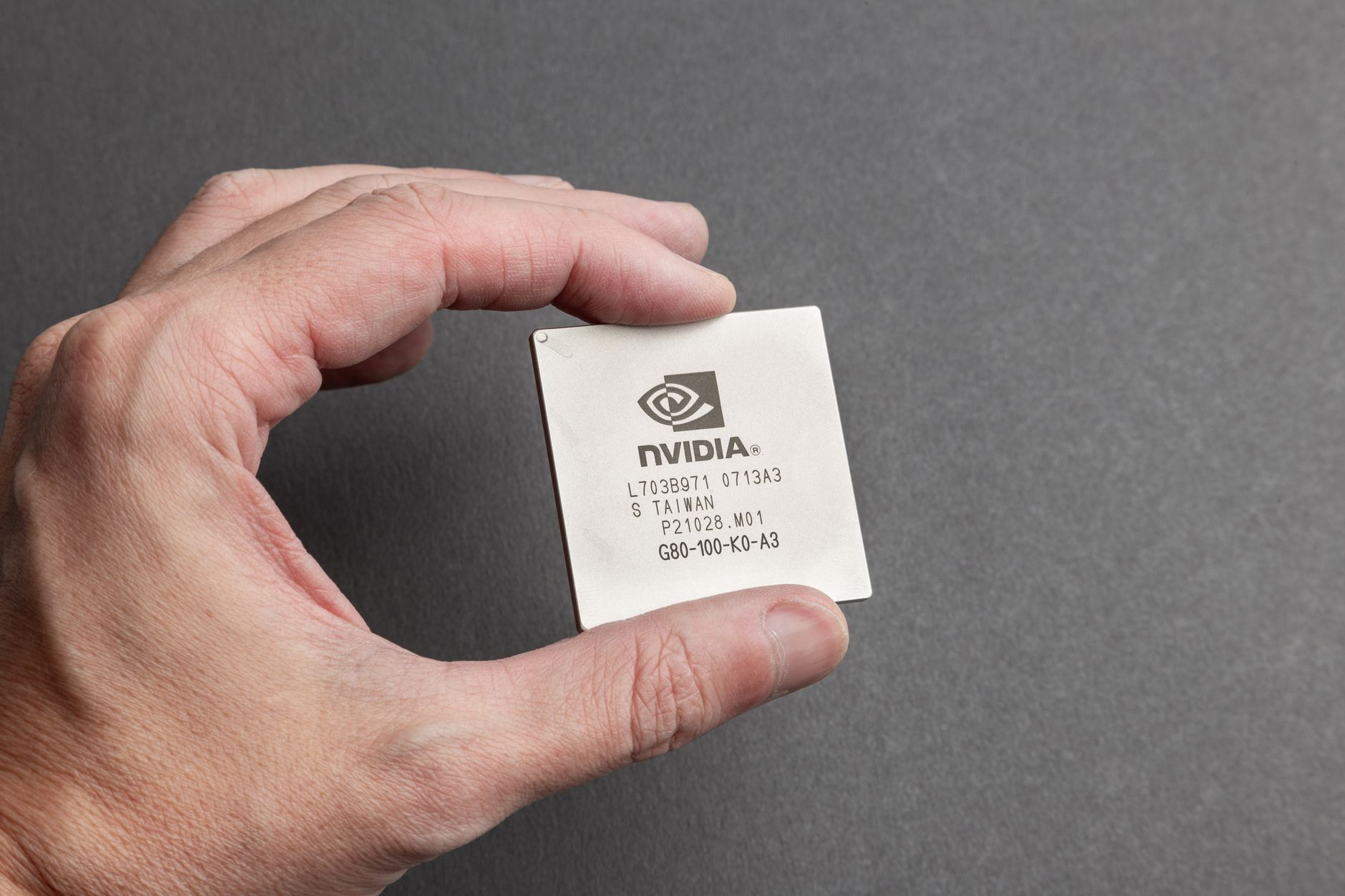
Nvidia AI chips diversion has sparked criticism as experts argue that Lutnick should have intervened to prevent sensitive technology from reaching China.
What Happened with Nvidia AI Chips?
In recent weeks, controversy has erupted over the diversion of Nvidia AI chips, which have reportedly made their way to China despite regulatory restrictions. Critics argue that this situation could have been prevented by the leadership of Nvidia CEO Jensen Huang and the company’s board, particularly noting the role of CFO Howard Lutnick in ensuring compliance with export laws.
The implications of this diversion are significant, with concerns raised about national security and competitive advantages. Nvidia’s advanced AI chips are essential for various technological applications, including machine learning and data processing, making their availability in unauthorized markets particularly alarming.
Many experts assert that this incident highlights a glaring failure in corporate governance and oversight. They emphasize the need for stricter controls to prevent sensitive technology from falling into the hands of potential adversaries.
In light of the Nvidia AI chips diversion, there are calls for more stringent measures to track and regulate the distribution of high-tech products. Stakeholders in the tech industry are urging greater transparency and accountability, fearing that such oversights could undermine the integrity of supply chains and pose risks to national security.
Critics Call for Accountability
In the wake of the Nvidia AI chips diversion controversy, critics are calling for greater accountability among corporate leaders. They argue that the mismanagement of sensitive technology has far-reaching implications for national security and economic stability.
Among the most vocal detractors is Senator Maria Gonzalez, who stated, “This diversion of Nvidia AI chips to China is not just a business blunder; it puts our technological edge at risk.” She emphasized the need for stricter oversight of critical technology exports, especially those with potential military applications.
Furthermore, a report from the Center for Technology and Security highlighted the role of corporate responsibility in preventing such incidents. The report noted:
- Increased Transparency: Companies must disclose their supply chain practices to ensure compliance with international regulations.
- Robust Security Measures: Implementing better safeguards to prevent unauthorized access to sensitive technologies is essential.
- Stakeholder Engagement: Engaging with government entities and cybersecurity experts is crucial for developing comprehensive export strategies.
As the debate continues, the call for accountability grows louder, urging company executives like Lutnick to be more vigilant in their oversight of sensitive technologies.
The Implications of Chip Diversion
The recent diversion of Nvidia AI chips has raised significant concerns regarding national security and technological dominance. As these advanced chips are integral to AI development, their misallocation could have far-reaching implications for both the U.S. and global markets.
Experts warn that the diversion of these critical components to China not only undermines the competitive edge of American technology firms but also poses risks to sensitive information and national defense systems. Some of the key implications include:
- Increased Competition: With access to Nvidia AI chips, Chinese companies could accelerate their AI advancements, potentially outpacing U.S. firms.
- National Security Risks: The technology enabled by these chips can be used in various applications, including surveillance and military operations, raising alarms about their use in adversarial contexts.
- Economic Fallout: The diversion could lead to a loss of trust among investors and partners, destabilizing the AI market and affecting job growth in the sector.
In light of these concerns, many argue that the Nvidia AI chips diversion is not merely a corporate misstep but a critical issue that demands immediate attention and accountability.
Understanding the Risks Involved
The recent diversion of Nvidia AI chips has raised significant concerns among experts regarding national security and technological integrity. As the demand for advanced AI capabilities surges, the implications of diverting these sensitive chips to unintended markets cannot be overstated.
Several risks are associated with the diversion of Nvidia AI chips, including:
- Technological Espionage: The transfer of proprietary technology to nations considered adversaries can lead to the development of competitive capabilities that threaten national interests.
- Supply Chain Vulnerabilities: Diverting critical components undermines the integrity of the supply chain, making it susceptible to manipulation and interference.
- Loss of Competitive Edge: When sensitive technology is compromised, it can diminish the competitive advantage held by leading companies and countries.
- Escalation of Geopolitical Tensions: The diversion of Nvidia AI chips to nations with differing values can exacerbate tensions and lead to retaliatory actions.
In light of these risks, many industry leaders and analysts are urging for stricter oversight and accountability to prevent future occurrences of Nvidia AI chips diversion, which could have lasting repercussions for both security and innovation.
The Nvidia AI chips diversion raises significant concerns about the potential for misuse in sensitive applications. Many experts argue that the Nvidia AI chips diversion could undermine security measures that are vital for protecting critical infrastructure.
Photo by Stas Knop on Pexels