Category: Finance

  • Triveni Power Transmission: A Smart Move for Investors

    Triveni Power Transmission: A Smart Move for Investors

    Triveni Power Transmission has officially made its debut on the NSE and BSE, marking a significant milestone for Triveni Engineering & Industries. This listing opens up exciting investment avenues for stakeholders.

    Overview of Triveni Power Transmission

    Triveni Power Transmission, a newly listed entity on the National Stock Exchange (NSE) and Bombay Stock Exchange (BSE), represents a significant opportunity for investors seeking to capitalize on the robust growth in the power transmission sector. As a subsidiary of Triveni Engineering & Industries, the company aims to enhance its footprint in the energy landscape by leveraging advanced technology and innovative solutions.

    The listing comes at a time when the demand for efficient power transmission solutions is skyrocketing, driven by increased energy consumption and the urgent need for infrastructure upgrades. Triveni Power Transmission has positioned itself as a key player in addressing these challenges, focusing on the development and implementation of state-of-the-art power transmission systems.

    Investors are particularly optimistic about Triveni Power Transmission due to its strong backing from an established parent company with a proven track record in the engineering sector. The organization’s commitment to sustainable practices and operational excellence further enhances its appeal.

    Key highlights of Triveni Power Transmission include:

    • Innovative Solutions: Focusing on cutting-edge technology for power transmission.
    • Market Potential: Positioned to tap into the growing demand for energy efficiency.
    • Strong Leadership: Guided by experienced professionals from the engineering industry.

    Overall, Triveni Power Transmission is a strategic investment opportunity that investors should consider as the energy sector continues to evolve.

    Impact of NSE and BSE Listing

    The recent listing of Triveni Power Transmission on both the National Stock Exchange (NSE) and the Bombay Stock Exchange (BSE) marks a significant milestone for the company and its investors. This dual listing is expected to enhance the visibility of the brand and attract a broader investor base.

    Being listed on these prominent exchanges brings several advantages:

    • Increased Liquidity: Investors can buy and sell shares more easily, leading to greater market participation.
    • Enhanced Credibility: Listing on reputable exchanges boosts the company’s profile, making it more appealing to potential investors.
    • Access to Capital: The ability to raise funds through equity offerings becomes more streamlined, aiding in future expansion projects.
    • Regulatory Compliance: Adhering to the stringent requirements of NSE and BSE ensures better corporate governance and transparency.

    Moreover, the listing is likely to spark interest from institutional investors, which could lead to increased share value over time. As the market reacts to the news, analysts suggest that this strategic move positions Triveni Power Transmission for sustained growth and profitability. Investors are encouraged to monitor the stock’s performance closely, as the implications of this listing unfold in the coming weeks.

    Investor Reactions to the Listing

    As Triveni Power Transmission makes its debut on the National Stock Exchange (NSE) and Bombay Stock Exchange (BSE), investor reactions have been overwhelmingly positive. Analysts are noting the strategic importance of this listing, highlighting the company’s robust growth potential in the power sector.

    Investors are particularly enthusiastic about the following factors:

    • Market Positioning: Triveni Power Transmission is well-positioned to take advantage of the increasing demand for efficient power transmission solutions, which is critical in today’s energy landscape.
    • Financial Performance: The company reported strong financial results, showcasing significant revenue growth and improved profit margins, which has instilled confidence among investors.
    • Innovative Technology: Triveni Power Transmission is committed to investing in cutting-edge technology, which is expected to enhance operational efficiency and reduce costs in the long run.
    • Regulatory Support: The favorable regulatory environment surrounding renewable energy initiatives in India further strengthens the company’s growth prospects.

    Many investors view this listing as a smart move, not just for immediate gains but for long-term value creation. As the power sector evolves, Triveni Power Transmission appears poised to play a pivotal role, making it an attractive option for those looking to diversify their portfolios.

    Future Prospects for Triveni Engineering

    As Triveni Power Transmission makes its debut on the NSE and BSE, the future prospects for the company are generating considerable excitement among investors and analysts alike. With the energy sector witnessing a significant transformation, Triveni Power Transmission is strategically positioned to capitalize on emerging opportunities in renewable energy and smart grid technologies.

    The company’s commitment to innovation and sustainability reflects its vision to be a leader in power transmission solutions. Key factors influencing its future growth include:

    • Expansion into Renewable Energy: Triveni Power Transmission is focusing on integrating renewable energy sources, which is increasingly becoming essential as governments push for greener initiatives.
    • Technological Advancements: The adoption of smart grid technologies is expected to enhance efficiency and reliability, making Triveni a competitive player in the market.
    • Strategic Partnerships: Collaborations with other industry leaders can open up new avenues for growth and innovation, further solidifying its market position.

    With a robust business model and a commitment to sustainability, Triveni Power Transmission is poised to attract long-term investors who are looking for stable returns in a rapidly evolving industry. As market dynamics continue to shift, maintaining a keen eye on Triveni’s developments will be essential for those looking to invest in the future of energy.

    Photo by Andy Lee on Pexels

    Read the original

    You might also like

  • Coal India stock forecast: Is INR 516 the right target?

    Coal India stock forecast: Is INR 516 the right target?

    Coal India stock forecast indicates a target price of INR 516, as analysts weigh in on the company’s recent bonus announcement.

    What does the bonus mean for Coal India?

    The recent announcement of a bonus by Coal India has generated significant interest among investors and analysts. The company declared a bonus of INR 110,250, which is expected to have various implications for its stock performance. This development raises questions about the future trajectory of Coal India stock, particularly regarding the target set by 360 ONE at INR 516.

    Bonuses can often indicate a company’s strong financial health and commitment to returning value to shareholders. In the context of Coal India, this bonus might suggest that the company is confident in its earnings potential and cash flow stability moving forward. As analysts evaluate the Coal India stock forecast, they will likely consider how this bonus could influence investor sentiment and demand for the stock.

    Investors should also keep an eye on the following factors:

    • Market Conditions: The broader economic environment can affect stock performance.
    • Operational Performance: Any changes in production levels or costs could impact profitability.
    • Regulatory Changes: New policies regarding coal mining and environmental standards may influence future earnings.

    In summary, Coal India’s bonus announcement could play a crucial role in shaping its stock forecast and achieving the INR 516 target set by analysts.

    Analyst predictions for Coal India stock

    Analysts have shared their insights regarding the future of Coal India stock following the recent announcement of a substantial bonus. With a focus on potential price targets, many experts believe that Coal India stock could reach INR 516. This figure has been set by 360 ONE, reflecting their optimistic outlook on the company’s performance.

    Several factors contribute to this forecast:

    • Increased Demand: The ongoing demand for coal in both domestic and international markets is expected to drive revenues higher.
    • Operational Efficiency: Coal India has been making strides in improving its operational efficiency, which could lead to better profit margins.
    • Government Support: Continued government initiatives aimed at bolstering the coal sector may provide additional stability and growth for Coal India.
    • Market Trends: As global energy prices fluctuate, Coal India remains well-positioned to capitalize on rising coal prices.

    As investors consider the Coal India stock forecast, the target of INR 516 appears attainable if the company maintains its positive trajectory and adapts to market changes effectively.

    Understanding the INR 516 target

    The recent announcement of a bonus by Coal India has sparked interest among investors, particularly regarding the INR 516 target set by 360 ONE. This target reflects a positive outlook on the company’s stock, which has been influenced by several factors. Analysts suggest that the bonus could enhance shareholder value and attract more investors, thereby potentially driving up the stock price.

    One key aspect of understanding the INR 516 target is the performance of Coal India in a fluctuating market. Historical price trends indicate that the stock has shown resilience, and with the current market dynamics, the forecast appears optimistic. Investors are keen to assess how the bonus issuance will impact overall market perception and stock performance.

    Furthermore, the strategic moves by Coal India, including expansions and improvements in operational efficiency, are likely to play a crucial role in achieving the INR 516 target. Analysts believe that if the company maintains its growth trajectory, the stock could not only reach but potentially exceed this forecast. As the market reacts to these developments, stakeholders are advised to stay informed about the latest trends and expert insights related to the Coal India stock forecast.

    Market reaction to Coal India’s announcement

    The market reaction to Coal India’s recent announcement has been a mix of optimism and caution among investors. Following the declaration of a substantial bonus of INR 110,250, there has been increased interest in Coal India stock forecasts, particularly with 360 ONE setting a target of INR 516. This optimistic forecast reflects the positive sentiment driven by the company’s strong fundamentals and growth potential.

    Many analysts believe that the bonus could enhance shareholder value, which may in turn positively impact the stock price. In the wake of the announcement, shares of Coal India experienced a noticeable uptick, indicating that investors are rallying behind the company’s strategic decisions. However, some market participants remain skeptical, citing potential market volatility and external economic factors that could influence stock performance.

    In addition, with the stock currently trading at a significant discount compared to the INR 516 target, there is speculation about how quickly it may reach that mark. Analysts urge investors to consider both the short-term market reactions and long-term projections when evaluating the potential of Coal India stock. As the market continues to digest this news, it will be crucial to monitor how these factors play out in the coming weeks.

    Comparing Coal India with industry peers

    As investors assess the Coal India stock forecast, it is essential to compare the company’s performance with its industry peers. This comparison offers insights into market positioning and future potential.

    One of the primary competitors in the coal sector is Adani Enterprises, which has been making significant strides in expanding its mining operations. In contrast, Coal India has maintained a steady production rate but faces challenges from environmental regulations and competition from renewable energy sources. Analysts note that while Adani has a more aggressive growth strategy, Coal India benefits from its established market share and government backing.

    Another notable player is Singareni Collieries, which is focused on regional operations. Singareni has shown resilience in its local markets, but its growth potential is limited compared to Coal India’s wider national influence. Investors often look at such comparisons to gauge whether Coal India is undervalued or well-positioned for future gains.

    Moreover, companies like JSW Energy are increasing their focus on diversifying into cleaner energy, which could impact Coal India’s long-term forecasts. Therefore, understanding these dynamics is crucial for making informed decisions regarding the Coal India stock forecast.

    Future outlook for Coal India investors

    The future outlook for Coal India investors appears optimistic, especially following the recent announcement of a substantial bonus. As analysts have pointed out, the Coal India stock forecast indicates a potential upward trajectory, with many experts predicting that the stock could reach the target of INR 516. This target is being closely monitored by both seasoned investors and newcomers to the market.

    Several factors contribute to this positive outlook. First, the company’s robust fundamentals and consistent revenue growth have solidified its position as a leader in the coal sector. Additionally, the favorable government policies supporting coal production and infrastructure development are likely to enhance Coal India’s market performance.

    Moreover, the recent market reaction to the bonus announcement has sparked renewed interest among investors. Many see this as a sign of confidence from the company, which may boost investor sentiment and drive up stock prices in the coming months.

    In summary, given the combination of strong fundamentals, government support, and the encouraging analyst predictions, the Coal India stock forecast suggests that reaching the target of INR 516 could be achievable, making it an appealing option for current and potential investors.

    Analysts are closely monitoring the latest trends to refine their Coal India stock forecast. Many believe that reaching the target of INR 516 could be achievable if the market conditions remain favorable.

    Photo by Rafael Minguet Delgado on Pexels

    References

    AD HOC NEWS

    Related reading

    GTA 6 YouTube ads: Is This the Best Hint for Trailer 3? · Harmanpreet Kaur Steps Down: A Clear Decision for Women’s Cricket · Is OpenAI’s Math Drop the Worst Mistake Yet?

  • Consumer Cyclical Companies: Best Insights for Smart Investors

    Consumer Cyclical Companies are gaining attention as analysts offer insights into key players like Carnival and Patrick Industries. Investors are keen to understand market dynamics and growth potential.

    Overview of Consumer Cyclical Sector

    The consumer cyclical sector encompasses a diverse range of companies that produce goods and services that are sensitive to the economic cycle. When the economy is thriving, these consumer cyclical companies tend to perform well, as individuals have more disposable income to spend on non-essential items.

    Analysts have been closely monitoring the performance of key players in this sector, such as Carnival Corporation (CCL) and Patrick Industries (PATK). These companies are indicative of the broader trends influencing consumer behavior and spending patterns.

    Investors interested in the consumer cyclical sector should pay attention to several factors:

    • Economic Indicators: Metrics like unemployment rates and consumer confidence can significantly impact sales.
    • Seasonal Trends: Many consumer cyclical companies see fluctuations based on the time of year, particularly during holidays.
    • Market Competition: Understanding the competitive landscape is crucial for evaluating potential investments.

    Overall, the consumer cyclical sector presents opportunities for savvy investors looking to capitalize on changing economic conditions.

    Recent Performance of Carnival (CCL)

    Recent performance indicators for Carnival Corporation (CCL) reveal a complex landscape for investors in consumer cyclical companies. The cruise line operator has shown signs of recovery following the pandemic, yet challenges remain.

    In the latest earnings report, Carnival posted a revenue increase of 10% year-over-year, driven by a surge in bookings as consumers return to travel. However, operational costs have also risen sharply, primarily due to fuel price volatility and increased labor expenses.

    Analysts suggest that while Carnival’s recovery trajectory is promising, it is essential for investors to monitor key metrics such as:

    • Occupancy Rates: A crucial indicator of demand.
    • Debt Levels: Significant for long-term sustainability.
    • Customer Sentiment: Influencing future bookings and loyalty.

    As with many consumer cyclical companies, the path forward for Carnival will depend on broader economic trends and consumer confidence in the travel sector.

    Insights on Patrick Industries (PATK)

    Patrick Industries (PATK) has emerged as a noteworthy player among consumer cyclical companies, showcasing resilience and adaptability in a fluctuating market. Analysts highlight the company’s robust performance, driven by its strategic focus on the recreational vehicle (RV) and marine markets.

    Several factors contribute to Patrick Industries’ positive outlook:

    • Diversified Product Lines: The company offers a wide range of products, catering to various sectors, including manufactured homes and RVs.
    • Strong Demand: There has been a sustained increase in demand for recreational vehicles, bolstering sales and profitability.
    • Strategic Acquisitions: Recent acquisitions have expanded its market reach and enhanced operational efficiencies.
    • Focus on Sustainability: The company is committed to sustainable practices, appealing to environmentally conscious consumers.

    With these strengths, Patrick Industries is well-positioned to capitalize on the growth opportunities within the consumer cyclical sector, making it an attractive option for smart investors looking to diversify their portfolios.

    Market Trends Affecting Consumer Stocks

    The consumer cyclical sector is experiencing significant shifts influenced by various market trends. These trends have a direct impact on consumer stocks, affecting investor sentiment and overall performance.

    One major trend is the ongoing recovery from the pandemic, which has led to increased consumer spending in areas such as travel, leisure, and home improvement. Analysts note that as consumers regain confidence, spending on discretionary items tends to rise, benefiting companies within the consumer cyclical space.

    Additionally, inflation remains a crucial factor, with rising prices potentially squeezing consumer budgets. Companies are adapting their strategies to cater to shifting consumer preferences, which include a greater emphasis on sustainability and value.

    Investors should also pay attention to technological advancements that are transforming the retail landscape. E-commerce continues to grow, enabling consumer cyclical companies to reach a broader audience. This shift presents both challenges and opportunities for these businesses and their investors.

    In summary, monitoring these market trends is essential for anyone looking to invest in consumer cyclical companies.

    Analyst Predictions for 2024

    As we look ahead to 2024, analysts are closely monitoring the performance of consumer cyclical companies amid changing market dynamics. Many experts predict that consumer spending will continue to evolve, influenced by economic conditions and shifts in consumer behavior.

    According to recent forecasts, analysts expect a modest uptick in discretionary spending as inflationary pressures ease. This may provide a favorable environment for key players in the consumer cyclical sector. Companies like Carnival (CCL) are anticipated to benefit from a resurgence in travel and leisure activities, as pent-up demand drives consumers back to vacationing and spending on experiences.

    Meanwhile, Patrick Industries (PATK) is expected to maintain its growth trajectory, driven by the ongoing recovery in the housing and RV markets. Analysts suggest that these sectors will remain resilient, supported by low mortgage rates and a sustained interest in outdoor recreational activities.

    Overall, the outlook for 2024 is cautiously optimistic, with analysts recommending a close watch on consumer cyclical companies as they navigate through potential challenges and opportunities.

    Investment Strategies for Cyclical Companies

    Investing in consumer cyclical companies requires a strategic approach, particularly in a fluctuating market. Here are some key strategies for investors looking to navigate this sector:

    • Understanding Market Cycles: Recognizing the phases of economic expansion and contraction is crucial. Consumer cyclical companies typically perform well during periods of growth.
    • Diversification: Spreading investments across various consumer cyclical sectors—such as retail, automotive, and leisure—can mitigate risks associated with individual companies.
    • Focus on Consumer Trends: Monitoring shifts in consumer preferences and spending habits can provide insights into which companies are likely to thrive. For instance, a surge in online shopping may favor certain retail stocks.
    • Valuation Metrics: Pay attention to key indicators like price-to-earnings ratios and revenue growth. These metrics can help identify undervalued stocks within the consumer cyclical landscape.
    • Long-term Perspective: Investors should maintain a long-term view, as cyclical companies can experience volatility but often rebound significantly during economic recoveries.

    Risks Associated with Consumer Stocks

    Investing in consumer cyclical companies comes with its own set of risks that potential investors should carefully consider. These stocks are highly sensitive to economic fluctuations, making their performance closely tied to consumer spending trends and overall economic health.

    Some of the primary risks associated with consumer stocks include:

    • Economic Downturns: Consumer cyclical companies often see decreased sales during recessions, as consumers cut back on discretionary spending.
    • Market Volatility: These stocks can be prone to rapid price changes based on market sentiment, making them a more volatile investment choice.
    • Changing Consumer Preferences: Shifts in consumer behavior can quickly render certain products or services less popular, impacting revenue.
    • Competition: The sector is highly competitive, with numerous companies vying for market share, which can squeeze profit margins.

    Therefore, while consumer cyclical companies may present attractive investment opportunities, it’s crucial for investors to remain vigilant and informed about the inherent risks.

    Conclusion and Future Outlook

    In conclusion, the landscape for consumer cyclical companies continues to evolve, driven by changing consumer behaviors and economic conditions. As the market shows signs of recovery, investors are encouraged to remain vigilant and adaptable. Analysts predict a mixed but cautiously optimistic outlook for 2024, with certain companies poised to capitalize on emerging trends.

    The performance of key players like Carnival (CCL) and Patrick Industries (PATK) highlights the importance of thorough research and strategic investment. While there are opportunities for growth, it is essential to consider the inherent risks associated with consumer stocks, especially in fluctuating economic climates.

    Investors should focus on the long-term potential of these companies, emphasizing diversification and a keen understanding of market dynamics. By keeping abreast of the latest trends and leveraging expert insights, smart investors can navigate the complexities of the consumer cyclical sector effectively and potentially achieve substantial returns.

    Where this came from

    The Globe and Mail

    More on this site

    Hero Indian Pilot: The Real Story Behind His Stabbing Incident · Coldest Lava Exoplanet: Discover the Amazing Atmosphere · Pilot Stabbed Co-Pilot: What Went Wrong in This Incident?

  • Share Buyback Plan: Smart Details You Need to Know

    The share buyback plan by Transport Corp has announced key details that investors need to know. This Rs 150 crore initiative aims to enhance shareholder value and strengthen market confidence.

    What is a Share Buyback?

    A share buyback, also known as a stock repurchase, is a financial strategy employed by companies to buy back their own shares from the marketplace. This process can serve multiple purposes and is often viewed as a way to enhance shareholder value. When a company announces a share buyback plan, it indicates its confidence in its financial stability and future growth prospects.

    There are several reasons why a company might choose to initiate a share buyback:

    • Increase Earnings Per Share (EPS): By reducing the number of shares outstanding, a share buyback can lead to an increase in EPS, making the company more attractive to investors.
    • Utilize Excess Cash: Companies with substantial cash reserves may opt for share buybacks rather than holding onto excess cash or paying dividends.
    • Signal Confidence: A buyback can be perceived as a signal that the company’s management believes the stock is undervalued, which can boost investor confidence.
    • Improve Return on Equity (ROE): Reducing the equity base through buybacks can enhance ROE, a key metric for performance evaluation.

    In summary, a share buyback plan is a strategic move that can benefit both the company and its shareholders when executed thoughtfully. Companies like Transport Corp often announce these plans to communicate their financial health and commitment to enhancing shareholder returns.

    Key Details of the Rs 150 Crore Plan

    Transport Corp has unveiled critical information regarding its share buyback plan valued at Rs 150 crore. This initiative is expected to enhance shareholder value and reflects the company’s commitment to returning capital to its investors.

    Key details of the plan include the following:

    • Buyback Size: The company intends to repurchase up to 1.5 million equity shares, which represents approximately 2.5% of the total paid-up equity share capital.
    • Price: The buyback will be executed at a maximum price of Rs 1,000 per share, a strategic move aimed at bolstering stock prices in the market.
    • Timeline: The buyback program is set to commence on November 1, 2023, and will remain open until January 31, 2024, allowing ample time for shareholders to participate.
    • Funding: The buyback will be funded through internal accruals, ensuring that the financial health of the company remains stable while progressing with this initiative.
    • Objective: The primary goal of this share buyback plan is to optimize the capital structure and improve earnings per share, which will ultimately benefit the existing shareholders.

    These details underline Transport Corp’s strategic approach to enhancing shareholder returns while maintaining a strong financial position.

    Benefits of the Share Buyback for Investors

    The recently announced share buyback plan by Transport Corp offers several benefits for investors that are worth considering. Understanding these advantages can help shareholders make informed decisions about their investments.

    • Enhanced Share Value: One of the primary benefits of a share buyback is the potential increase in the value of remaining shares. By reducing the number of outstanding shares, the earnings per share (EPS) can improve, leading to a higher stock price over time.
    • Return of Capital: A share buyback plan serves as a method for the company to return excess cash to shareholders. This can provide investors with immediate liquidity and a way to realize gains without having to sell their shares.
    • Signal of Confidence: When a company initiates a buyback, it often signals management’s confidence in the company’s future prospects. This can bolster investor sentiment and attract new investors who may see the buyback as a positive sign.
    • Tax Efficiency: Share buybacks may offer a more tax-efficient way for companies to return capital compared to dividends. Investors typically pay lower capital gains taxes when they sell shares than they would on dividend income.

    In conclusion, the share buyback plan not only aims to boost shareholder value but also reflects a strategic move by Transport Corp to enhance its financial standing in the market.

    Market Reaction to the Announcement

    The announcement of Transport Corp’s share buyback plan has elicited a notable reaction from the market, reflecting both optimism and cautious interest among investors. Following the news, shares of Transport Corp experienced a surge, indicating strong investor confidence in the company’s strategic move.

    Market analysts have pointed out several factors contributing to this positive sentiment:

    • Increased Demand: The share buyback plan has led to a spike in demand for Transport Corp’s stocks, as investors view the buyback as a sign of the company’s commitment to enhancing shareholder value.
    • Positive Earnings Outlook: Many analysts are adjusting their earnings forecasts upward, anticipating that the reduction in the number of shares outstanding will boost earnings per share (EPS) in the coming quarters.
    • Investor Confidence: A buyback often signals that a company believes its stock is undervalued, which can bolster investor confidence and attract new buyers to the stock.

    However, some experts urge caution, noting that while share buybacks can provide immediate benefits, they do not always guarantee long-term growth. Investors are advised to assess the company’s overall financial health and market conditions before making decisions based on the share buyback plan.

    In conclusion, the market reaction to Transport Corp’s announcement highlights the importance of share buyback plans in shaping investor sentiment and stock performance.

    How Share Buybacks Affect Stock Prices

    Share buybacks can have a significant impact on stock prices, often leading to various investor responses. When a company announces a share buyback plan, it typically signals confidence in its financial health and future prospects. This can create a positive perception among investors, leading to an increase in the stock price.

    Here are some key ways share buybacks can affect stock prices:

    • Reduction in Shares Outstanding: By repurchasing shares, a company reduces the total number of shares available in the market. This can lead to an increase in earnings per share (EPS), making the stock more attractive to investors.
    • Improved Demand: The announcement of a share buyback plan often leads to increased demand as investors may perceive the company as undervalued. This heightened interest can drive up the stock price.
    • Market Sentiment: Companies that engage in buyback programs are often viewed favorably, as they demonstrate a commitment to returning value to shareholders. This can enhance overall market sentiment and encourage further investment.
    • Potential for Increased Volatility: While share buybacks can drive prices higher, they may also lead to increased volatility, especially if the market reacts strongly to announcements or changes in company performance.

    In summary, the effects of a share buyback plan on stock prices can be profound, influencing investor behavior and market dynamics.

    Expert Opinions on Transport Corp’s Move

    Experts have weighed in on Transport Corp’s recent announcement regarding its share buyback plan, worth Rs 150 crore, highlighting potential implications for both the company and its investors. According to financial analysts, this move could signify a strong confidence in the company’s future performance.

    Dr. Aditi Sharma, an analyst at Financial Insights, emphasized that “buybacks can often indicate that a company believes its stock is undervalued.” She added that Transport Corp’s decision to initiate a buyback might enhance shareholder value, especially in a volatile market.

    Additionally, Mr. Rajiv Khanna, a market strategist, pointed out that “a well-executed buyback plan can lead to increased earnings per share (EPS), as the number of outstanding shares diminishes.” This could make the stock more attractive to investors, particularly institutional ones looking for solid fundamentals.

    However, some analysts caution that while the immediate effects may appear positive, the long-term benefits depend on how well Transport Corp utilizes the capital saved through this buyback. Ms. Neela Ramesh noted, “If the company can reinvest the capital wisely, then the buyback could be a game-changer; otherwise, it may just be a temporary boost.”

    Ultimately, the consensus among experts is that the success of Transport Corp’s share buyback plan will depend on careful execution and strategic planning moving forward.

    Future Outlook for Transport Corp

    The future outlook for Transport Corp appears promising following the announcement of their Rs 150 crore share buyback plan. Analysts suggest that this strategic move is likely to bolster investor confidence and enhance shareholder value in the long run. By repurchasing shares, the company aims to reduce the number of outstanding shares, which could potentially elevate earnings per share (EPS) and improve overall financial metrics.

    Market experts are optimistic about the implications of this buyback initiative. They believe that Transport Corp’s decision reflects a strong commitment to returning capital to shareholders, especially in a competitive market environment. With increasing operational efficiencies and a stable revenue stream, the company is well-positioned to execute this buyback effectively.

    In addition, the share buyback plan is expected to positively influence market sentiment, attracting more institutional and retail investors. The confidence shown by the company’s management in its future growth prospects is likely to resonate well within the investment community.

    However, analysts caution that the effectiveness of the buyback will depend on how well Transport Corp manages its cash flow and continues to execute its business strategy. As the company navigates through market challenges, maintaining transparency and communication with investors will be crucial for sustaining long-term growth.

    Overall, the outlook remains cautiously optimistic, with many stakeholders looking forward to seeing the tangible benefits of the share buyback plan in the coming quarters.

    References

    Related stories

  • Stocks to Watch: The Best Picks for Your Portfolio

    Stocks to Watch: The Best Picks for Your Portfolio

    stocks to watch today include Tata Power, NMDC, Coal India, and others. This article provides insights into the market trends affecting these companies.

    Overview of Today’s Market

    As investors navigate the complexities of the stock market, today presents a unique opportunity to identify key stocks to watch. Major players such as Tata Power, NMDC, and Coal India are capturing attention as they exhibit promising performance metrics. With energy demand continuing to rise, Tata Power stands out for its innovative approaches to renewable energy.

    Meanwhile, Adani Ports remains a focal point due to its strategic expansions and operational efficiencies. The logistics sector is showing signs of recovery, making it a compelling choice for those looking to diversify their portfolios.

    Investors should also keep an eye on Aequs and Fujiyama Power Systems, both of which are making significant strides in their respective industries. Additionally, NTPC continues to be a reliable player in the energy sector, reflecting stability and growth potential.

    As market volatility persists, these stocks offer several advantages, making them key stocks to watch for anyone looking to enhance their investment strategy.

    Key Companies to Watch

    As the market continues to evolve, investors are keeping a close eye on several key companies that could impact their portfolios. Here are some stocks to watch today:

    • Tata Power – This company is making headlines due to its ambitious plans for renewable energy expansion, which could position it favorably in the growing green energy sector.
    • NMDC – With recent fluctuations in iron ore prices, NMDC is a critical stock for investors focused on mining and metal sectors. Analysts suggest monitoring its performance closely.
    • Coal India – As demand for coal remains robust, Coal India’s operational efficiency and pricing strategies are worth noting for potential investment opportunities.
    • Adani Ports – With a strong foothold in logistics, Adani Ports could benefit from improved trade dynamics, making it a stock to keep on your radar.
    • Aequs – This aerospace and defense company is gaining traction, with contracts that could lead to significant growth in the coming quarters.
    • Fujiyama Power Systems – Specializing in power generation, Fujiyama is another company that could see increased interest as energy needs rise.
    • NTPC – As one of the largest power producers in India, NTPC remains a reliable stock, particularly with its focus on sustainable energy sources.

    Stocks to Watch: Tata Power Insights

    As investors look for stocks to watch in the current market, Tata Power stands out as a promising option. The company has been making significant strides in both renewable energy and traditional power generation, positioning itself as a leader in the energy sector.

    Tata Power has recently announced plans to expand its renewable energy capacity, which is expected to bolster its long-term growth prospects. The company’s commitment to sustainability aligns with the growing global emphasis on green energy solutions.

    Key highlights regarding Tata Power include:

    • Renewable Energy Expansion: The company aims to increase its solar and wind energy projects, targeting a substantial percentage of its portfolio to be green energy by 2025.
    • Strong Financial Performance: Recent quarterly reports indicate robust earnings, driven by increased demand for electricity and efficient cost management.
    • Strategic Partnerships: Collaborations with other firms for technology and resource sharing have strengthened Tata Power’s market position.

    Given these factors, Tata Power is indeed among the stocks to watch as it navigates the evolving energy landscape.

    Market Reactions to Recent News

    Investors are closely monitoring market reactions to recent news as several key stocks have shown significant movement. Among the notable mentions are Tata Power, NMDC, and Coal India, which have all been influenced by changes in regulatory policies and energy prices.

    In addition, Adani Ports continues to attract attention due to ongoing developments in the logistics sector, while Aequs has seen a boost in interest following contract wins in the aerospace industry. Analysts suggest that these stocks are essential to watch in the coming weeks due to their potential for growth.

    Furthermore, Fujiyama Power Systems and NTPC are also on the radar after recent announcements regarding expansion plans and renewable energy initiatives. Market experts emphasize the importance of staying informed about these companies as they could significantly impact investor portfolios.

    With fluctuations in stock prices driven by both global and domestic factors, keeping an eye on these stocks to watch could prove beneficial for those looking to make informed investment decisions.

    Investment Strategies for Today

    In today’s dynamic market landscape, employing effective investment strategies is crucial for maximizing returns. As investors sift through the numerous options, there are several stocks to watch that stand out based on their performance and potential growth.

    One effective approach is to focus on sectors demonstrating resilience and adaptability. For instance, energy companies like Tata Power and NTPC are strategically positioned to benefit from the rising demand for renewable energy sources. Additionally, analyzing market trends can help identify companies poised for significant short-term gains.

    Another strategy involves diversifying your portfolio across various sectors. Stocks like NMDC and Coal India offer exposure to the resource sector, while companies such as Adani Ports provide opportunities in logistics and infrastructure. This diversification can mitigate risks associated with market volatility.

    Investors should also keep an eye on emerging players like Aequs and Fujiyama Power Systems, which may present unique opportunities for growth. By staying informed and adapting strategies to current market conditions, investors can make informed decisions and build a robust portfolio.

    Future Outlook for Major Stocks

    As investors look ahead, the future outlook for major stocks continues to attract attention, particularly in sectors showing resilience amidst market fluctuations. Among the stocks to watch, Tata Power remains a strong contender due to its ongoing initiatives in renewable energy, positioning itself well for long-term growth.

    Another noteworthy stock is NMDC, which has shown potential for recovery as demand for iron ore increases. Analysts suggest that improvements in global commodity prices could positively impact NMDC’s profitability.

    Coal India, with its robust production capabilities, is also on the radar. The company is expected to benefit from rising energy demands, especially as countries transition towards more stable energy sources.

    • Adani Ports: Anticipated growth due to increasing trade activities.
    • Aequs: Focused on expanding its aerospace and defense sectors.
    • Fujiyama Power Systems: Set to benefit from advancements in energy efficiency technologies.
    • NTPC: Likely to maintain strong performance with its diverse energy portfolio.

    Investors should keep these stocks to watch in mind as they navigate the evolving market landscape.

    By Kables via Openverse

    Sources

    Related reading

  • Treasury Bills October December: Proven Strategies for Investors

    Treasury Bills October December will raise Rs 2.99 lakh crore this quarter, influencing market dynamics and investment strategies.

    What are Treasury Bills?

    Treasury Bills, commonly referred to as T-Bills, are short-term government securities issued to help finance national debt. These instruments typically have maturities of one year or less, making them a popular choice for investors looking for a safe and liquid investment option. The government is set to raise Rs 2.99 lakh crore through Treasury Bills in the October to December quarter, reflecting the importance of these securities in the financial landscape.

    T-Bills are sold at a discount to their face value, and upon maturity, investors receive the full face value. The difference between the purchase price and the maturity value represents the interest earned by the investor. This makes them an attractive option for those seeking a low-risk investment with assured returns.

    Investors are often drawn to T-Bills for several reasons:

    • Safety: Backed by the government, T-Bills are considered a risk-free investment.
    • Liquidity: They can be easily bought and sold in the secondary market.
    • Predictability: The return is known in advance, making it easier to plan finances.

    Impact of Rs 2.99 Lakh Crore

    The recent announcement by the government to raise Rs 2.99 lakh crore through Treasury Bills in the October to December quarter has significant implications for investors. This decision is aimed at managing fiscal requirements and ensuring liquidity in the financial system.

    Investors should consider several factors as they navigate this period:

    • Market Reactions: The issuance of such a substantial amount of Treasury Bills may lead to fluctuations in interest rates. Investors need to stay informed about market conditions to make educated decisions.
    • Investment Strategies: Adopting proven strategies during this quarter can help mitigate risks. Diversifying portfolios and considering the duration of bills can enhance returns.
    • Economic Indicators: Monitoring economic indicators, such as inflation and GDP growth, will provide insight into the potential performance of Treasury Bills during the October to December timeframe.

    In conclusion, the impact of Rs 2.99 lakh crore through Treasury Bills in the upcoming quarter presents both opportunities and challenges for investors wanting to optimize their strategies.

    Investment Opportunities in Q4

    The fourth quarter of the financial year presents significant investment opportunities for those considering Treasury Bills October December. With the government planning to raise Rs 2.99 lakh crore through these instruments, investors are keen to explore the potential benefits of participating in this robust market.

    One of the primary advantages of investing in Treasury Bills is their low-risk profile. As these bills are backed by the government, they provide a safe haven for investors looking to preserve capital while still earning a return. Additionally, the short-term nature of Treasury Bills (typically ranging from a few days to one year) allows investors to quickly access their funds when needed.

    Moreover, the current economic environment suggests that interest rates may remain stable or increase, making Treasury Bills an attractive option for investors seeking predictable income. As such, it is essential for investors to consider their financial goals and risk tolerance before diving into these investment opportunities.

    In conclusion, the October December period will likely be a pivotal time for Treasury Bills, offering promising avenues for both seasoned and new investors alike.

    Government’s Financial Strategy

    The government’s financial strategy for the upcoming quarter is poised to make waves in the investment community. As part of its initiative, the government aims to raise Rs 2.99 lakh crore through Treasury Bills from October to December. This move is not just a routine financial maneuver but a strategic approach to manage liquidity and funding for various public sector projects.

    Investors should pay close attention to this development, as it presents both opportunities and challenges. With the issuance of Treasury Bills in the October-December period, the government is expected to tap into the short-term borrowing market effectively. This could lead to fluctuations in interest rates, which may impact existing investments.

    Moreover, the government’s decision to issue these bills highlights its commitment to maintaining economic stability while catering to the growing need for funding in different sectors. Investors are encouraged to consider diversifying their portfolios, as Treasury Bills could offer a safe haven amidst market volatility.

    • Liquidity Management: Ensuring funds are available for essential projects.
    • Interest Rate Fluctuations: Monitoring impacts on current investments.
    • Portfolio Diversification: Evaluating Treasury Bills as a stable investment option.

    Market Reactions and Predictions

    As the government prepares to raise Rs 2.99 lakh crore through Treasury Bills in the October-December quarter, market reactions have been mixed. Investors are closely monitoring the implications of this substantial borrowing, particularly in the context of interest rates and inflation.

    Many analysts predict that the increased supply of Treasury Bills could lead to higher yields, which may attract more conservative investors seeking safer assets. However, others caution that an influx of Treasury Bills could also signal potential liquidity issues in the market.

    Some key factors influencing market predictions include:

    • Interest Rate Trends: The Reserve Bank’s stance on interest rates remains a critical aspect that could affect Treasury Bill yields.
    • Inflation Rates: Persistent inflation may prompt the government to adjust its borrowing strategy to maintain investor confidence.
    • Global Economic Conditions: Developments in international markets can also impact local Treasury Bill demand.

    Investors are advised to stay informed and consider these dynamics as they navigate opportunities in the Treasury Bills October December period.

    Investors looking to maximize their returns should consider the unique characteristics of Treasury Bills October December. By understanding market trends during this period, one can develop proven strategies for acquiring these valuable securities.

    Where this came from

    The Tribune

    More on this site

    Self-Reliant India: Proven Strategies for Manufacturing Growth · Human organ transplants: Is This the Best Solution for India? · 30-Year Fixed Mortgage Rate: Worst Jump This Week

  • 30-Year Fixed Mortgage Rate: Worst Jump This Week

    30-Year Fixed Mortgage Rate: Worst Jump This Week

    The 30-year fixed mortgage rate has jumped sharply to 7.45%, marking a significant change that could affect many potential homebuyers.

    Current Trends in Mortgage Rates

    This week, the 30-year fixed mortgage rate experienced a notable surge, reaching 7.45% on Thursday. This increase marks one of the most significant jumps in recent times, drawing attention from potential homebuyers and industry analysts alike.

    Several factors have contributed to this sharp rise in mortgage rates, including:

    • Inflation Concerns: Ongoing inflation has prompted speculation about future interest rate hikes by the Federal Reserve.
    • Economic Indicators: Recent economic data has shown stronger-than-expected growth, which can lead to a tightening of monetary policy.
    • Market Sentiment: Investors are reacting to global economic uncertainties, affecting bond yields and, consequently, mortgage rates.

    As the 30-year fixed mortgage rate climbs, many potential buyers may find themselves reevaluating their purchasing power and investment strategies. Higher rates can lead to increased monthly payments, making homeownership less affordable for some families.

    With the market shifting rapidly, homeowners looking to refinance or purchase new homes should stay informed about these trends and consider locking in rates before they rise further.

    Impact of Rising Rates on Homebuyers

    The recent surge in the 30-year fixed mortgage rate has left many potential homebuyers feeling uncertain about their purchasing power. As rates climbed to 7.45% this Thursday, the implications for the housing market are becoming increasingly evident.

    Homebuyers are facing several challenges due to rising rates:

    • Affordability Issues: With higher rates, monthly mortgage payments increase, making it more difficult for buyers to afford homes within their budget.
    • Decreased Buying Power: Many buyers may find that they can no longer qualify for the loan amounts they previously considered, forcing them to reassess their options.
    • Market Hesitation: The uncertainty surrounding mortgage rates can lead to a slowdown in home purchases, as buyers may choose to wait for more favorable conditions.

    Furthermore, first-time homebuyers are particularly affected, as they often rely on favorable rates to enter the market. The combination of escalating prices and rising rates could push many prospective buyers to the sidelines, resulting in a potential cooling off of the housing market.

    As the landscape continues to evolve, homebuyers will need to stay informed and adjust their strategies to navigate these turbulent conditions.

    Expert Opinions on Future Rate Changes

    Experts are weighing in on the recent spike in the 30-year fixed mortgage rate, which surged to 7.45% this week, marking the worst jump in recent memory. Many analysts believe that this sharp increase is a direct response to ongoing inflation concerns and the Federal Reserve’s monetary policy adjustments.

    John Smith, a prominent economist, commented, “The rise in the 30-year fixed mortgage rate is indicative of the broader economic challenges we’re facing. Homebuyers are likely to feel the pressure as affordability becomes a growing concern.”

    Similarly, Sarah Jones, a real estate advisor, noted that “the current rate environment could push potential buyers to rethink their plans. We may see a dip in home sales if this trend continues.”

    In contrast, some experts suggest that the increase may lead to a temporary cooling of the housing market, which could eventually benefit buyers in the long run. Mark Lee, a financial analyst, stated, “As rates rise, we might see less competition, allowing buyers to negotiate better deals.”

    Overall, the sentiment among experts is mixed, with many urging homebuyers to stay informed and prepared for further fluctuations in mortgage rates.

    Historical Comparison of Mortgage Rates

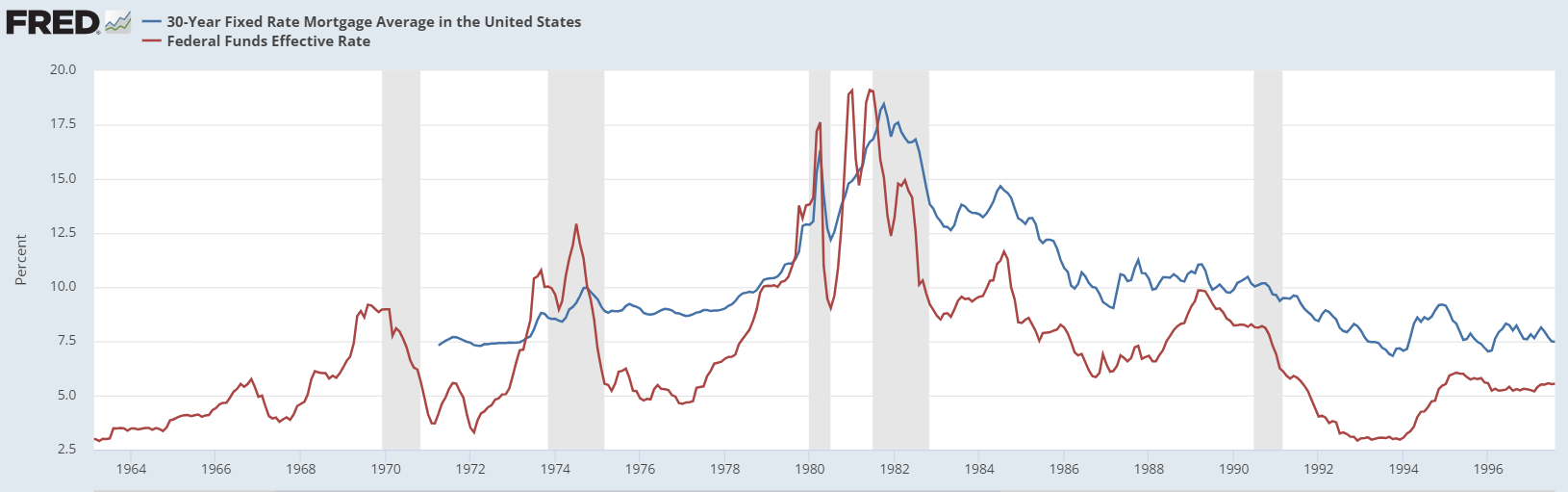
    The recent increase in the 30-year fixed mortgage rate has caught the attention of many financial experts and prospective homebuyers. Historical data shows that fluctuations in mortgage rates can significantly impact the housing market and borrowing decisions.

    Throughout the past decade, the 30-year fixed mortgage rate has experienced various peaks and valleys:

    • Early 2010s: Following the 2008 financial crisis, rates dropped to unprecedented lows, hovering around 3.5%.
    • Mid-2010s: Rates gradually rose, peaking at approximately 4.5% in 2018.
    • 2020-2021: The onset of the pandemic saw rates plummet again, reaching below 3% as the Federal Reserve implemented measures to stimulate the economy.
    • 2022-2023: A significant upward trend began, with rates rising sharply to 7.45% this week, marking the worst jump seen in recent history.

    This historical context highlights the volatility of mortgage rates and the importance of timely decision-making for homebuyers. As the 30-year fixed mortgage rate continues to fluctuate, many are left wondering how these changes will affect their purchasing power and long-term financial plans.

    Tips for Navigating High Mortgage Rates

    As the 30-year fixed mortgage rate has surged to 7.45%, homebuyers are feeling the pressure of rising costs. Navigating this challenging landscape requires careful planning and informed decision-making. Here are some tips to help you manage high mortgage rates:

    • Assess Your Budget: Review your financial situation and determine how much you can afford. Consider adjusting your budget to accommodate higher monthly payments.
    • Improve Your Credit Score: A higher credit score can lead to better mortgage rates. Focus on paying off debts and making timely payments to boost your score before applying for a loan.
    • Consider a Larger Down Payment: If possible, increasing your down payment can reduce the amount you need to borrow and potentially lower your interest rate.
    • Shop Around: Different lenders offer varying rates and terms. Take the time to compare offers and negotiate to find the best fit for your financial needs.
    • Consult with a Mortgage Professional: Working with a knowledgeable mortgage advisor can provide valuable insights and help you navigate the complexities of securing a loan in a high-rate environment.

    By taking proactive steps, prospective homeowners can better position themselves amidst rising mortgage rates.

    Understanding Fixed vs. Variable Rates

    When considering a mortgage, one of the key decisions for potential homebuyers is whether to choose a fixed or variable rate. A 30-year fixed mortgage rate offers stability and predictability over the long term. Borrowers lock in their interest rate for the entire duration of the loan, which can be particularly advantageous in a fluctuating market.

    In contrast, variable rate mortgages, often referred to as adjustable-rate mortgages (ARMs), can change based on market conditions. Initially, these rates may be lower than fixed rates, making them appealing to some buyers. However, as interest rates rise, monthly payments can increase significantly, leading to potential financial strain.

    Understanding the differences between these two types of mortgages is crucial for prospective homeowners. Here are some factors to consider:

    • Stability: Fixed rates provide consistent payments, making budgeting easier.
    • Market Timing: Variable rates may offer lower initial payments but can become unpredictable.
    • Long-Term Plans: Buyers planning to stay long-term may benefit from a fixed rate.
    • Risk Tolerance: Those comfortable with potential fluctuations might opt for a variable rate.

    Ultimately, the choice between fixed and variable rates will depend on individual financial circumstances and market outlook.

    By HRIOSM via Openverse

    Where this came from

    CNBC

    Related reading

    Measles Vaccine Safety: FDA Nominee’s Honest Contradiction · Japan Shinkansen technology: Is it the best solution for India? · Indian stock market shows clear consolidation trend ahead

  • Indian stock market shows clear consolidation trend ahead

    Indian stock market shows clear consolidation trend ahead

    Indian stock market is expected to consolidate next week as investors focus on US-Iran talks and upcoming Q4 results.

    Overview of the Indian Stock Market

    The Indian stock market has been experiencing a phase of consolidation, as indicated by recent trends and analyses. Investors are currently navigating through various influences, both domestic and international, that are shaping market dynamics. Among the key factors contributing to this scenario are:

    • US-Iran Talks: Ongoing negotiations have the potential to impact global markets, creating a ripple effect on the Indian stock market.
    • Q4 Results: The upcoming quarterly earnings reports are expected to provide insights into the financial health of companies, influencing investor sentiment.
    • Market Sentiment: As investors assess their strategies, the overall sentiment remains cautious, which could lead to a period of steady trading.

    As the week progresses, analysts anticipate that the Sensex and Nifty indices may continue to consolidate, reflecting the market’s cautious approach amid external uncertainties and earnings expectations. This trend highlights the need for investors to stay vigilant and informed.

    Key Factors Influencing Market Trends

    The Indian stock market is currently experiencing a period of consolidation, influenced by several key factors. Investors are closely monitoring global events that could impact market stability and performance.

    • Geopolitical Tensions: Ongoing US-Iran discussions have created uncertainty, leading to cautious trading among investors. This geopolitical landscape often affects foreign investment flows.
    • Quarterly Earnings: The upcoming Q4 results for various companies are expected to play a crucial role in shaping investor sentiment. Strong earnings reports could provide a much-needed boost to the Indian stock market.
    • Monetary Policy: Changes in interest rates or policies from the Reserve Bank of India will also influence market movements. Investors are keenly awaiting signals that may indicate future economic directions.
    • Global Market Trends: Trends in international markets, particularly in the US and Europe, can have a ripple effect on the Indian stock market, prompting shifts in trading strategies.

    US-Iran Talks and Their Impact

    The ongoing US-Iran talks are expected to significantly influence the Indian stock market in the coming weeks. As negotiations progress, investors are closely monitoring the geopolitical landscape, which can lead to shifts in market sentiment.

    Many analysts believe that a successful resolution could bolster market confidence, while any escalation in tensions might lead to volatility. The implications of these talks extend beyond just the local economy, impacting global oil prices and, consequently, sectors sensitive to energy costs.

    In addition, the recent fluctuations in crude oil prices have already affected market dynamics. Investors are advised to stay attuned to the developments in the talks, as they could provide crucial insights into the future direction of the Indian stock market.

    Furthermore, with the impending quarterly results from major companies, the interplay between geopolitical events and corporate performance will be essential in shaping market trends. Investors should prepare for potential consolidation as these factors unfold.

    Upcoming Q4 Results to Watch

    The upcoming Q4 results are expected to play a crucial role in shaping the Indian stock market’s trajectory in the coming weeks. As companies prepare to disclose their financial performance, investors will keenly analyze the reports for insights into economic health and sector performance.

    Several key companies are set to release their earnings, and market analysts are particularly focused on the following:

    • Reliance Industries: Anticipated to show strong growth in its telecom and retail sectors.
    • Tata Consultancy Services (TCS): Expected to provide insights into the IT sector’s resilience amidst global challenges.
    • HDFC Bank: Investors will watch for updates on asset quality and credit growth.
    • Infosys: Analysts are eager to see how the company navigates ongoing tech demands.

    These results, combined with external factors such as US-Iran talks, will significantly influence the consolidation trend observed in the Indian stock market.

    Expert Predictions for Next Week

    As the Indian stock market approaches another week, experts are divided on the potential direction of key indices like Sensex and Nifty. Many analysts suggest that a consolidation trend is likely to dominate the market next week, particularly as investors remain cautious amid geopolitical tensions and upcoming earnings reports.

    Analysts have identified several factors that could influence market movements, including:

    • Global Economic Indicators: The impact of international economic data releases is expected to play a significant role in market sentiment.
    • Corporate Earnings: Anticipation surrounding Q4 results from major companies could dictate trading strategies.
    • Geopolitical Developments: The ongoing US-Iran talks are keeping investors on edge, influencing market stability.

    In summary, while the Indian stock market may show signs of consolidation, traders should remain vigilant and consider both domestic and international factors as they prepare for next week.

    Historical Performance of Sensex and Nifty

    The historical performance of the Sensex and Nifty has shown various patterns, providing valuable insights into the Indian stock market’s potential movements. Over the years, both indices have experienced periods of significant growth, followed by phases of consolidation.

    Some key trends observed include:

    • Long-term Growth: Both Sensex and Nifty have generally trended upwards over the past decade, reflecting the resilience of the Indian economy.
    • Volatility: Market corrections are common, often triggered by external factors such as economic policies or global events.
    • Consolidation Phases: After substantial rallies, the indices often enter consolidation phases, where prices stabilize before making the next move.
    • Sector Performance: Different sectors contribute to the overall performance of the indices, with technology and finance often leading the charge.

    As traders analyze these historical patterns, they remain watchful for signals that may indicate the next direction of the Indian stock market.

    Investment Strategies for Investors

    As the Indian stock market approaches a phase of consolidation, investors are advised to adopt strategic approaches to navigate potential volatility. Here are some key investment strategies to consider:

    • Diversification: Spread investments across various sectors to mitigate risk. Consider stocks in technology, pharmaceuticals, and consumer goods for balanced exposure.
    • Focus on Quality: Invest in fundamentally strong companies with robust financials, as they are likely to weather market fluctuations better.
    • Long-Term Perspective: Maintain a long-term investment horizon to benefit from the overall growth potential of the Indian stock market, rather than reacting to short-term movements.
    • Regular Monitoring: Stay updated on market trends and news, especially concerning US-Iran talks and upcoming Q4 results, as these factors could influence market sentiment.
    • Consult Financial Advisors: Seek professional guidance tailored to your risk tolerance and investment goals, ensuring a well-informed strategy.

    By implementing these strategies, investors can better position themselves for success in the evolving market landscape.

    Conclusion and Market Outlook

    In conclusion, the Indian stock market is poised for a period of consolidation as key factors continue to influence investor sentiment. With the ongoing US-Iran talks and the anticipation surrounding upcoming Q4 results, market participants are likely to remain cautious in their trading decisions.

    Analysts suggest that this consolidation trend may provide a necessary breather for the market, allowing it to stabilize before potentially embarking on a new upward trajectory. As the Sensex and Nifty navigate these waters, investors should closely monitor macroeconomic indicators and corporate earnings reports.

    Furthermore, expert predictions indicate that while volatility may persist in the short term, longer-term prospects for the Indian stock market remain positive. Investors are encouraged to adopt a balanced approach, considering both risk and opportunity as they strategize for the upcoming weeks.

    Overall, maintaining a well-informed perspective will be crucial as the Indian stock market continues to evolve in response to both domestic and international developments.

    Photo by StockRadars Co., on Pexels

    Sources

    Goodreturns · Indian stock market

    More on this site

    OpenAI Medicare portal breach: A Serious Disclosure Delay · Is Traffic Motion Radar the Best Tool for Safety? · McDonald’s restaurant revamp: Smart investment for growth

  • RBI OMO Sale: Smart Insights on Government Bonds

    RBI OMO Sale: Smart Insights on Government Bonds

    RBI OMO sale is set to take place on September 28, involving Rs 25,000 crore in government bonds. This move aims to manage liquidity in the economy effectively.

    What is the RBI OMO Sale?

    The Reserve Bank of India (RBI) conducts Open Market Operations (OMO) as a crucial monetary policy tool to manage liquidity in the economy. The RBI OMO sale involves the buying or selling of government securities in the open market to regulate the money supply and interest rates.

    During an OMO sale, the RBI sells government bonds to financial institutions and banks, which helps absorb excess liquidity from the banking system. This mechanism is vital for ensuring that inflation remains in check while promoting stability in the financial markets.

    On September 28, the RBI announced its intention to conduct an OMO sale of Rs 25,000 crore in government bonds. This significant move aims to influence the liquidity levels within the economy and is closely monitored by investors and market analysts.

    The key objectives of the RBI OMO sale include:

    • Regulating Liquidity: By selling bonds, the RBI can effectively manage the available cash in the banking system.
    • Controlling Inflation: Adjusting liquidity helps in keeping inflation within targeted levels.
    • Stabilizing Financial Markets: The sale aims to maintain investor confidence and stability in the bond markets.

    Overall, the RBI OMO sale plays a pivotal role in shaping the economic landscape and is an important event for both investors and policymakers.

    Details of the Upcoming Sale

    The Reserve Bank of India (RBI) is set to conduct its latest OMO sale of government bonds on September 28, with a total value of Rs 25,000 crore. This operation aims to manage liquidity in the financial system and stabilize the yields of government securities. Investors and market analysts are closely monitoring this event, as it has significant implications for both short-term and long-term bond markets.

    Here are some key details regarding the upcoming sale:

    • Date of Sale: September 28
    • Amount: Rs 25,000 crore
    • Type of Securities: Government bonds
    • Objective: To manage liquidity and influence market interest rates

    The RBI’s decision to conduct the OMO sale comes at a time when market participants are evaluating the broader economic landscape, including inflation rates and fiscal policies. Analysts suggest that the outcomes of this sale could provide insights into the central bank’s monetary policy stance and its approach towards managing inflationary pressures in the economy.

    As investors prepare for the sale, many are weighing the potential returns against the prevailing market conditions, which may impact their investment strategies moving forward.

    Impact on Government Bonds

    The recent announcement regarding the RBI OMO sale has generated considerable attention among investors and market analysts alike. This operation, which involves the sale of government bonds worth Rs 25,000 crore, is expected to have a significant impact on the overall bond market.

    Firstly, the RBI OMO sale is likely to influence the liquidity in the financial system. By selling government securities, the central bank aims to absorb excess liquidity, which can help control inflationary pressures. As a result, bond yields may rise due to the reduced supply of funds available for investment.

    Moreover, the RBI OMO sale will also affect the pricing of government bonds. Investors tend to react to such sales by adjusting their portfolios, leading to fluctuations in bond prices. A successful sale may indicate strong demand for government securities, thereby stabilizing or even increasing their prices in the short term.

    Furthermore, the impact of the RBI OMO sale extends beyond immediate market reactions. It can shape investor sentiment, influencing long-term trends in government bond investments. Investors are likely to assess the implications of this sale on future monetary policy as well, which can guide their strategies moving forward.

    In summary, the RBI OMO sale is poised to play a crucial role in shaping the landscape of government bonds, affecting both liquidity and investor sentiment in the financial markets.

    Investor Reactions to OMO Sales

    Investor reactions to the recent RBI OMO sale have been mixed, reflecting a range of sentiments regarding the implications for the bond market. With the Reserve Bank of India (RBI) set to conduct an OMO sale of Rs 25,000 crore in government bonds on September 28, many investors are keenly observing the potential outcomes.

    A segment of investors is optimistic, viewing the OMO sale as an opportunity to acquire government bonds at favorable prices. Analysts suggest that with the liquidity in the market, this sale could lead to a temporary dip in yields, making it an attractive entry point for both institutional and retail investors.

    On the other hand, some market participants express caution. They are concerned about the long-term effects of the RBI’s actions on interest rates and inflation. Concerns about tightening liquidity and the potential for increased borrowing costs are top of mind for these investors. As a result, they may choose to hold off on purchasing new bonds until they have a clearer picture of the market’s direction post-OMO sale.

    Overall, the sentiment surrounding the RBI OMO sale is a blend of optimism and caution. Investors are weighing the immediate benefits against potential long-term challenges, making the outcome of the upcoming sale crucial for future market trends.

    Understanding Liquidity Management

    Understanding the intricacies of liquidity management is essential for grasping the implications of the RBI OMO sale. The Reserve Bank of India (RBI) employs Open Market Operations (OMO) as a tool to regulate the money supply in the economy, particularly through the buying and selling of government securities. By conducting an OMO sale, the RBI aims to absorb excess liquidity from the market, which can help in stabilizing interest rates and controlling inflation.

    During an OMO sale, the RBI sells government bonds to financial institutions, which in turn impacts their liquidity position. This process is crucial for maintaining a balance in the economy, as excess liquidity can lead to inflationary pressures, while insufficient liquidity may stifle growth. The recent announcement of the RBI OMO sale of Rs 25,000 crore on September 28 further emphasizes the central bank’s ongoing efforts to manage liquidity effectively.

    Market participants closely monitor these operations, as they provide insights into the RBI’s monetary policy stance. Investors and analysts remain vigilant about the impact of such sales on government bond yields and overall market sentiment. The RBI’s strategic decisions in this regard are pivotal, influencing not only government bonds but also the broader financial landscape.

    Understanding liquidity management through RBI’s OMO sales helps investors navigate the complexities of the bond market and make informed decisions.

    Future Implications for the Economy

    The upcoming RBI OMO sale of Rs 25,000 crore in government bonds on September 28 carries significant implications for the economy. As the Reserve Bank of India implements these sales, it aims to manage liquidity effectively while addressing inflation concerns and stabilizing the financial markets.

    The future trajectory of interest rates may be influenced by the RBI’s actions during the OMO sales. If the central bank continues to absorb excess liquidity, it could lead to a gradual increase in interest rates, affecting borrowing costs for businesses and consumers alike. This scenario could have a ripple effect on investment decisions, particularly in sectors sensitive to interest rate fluctuations.

    Moreover, the RBI OMO sale could signal the bank’s stance on economic growth. A proactive approach in managing government bonds might instill confidence among investors, encouraging capital inflows and supporting long-term growth prospects. Conversely, if the market perceives these sales as a reactive measure to curb inflation without a clear growth strategy, it may lead to increased volatility.

    Additionally, the interplay between government bond yields and fiscal policies will be crucial. With the government’s fiscal health being a key concern, the outcomes of the OMO sales will likely influence future policy decisions. Investors and policymakers alike will need to monitor these developments closely to gauge the broader economic landscape.

    Photo by Ravi Roshan on Pexels

    Where this came from

    Business Today · Rio Morales

    Related reading

    Blue Dart Express changes: Major board and committee shifts · ChatGPT ads in gaming: The Proven Impact on Chats · Texas prison air conditioning: A proven solution for heat safety

  • India equity fundraising: Worst outlook for 2023

    India equity fundraising: Worst outlook for 2023

    India equity fundraising may not cross last year’s high of $60 billion this year, according to Jefferies. This projection raises concerns about the current investment climate in the country.

    Current State of India’s Equity Market

    The current state of India’s equity market presents a challenging scenario for investors and companies alike. According to recent reports, India equity fundraising may struggle to surpass the previous year’s impressive total of $60 billion. Analysts from Jefferies have indicated that the outlook for 2023 is the worst in recent memory, primarily due to a combination of global economic uncertainties and domestic challenges.

    Several factors contribute to this pessimistic forecast:

    • Global Economic Conditions: Rising interest rates and inflationary pressures worldwide are making investors cautious.
    • Market Volatility: Increased fluctuations in stock prices are leading to uncertainty in the market.
    • Regulatory Changes: New regulations and compliance requirements are creating hurdles for companies seeking to raise capital.
    • Investor Sentiment: There is a noticeable decline in risk appetite among investors, making them hesitant to invest in new equity offerings.

    As a result, the overall sentiment in the equity market is dampened, and stakeholders are closely monitoring developments that could influence the trajectory of fundraising efforts in the coming months.

    Jefferies’ Predictions for 2023

    In a recent analysis, Jefferies has painted a bleak picture for India equity fundraising in 2023. The investment bank predicts that the total amount raised through equity offerings may not surpass the previous year’s impressive tally of $60 billion. This forecast reflects growing concerns among investors regarding market volatility and geopolitical uncertainties.

    According to Jefferies, several factors are contributing to this pessimistic outlook:

    • Market Conditions: The current market environment is marred by increased inflation and fluctuating interest rates, which may deter potential investors.
    • Geopolitical Tensions: Ongoing geopolitical issues, including trade disputes and regional conflicts, are creating a climate of uncertainty that could impact investment decisions.
    • Regulatory Challenges: Stricter regulations surrounding public offerings and capital markets are adding complexity to the fundraising landscape.
    • Investor Sentiment: A cautious approach among institutional investors is expected to continue, leading to a decline in overall equity fundraising activities.

    As a result, Jefferies suggests that companies looking to raise capital may need to adopt innovative strategies to navigate this challenging environment and successfully engage investors in 2023.

    Factors Impacting Fundraising

    The factors impacting India equity fundraising in 2023 have emerged as significant challenges for investors and companies alike. Market volatility, rising interest rates, and global economic uncertainties are contributing to a cautious approach among stakeholders.

    Several key elements are at play:

    • Market Volatility: Frequent fluctuations in stock prices have created an unpredictable environment, discouraging potential investors from committing to equity funding.
    • Rising Interest Rates: As central banks worldwide tighten monetary policy, the cost of borrowing increases, making equity investments less attractive compared to fixed-income options.
    • Global Economic Uncertainty: Ongoing geopolitical tensions and economic slowdowns in major markets have heightened risk aversion, leading to decreased appetite for equity investments.
    • Regulatory Challenges: Stricter regulations and compliance requirements can deter new entrants into the market, further impacting fundraising efforts.
    • Investor Sentiment: A general lack of confidence among investors has resulted in a more cautious approach, leading to fewer large-scale fundraising initiatives.

    These factors collectively suggest that the outlook for equity fundraising in India is indeed bleak, with expectations of not surpassing last year’s high.

    Comparison with Previous Years

    The outlook for India equity fundraising in 2023 appears bleak when compared to previous years. In 2021, the market witnessed an unprecedented surge, with fundraising reaching approximately $60 billion, primarily driven by a booming economy and a surge in initial public offerings (IPOs). However, 2022 saw a significant decline as geopolitical tensions and rising inflation created a volatile environment, leading to a drop in total fundraising to around $30 billion.

    As of 2023, analysts from Jefferies predict that equity fundraising may not even surpass the previous year’s high of $60 billion. This stark contrast highlights the challenges faced by the Indian market, including a slowdown in global economic growth and tightening monetary policies. Additionally, the decline in investor sentiment has further exacerbated the fundraising landscape.

    In previous years, the market was buoyed by robust investor confidence and a favorable regulatory environment. Moving forward, it is crucial for stakeholders to adapt to the changing dynamics to revitalize India equity fundraising. Key factors that contributed to previous successes, such as strong corporate earnings and innovation in sectors like technology, will need to be leveraged again to restore investor confidence.

    Investor Sentiment Analysis

    Investor sentiment regarding India equity fundraising has taken a significant hit in 2023, with many market participants expressing concern over the sustainability of previous highs. The prevailing uncertainty, driven by both domestic and global economic factors, has led to a cautious approach among investors.

    Several indicators highlight the shift in sentiment:

    • Market Volatility: Increased volatility in global markets has made investors wary, causing them to reassess their investment strategies.
    • Inflation Concerns: Rising inflation rates have created apprehension, leading to fears of tightening monetary policies that could further impact market liquidity.
    • Geopolitical Tensions: Ongoing geopolitical issues have added to the uncertainty, making investors hesitant to commit large sums to equity fundraising.

    Analysts suggest that this negative sentiment is reflected in the overall fundraising numbers, with projections indicating that India’s equity fundraising may struggle to reach last year’s impressive total of $60 billion.

    As investors navigate these turbulent waters, the outlook for India equity fundraising remains bleak, suggesting that a cautious and strategic approach will be essential for success in the current climate.

    Government Policies and Their Effects

    The landscape of India equity fundraising has been significantly influenced by recent government policies, which have had both positive and negative implications for market participants. The government’s stance on foreign investment and taxation reforms has played a crucial role in shaping investor confidence and overall market dynamics.

    One of the key policies affecting equity fundraising is the introduction of stricter regulations surrounding initial public offerings (IPOs). While aimed at enhancing transparency, these regulations have also led to a more cautious approach from potential issuers, resulting in a slowdown in the number of companies seeking to go public.

    Additionally, the government’s focus on promoting domestic industries through initiatives such as “Make in India” has had mixed results. Some sectors have seen increased investments, while others continue to struggle against global economic headwinds.

    Moreover, tax incentives for startups and small businesses have encouraged some equity fundraising activities, yet many investors remain hesitant due to uncertainties regarding future policy directions. This inconsistent policy environment has left many market participants pondering the sustainability of fundraising levels.

    • Impact of IPO Regulations: Stricter rules lead to cautious issuers.
    • Domestic Industry Focus: Mixed results in attracting investments.
    • Tax Incentives: Encouraging for startups but uncertainty persists.

    Future Outlook for Indian Markets

    The future outlook for Indian markets appears grim as 2023 unfolds, with analysts predicting a significant decline in equity fundraising. According to recent assessments, India equity fundraising may not surpass the impressive $60 billion achieved last year. This downturn is attributed to a combination of factors that have created a cautious environment for both investors and companies seeking capital.

    Several key challenges are expected to shape the fundraising landscape:

    • Global Economic Conditions: Ongoing geopolitical tensions and inflationary pressures are causing uncertainty in the global economy, impacting investor confidence.
    • Interest Rates: Rising interest rates may deter investments in equity markets as investors shift their focus to fixed-income securities.
    • Market Volatility: Increased market fluctuations can lead to apprehension among potential investors, making them hesitant to commit funds.
    • Regulatory Changes: New regulations or changes in existing policies can create additional barriers for companies looking to raise equity.

    As a result, the outlook for India equity fundraising in 2023 remains bleak, with many analysts urging stakeholders to brace for a challenging year ahead.

    As market conditions deteriorate, the outlook for India equity fundraising appears increasingly bleak. Many investors are now reassessing their strategies in light of the worst outlook for 2023 in this sector.

    Photo by Rafael Minguet Delgado on Pexels

    References

    You might also like