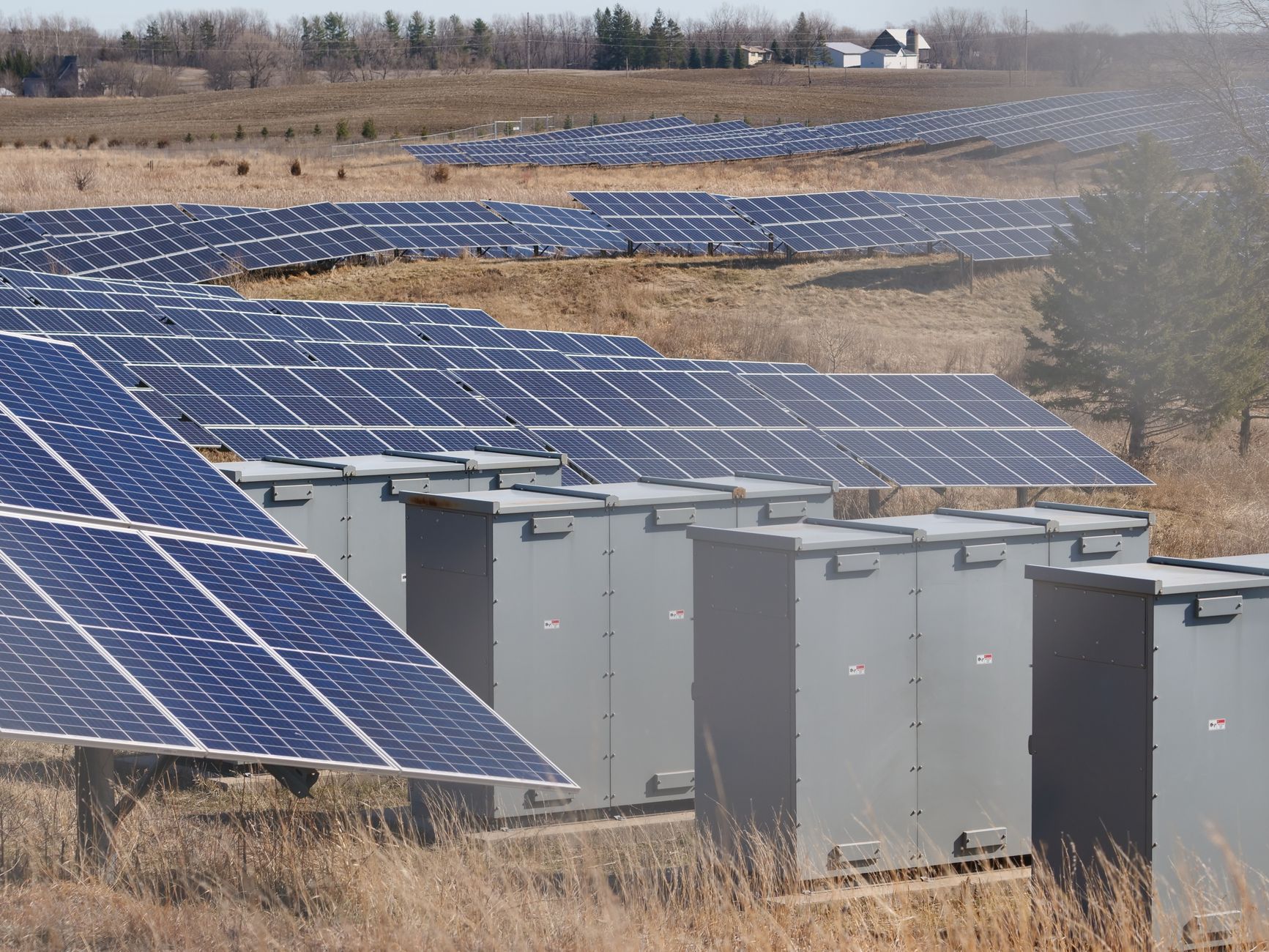
grid storage investment is becoming a key focus for India as the country seeks to enhance its clean energy capabilities. The recent approval of a $1.5 billion initiative signals a significant step forward in this direction.
Overview of India’s energy strategy
India’s energy strategy has been undergoing a significant transformation as the country aims to transition towards cleaner energy sources. The government’s recent approval of a $1.5 billion grid storage investment demonstrates its commitment to enhancing the reliability and efficiency of renewable energy systems. This investment is expected to bolster India’s capacity to store and manage energy generated from renewable sources such as solar and wind.
As part of its long-term vision, India is focusing on several key areas to ensure a sustainable energy future:
- Renewable Energy Expansion: India plans to significantly increase its renewable energy capacity, with a target of achieving 500 GW by 2030.
- Grid Modernization: Upgrading existing grid infrastructure is crucial for accommodating the increasing share of renewables.
- Energy Storage Solutions: Investing in grid storage technologies will help to address the intermittency challenges faced by renewable energy sources.
- Policy and Regulation: The government is formulating policies that incentivize private investment in grid storage and renewable energy projects.
By prioritizing grid storage investment, India aims to not only enhance energy security but also support its ambitious clean energy goals, positioning itself as a leader in sustainable energy practices on the global stage.
Importance of grid storage
The importance of grid storage cannot be overstated in the context of India’s evolving energy landscape. As the country aims to transition to cleaner energy sources, effective grid storage investment becomes crucial for ensuring stability and reliability in energy supply.
Grid storage systems serve multiple vital functions:
- Energy Management: They allow for the efficient management of energy generated from renewable sources, such as solar and wind, which are often intermittent.
- Grid Stability: By storing excess energy during periods of low demand, these systems help balance load and prevent outages during peak usage times.
- Cost Efficiency: With advancements in technology, grid storage can help reduce electricity costs over time by optimizing energy usage and minimizing reliance on fossil fuels.
- Environmental Impact: Effective grid storage supports the integration of renewable energy, reducing carbon footprints and contributing to India’s commitment to climate goals.
As India moves forward with its $1.5 billion grid storage push, the focus on these technologies reflects a broader strategy towards sustainable development. Investing in grid storage is not just a financial decision but a critical step towards a resilient and eco-friendly energy future for the nation.
Financial implications of the investment
The recent approval of a $1.5 billion grid storage investment marks a significant step in India’s clean energy transition. This financial commitment is expected to yield substantial returns, both economically and environmentally. As the country aims to enhance its renewable energy capacity, effective grid storage solutions will play a crucial role in stabilizing supply and demand.
Investing in grid storage can lead to various financial implications:
- Cost Savings: By integrating advanced storage technologies, India can reduce reliance on fossil fuels, leading to lower operational costs in the long run.
- Job Creation: The development and maintenance of grid storage facilities are likely to generate new employment opportunities in the energy sector.
- Attracting Investment: A robust grid storage system may attract further investments from both domestic and international stakeholders interested in renewable energy projects.
- Energy Stability: With enhanced storage capabilities, the grid can better manage fluctuations in energy supply, ensuring a reliable power source for consumers.
Overall, the grid storage investment is not just a financial maneuver but a strategic move towards a sustainable energy future for India, promoting economic growth while addressing pressing environmental concerns.
Technological advancements in energy storage
Recent technological advancements in energy storage have positioned India to capitalize on the growing demand for renewable energy sources. As the country moves towards a more sustainable energy future, grid storage investment has emerged as a crucial component in managing energy supply and demand effectively.
Innovations in battery technology, particularly in lithium-ion and solid-state batteries, have significantly enhanced storage capacity and efficiency. These advancements allow for longer storage durations and quicker energy discharge, making them ideal for integrating renewable energy sources such as solar and wind into the grid.
Moreover, the development of advanced software solutions for energy management systems has improved the ability to forecast energy consumption patterns and optimize the use of stored energy. This integration helps in stabilizing the grid, reducing reliance on fossil fuels, and ultimately lowering greenhouse gas emissions.
Furthermore, as costs for energy storage technologies continue to decline, the financial feasibility of grid storage investments becomes increasingly attractive. This trend not only supports India’s clean energy drive but also encourages private sector participation in the energy market.
In summary, the convergence of technological advancements and economic incentives makes grid storage investment a promising avenue for India’s energy transition.
Potential impact on renewable energy
The recent approval of a $1.5 billion grid storage investment in India is poised to significantly enhance the country’s renewable energy landscape. By integrating advanced storage solutions, India aims to address the inherent challenges associated with intermittent energy sources like solar and wind. This strategic move is expected to ensure a more stable and reliable power supply, effectively balancing demand and supply fluctuations.
One of the most promising impacts of this investment is the potential increase in renewable energy adoption. With improved storage capabilities, renewable energy can be harnessed more efficiently, leading to a decrease in reliance on fossil fuels. Additionally, the implementation of grid storage can facilitate the integration of larger renewable energy projects, making them more viable and attractive to investors.
Moreover, this initiative may catalyze job creation in the energy sector, from manufacturing to maintenance of storage technologies. As India continues to expand its renewable energy portfolio, the grid storage investment can serve as a backbone for this transition, ultimately leading to a more sustainable energy future.
In summary, the potential impact on renewable energy is substantial, making grid storage investment a critical component of India’s energy strategy moving forward.
Challenges facing grid storage implementation
The journey towards successful grid storage implementation in India is fraught with several challenges that could impact the overall effectiveness of this substantial investment in energy infrastructure.
- Regulatory Hurdles: Navigating the complex regulatory environment remains a significant barrier. The lack of clear policies and guidelines for grid storage can lead to uncertainties that deter investors.
- Infrastructure Limitations: Existing grid infrastructure may not be equipped to accommodate new storage technologies. Upgrading the grid to support advanced storage systems requires additional investment and time.
- High Initial Costs: While the long-term benefits of grid storage investment are evident, the initial capital required can be daunting for many stakeholders, potentially slowing down project initiation.
- Technological Maturity: The technology behind grid storage is still evolving. Concerns about the long-term reliability and efficiency of various storage solutions can hinder widespread adoption.
- Public Awareness: There is a general lack of awareness regarding the benefits of grid storage among consumers and businesses, which can affect market demand and support for such initiatives.
Addressing these challenges is essential for making grid storage a viable and effective solution in India’s energy landscape.
Future of clean energy in India
The future of clean energy in India is closely tied to the nation’s commitment to enhancing grid storage investment. As India sets ambitious targets for renewable energy generation, effective energy storage solutions will play a crucial role in achieving these goals. The integration of grid storage systems can help manage the intermittency of renewable sources like solar and wind, ensuring a stable energy supply.
With the government’s recent approval of a $1.5 billion push for grid storage, the landscape of energy management in India is poised for transformation. This investment aims to bolster the capacity of the national grid, allowing for more significant incorporation of renewable energy while reducing reliance on fossil fuels.
Moreover, the development of grid storage technologies is expected to foster innovation and attract further investments in clean energy. By enhancing energy resilience and reliability, grid storage can enable a smoother transition to a sustainable energy future.
However, this transition will not come without its challenges. Key considerations include the need for substantial infrastructure upgrades and regulatory frameworks that can support this technological shift. Overall, the focus on grid storage investment represents a promising step toward a greener, more sustainable energy landscape in India.
Conclusion and next steps
In conclusion, the decision to invest in grid storage presents a pivotal opportunity for India as it seeks to enhance its energy strategy and bolster the clean energy transition. The substantial $1.5 billion investment approved by the government is a clear indication of its commitment to modernizing the energy infrastructure and embracing renewable sources.
The potential benefits of grid storage investment are manifold, including improved energy reliability and efficiency, reduced dependency on fossil fuels, and the facilitation of a smoother integration of renewable energy sources into the national grid. However, realizing these benefits will require a concerted effort to address the challenges identified in earlier discussions, such as technological barriers, financing mechanisms, and regulatory frameworks.
Moving forward, stakeholders must focus on:
- Developing a robust policy framework that supports innovation in storage technologies.
- Encouraging public-private partnerships to leverage expertise and capital in the energy sector.
- Investing in research and development to enhance the efficiency and cost-effectiveness of grid storage solutions.
By strategically navigating these next steps, India can position itself as a leader in clean energy and effectively harness the full potential of grid storage investment.
Photo by Giant Asparagus on Pexels