
Category: business

  • Honda investment Ohio: Smart move for local economy

    Honda investment Ohio: Smart move for local economy

    Honda investment Ohio marks a significant commitment from the automaker to enhance its manufacturing presence in the U.S. The $3 billion investment will establish a new vehicle assembly plant.

    Overview of Honda’s Investment

    Honda has announced a significant investment in Ohio, committing $3 billion to establish a new vehicle assembly plant. This strategic move is expected to bolster the local economy and create thousands of jobs in the region. The investment underlines Honda’s commitment to expanding its manufacturing footprint in the United States while adapting to evolving market demands.

    The new facility will focus on producing electric vehicles, aligning with the global shift towards sustainable transportation. This initiative is part of Honda’s broader strategy to enhance its production capabilities and meet the growing consumer demand for eco-friendly vehicles.

    Key aspects of Honda’s investment in Ohio include:

    • Job Creation: The new plant is projected to generate approximately 2,000 jobs, providing a significant boost to the local workforce.
    • Economic Growth: Increased employment opportunities and associated economic activities are expected to stimulate the region’s economy.
    • Innovation in Manufacturing: The facility will incorporate advanced technologies and practices to enhance production efficiency.

    Ultimately, Honda’s investment in Ohio is poised to position the company as a leader in the electric vehicle market while supporting the economic development of the area.

    Impact on Ohio’s Economy

    The recent announcement of Honda’s investment in Ohio marks a significant boost for the local economy. With a commitment of $3 billion towards a new vehicle assembly plant, the implications are far-reaching.

    Firstly, this investment is expected to create thousands of jobs, not only directly at the plant but also indirectly through supply chain demands. Local suppliers and service providers will benefit from increased business opportunities, leading to a multiplier effect in the economy.

    Moreover, the establishment of the assembly plant will attract additional investments in infrastructure and services in the region. This may include:

    • Upgrades to transportation networks
    • Development of local housing
    • Increased demand for retail and service businesses

    Additionally, the infusion of capital will bolster Ohio’s position in the automotive industry, making it a key player in the transition towards electric vehicles. As Honda pivots to new technologies, the focus on innovation will likely stimulate further research and development initiatives within the state.

    In conclusion, Honda’s investment in Ohio is not just a smart move for the company, but a pivotal moment for the local economy, promising growth and opportunity for years to come.

    Job Creation in the Region

    The recent announcement of Honda’s investment in Ohio is expected to significantly boost job creation in the region. With a commitment of $3 billion towards a new vehicle assembly plant, the company aims to generate thousands of jobs for local residents.

    The new facility will not only create direct employment opportunities but will also stimulate growth in related sectors. Local businesses, including suppliers and service providers, are likely to experience increased demand, leading to further job openings. Experts project that Honda’s investment will create around 2,000 direct jobs at the plant, with an estimated additional 4,000 jobs in the surrounding community as the economic ripple effect takes hold.

    The benefits of this investment go beyond immediate job creation. It will enhance workforce development initiatives, providing training programs that will prepare local workers for high-skill positions in the automotive industry. Honda’s investment in Ohio aligns with its broader strategy to innovate and adapt to changing market demands, while also supporting the local economy.

    As the new assembly plant ramps up operations, the positive impact on job creation will be closely monitored, marking a promising chapter for both Honda and the Ohio workforce.

    Details of the New Assembly Plant

    Honda’s investment in Ohio is set to take a significant step forward with the establishment of a new assembly plant, which aims to enhance production capabilities and innovation in vehicle manufacturing. The plant will be strategically located to optimize logistics and supply chain efficiency, ensuring that Honda remains competitive in the ever-evolving automotive market.

    The assembly plant is expected to feature state-of-the-art technology, including:

    • Advanced Robotics: To streamline manufacturing processes and improve precision.
    • Eco-Friendly Practices: Incorporating sustainable materials and energy-efficient systems.
    • Flexible Production Lines: Allowing for quick adaptations to market demands and consumer preferences.

    In addition to increasing production capacity, the new facility will also focus on developing electric and hybrid vehicles, aligning with global trends towards sustainability. This shift not only positions Honda as a leader in eco-friendly automotive solutions but also boosts the local economy by attracting a diverse workforce skilled in modern automotive technologies.

    Overall, Honda’s investment in Ohio is a strategic move that promises to enhance the region’s manufacturing landscape while contributing to a greener future.

    Honda’s Future Plans

    Honda’s commitment to investing in Ohio is set to reshape its operational landscape significantly. The recent announcement of a $3 billion investment in a new vehicle assembly plant underscores the company’s dedication to the region and its future plans.

    As part of its strategic vision, Honda aims to enhance its production capabilities with a focus on electric vehicles. This shift reflects the growing demand for environmentally friendly transportation options and aligns with global trends in the automotive industry.

    Key elements of Honda’s future plans include:

    • Expanding electric vehicle production: The new assembly plant will prioritize the manufacturing of electric models, catering to an evolving market.
    • Innovative technology integration: Honda plans to incorporate advanced technologies to optimize efficiency and reduce environmental impact.
    • Collaboration with local suppliers: Strengthening relationships with Ohio-based suppliers will create a more robust supply chain.

    These initiatives not only reflect Honda’s commitment to innovation but also signify a smart investment in Ohio, reinforcing its role as a pivotal player in the automotive industry.

    Community Response to the Investment

    The recent announcement of Honda’s investment in Ohio has sparked a wave of enthusiasm among local residents and officials. Many view this significant financial commitment as a smart move for the local economy, potentially transforming the region’s industrial landscape.

    Community leaders have expressed optimism about the long-term benefits that Honda’s investment will bring. Mayor Jane Doe stated, “This is a game-changer for our community. The creation of new jobs and opportunities will not only help our families but also strengthen our local businesses.”

    Residents have taken to social media to share their excitement. Many are highlighting the potential for increased economic activity and the revitalization of the surrounding areas. Local business owner John Smith mentioned, “With more jobs in the region, we expect more customers to support our shops and restaurants.”

    However, some community members have raised concerns about the environmental impact of increased industrial activity. In response, Honda has assured the public that sustainability will be a key factor in the development of the new assembly plant.

    Overall, the community response to Honda’s investment in Ohio is overwhelmingly positive, reflecting a shared hope for a prosperous future.

    The Honda investment Ohio is expected to create thousands of new jobs, boosting the local economy significantly. With this Honda investment Ohio, local businesses are likely to see increased demand and growth opportunities.

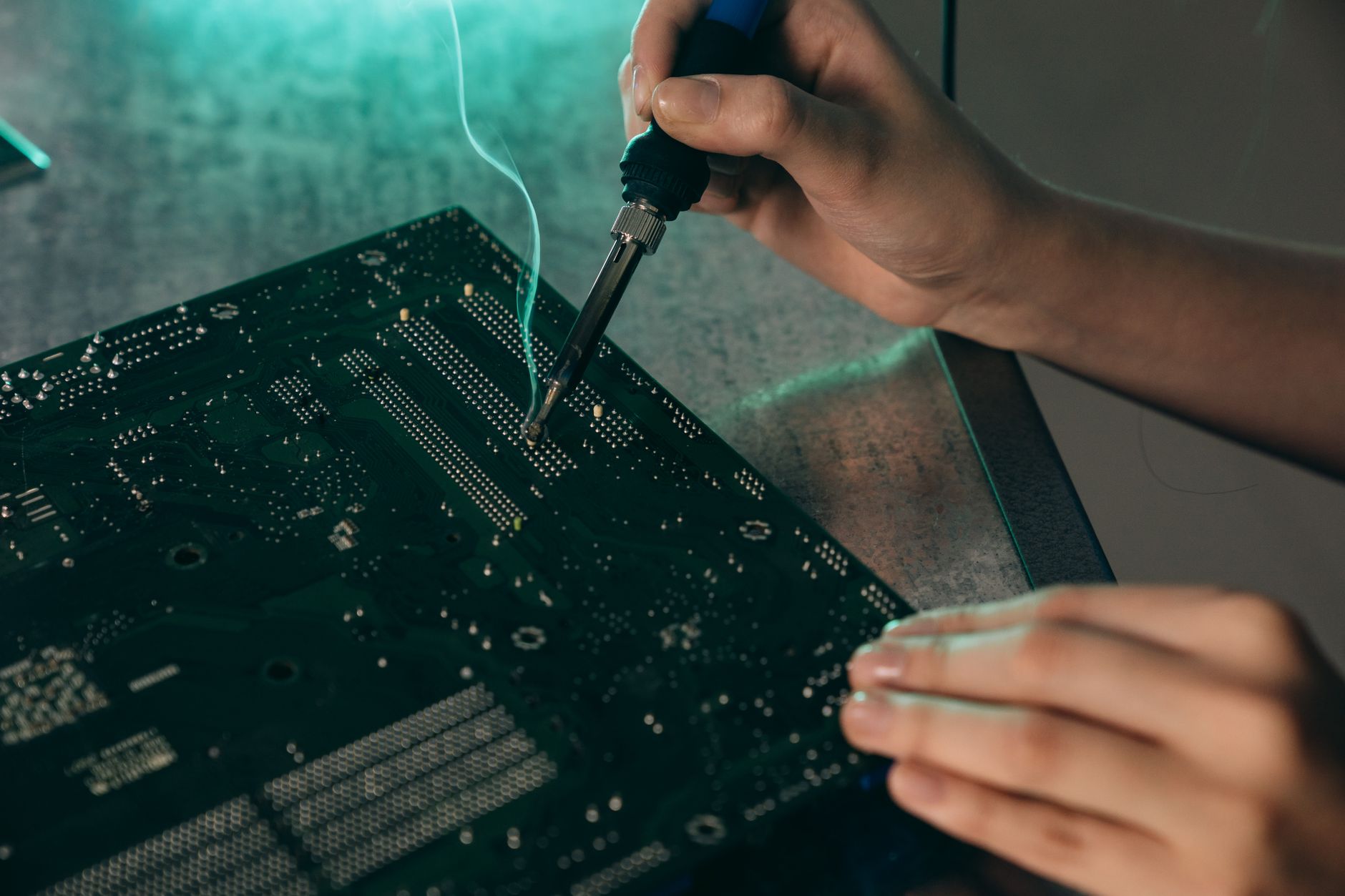
    Photo by Keith Cassill on Pexels
    References

    Related stories

  • Demand for Chip Tools: The Best Outlook for ASML’s Growth

    Demand for Chip Tools: The Best Outlook for ASML’s Growth

    demand for chip tools is significantly outpacing supply, leading ASML to boost its outlook for the upcoming quarters. This surge reflects the growing need for advanced semiconductor manufacturing.

    Understanding ASML’s Market Position

    ASML, a leader in the semiconductor manufacturing industry, is well-positioned to capitalize on the increasing demand for chip tools. As the global reliance on advanced technology continues to grow, the need for efficient and powerful semiconductor production becomes more critical. This shift is largely driven by trends in artificial intelligence, 5G, and cloud computing, which require cutting-edge chips.

    The company has reported a significant boost in its outlook, highlighting that the demand for chip tools is currently outpacing supply. In response to this surge, ASML is ramping up production capabilities and focusing on innovation to meet market needs.

    Additionally, industry analysts project that ASML’s strategic investments and robust order book will further strengthen its market position. The ongoing advancements in technology continue to affirm ASML’s pivotal role in the semiconductor supply chain, ensuring sustained growth for the company in the years to come.

    The Impact of Chip Tool Demand

    The demand for chip tools has significantly influenced ASML’s growth trajectory, leading to an optimistic market outlook. As semiconductor manufacturers ramp up production to meet the increasing global demand for chips, the need for advanced lithography equipment, such as that produced by ASML, has surged.

    This surge is driven by several key factors:

    • Technological Advancements: Innovations in AI, 5G, and IoT are pushing for more advanced semiconductor capabilities.
    • Global Supply Chain Recovery: As industries recover from disruptions, there is a renewed focus on expanding chip production.
    • Long-Term Contracts: Semiconductor companies are securing long-term agreements for chip tools to ensure supply stability.

    As a result, ASML’s ability to meet the growing demand for chip tools positions it favorably in a competitive market, ensuring sustained growth and investment opportunities.

    Supply Chain Challenges in Semiconductor Industry

    The semiconductor industry continues to face significant supply chain challenges that affect the availability of chip tools. As demand for chip tools surges, manufacturers are struggling to keep pace with the rapid growth in the market.

    Several factors contribute to these ongoing challenges:

    • Global Disruptions: Events such as pandemics and geopolitical tensions have led to widespread disruptions in supply chains.
    • Shortage of Raw Materials: A lack of essential materials has hindered production capabilities in the semiconductor sector.
    • Increased Demand: The exponential rise in demand for chip tools has outstripped existing supply, leading to longer lead times for manufacturers.

    With these complexities, companies like ASML are not only adapting to current market dynamics but are also optimizing their strategies to ensure they remain competitive in meeting the growing demand for chip tools.

    Future Trends in Semiconductor Manufacturing

    The semiconductor manufacturing landscape is evolving rapidly, driven by advancements in technology and a surge in demand for chip tools. Industry experts predict that this demand will continue to escalate as more companies pivot towards developing cutting-edge electronics.

    Key trends shaping the future of semiconductor manufacturing include:

    • Increased Investment: Major players are allocating substantial resources to enhance production capabilities and innovate new chip designs.
    • Emerging Technologies: Adoption of AI, 5G, and IoT technologies is creating a greater need for advanced semiconductor solutions.
    • Sustainability Efforts: Manufacturers are increasingly focusing on environmentally friendly processes and materials, which may influence chip tool production.

    As the demand for chip tools continues to outpace supply, companies like ASML are poised to benefit significantly from these trends, ensuring robust growth and a strong market presence in the coming years.

    ASML’s Growth Strategy

    ASML’s growth strategy is closely aligned with the rising demand for chip tools, which has been a significant catalyst for the company’s robust outlook. As the semiconductor industry evolves, ASML is prioritizing innovation and efficiency in its production processes to meet the increasing requirements of manufacturers.

    Key elements of ASML’s growth strategy include:

    • Investment in R&D: By allocating substantial resources to research and development, ASML aims to enhance its technological edge, ensuring its tools remain at the forefront of industry standards.
    • Expanding Production Capacity: To address the surging demand for chip tools, ASML is focused on ramping up its manufacturing capabilities, allowing for faster delivery times to clients.
    • Strategic Partnerships: Collaborating with key players in the semiconductor ecosystem, ASML is strengthening its position and fostering innovation across the supply chain.

    These strategic initiatives are designed to solidify ASML’s leadership in the semiconductor market while effectively responding to the escalating demand for chip tools.

    How Demand Influences Pricing

    The relationship between demand for chip tools and pricing has become increasingly pronounced in the semiconductor industry. As manufacturers ramp up production to meet the soaring need for advanced chips, the limited availability of cutting-edge chip tools drives prices higher.

    Several factors contribute to this dynamic:

    • Increased Production Capacity: As demand for chips surges, companies require more sophisticated tools to enhance their manufacturing capabilities.
    • Technological Advancements: New technologies often come at a premium, impacting overall pricing strategies.
    • Limited Suppliers: The concentration of chip tool suppliers means that their pricing power increases when demand outstrips supply.

    Consequently, the demand for chip tools not only affects manufacturers’ operational costs but also presents significant opportunities for market leaders like ASML. As they navigate this evolving landscape, pricing strategies will play a crucial role in sustaining growth.

    Investor Reactions to ASML’s Outlook

    Investor reactions to ASML’s latest outlook have been overwhelmingly positive, reflecting a strong belief in the growth potential driven by the rising demand for chip tools. Following the announcement, shares of ASML surged as analysts reassessed their forecasts in light of the company’s optimistic projections.

    Market participants are particularly encouraged by the anticipated increase in semiconductor production capacity, which is expected to significantly enhance ASML’s revenue streams. Key points prompting investor enthusiasm include:

    • Strong Demand: The ongoing demand for chip tools is projected to outstrip supply, creating a favorable market environment for ASML.
    • Strategic Positioning: ASML’s role as a leading supplier places it in a prime position to benefit from industry growth.
    • Innovation: Continuous advancements in technology are likely to further boost the demand for sophisticated chip manufacturing tools.

    Overall, investors are optimistic that ASML will capitalize on this momentum, leading to sustained growth in the coming years.

    Photo by Mikhail Nilov on Pexels

    Read the original

    You might also like